
Olearia solandri
Also known as: Information to be completed
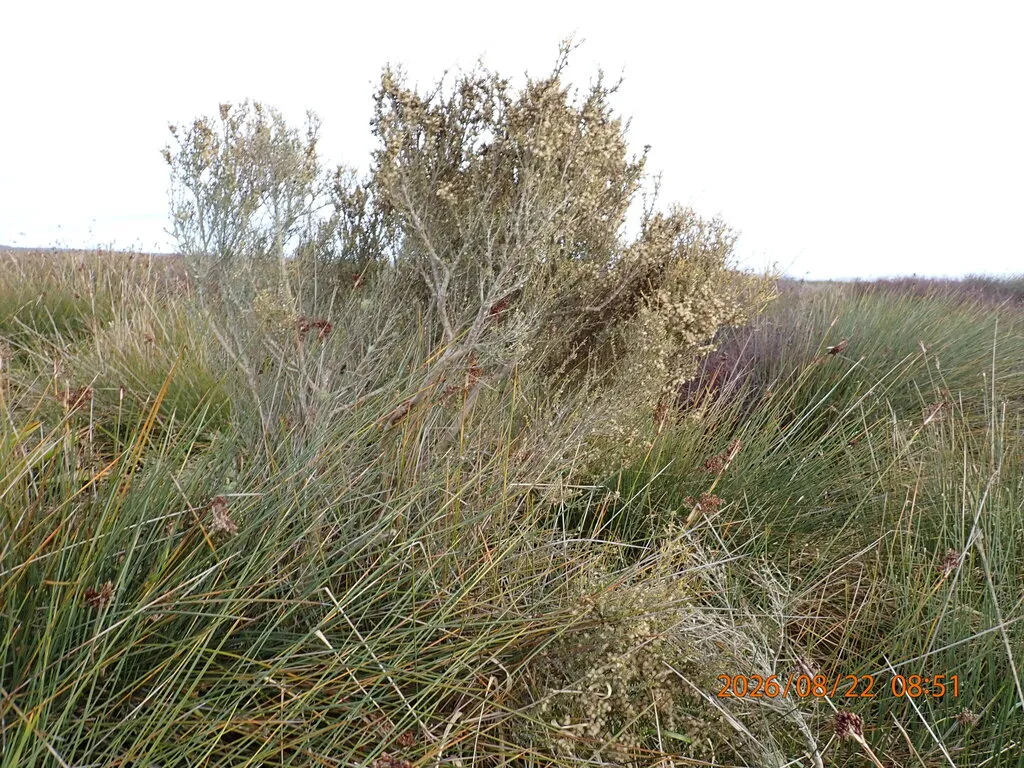
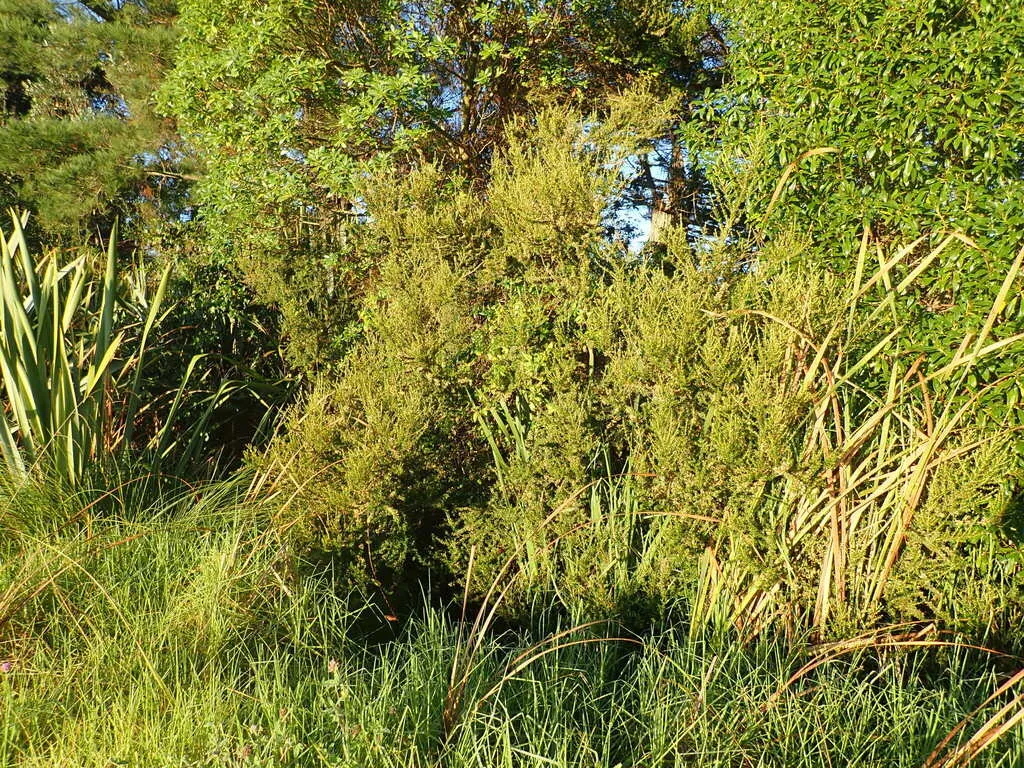
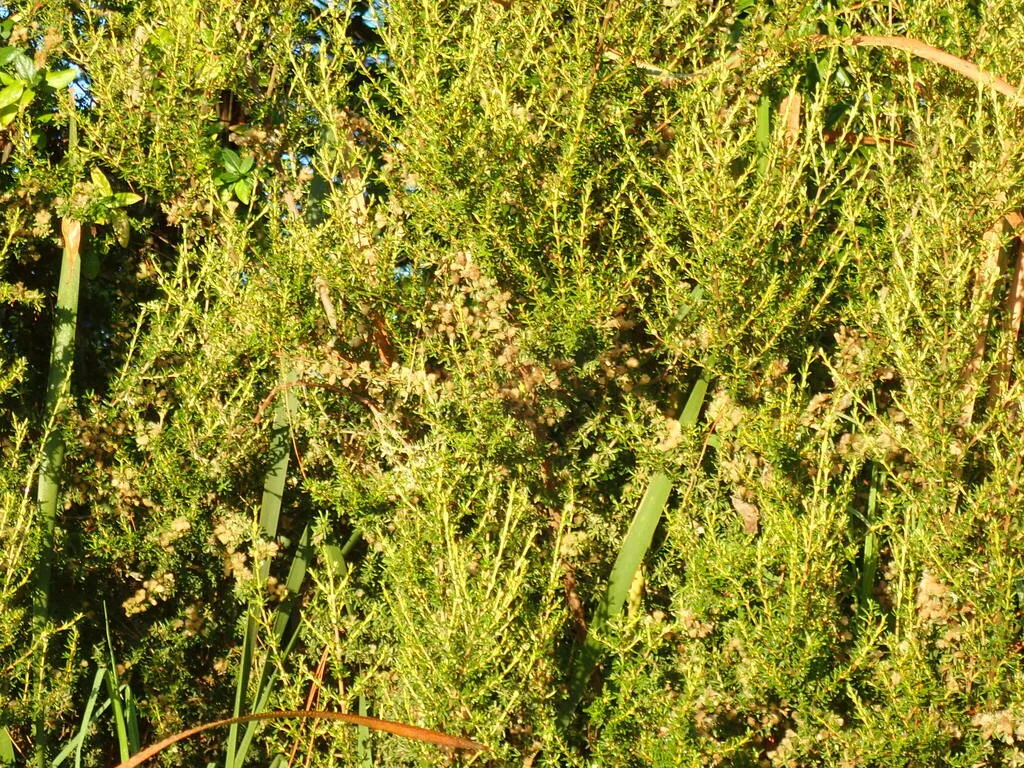
An evergreen shrub up to 2m high, with a dense habit and clusters of small, linear heather-like leaves. Shoots and the undersides of leaves are felted with fine, yellowish hairs. Small, daisy-like, very fragrant pale yellow flowers are produced in late summer and early autumn
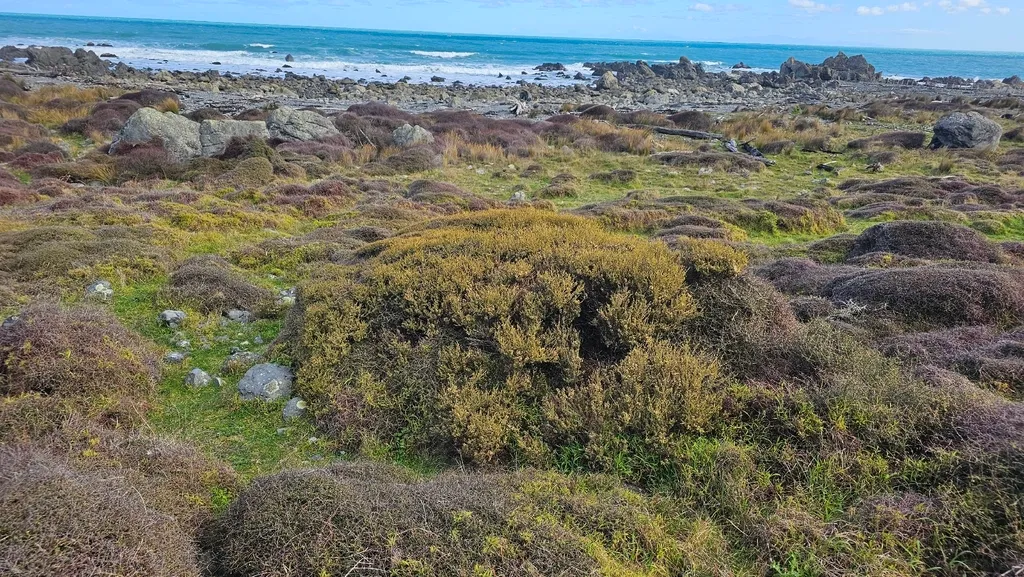
Scientific classification
- Species
- Olearia solandri (Olearia solandri)
- Genus
- Olearia
- Family
- Asteraceae
- Order
- Asterales
- Class
- Magnoliopsida
- Phylum
- Magnoliophyta
- Information to be completed
- Toxicity
- Shrubs
- Plant type
- 1.5-2.5 metres
- Height
- 1.5-2.5 metres
- Spread
- Evergreen
- Foliage
- Bushy
- Habit
- Spring · Summer · Autumn · Winter
- Season of interest
- Full sun
- Sunlight
- Information to be completed
- Ideal temperature









Olearia solandri pictures
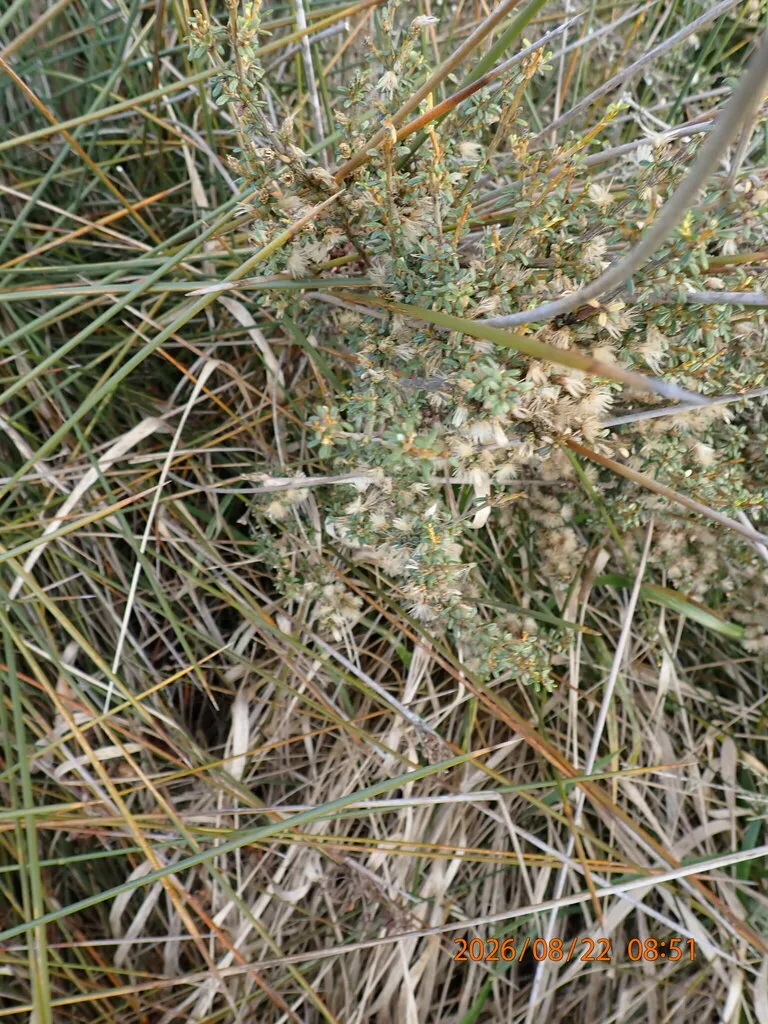
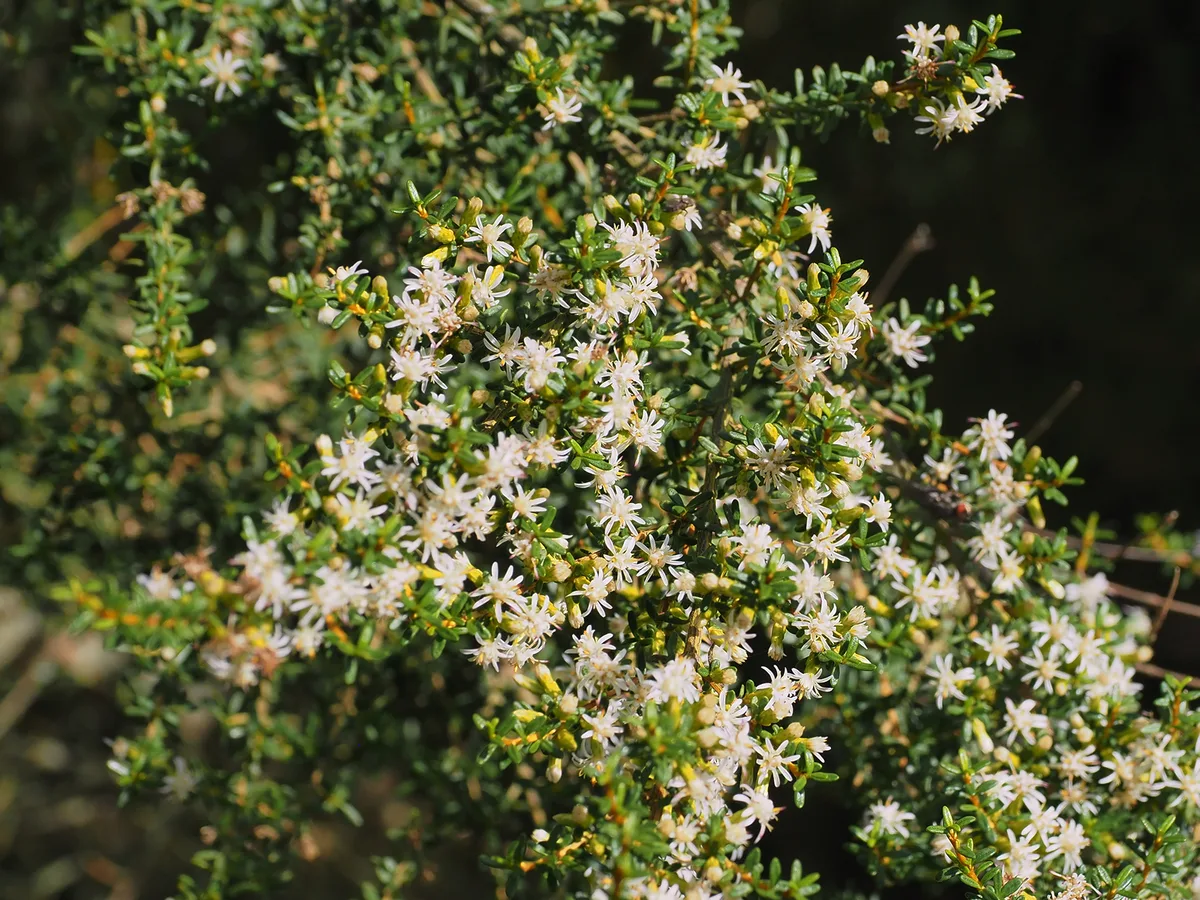
Distribution of Olearia solandri
Distribution map
- Native
- Introduced
- Cultivated
Source:WCVP v16 · Royal Botanic Gardens, Kew · CC BY 3.0 · Boundaries:WGSRPD / TDWG
Olearia solandri care guide
- Moderate regular watering, avoid prolonged drought and stagnant waterlogging
- Watering
- Full sun
- Sunlight

Watering
Moderate regular watering, avoid prolonged drought and stagnant waterlogging
Fertilizing
 Fertilizing
Balanced perennial feed every four weeks spring through summer growth
Pruning
 Pruning
Usually little pruning is needed. Lightly shape if necessary, removing dead, damaged or diseased shoots. Prune after flowering.
Propagation
 Propagation
Propagate by semi-ripe cuttings in summer
Growing
 Growing
Grow in fertile, well drained soil in full sun. Thrives in chalky soils and handles coastal exposure well. In areas with hard winters, grow in a cool or temperate greenhouse, or in containers that can be moved indoors over winter
Common pests and diseases
Diseases
Generally disease-free but may be susceptible to honey fungus (rarely)
Pests
Generally pest-free
Explore the plant health library →




