
gentleman's cane
Also known as: prince's feather; princess feather
An annual plant, to around 1.5m high, with jointed stems and ovate to heart-shaped, slightly hairy green leaves. Produces long, sometimes pendent tassels of small, deep pink flowers, on slender branching stems from mid summer to autumn
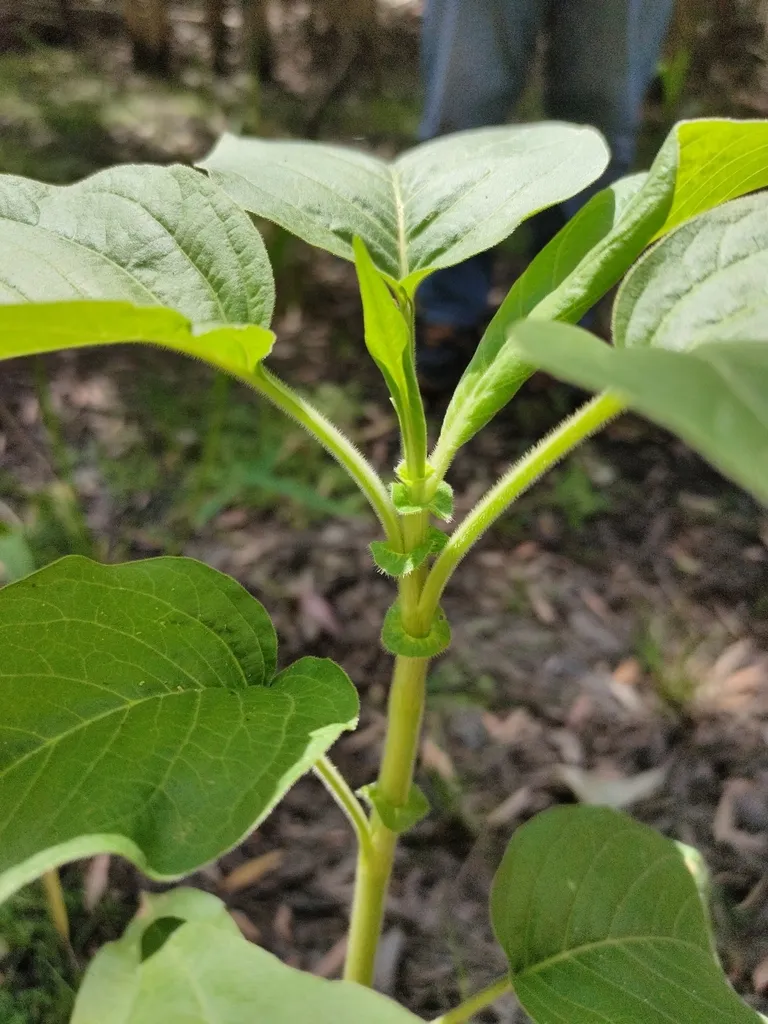
Scientific classification
- Species
- gentleman's cane (Persicaria orientalis)
- Genus
- Persicaria
- Family
- Polygonaceae
- Information to be completed
- Toxicity
- Annual Biennial
- Plant type
- 1-1.5 metres
- Height
- 0.5-1 metres
- Spread
- Deciduous
- Foliage
- Columnar upright
- Habit
- Spring · Summer · Autumn
- Season of interest
- Full sun · Partial shade
- Sunlight
- Information to be completed
- Ideal temperature









gentleman's cane pictures
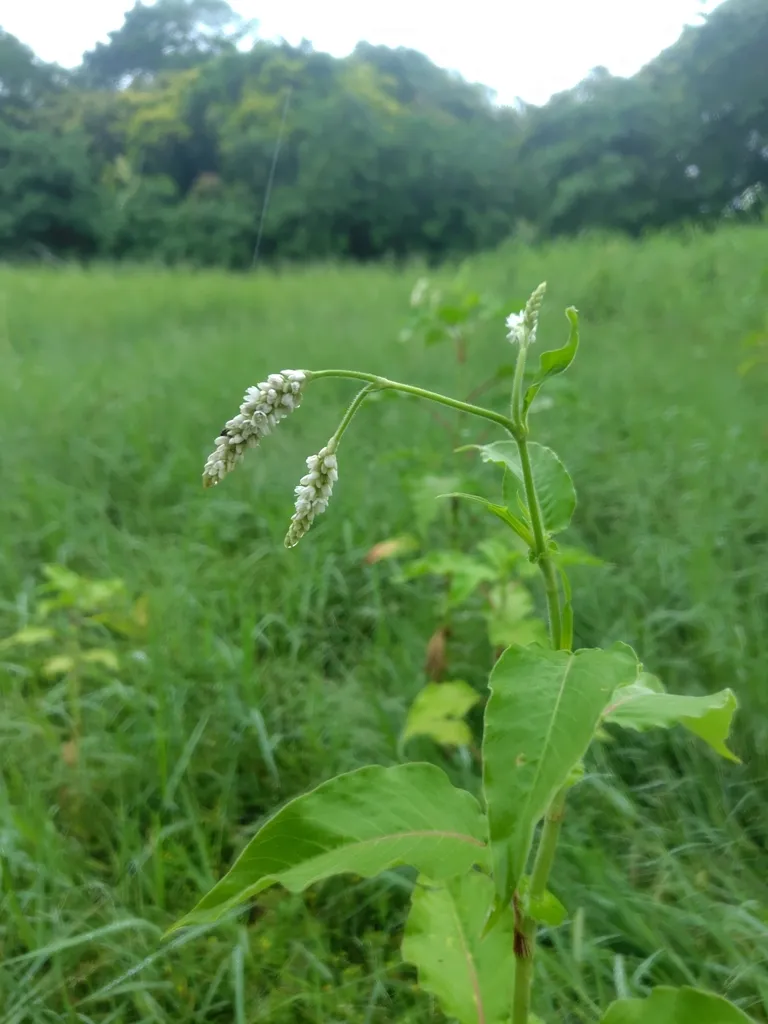
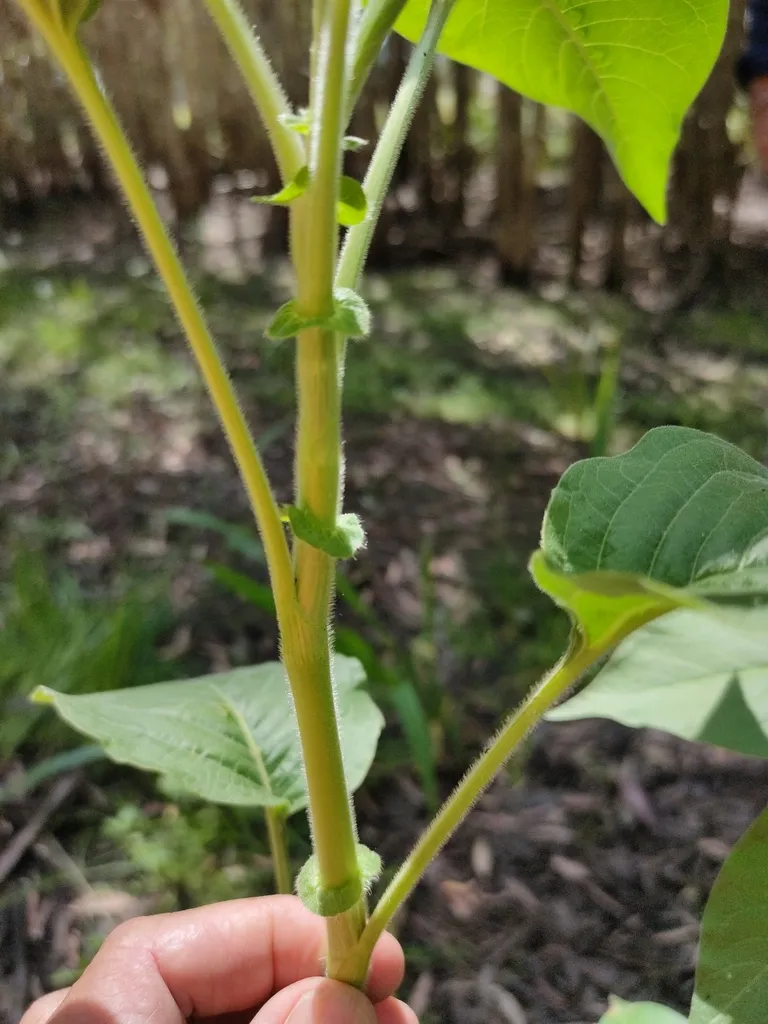
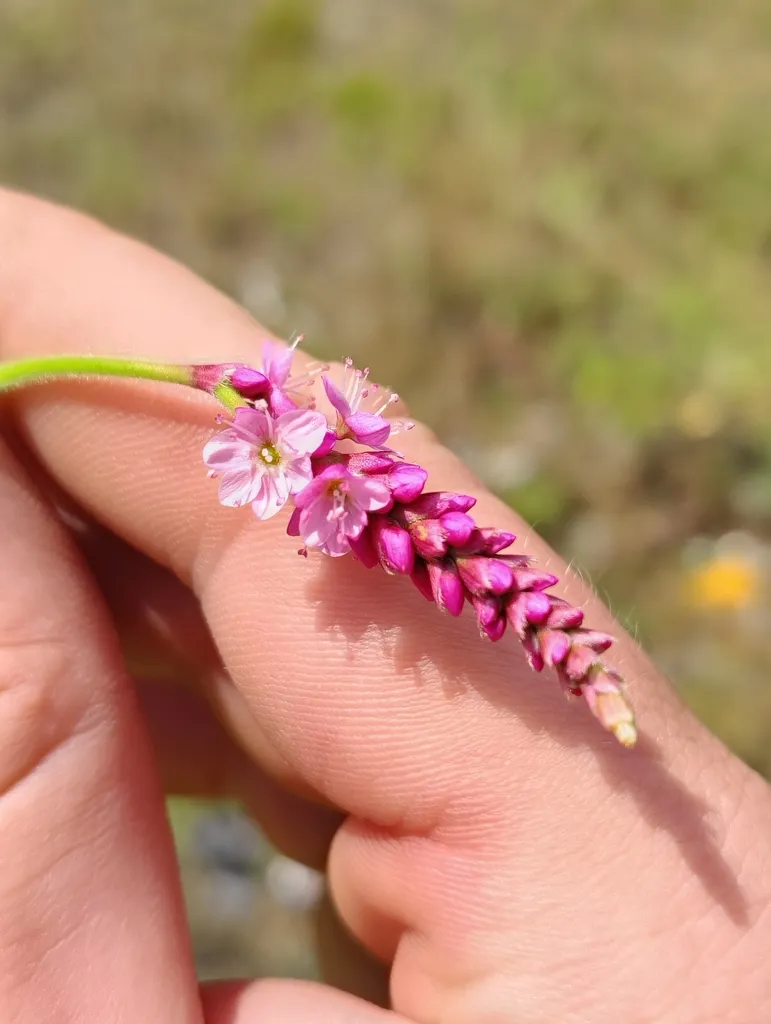
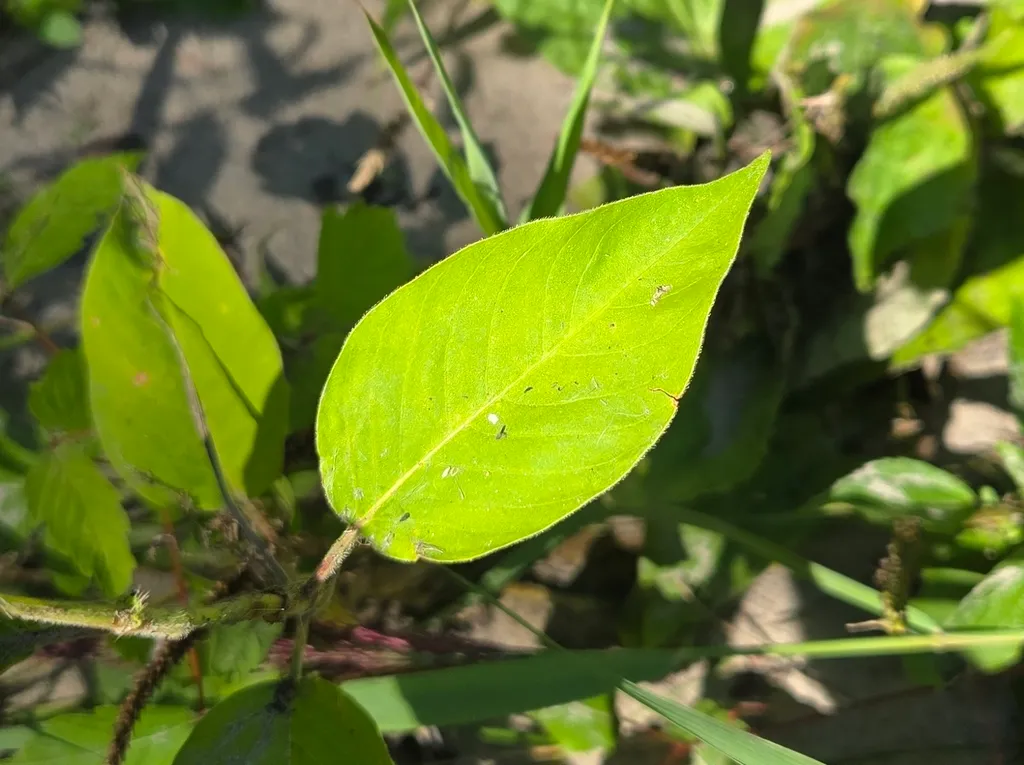
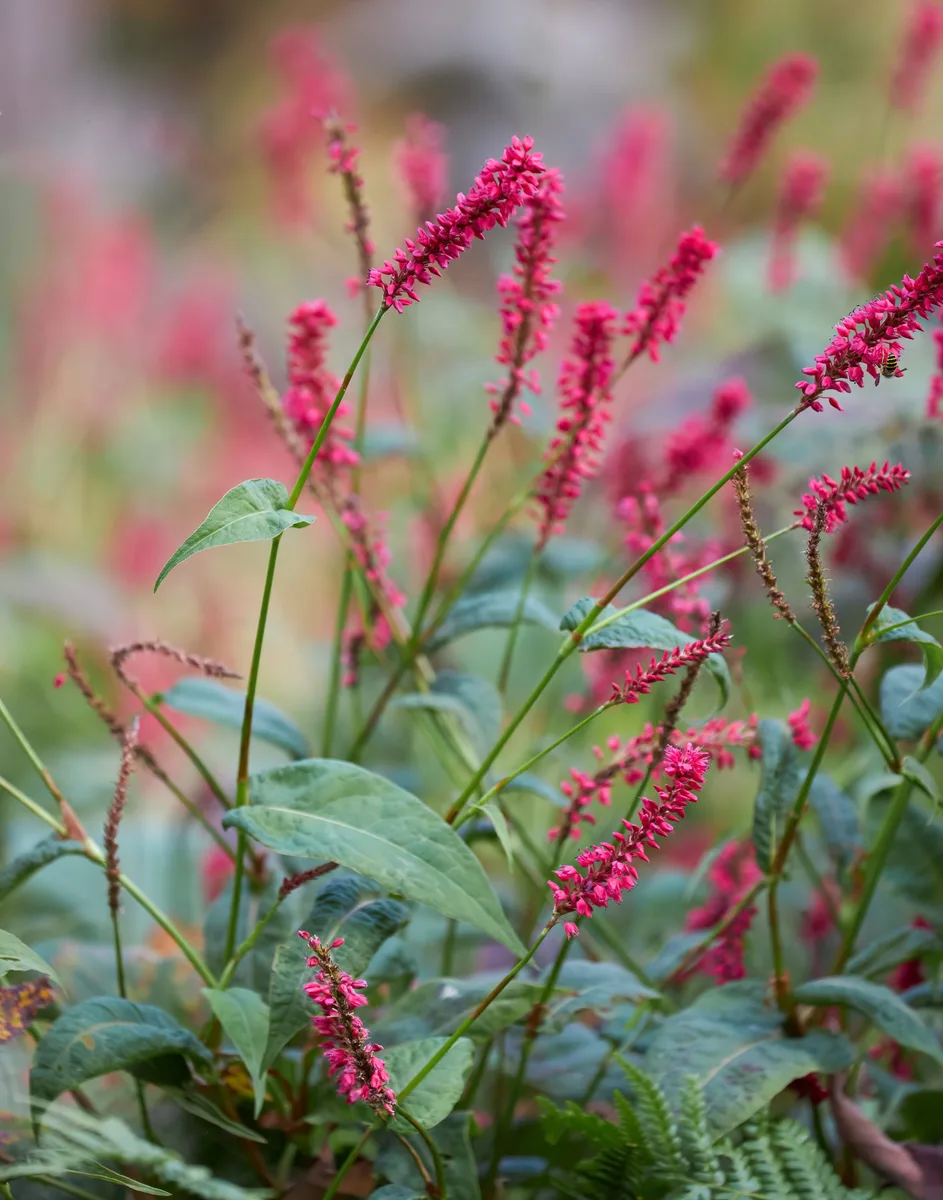
Distribution of gentleman's cane
Distribution map
E and Southeastern Asia, Australia
Information to be completed
Culture
Information to be completed
Toxicity
Information to be completed
Quick identification of gentleman's cane
Information to be completed
gentleman's cane care guide
- Moderate regular watering, allowing brief slight drying between soakings
- Watering
- Full sun · Partial shade
- Sunlight
- Information to be completed
- Ideal temperature

Watering
Moderate regular watering, allowing brief slight drying between soakings
Fertilizing
 Fertilizing
Balanced perennial feed every four weeks from spring through summer
Pruning
 Pruning
No pruning required
Propagation
 Propagation
Propagate by seed; self-seeds freely
Growing
 Growing
Grows in a wide range of soils and conditions, flowers best in full sun
People also ask
Information to be completed
Common pests and diseases
Diseases
Generally disease-free
Pests
Generally pest-free
Explore the plant health library →




