
devil's club
Also known as: Information to be completed
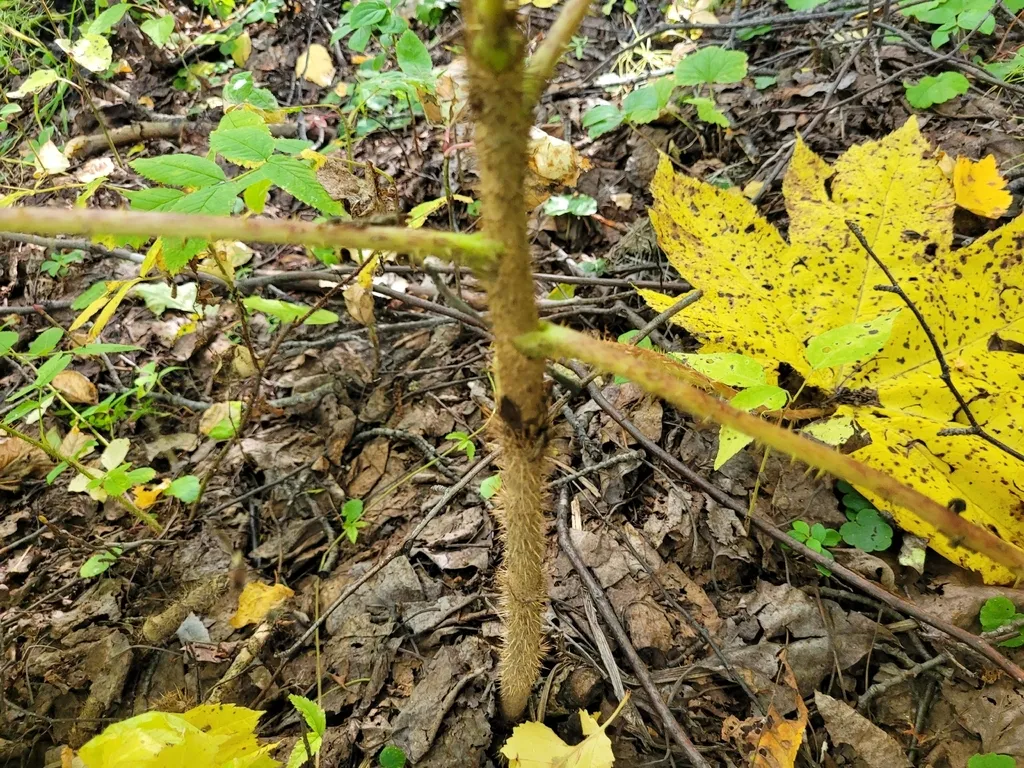
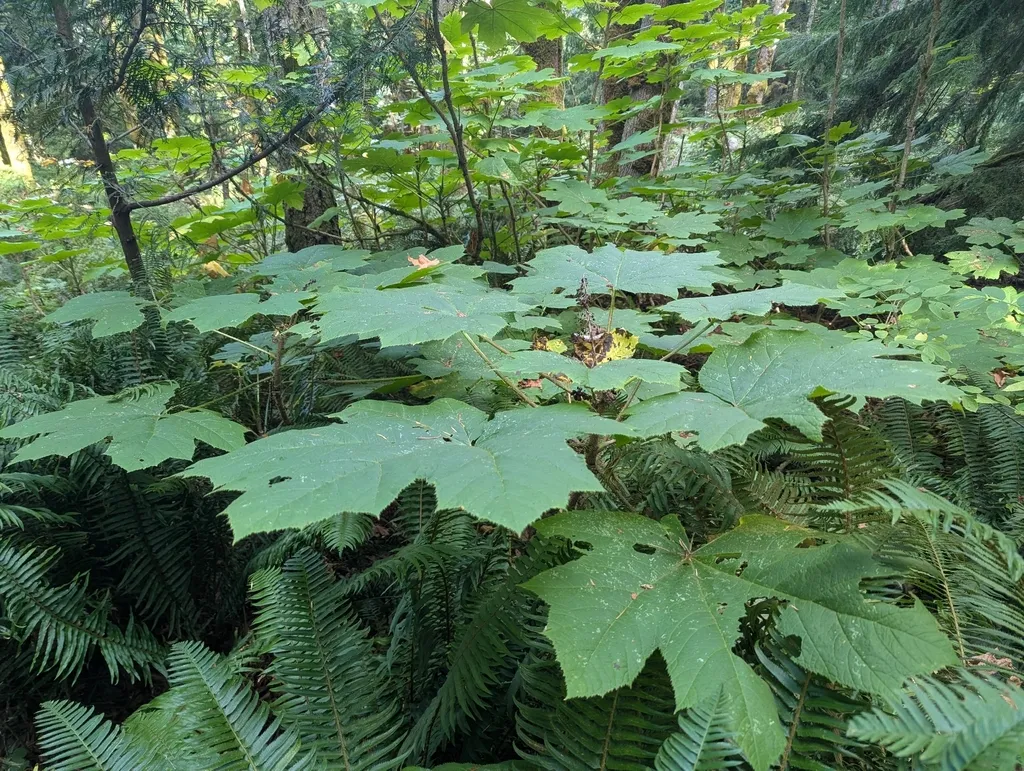
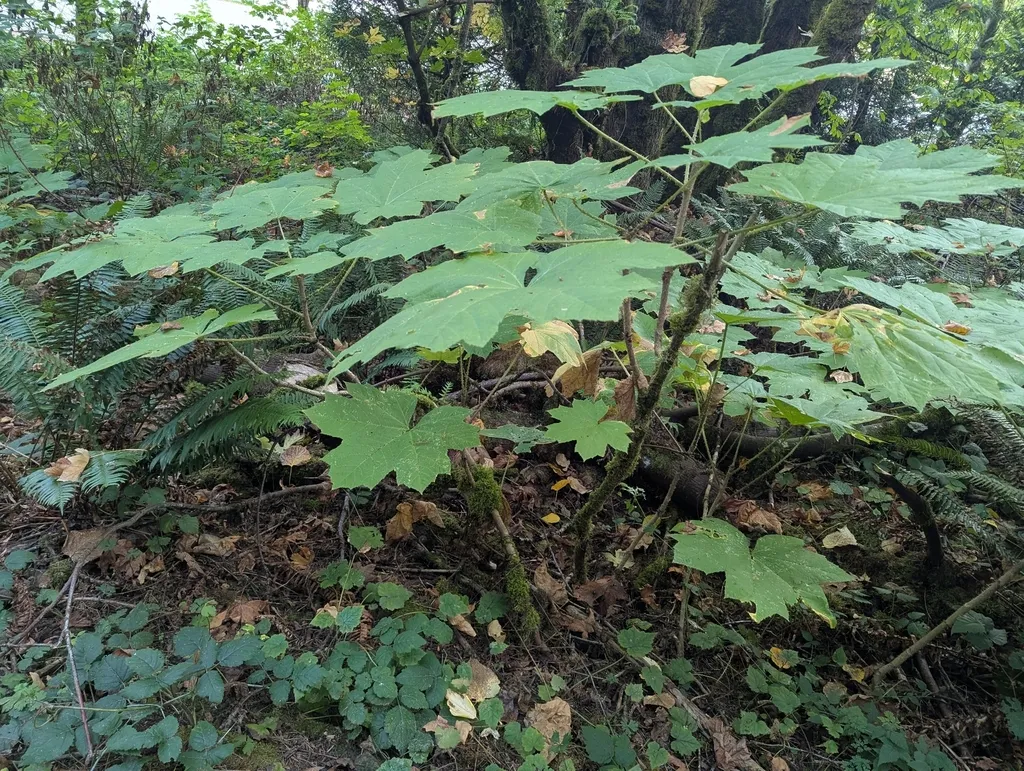
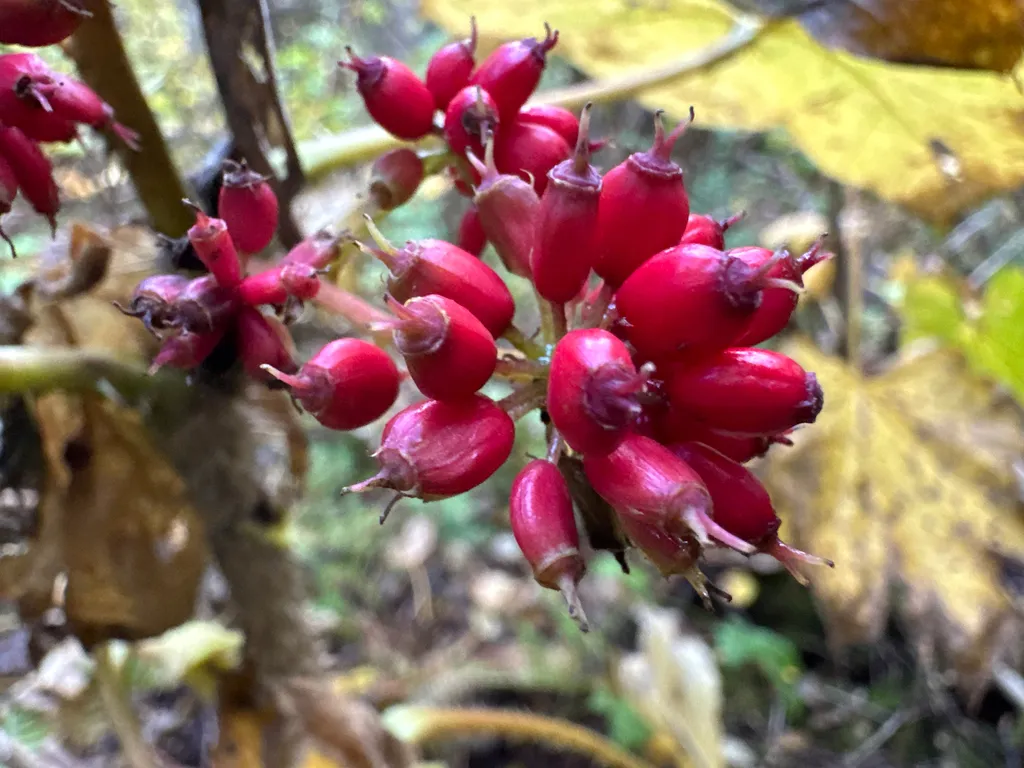
O. horridus is a deciduous shrub to 2.5m with upright, often unbranched, very spiny stems bearing very large, maple-shaped leaves up to 30cm across, with needle-sharp spines on the undersides. Conical, upright sprays of small, greenish-white flowers are produced in late spring or early summer, followed by small, red berries that last into winter
Scientific classification
- Species
- devil's club (Oplopanax horridus)
- Genus
- Oplopanax
- Family
- Araliaceae
- Order
- Apiales
- Class
- Magnoliopsida
- Phylum
- Magnoliophyta
- Information to be completed
- Toxicity
- Shrubs
- Plant type
- 1.5-2.5 metres
- Height
- 1-1.5 metres
- Spread
- Deciduous
- Foliage
- Bushy
- Habit
- Spring · Summer · Autumn · Winter
- Season of interest
- Full shade · Partial shade
- Sunlight
- Information to be completed
- Ideal temperature









devil's club pictures
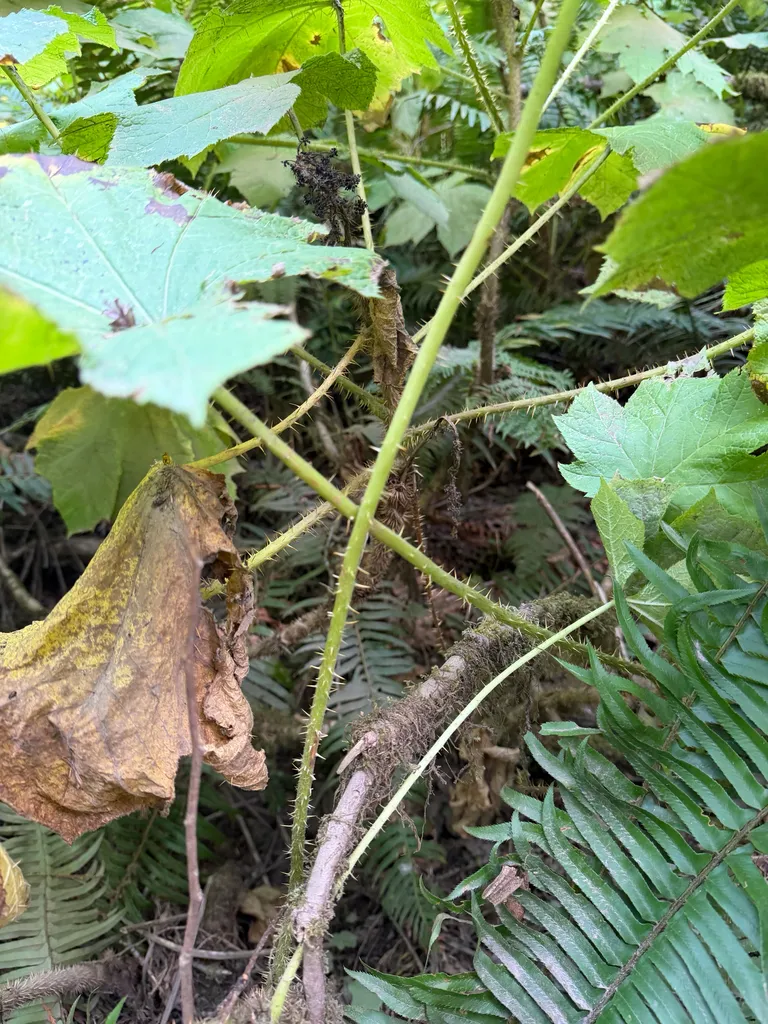
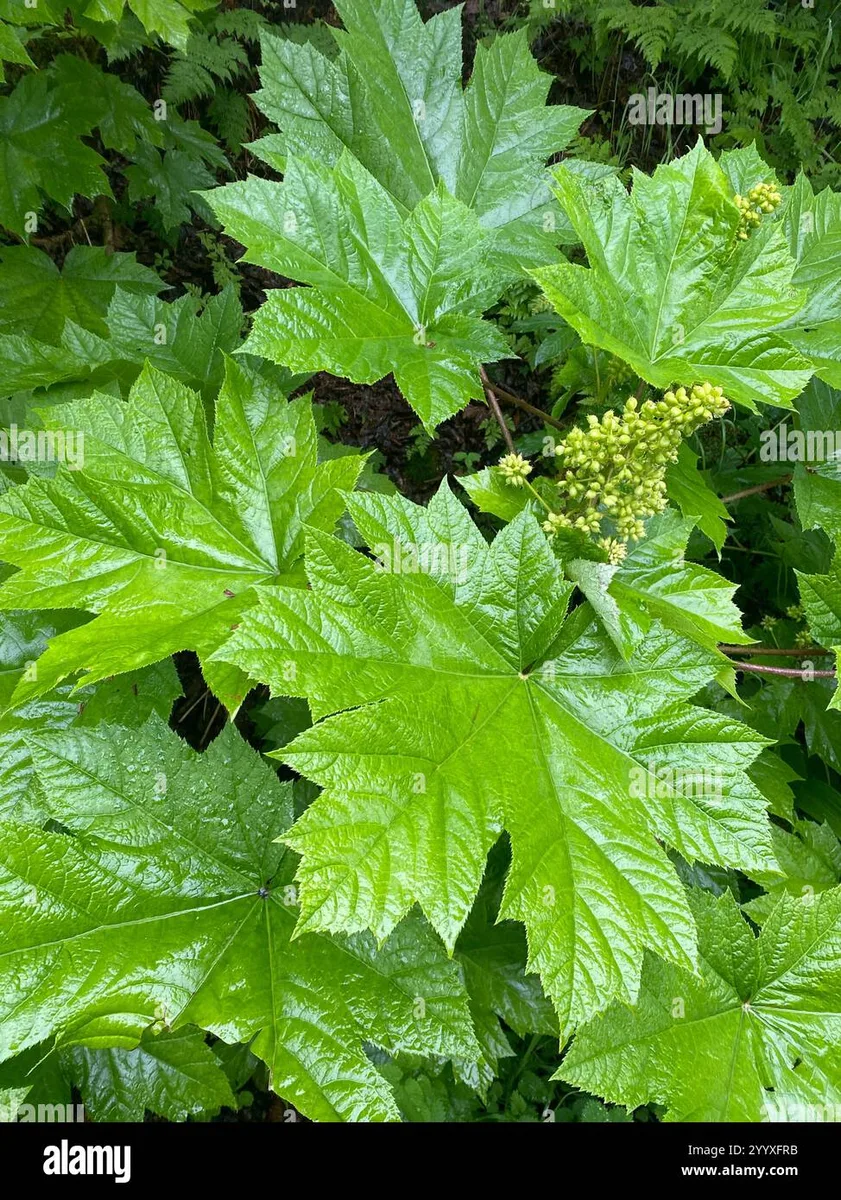
Distribution of devil's club
Distribution map
- Native
- Introduced
- Cultivated
Source:WCVP v16 · Royal Botanic Gardens, Kew · CC BY 3.0 · Boundaries:WGSRPD / TDWG
devil's club care guide
- Maintain steady medium moisture, shelter from hot dry summer winds
- Watering
- Full shade · Partial shade
- Sunlight

Watering
Maintain steady medium moisture, shelter from hot dry summer winds
Fertilizing
 Fertilizing
Woodland shrub organic feed once before new spring foliage emerges
Pruning
 Pruning
Little pruning is needed. Remove diseased, damaged, crowded or crossing shoots and unwanted growth. Timing depends on the plant: generally late winter or early spring; plants prone to bleeding and deciduous magnolias need different timing, and deciduous azaleas and lilacs are pruned after flowering.
Propagation
 Propagation
Propagate by seed (which may take two years to germinate), by softwood cuttings or by layering
Growing
 Growing
Grow in moist, acid soil in a cool position in full or semi shade
Common pests and diseases
Diseases
Generally problem free
Pests
Generally problem free
Explore the plant health library →




