
Christmas pride
Also known as: Information to be completed
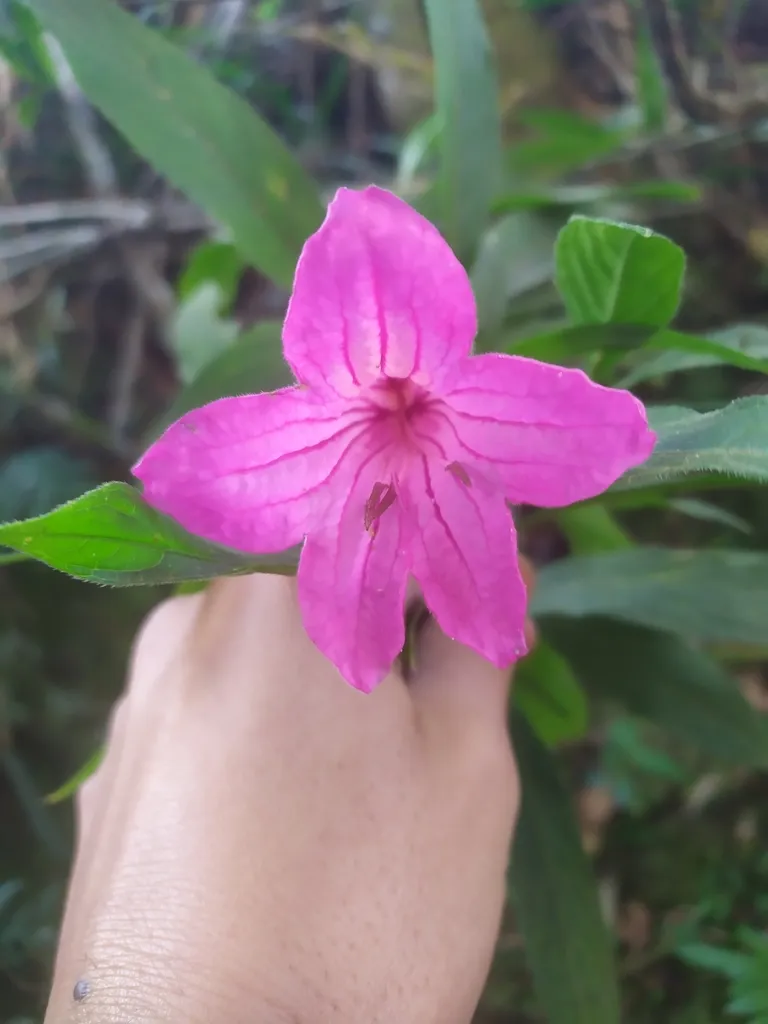
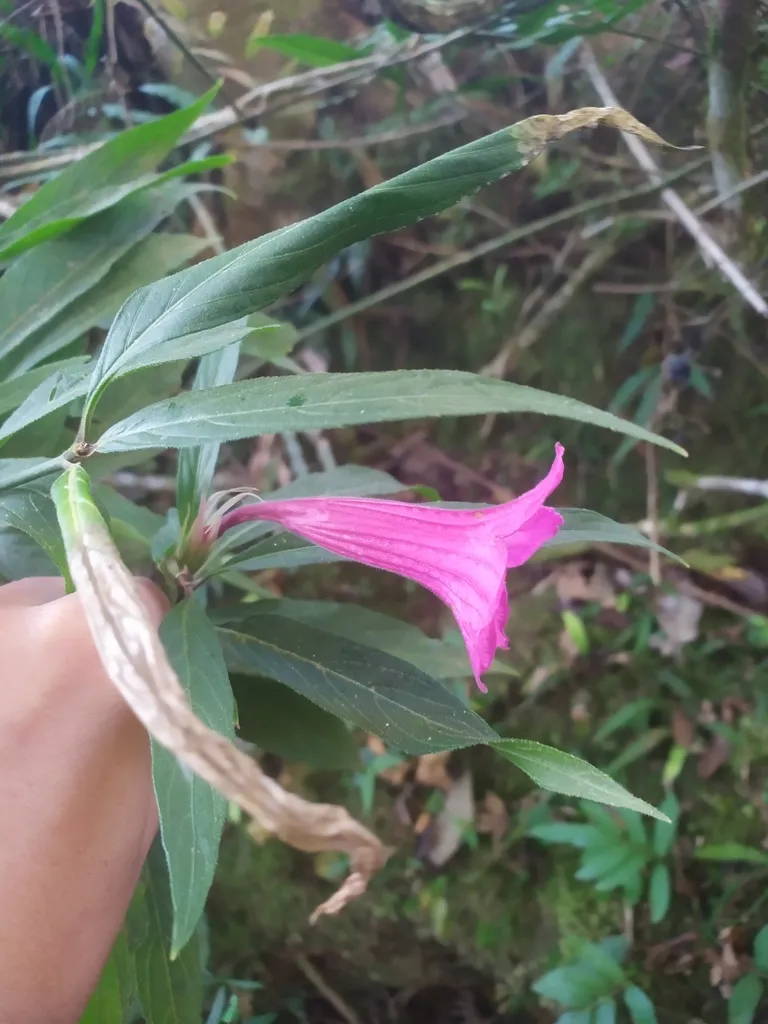
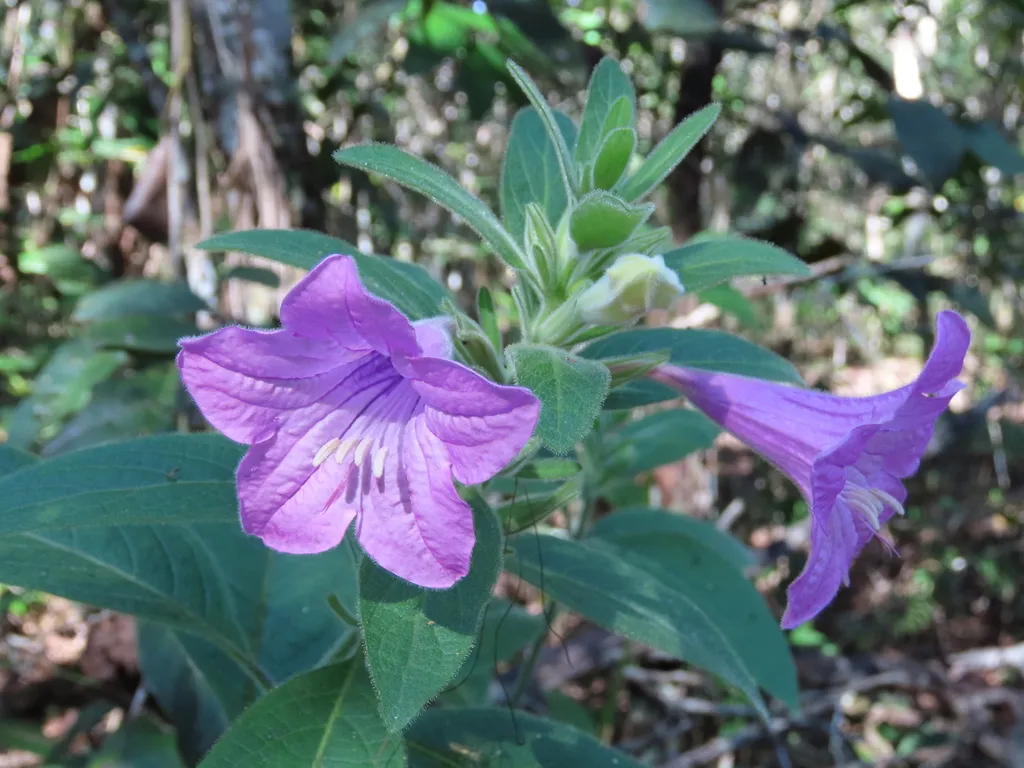
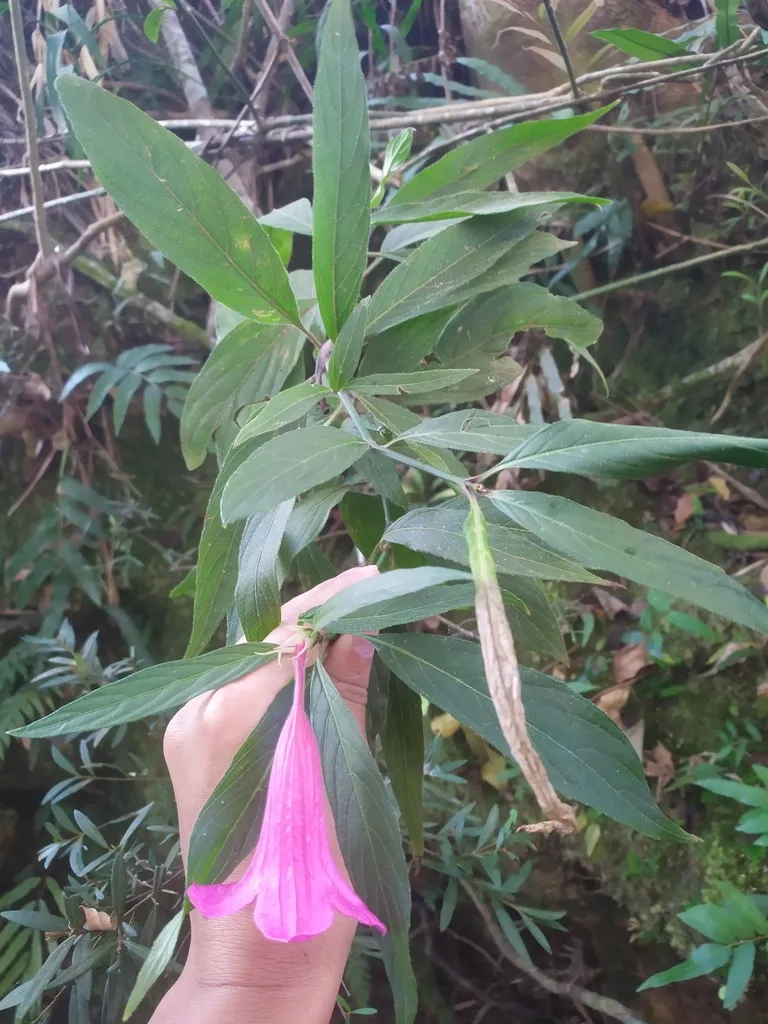
R. macrantha is an erect, soft-stemmed subshrub, with softly hairy, matt, dark green leaves to 15cm long. The funnel-shaped rich, purplish-pink flowers to 8cm long are produced singly from the leaf axils in autumn to winter
Scientific classification
- Species
- Christmas pride (Ruellia macrantha)
- Genus
- Ruellia
- Family
- Acanthaceae
- Information to be completed
- Toxicity
- Conservatory Greenhouse
- Plant type
- 1-1.5 metres
- Height
- 0.1-0.5 metres
- Spread
- Evergreen
- Foliage
- Bushy
- Habit
- Spring · Summer · Autumn · Winter
- Season of interest
- Full sun · Partial shade
- Sunlight
- Information to be completed
- Ideal temperature









Christmas pride pictures
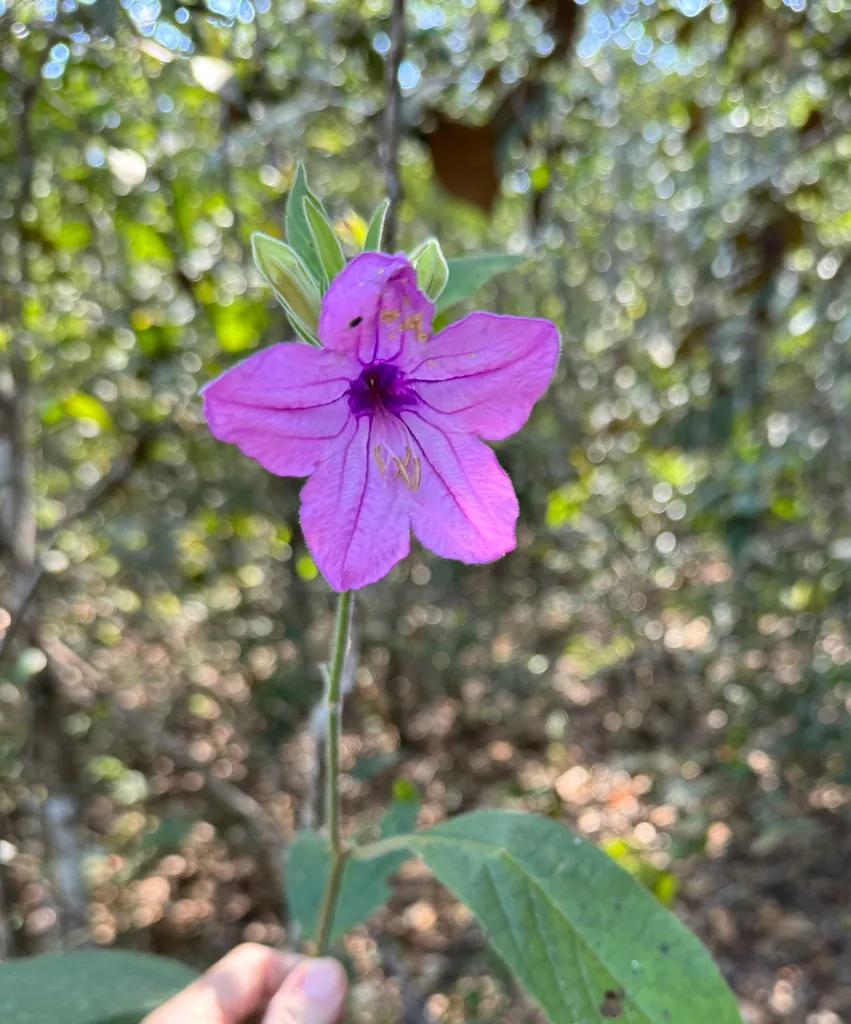
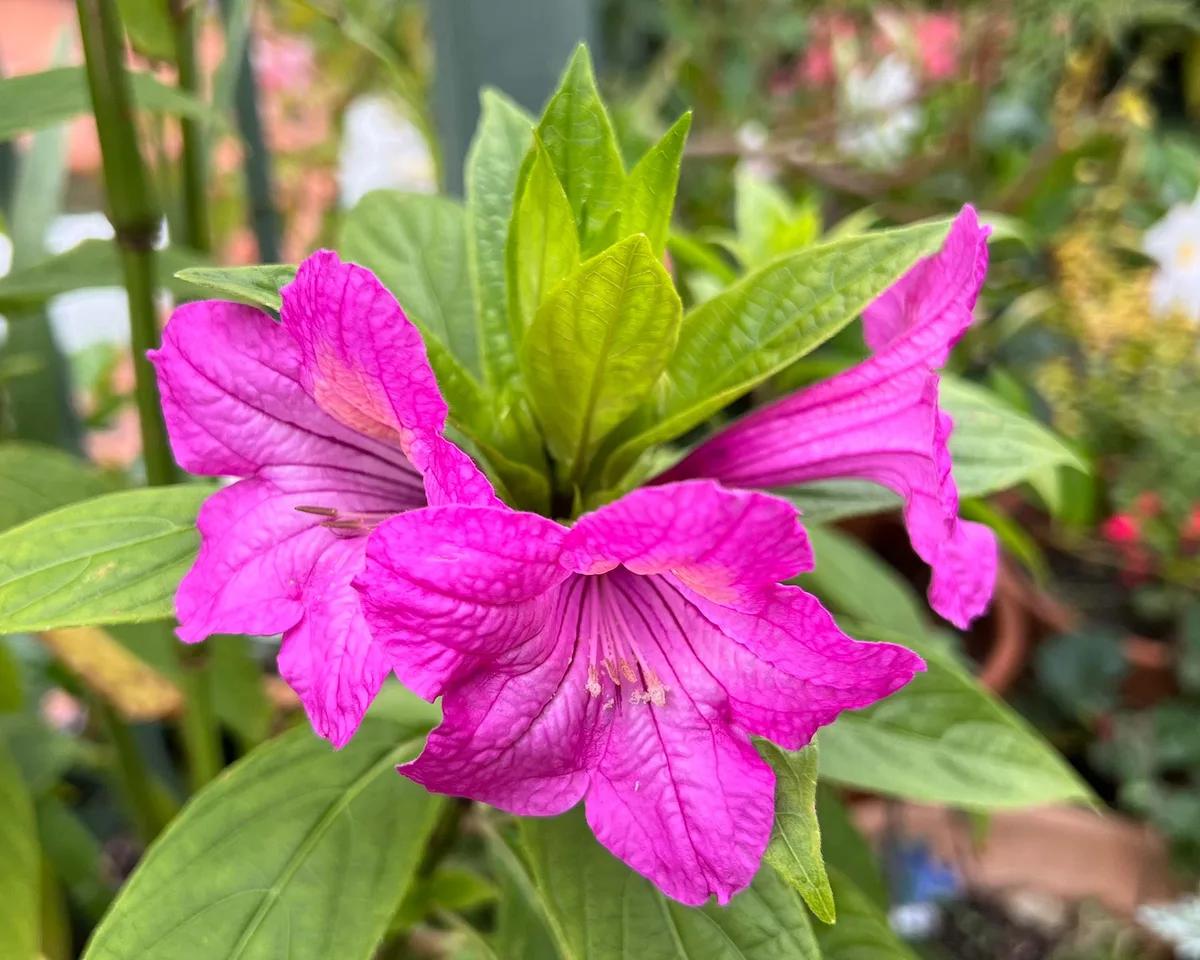
Distribution of Christmas pride
Distribution map
Brazil
Information to be completed
Culture
Information to be completed
Toxicity
Information to be completed
Quick identification of Christmas pride
Information to be completed
Christmas pride care guide
- Moderate regular watering, avoid prolonged drought and stagnant waterlogging
- Watering
- Full sun · Partial shade
- Sunlight
- Information to be completed
- Ideal temperature

Watering
Moderate regular watering, avoid prolonged drought and stagnant waterlogging
Fertilizing
 Fertilizing
Balanced perennial feed every four weeks spring through summer growth
Pruning
 Pruning
Shorten flowered shoots to about 1.5–2.5 cm from the previous year's growth. If flowering is on last year's growth, prune after flowering; if on current-year growth, prune the following early to mid-spring.
Propagation
 Propagation
Propagate by seed; sow seeds at 19-24°C in spring. Take softwood cuttings in spring or early summer
Growing
 Growing
Under glass grow in containers using loamless potting media (such as multipurpose compost) in bright filtered light with high humidity. Water freely during the growing season and apply balanced liquid fertilizer monthly. Water moderately in winter. Keep at minimum 12°C
People also ask
Information to be completed
Common pests and diseases
Diseases
Generally trouble free
Pests
Generally trouble free
Explore the plant health library →




