
very little leaf lilac
Also known as: lilac 'Superba'
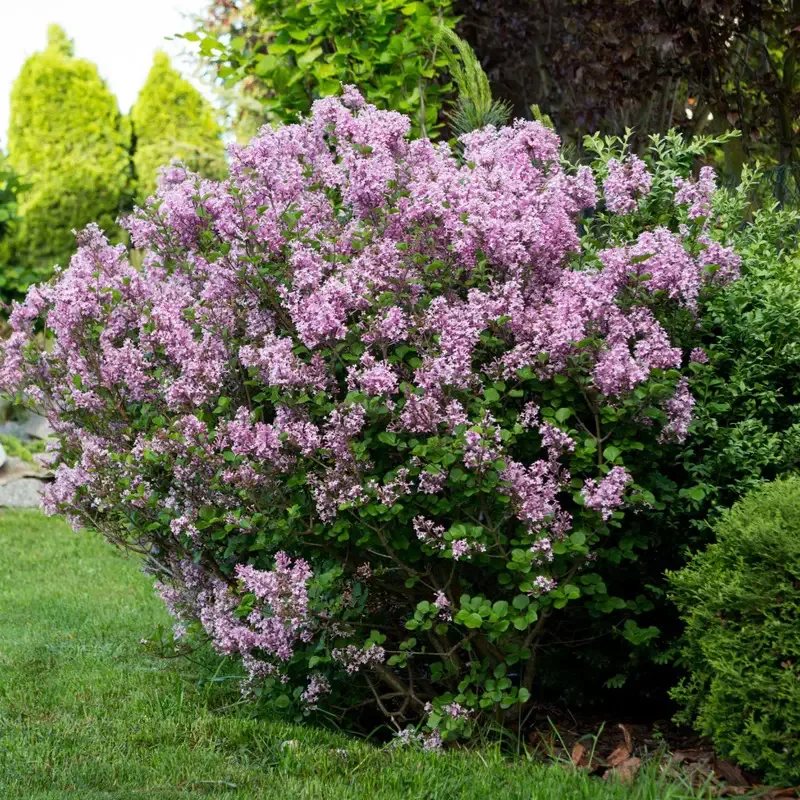
Superba' is a bushy, spreading medium-sized deciduous shrub with small, dark green, broadly-ovate leaves and fragrant, single, long-tubed, rosy-pink flowers in loose panicles
Scientific classification
- Species
- very little leaf lilac (Syringa pubescens subsp. microphylla 'Superba')
- Genus
- Syringa
- Family
- Oleaceae
- Information to be completed
- Toxicity
- Shrubs
- Plant type
- 1.5-2.5 metres
- Height
- 1.5-2.5 metres
- Spread
- Deciduous
- Foliage
- Bushy
- Habit
- Spring · Summer · Autumn
- Season of interest
- Full sun
- Sunlight
- Information to be completed
- Ideal temperature









very little leaf lilac pictures
Distribution of very little leaf lilac
Distribution map
Information to be completed
Information to be completed
Culture
Information to be completed
Toxicity
Information to be completed
Quick identification of very little leaf lilac
Information to be completed
very little leaf lilac care guide
- Moderate regular watering, deep soak only during prolonged hot spells
- Watering
- Full sun
- Sunlight
- Information to be completed
- Ideal temperature

Watering
Moderate regular watering, deep soak only during prolonged hot spells
Fertilizing
 Fertilizing
Balanced evergreen shrub feed applied once per early spring yearly
Pruning
 Pruning
Little pruning is needed. Remove diseased, damaged, crowded or crossing shoots and unwanted growth. Timing depends on the plant: generally late winter or early spring; plants prone to bleeding and deciduous magnolias need different timing, and deciduous azaleas and lilacs are pruned after flowering.
Propagation
 Propagation
Propagate by softwood cuttings or layering in early summer. Grafting can be done in winter and chip budding in summer
Growing
 Growing
Easy to grow in most well-drained, fertile, humus-rich alkaline to neutral soils. Thrives in chalky ground and appreciates mulching when planted in full sun
People also ask
Information to be completed
Common pests and diseases
Diseases
May be susceptible to lilac blight, honey fungus, phytophthora, powdery mildews and bacterial canker (Pseudomonas Syringae)
Pests
May be susceptible to lilac leaf-mining moth, willow scale and thrips
Explore the plant health library →




