
old man of the Andes
Also known as: Information to be completed
Clump-forming perennial cactus, eventually to 3m tall, with upright stems branching from the base, each with warty ribs. Grey-woolly areoles have white hairs and yellow to reddish-brown spines and single, pale purplish-pink flowers to 9cm long, brownish-red outside, are borne in summer
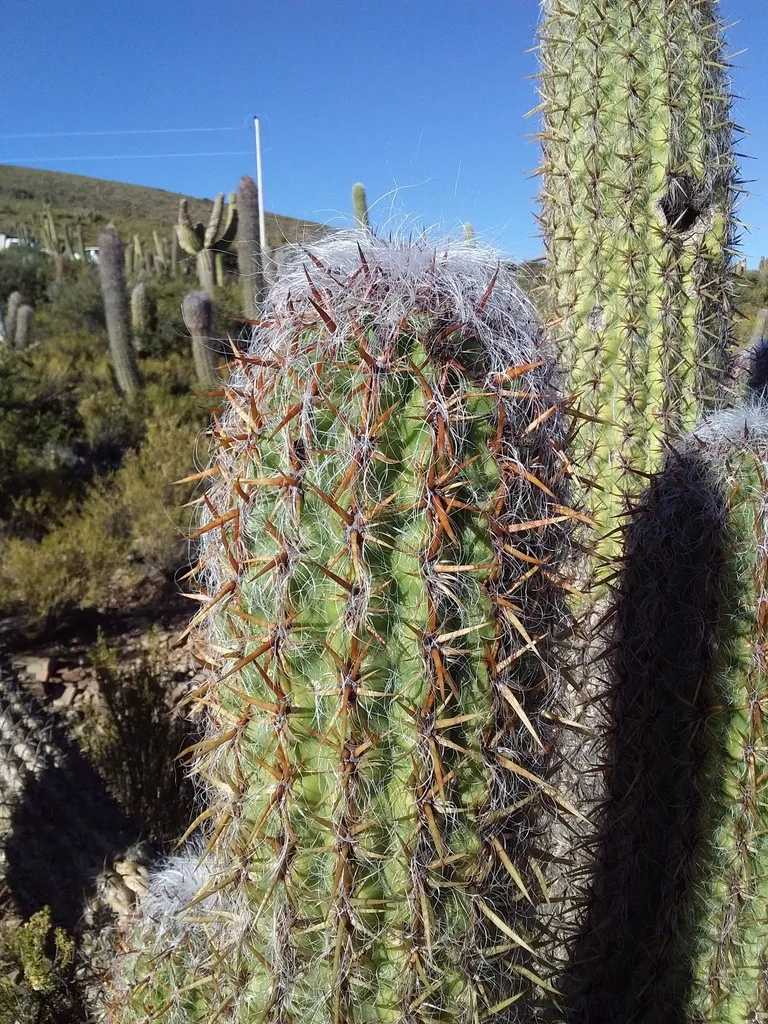
Scientific classification
- Species
- old man of the Andes (Oreocereus celsianus)
- Genus
- Oreocereus
- Family
- Cactaceae
- Information to be completed
- Toxicity
- Cactus Succulent
- Plant type
- 2.5-4 metres
- Height
- 0.5-1 metres
- Spread
- Evergreen
- Foliage
- Columnar upright
- Habit
- Spring · Summer · Autumn · Winter
- Season of interest
- Full sun
- Sunlight
- Information to be completed
- Ideal temperature









old man of the Andes pictures
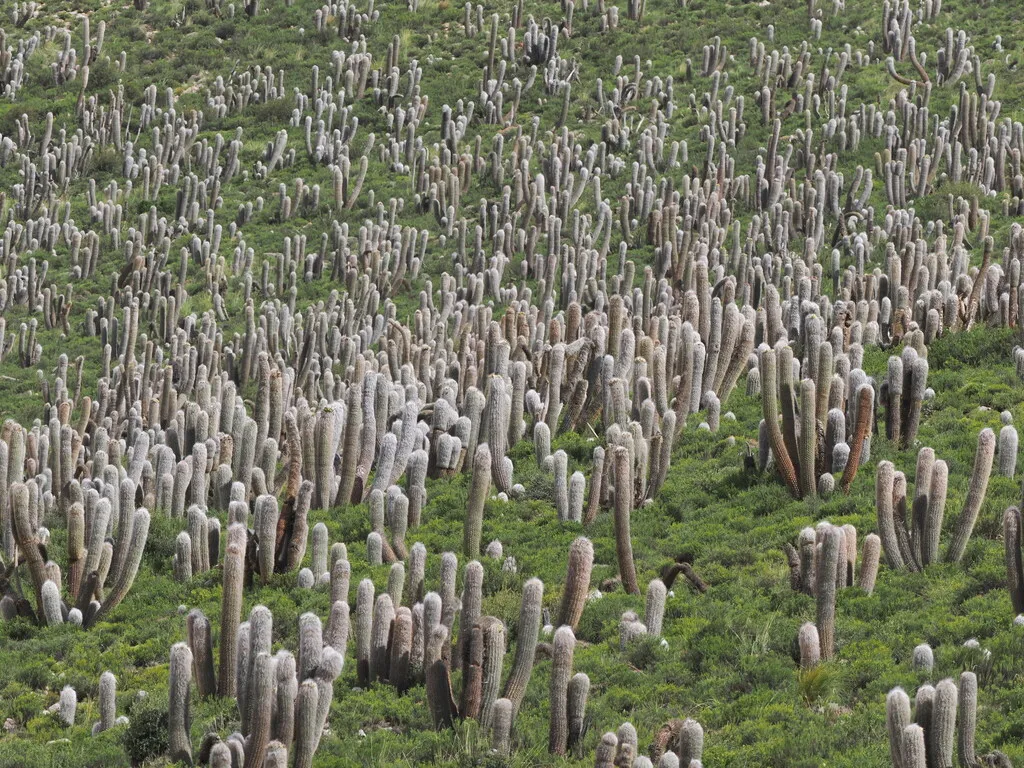
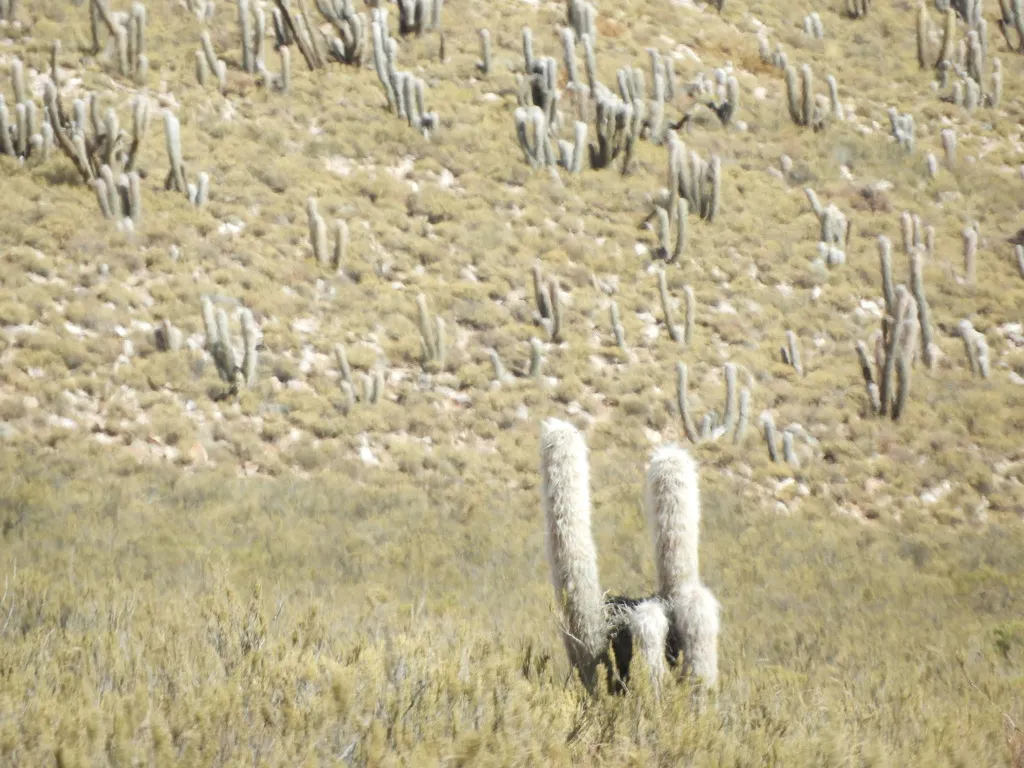
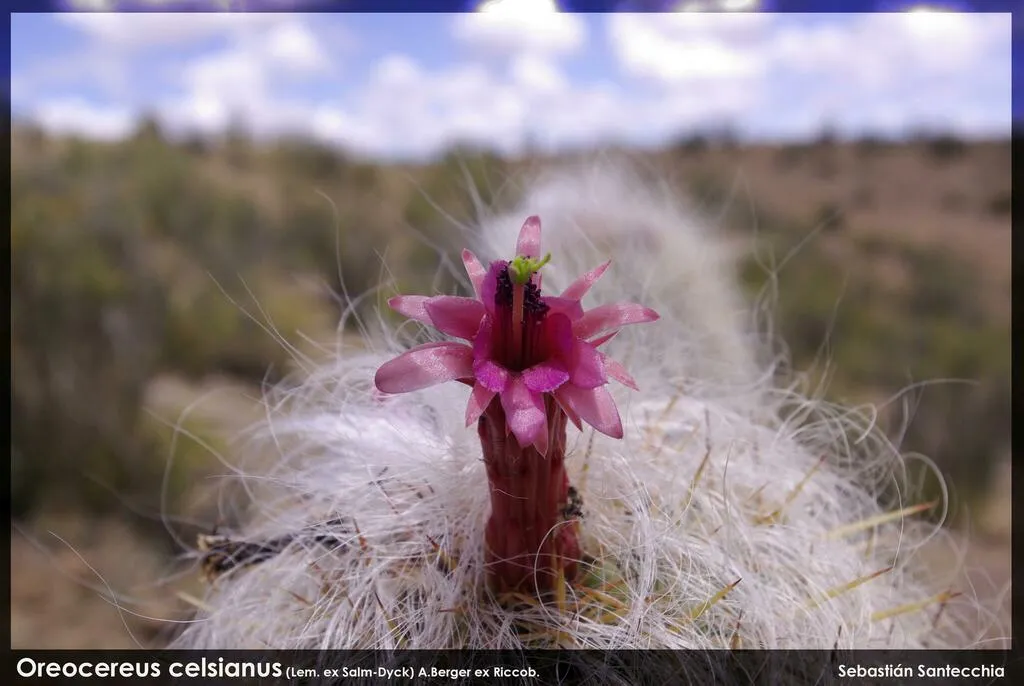
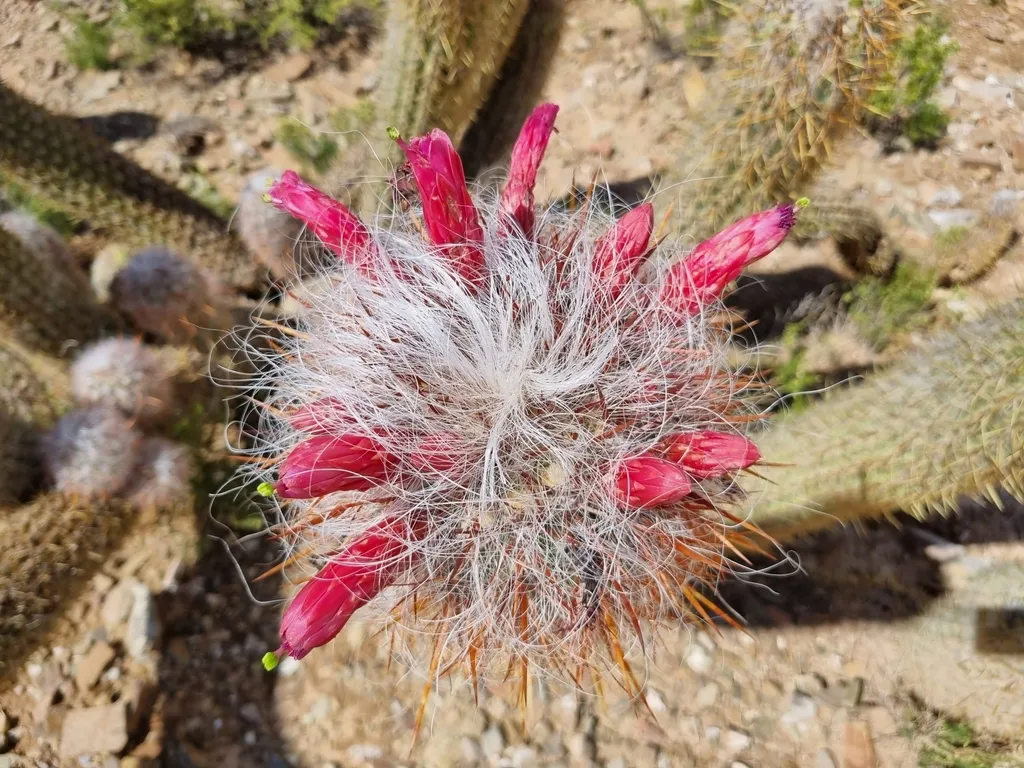
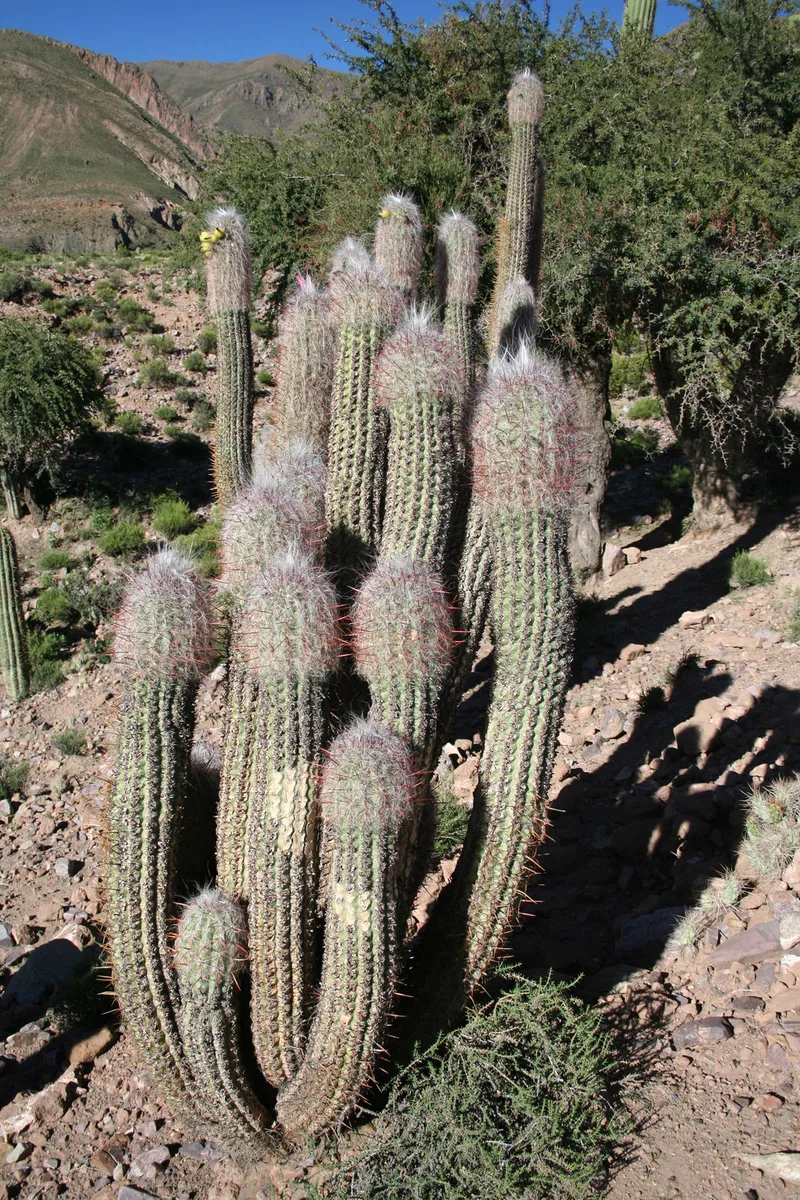
Distribution of old man of the Andes
Distribution map
- Native
- Introduced
- Cultivated
Source:WCVP v16 · Royal Botanic Gardens, Kew · CC BY 3.0 · Boundaries:WGSRPD / TDWG
Culture
Information to be completed
Toxicity
Information to be completed
Quick identification of old man of the Andes
Information to be completed
old man of the Andes care guide
- Moderate regular watering, allowing brief slight drying between soakings
- Watering
- Full sun
- Sunlight
- Information to be completed
- Ideal temperature

Watering
Moderate regular watering, allowing brief slight drying between soakings
Fertilizing
 Fertilizing
Balanced perennial feed every four weeks from spring through summer
Pruning
 Pruning
No pruning required
Propagation
 Propagation
Propagate by seed at 21°C in spring or summer
Growing
 Growing
Under glass grow in cactus compost in a well-lit position; water regularly from spring to summer to keep the compost just moist, and apply a liquid fertiliser monthly. Keep dry at other times. For more information see houseplant cacti and succulents cultivation
People also ask
Information to be completed
Common pests and diseases
Diseases
Generally disease-free
Pests
May be susceptible to scale insects
Explore the plant health library →




