
annual stinging nettle
Also known as: small nettle
A bushy, upright annual to 75cm, with distinctly toothed leaves and clusters of small, greenish white flowers in summer. Leaves are covered in tiny hairs that can irritate the skin, though young leaves are edible when cooked.
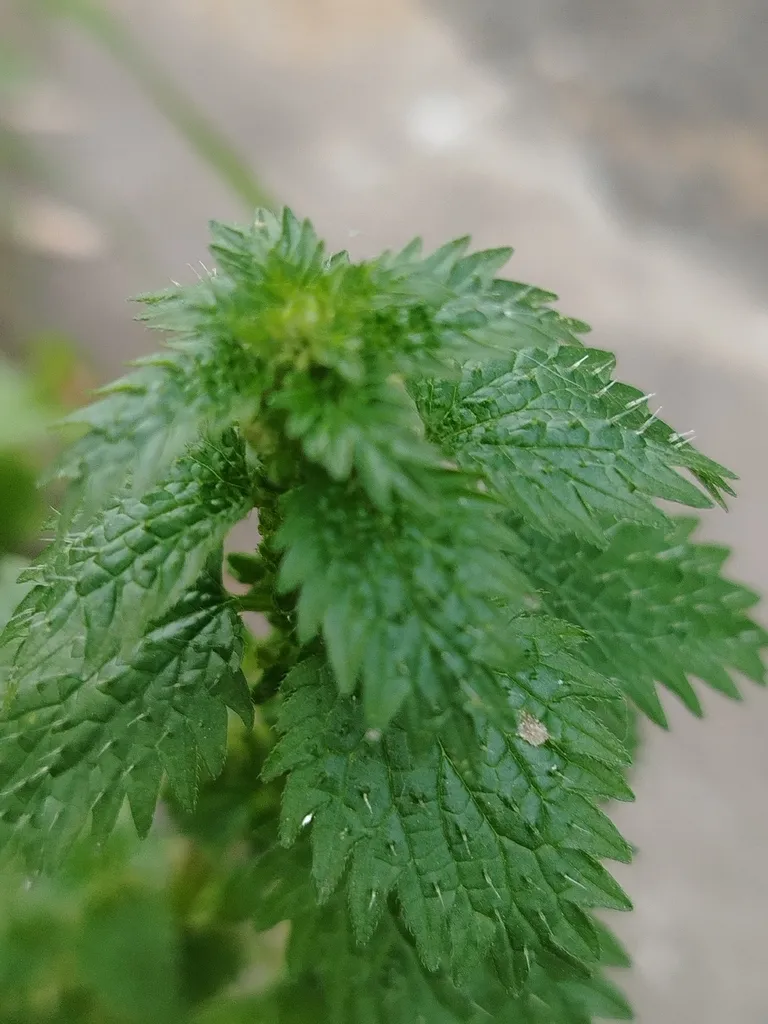
Scientific classification
- Species
- annual stinging nettle (Urtica urens)
- Genus
- Urtica
- Family
- Urticaceae
- Order
- Rosales
- Class
- Magnoliopsida
- Phylum
- Magnoliophyta
- Skin irritant. Wear gloves and other protective equipment when handling
- Toxicity
- Annual Biennial
- Plant type
- 0.5-1 metres
- Height
- 0.1-0.5 metres
- Spread
- Deciduous
- Foliage
- Clump forming
- Habit
- Spring · Summer · Autumn
- Season of interest
- Full sun · Partial shade
- Sunlight
- Information to be completed
- Ideal temperature









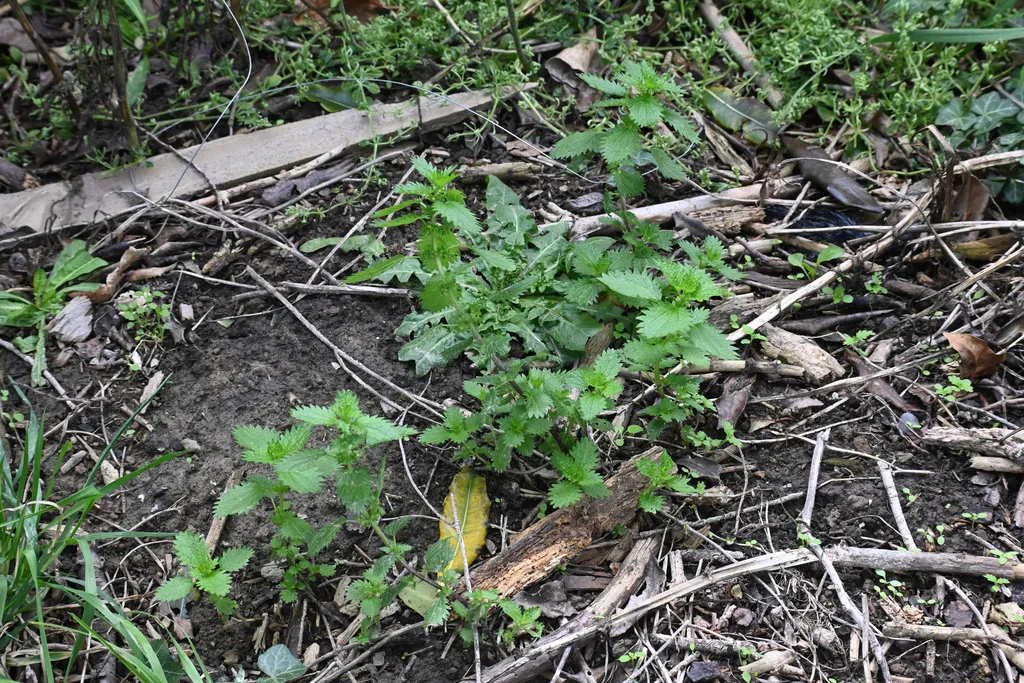
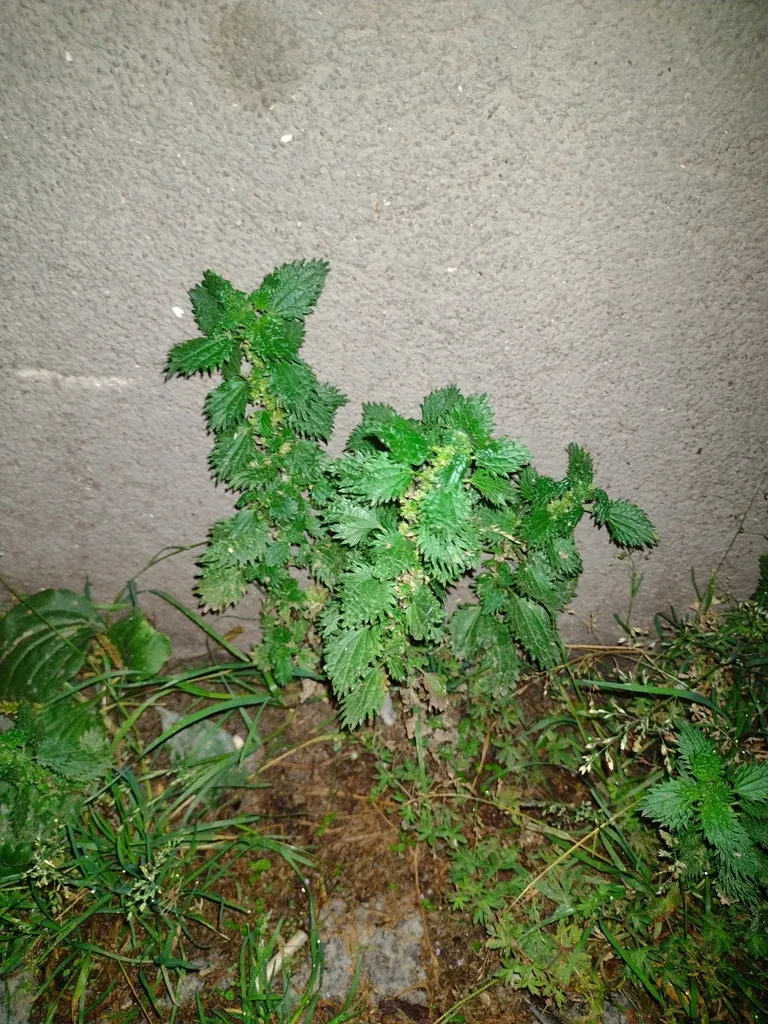
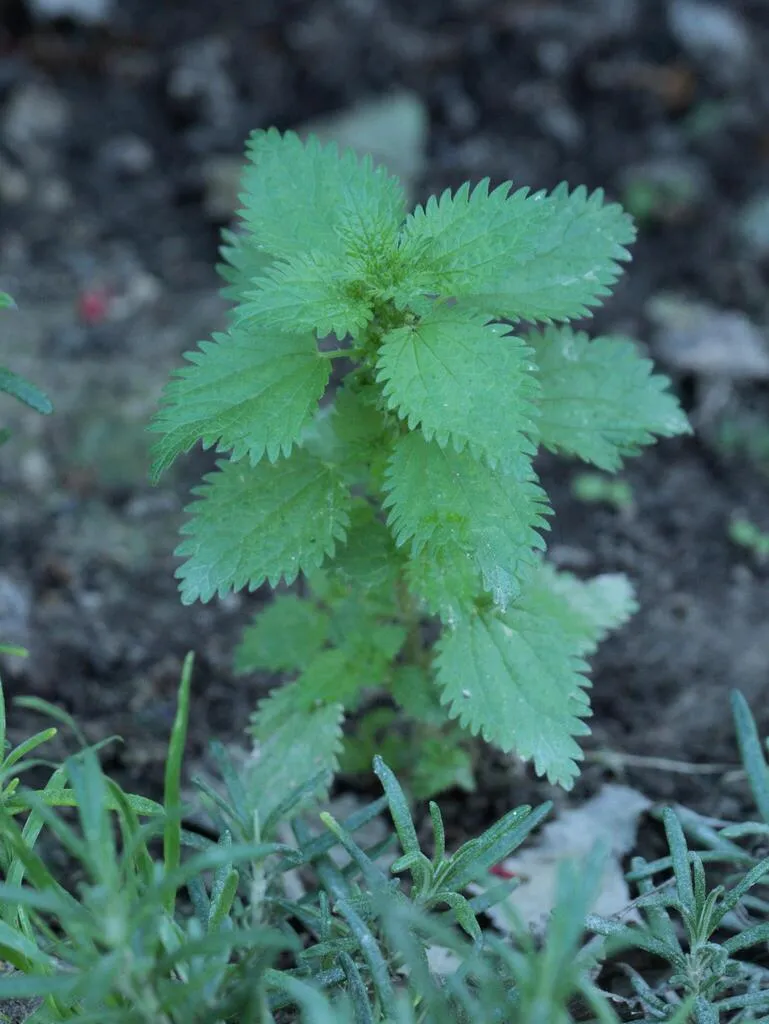
annual stinging nettle pictures
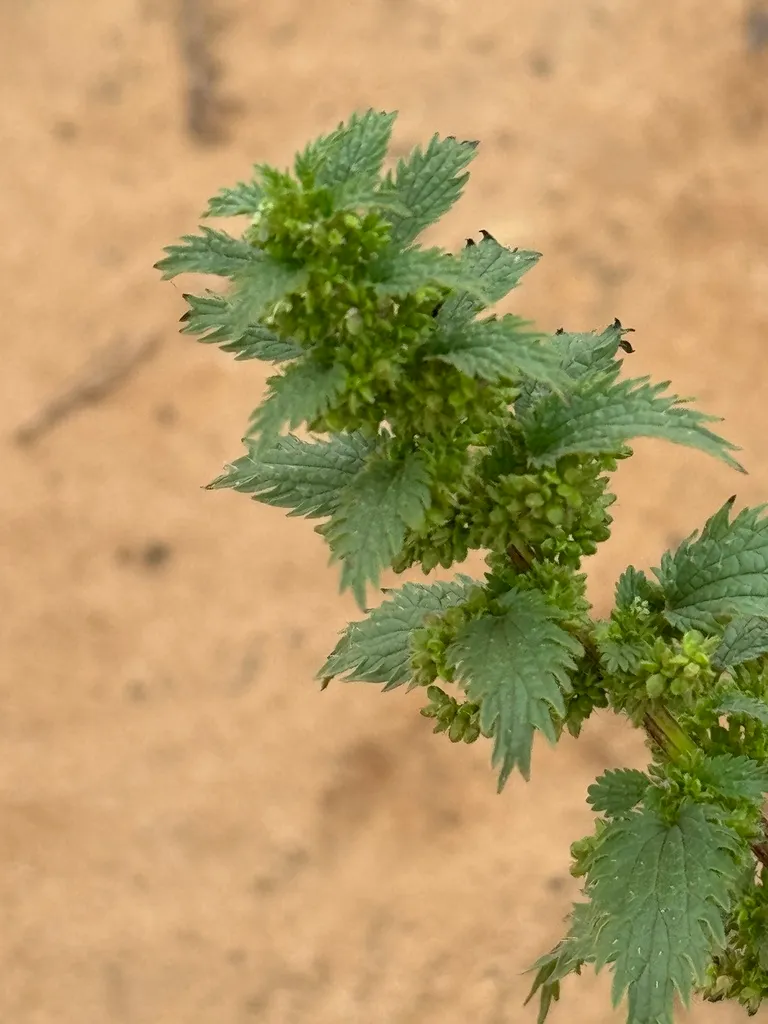
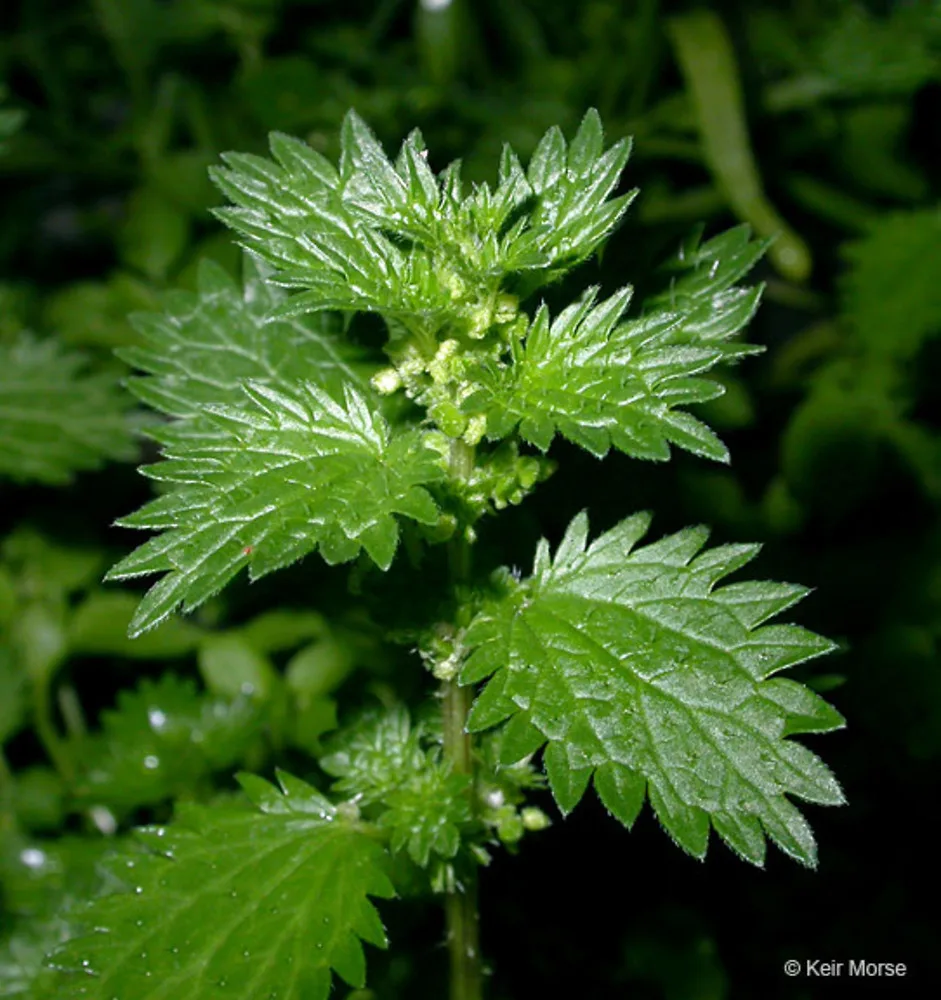
Distribution of annual stinging nettle
Distribution map
- Native
- Introduced
- Cultivated
Source:WCVP v16 · Royal Botanic Gardens, Kew · CC BY 3.0 · Boundaries:WGSRPD / TDWG
Toxicity
Skin irritant. Wear gloves and other protective equipment when handling
annual stinging nettle care guide
- Moderate regular watering, avoid prolonged drought and stagnant waterlogging
- Watering
- Full sun · Partial shade
- Sunlight

Watering
Moderate regular watering, avoid prolonged drought and stagnant waterlogging
Fertilizing
 Fertilizing
Balanced perennial feed every four weeks spring through summer growth
Pruning
 Pruning
Cut back after flowering to avoid self-seeding
Propagation
 Propagation
Propagate by seed
Growing
 Growing
Grows best in full sun, in nitrogen-rich soil. Self-seeds freely and can be difficult to control or eradicate but an important source of food for caterpillars and butterflies. See controlling nettles for further advice
Common pests and diseases
Diseases
May be susceptible to some fungal and virus diseases
Pests
Generally pest-free
Explore the plant health library →




