
wavy bittercress
Also known as: Information to be completed
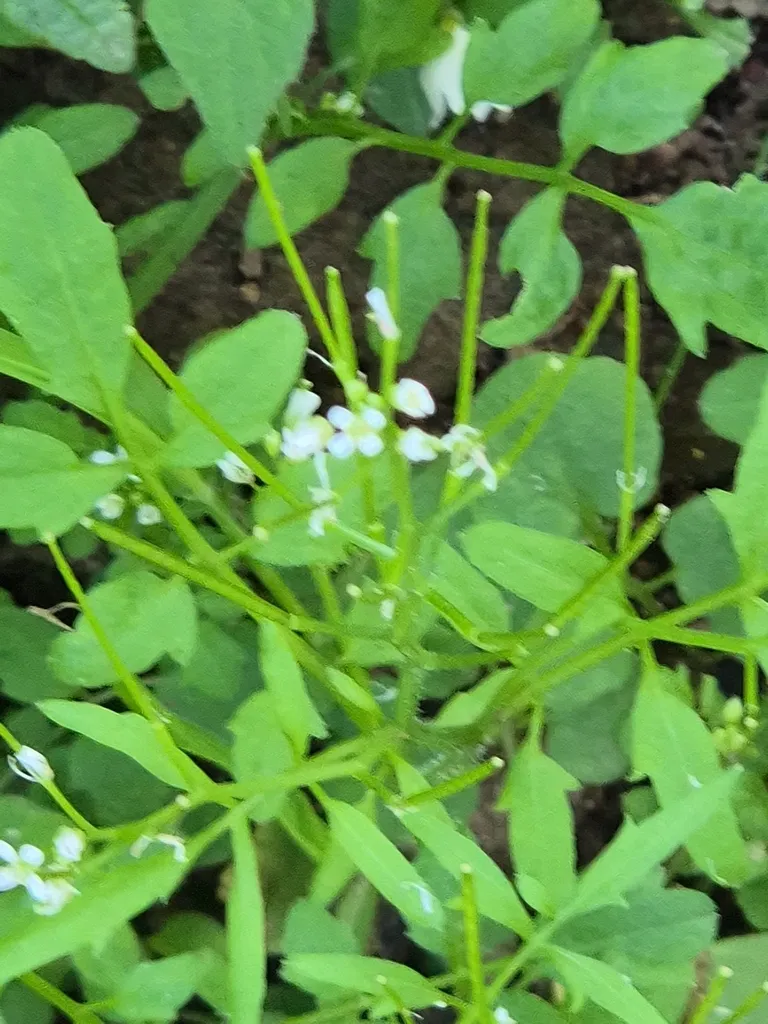
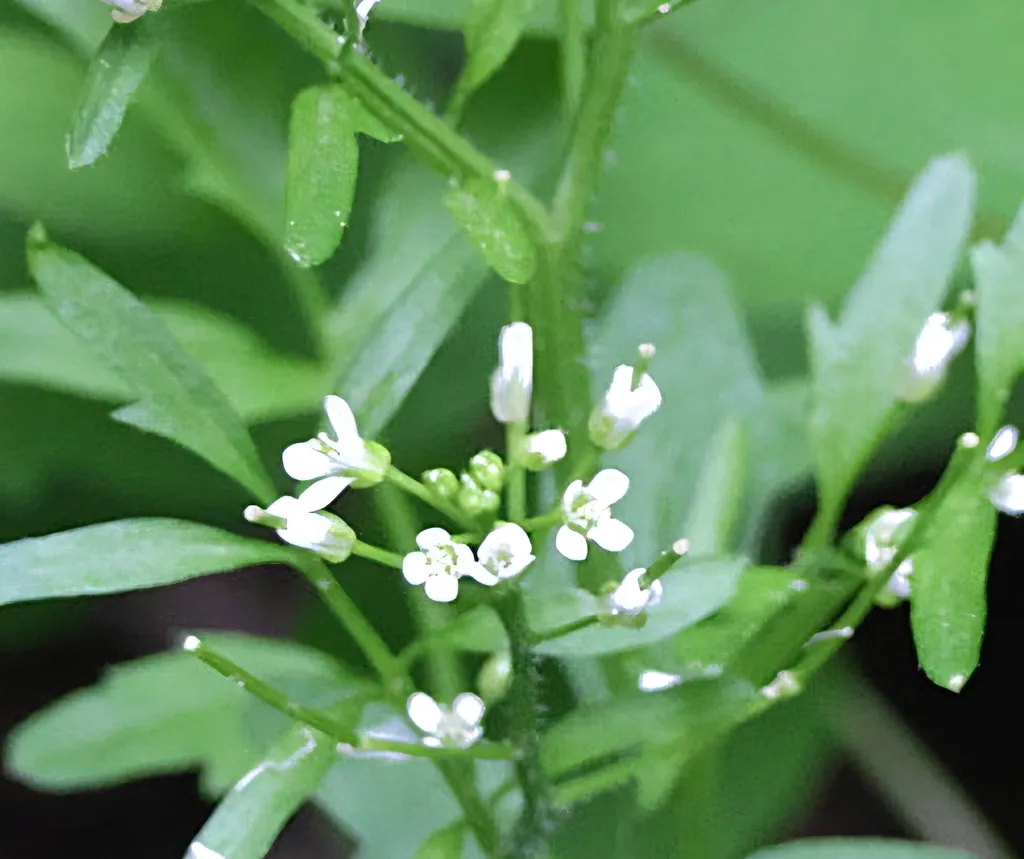
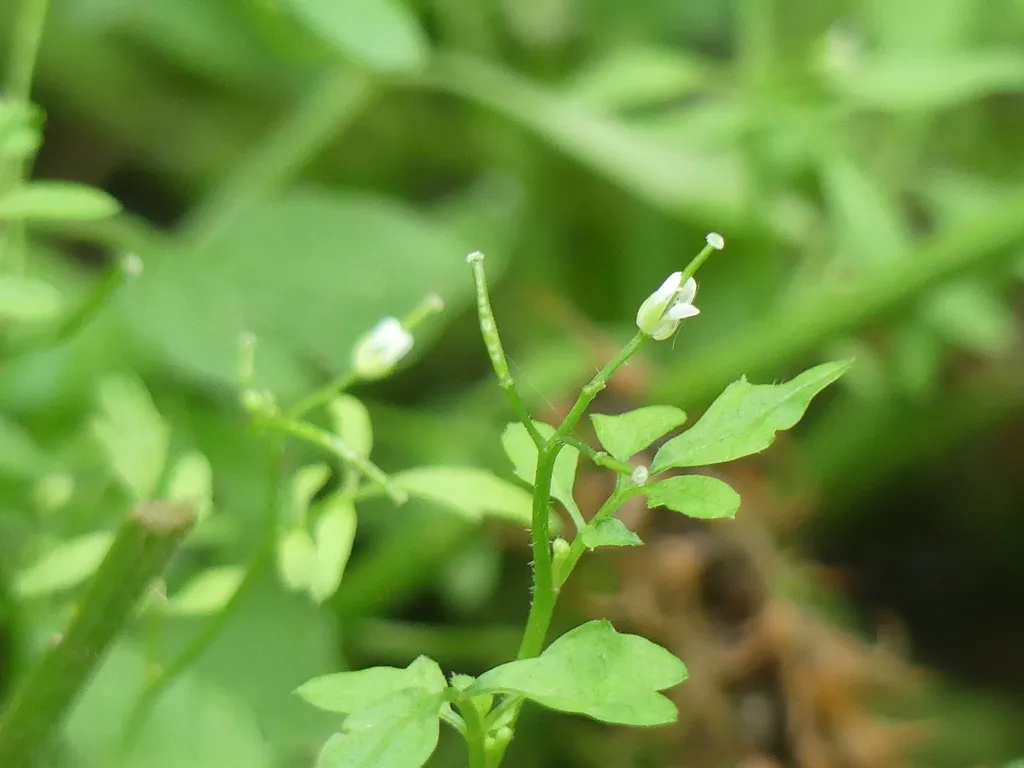
A fast-growing annual or biennial, with pinnate leaves and small white flowers on wavy stems. It is often found in damp shady spots where it can grow up to 50cm high, though it is usually shorter in garden environments.
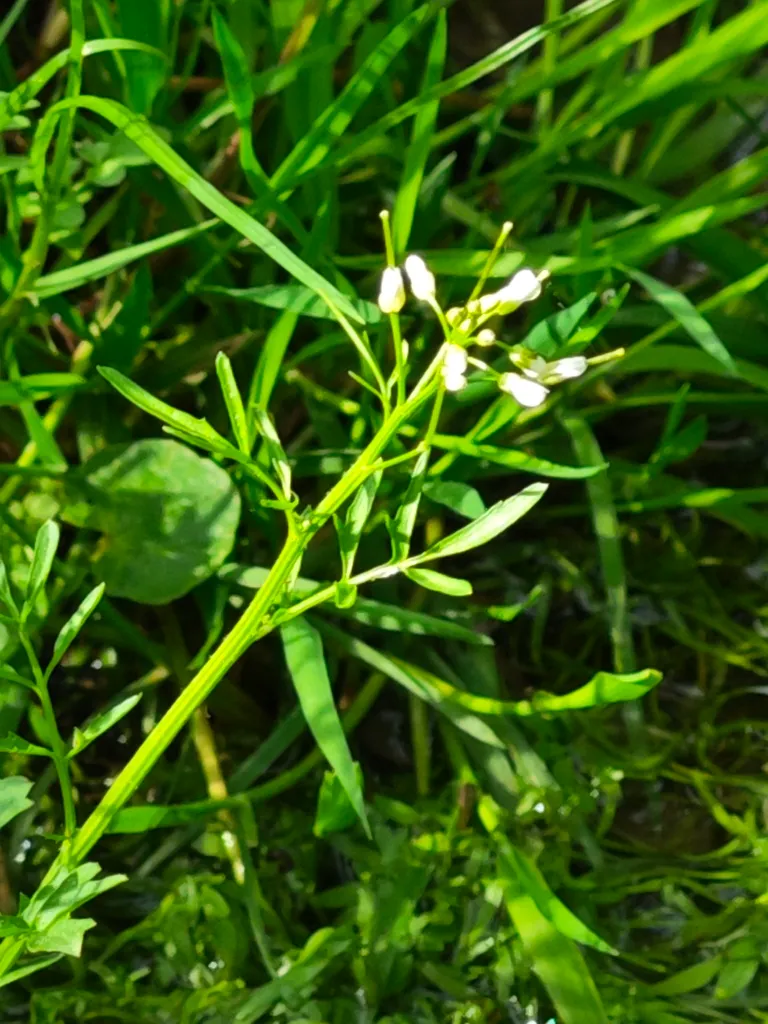
Scientific classification
- Species
- wavy bittercress (Cardamine flexuosa)
- Genus
- Cardamine
- Family
- Brassicaceae
- Information to be completed
- Toxicity
- Annual Biennial
- Plant type
- 0.1-0.5 metres
- Height
- 0.1-0.5 metres
- Spread
- Deciduous
- Foliage
- Clump forming
- Habit
- Spring · Summer · Autumn
- Season of interest
- Partial shade · Full sun
- Sunlight
- Information to be completed
- Ideal temperature









wavy bittercress pictures
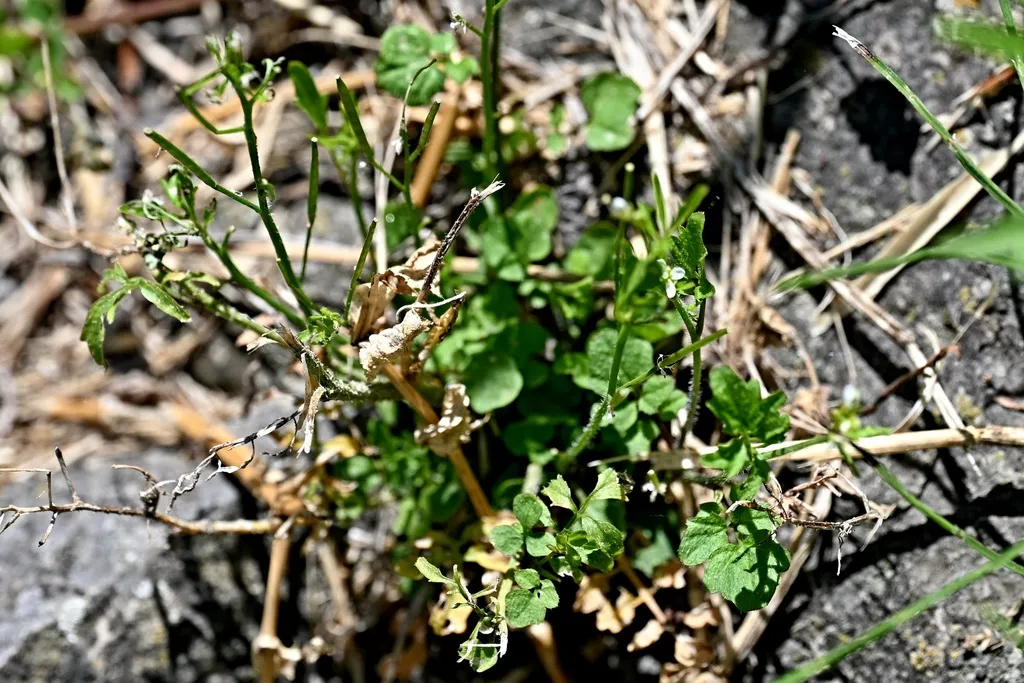
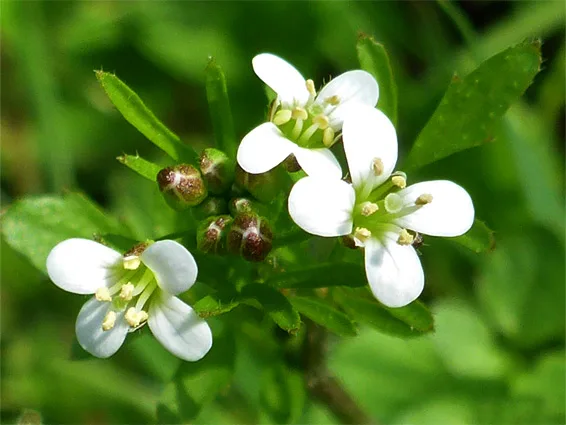
Distribution of wavy bittercress
Distribution map
- Native
- Introduced
- Cultivated
Source:WCVP v16 · Royal Botanic Gardens, Kew · CC BY 3.0 · Boundaries:WGSRPD / TDWG
Culture
Information to be completed
Toxicity
Information to be completed
Quick identification of wavy bittercress
Information to be completed
wavy bittercress care guide
- Moderate regular watering, allowing brief slight drying between soakings
- Watering
- Partial shade · Full sun
- Sunlight
- Information to be completed
- Ideal temperature

Watering
Moderate regular watering, allowing brief slight drying between soakings
Fertilizing
 Fertilizing
Balanced perennial feed every four weeks from spring through summer
Pruning
 Pruning
Remove before seeding to prevent spreading
Propagation
 Propagation
Propagates by seed produced prolifically through the growing season and dispersed explosively from seed pods. Seeds are sticky when wet and can be spread on shoes and clothing
Growing
 Growing
Grows best in moist, shady conditions, but will tolerate a range of positions and soil types. Spreads rapidly, generally considered a weed. See the advice page on bittercress for more details
People also ask
Information to be completed
Common pests and diseases
Diseases
May be susceptible to clubroot
Pests
Generally pest-free
Explore the plant health library →




