
sweet marjoram
Also known as: garden marjoram; knotted marjoram; organs; organy; pot marjoram
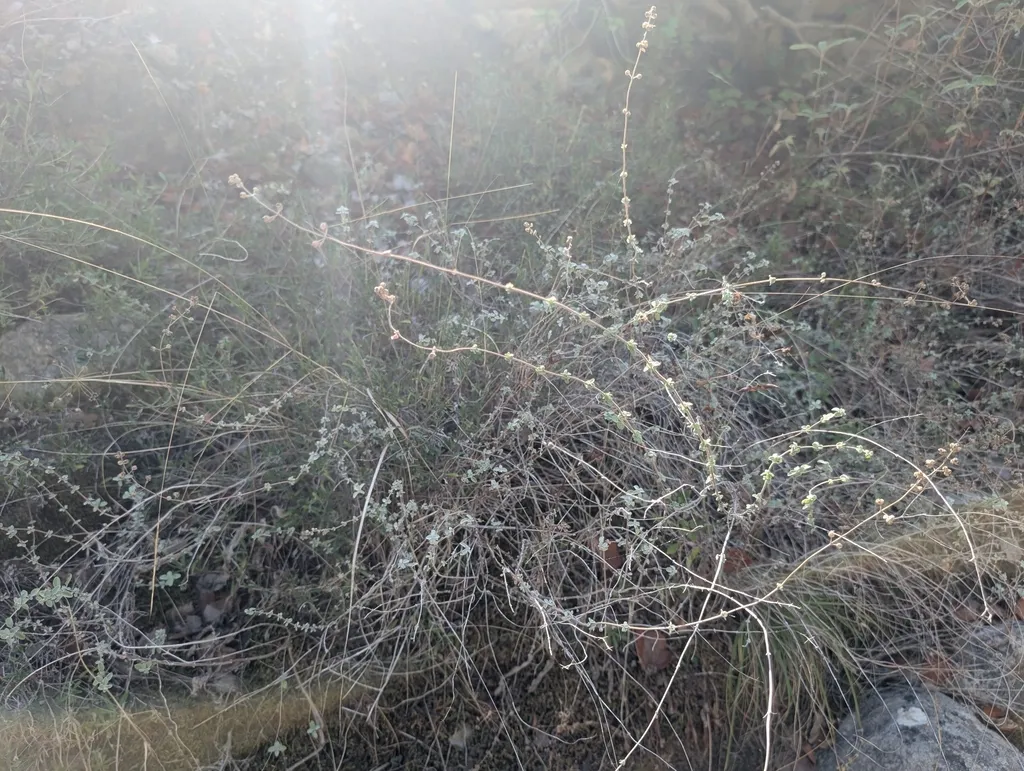
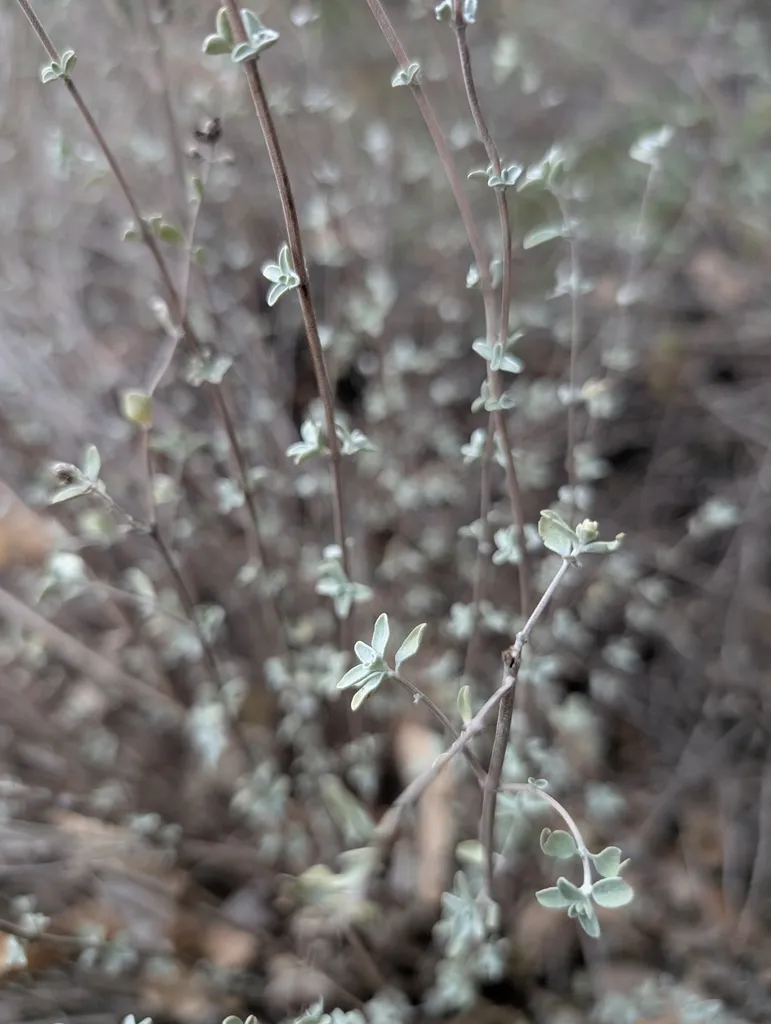
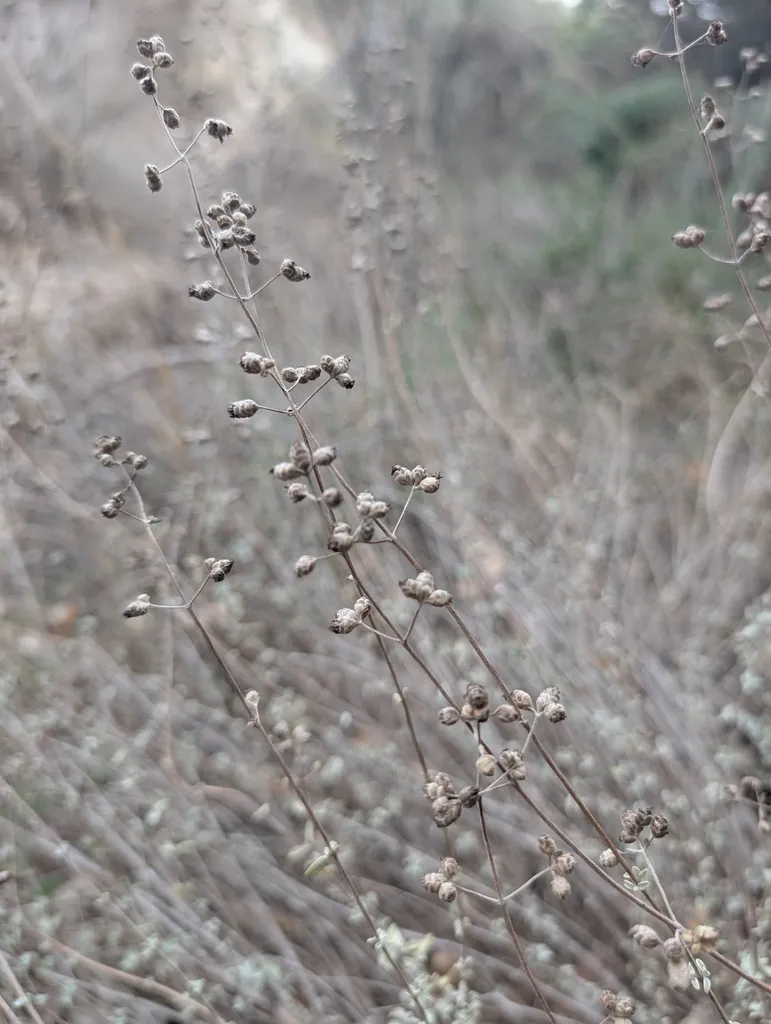
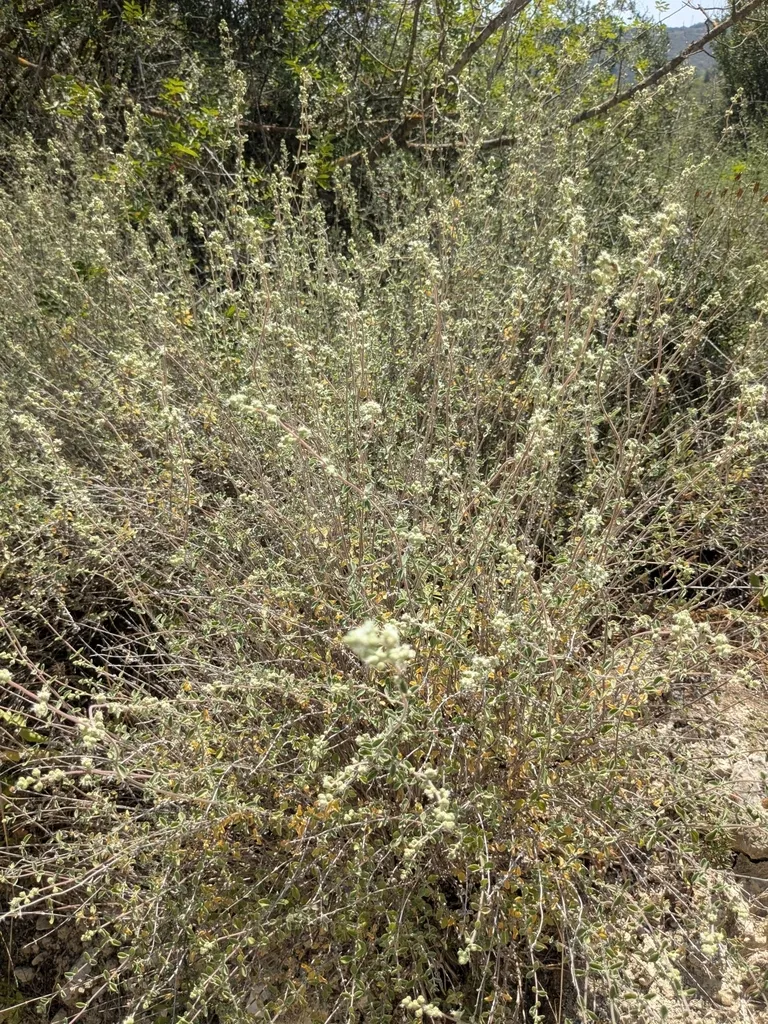
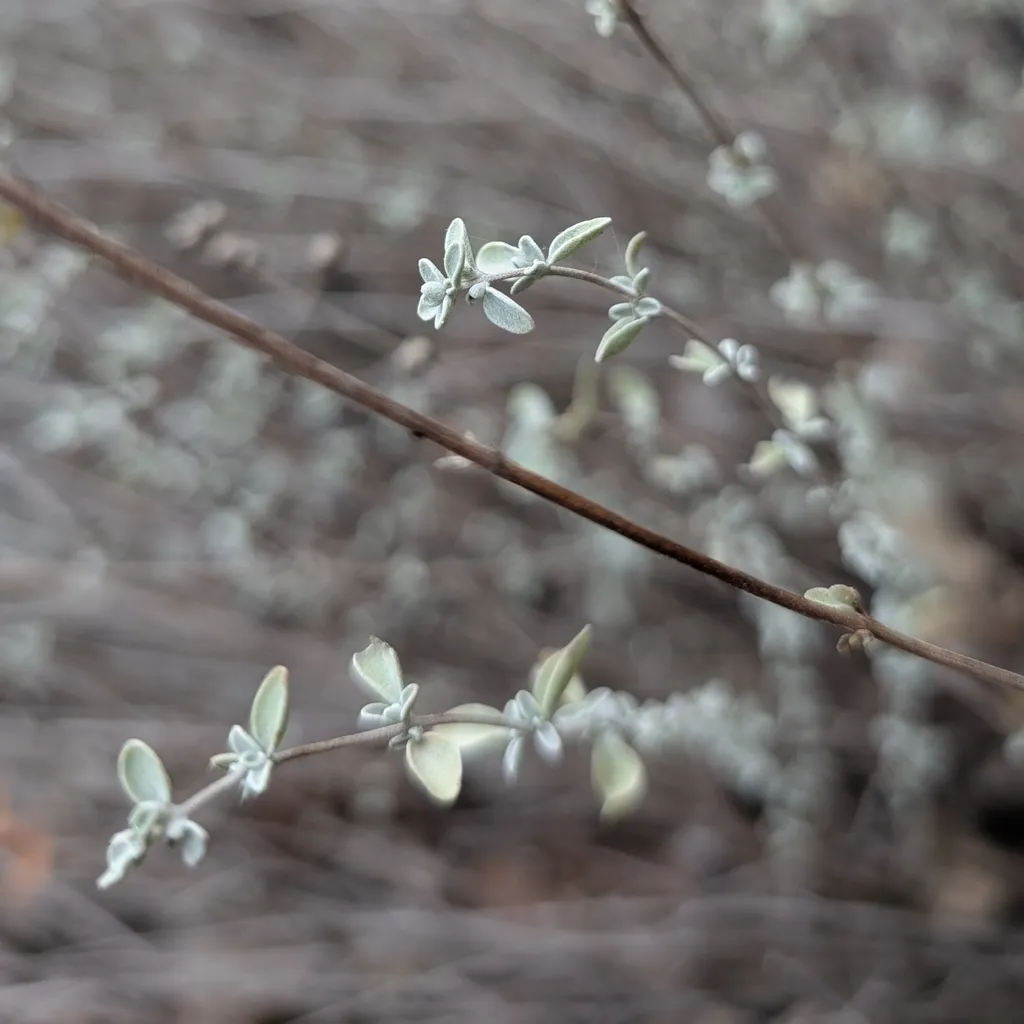
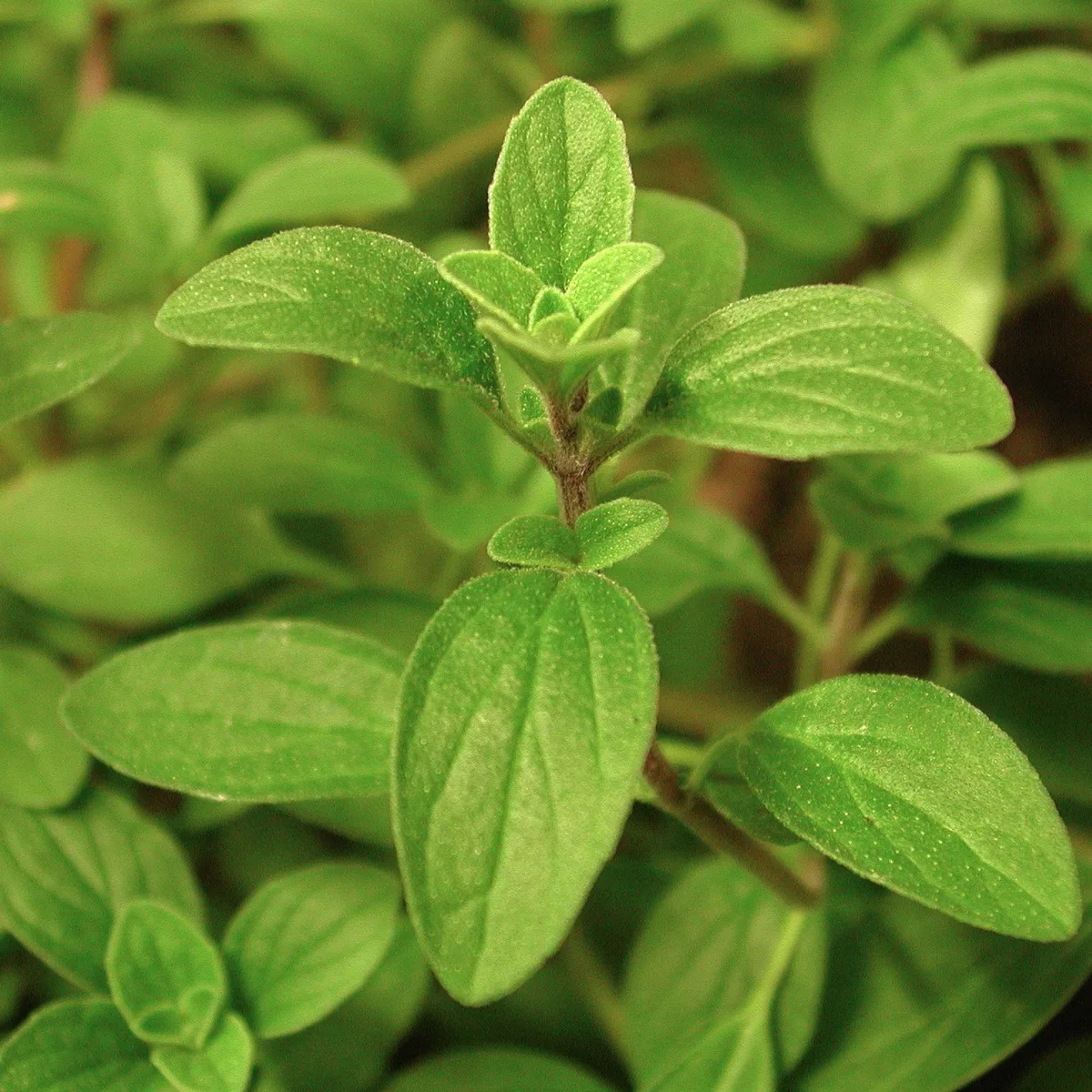
An upright, evergreen, half-hardy, perennial sub-shrub, 30-50cm tall, often grown as an annual or biennial; with aromatic, oval, softly hairy, edible grey-green leaves 1.5cm long and 1cm wide. Small, tubular flowers are held on wiry, somewhat feather-like stems in summer. White, pale pink or mauve flowers are popular with bees and other pollinators
Scientific classification
- Species
- sweet marjoram (Origanum majorana)
- Genus
- Origanum
- Family
- Lamiaceae
- Order
- Lamiales
- Class
- Magnoliopsida
- Phylum
- Magnoliophyta
- Information to be completed
- Toxicity
- Herbs - Culinary · Shrubs · Herbaceous Perennial
- Plant type
- 0.5-1 metres
- Height
- 0.1-0.5 metres
- Spread
- Semi evergreen
- Foliage
- Bushy
- Habit
- Spring · Summer · Autumn · Winter
- Season of interest
- Full sun
- Sunlight
- Information to be completed
- Ideal temperature









sweet marjoram pictures
Distribution of sweet marjoram
Distribution map
- Native
- Introduced
- Cultivated
Source:WCVP v16 · Royal Botanic Gardens, Kew · CC BY 3.0 · Boundaries:WGSRPD / TDWG
sweet marjoram care guide
- Moderate regular watering, avoid prolonged drought or waterlogging
- Watering
- Full sun
- Sunlight

Watering
Moderate regular watering, avoid prolonged drought or waterlogging
Fertilizing
 Fertilizing
Balanced feed in spring and light repeat in growth season
Pruning
 Pruning
Cut back old flower stems in early spring
Propagation
 Propagation
Propagate by seed, or by division or basal softwood cuttings in spring
Growing
 Growing
Grow outdoors in moderately fertile to poor, well-drained soils in full sun, or indoors in a mix of equal parts loam, leaf mould and sharp sand. Protect from excessive winter wet. For more advice see marjoram cultivation
Common pests and diseases
Diseases
Generally disease-free
Pests
May be susceptible to aphids and red spider mite
Explore the plant health library →




