
giant chincherinchee
Also known as: Information to be completed
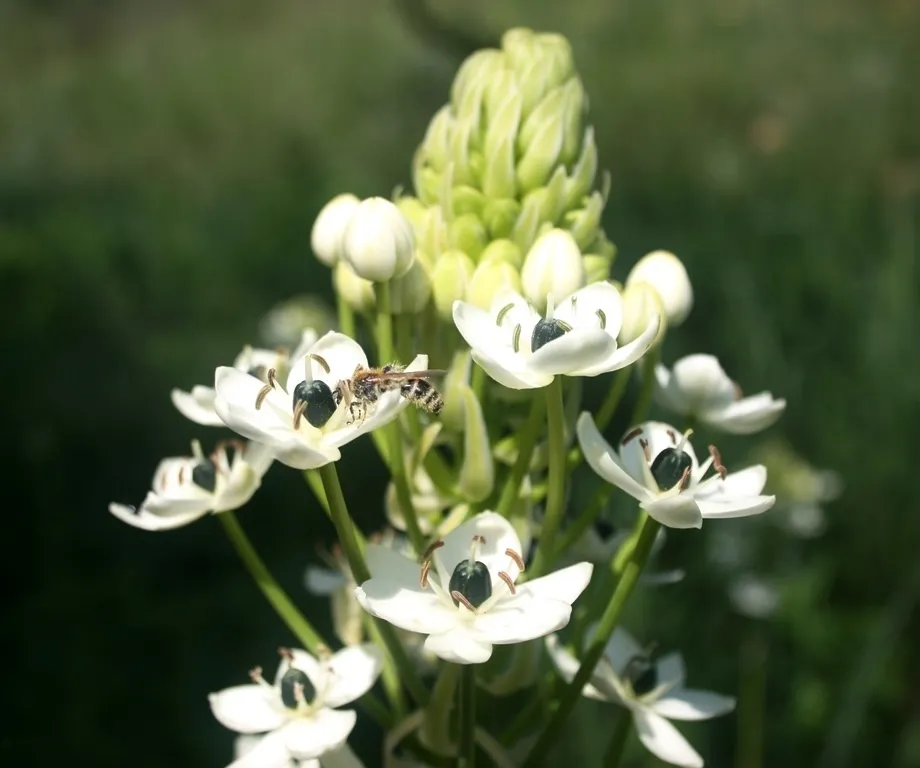
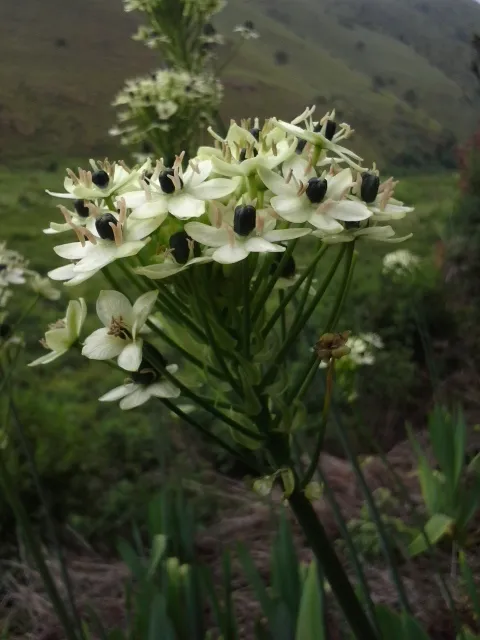
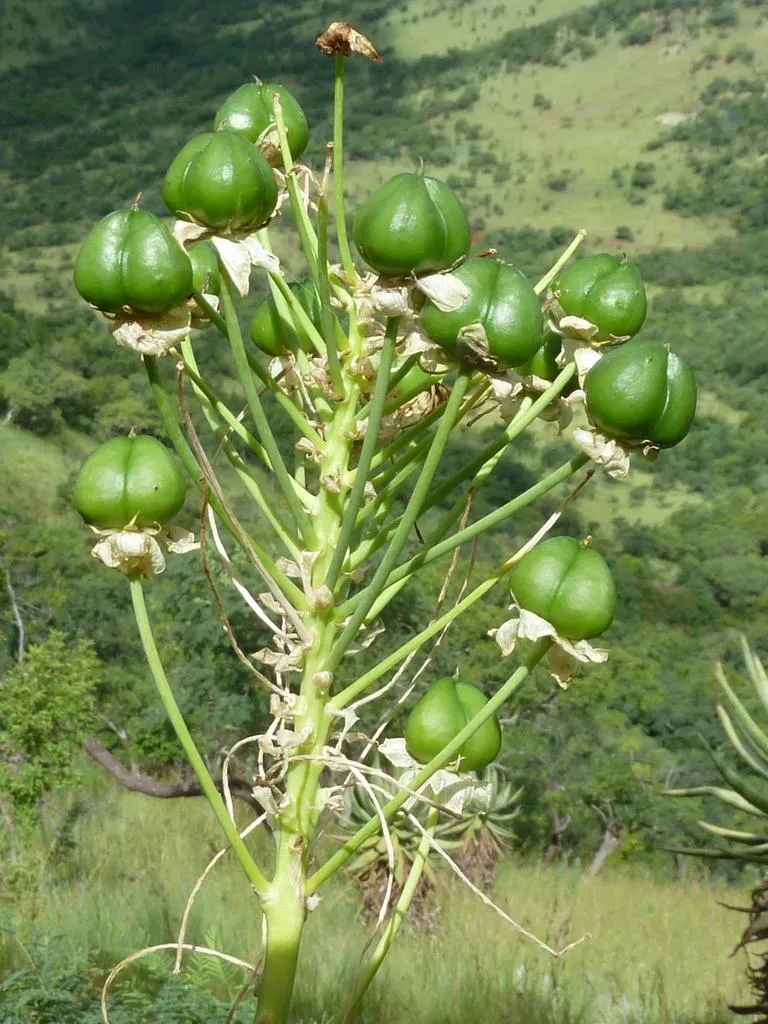
A tender, bulbous perennial with erect, strap-shaped, dark green leaves to 60cm long. In winter or spring it produces stems to 1m tall, bearing white flowers with prominent black ovaries; the flowers are good for cutting
Scientific classification
- Species
- giant chincherinchee (Ornithogalum saundersiae)
- Genus
- Ornithogalum
- Family
- Asparagaceae
- Order
- Asparagales
- Class
- Liliopsida
- Phylum
- Magnoliophyta
- Harmful if eaten. Wear gloves and other protective equipment when handling
- Toxicity
- Bulbs · Conservatory Greenhouse
- Plant type
- 0.5-1 metres
- Height
- 0.1-0.5 metres
- Spread
- Deciduous
- Foliage
- Columnar upright
- Habit
- Spring · Winter
- Season of interest
- Full sun
- Sunlight
- Information to be completed
- Ideal temperature









giant chincherinchee pictures
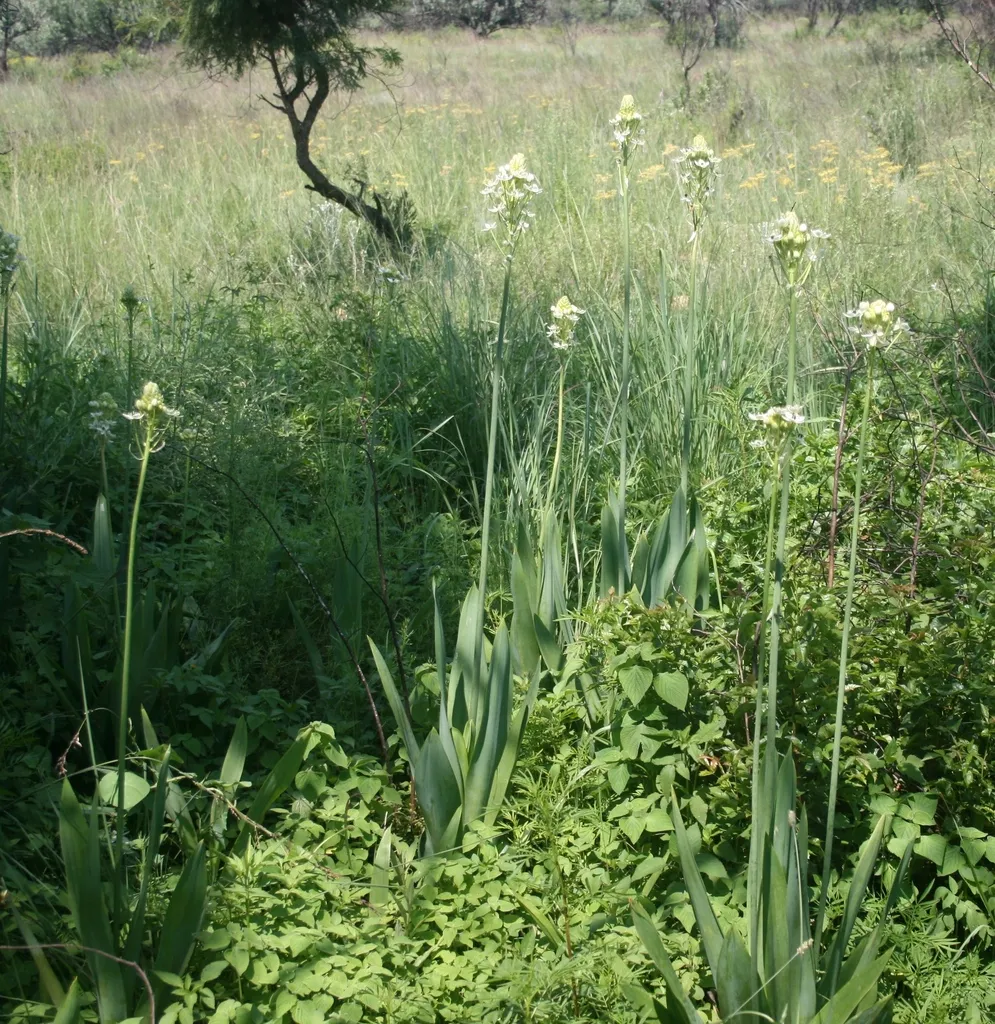
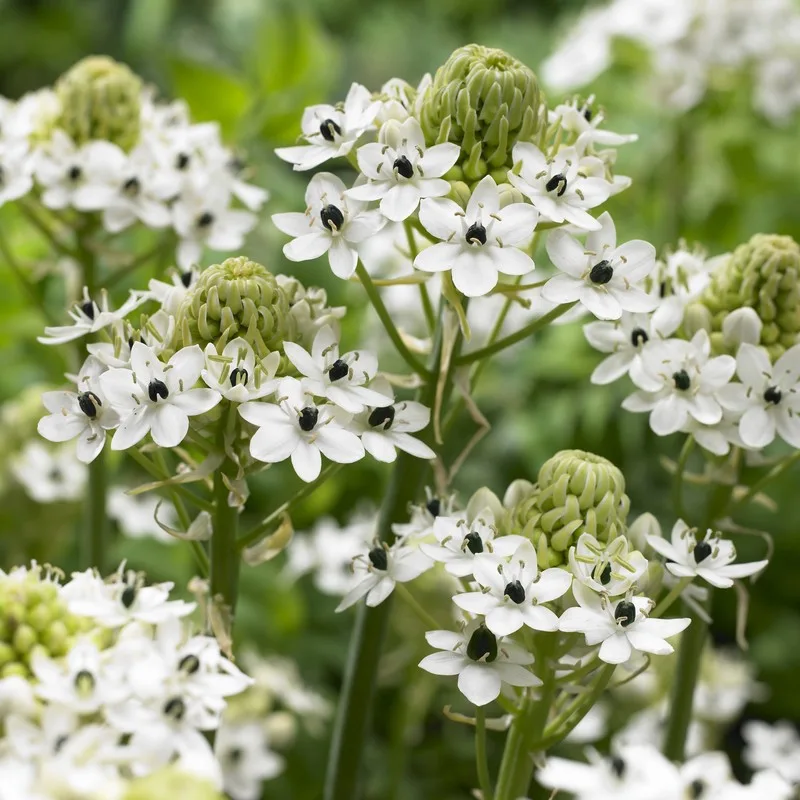
Distribution of giant chincherinchee
Distribution map
- Native
- Introduced
- Cultivated
Source:WCVP v16 · Royal Botanic Gardens, Kew · CC BY 3.0 · Boundaries:WGSRPD / TDWG
Toxicity
Harmful if eaten. Wear gloves and other protective equipment when handling
giant chincherinchee care guide
- Moist soil during active growth, reduce watering after foliage declines
- Watering
- Full sun
- Sunlight

Watering
Moist soil during active growth, reduce watering after foliage declines
Fertilizing
 Fertilizing
Light bulb fertilizer once at emergence and again after flowering
Pruning
 Pruning
No pruning required
Propagation
 Propagation
Propagate by sowing seed in containers in a cold frame in autumn or spring. Remove offsets when dormant
Growing
 Growing
Under glass grow in loam-based potting compost in full light with shade from hot sun. When in growth, water freely; keep dry when dormant. Repot annually in spring
Common pests and diseases
Diseases
Generally disease-free
Pests
Generally pest-free
Explore the plant health library →




