
Selenicereus anthonyanus
Also known as: Information to be completed
A fast-growing, tender perennial, epiphytic cactus with slim, branching zig-zag green stems and fragrant, showy pink spiky-shaped flowers with white and yellow centres which open at night during the spring and summer
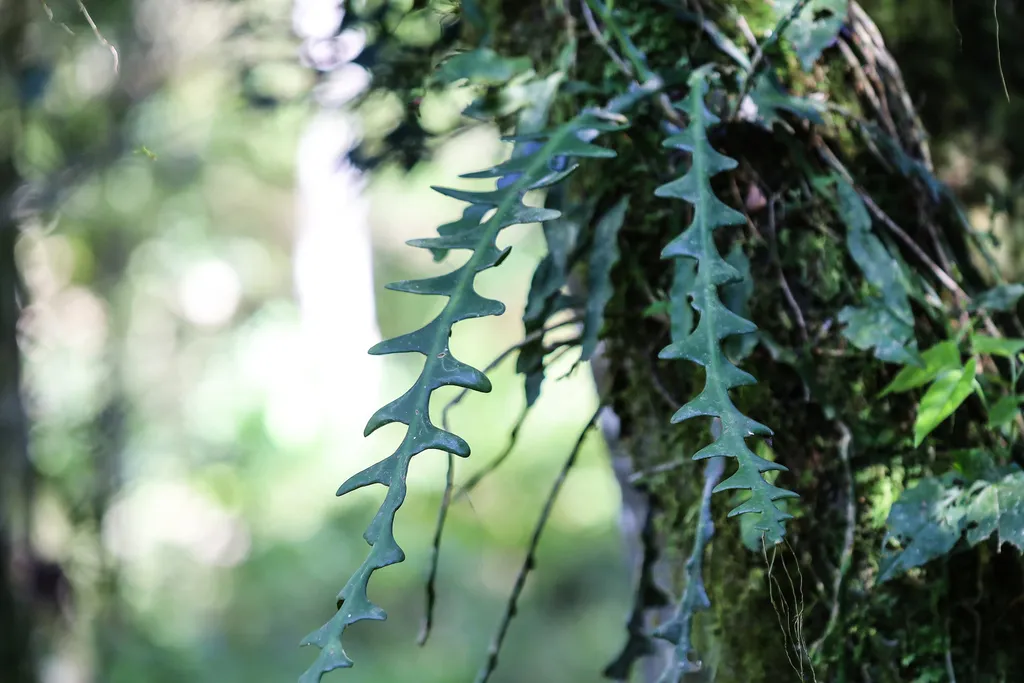
Scientific classification
- Species
- Selenicereus anthonyanus (Selenicereus anthonyanus)
- Genus
- Selenicereus
- Family
- Cactaceae
- Order
- Caryophyllales
- Class
- Magnoliopsida
- Phylum
- Magnoliophyta
- Information to be completed
- Toxicity
- Cactus Succulent
- Plant type
- 0.5-1 metres
- Height
- 0.5-1 metres
- Spread
- Evergreen
- Foliage
- Pendulous weeping
- Habit
- Spring · Summer · Autumn · Winter
- Season of interest
- Partial shade
- Sunlight
- Information to be completed
- Ideal temperature









Selenicereus anthonyanus pictures
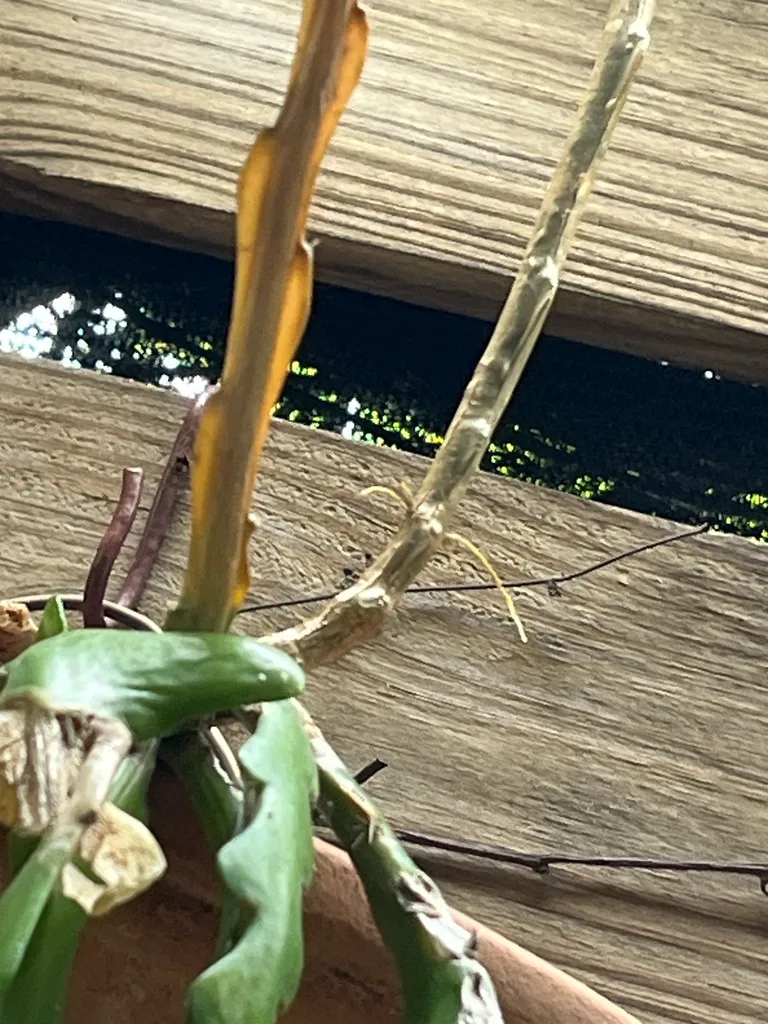
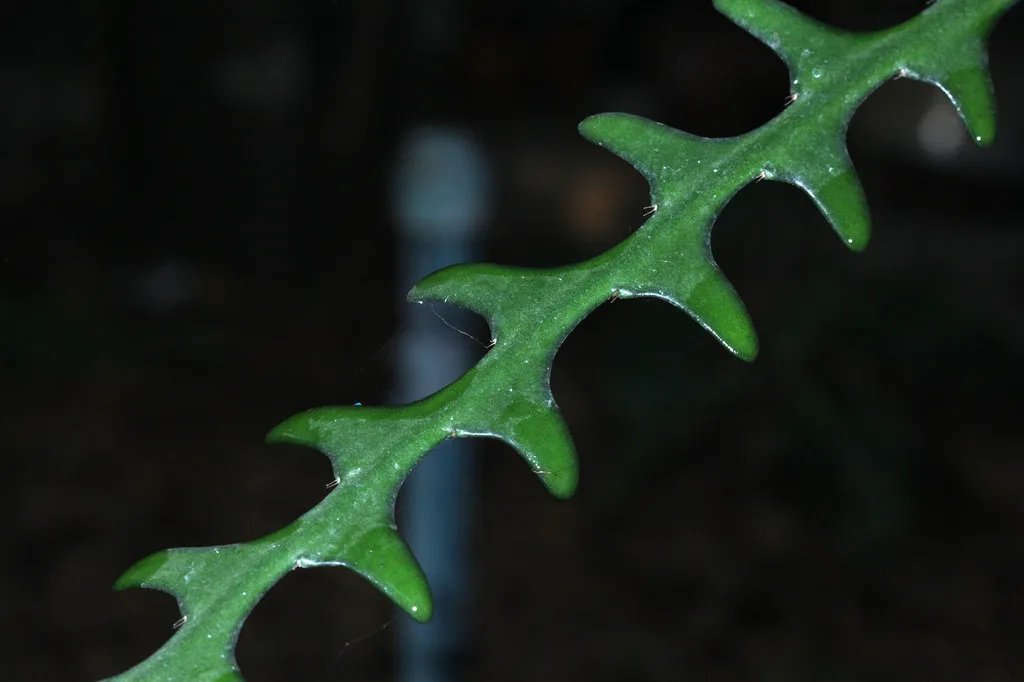
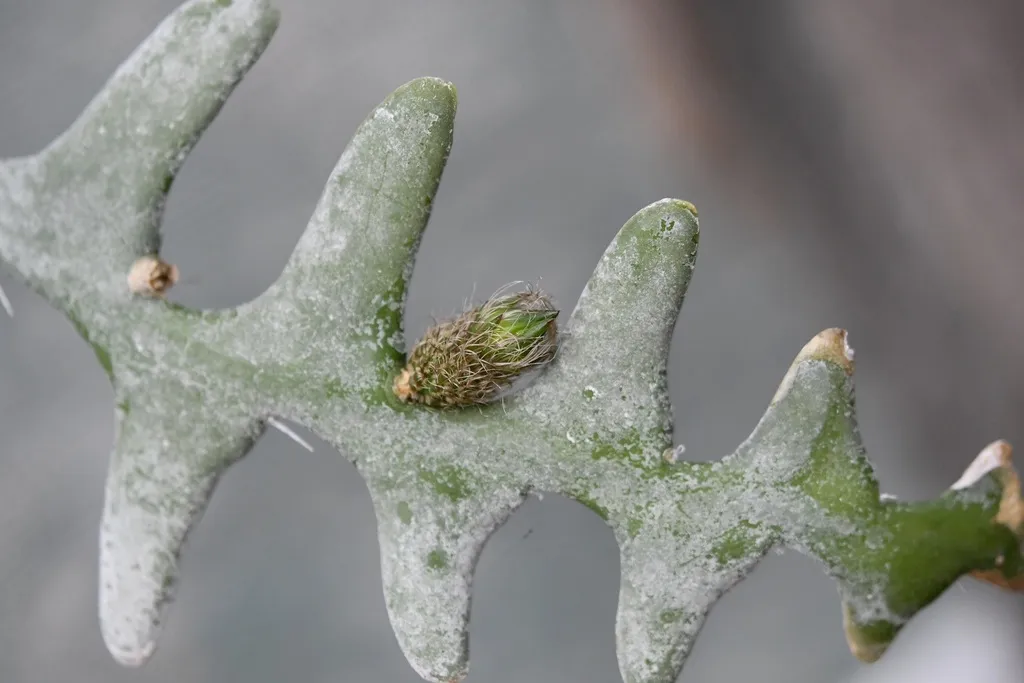
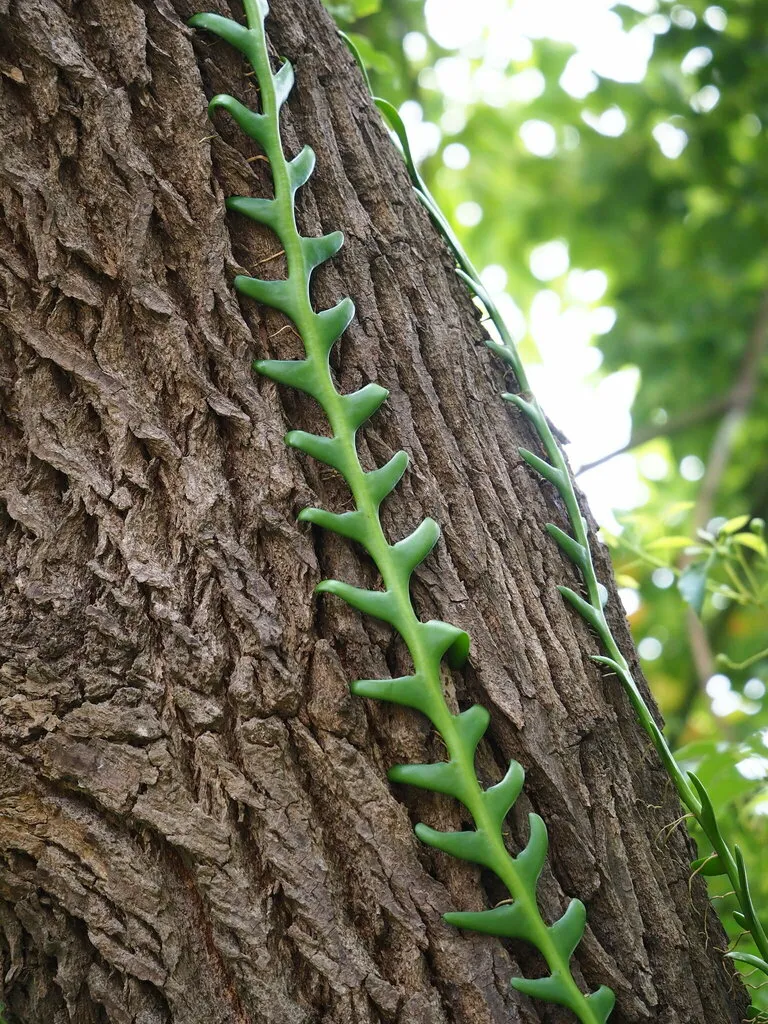
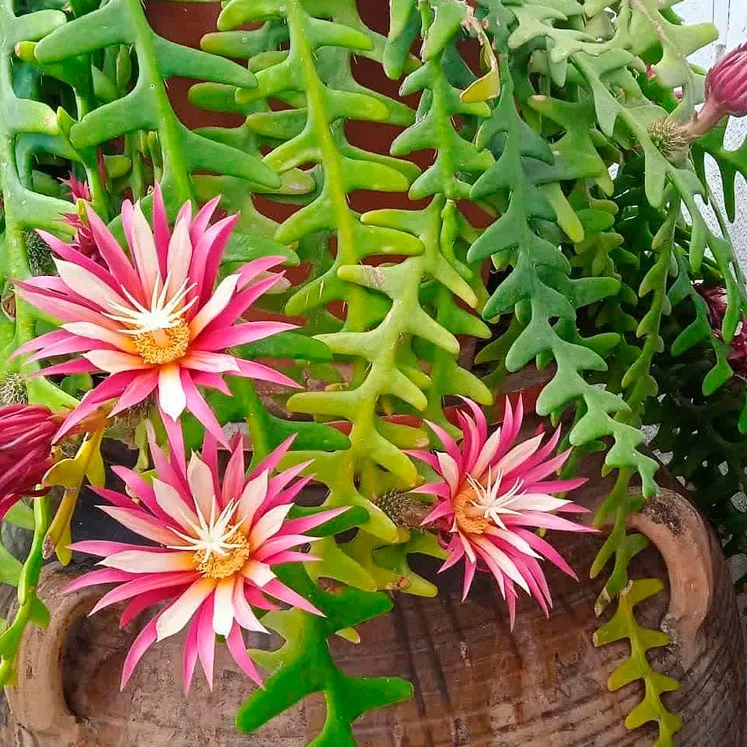
Distribution of Selenicereus anthonyanus
Distribution map
- Native
- Introduced
- Cultivated
Source:WCVP v16 · Royal Botanic Gardens, Kew · CC BY 3.0 · Boundaries:WGSRPD / TDWG
Selenicereus anthonyanus care guide
- Moderate regular watering, allowing brief slight drying between soakings
- Watering
- Partial shade
- Sunlight

Watering
Moderate regular watering, allowing brief slight drying between soakings
Fertilizing
 Fertilizing
Balanced perennial feed every four weeks from spring through summer
Pruning
 Pruning
No pruning required
Propagation
 Propagation
Propagate by cuttings in spring or by seed
Growing
 Growing
Grow in hummus-rich, well-drained soil and apply a cactus feed during the spring and summer months. Water regularly during the growing season but sparsley in the winter months, allowing the top of the soil to dry out between waterings. Re-pot every other year. Prefers a temperature of between 16°C and 24°C and no lower than 4°C during the winter. See cactus and succulent cultivation for further advice
Common pests and diseases
Diseases
Generally disease-free
Pests
May be susceptible to scale insects and mealybugs
Explore the plant health library →




