
thorny holly olive
Also known as: Information to be completed
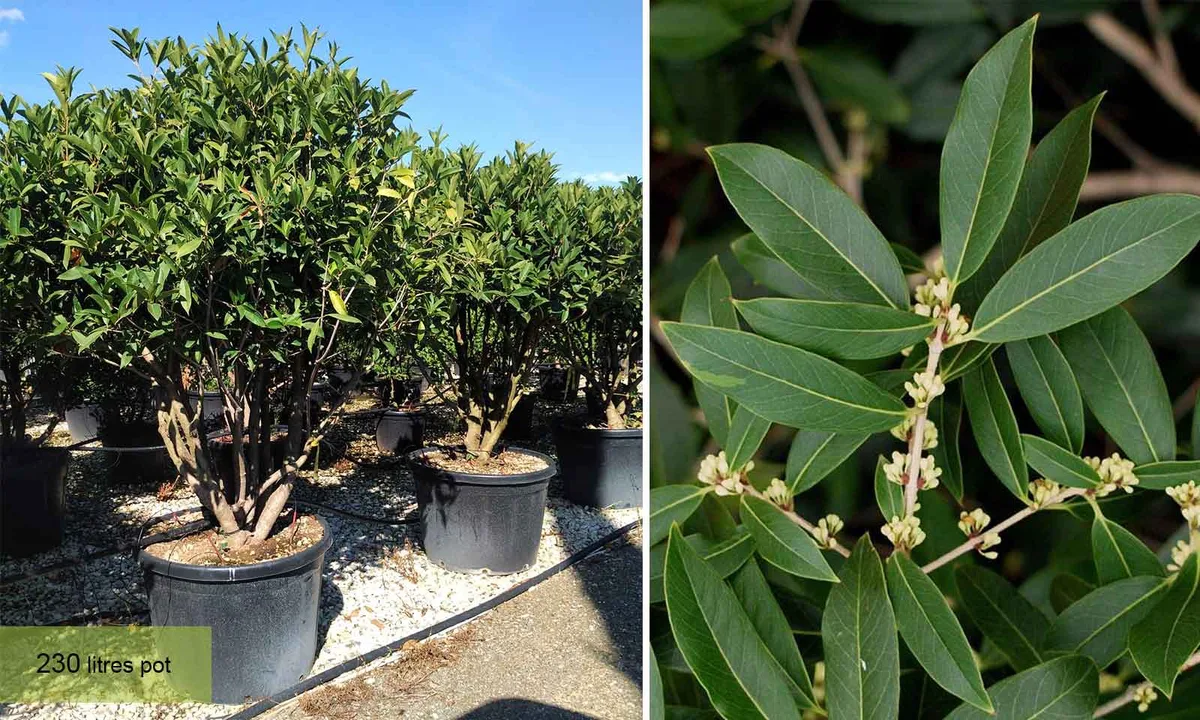
A densely branched, upright to bushy shrub or small tree, reaching up to 5m (17ft) tall with a spread of 3m (10ft) bearing glossy, deep-green, holly-like leaves 15-20cm (6-8in)long and tiny but sweetly scented, white, tubular flowers in autumn appearing in small clusters from the leaf axils. The shrubs can be either male or female or hermaphroditic (producing flowers containing organs of both sexes) with very dark purple/black small egg-shaped fruit fruits only appearing on fertilsed female flowers around six months after flowering
Scientific classification
- Species
- thorny holly olive (Osmanthus armatus)
- Genus
- Osmanthus
- Family
- Oleaceae
- Order
- Lamiales
- Class
- Magnoliopsida
- Phylum
- Magnoliophyta
- Information to be completed
- Toxicity
- Shrubs
- Plant type
- 4-8 metres
- Height
- 1.5-2.5 metres
- Spread
- Evergreen
- Foliage
- Information to be completed
- Habit
- Spring · Summer · Autumn · Winter
- Season of interest
- Full sun
- Sunlight
- Information to be completed
- Ideal temperature









thorny holly olive pictures
Distribution of thorny holly olive
Distribution map
- Native
- Introduced
- Cultivated
Source:WCVP v16 · Royal Botanic Gardens, Kew · CC BY 3.0 · Boundaries:WGSRPD / TDWG
thorny holly olive care guide
- Moderate regular watering, avoid prolonged drought and stagnant waterlogging
- Watering
- Full sun
- Sunlight

Watering
Moderate regular watering, avoid prolonged drought and stagnant waterlogging
Fertilizing
 Fertilizing
Balanced perennial feed every four weeks spring through summer growth
Pruning
 Pruning
Usually little pruning is needed. Lightly shape if necessary, removing dead, damaged or diseased shoots. Prune after flowering.
Propagation
 Propagation
Propagate by seed in spring. Can also be propagated by semi-ripe cuttings in summer
Growing
 Growing
Grows in any well-drained soil, in full sun.
Common pests and diseases
Diseases
May sometimes be susceptible to honey fungus
Pests
Generally pest-free
Explore the plant health library →




