
Himalayan ginger
Also known as: Information to be completed
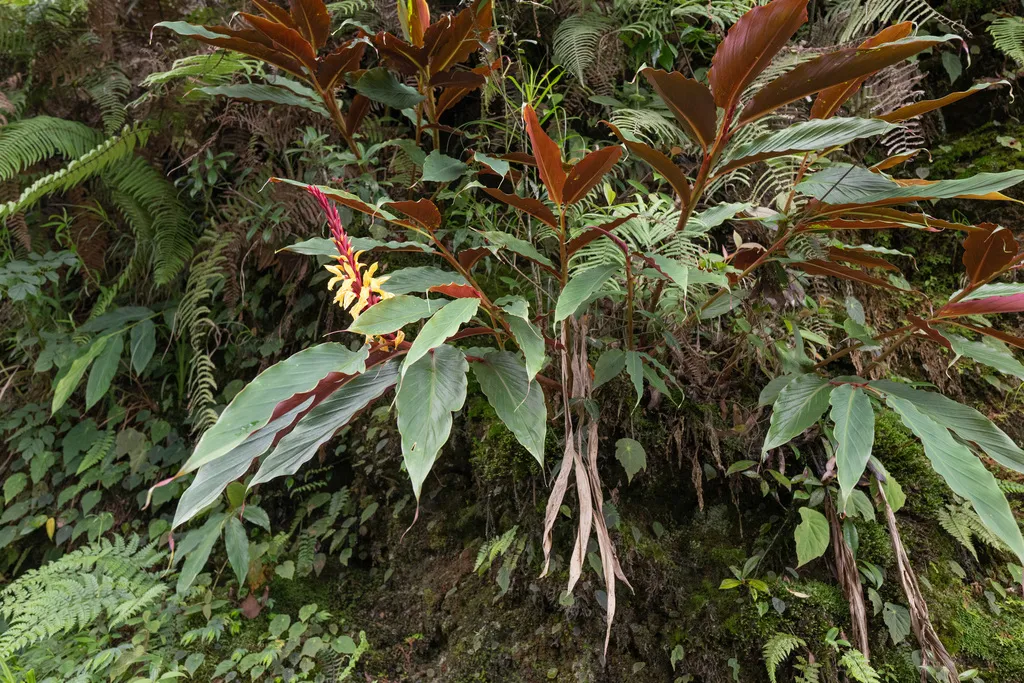
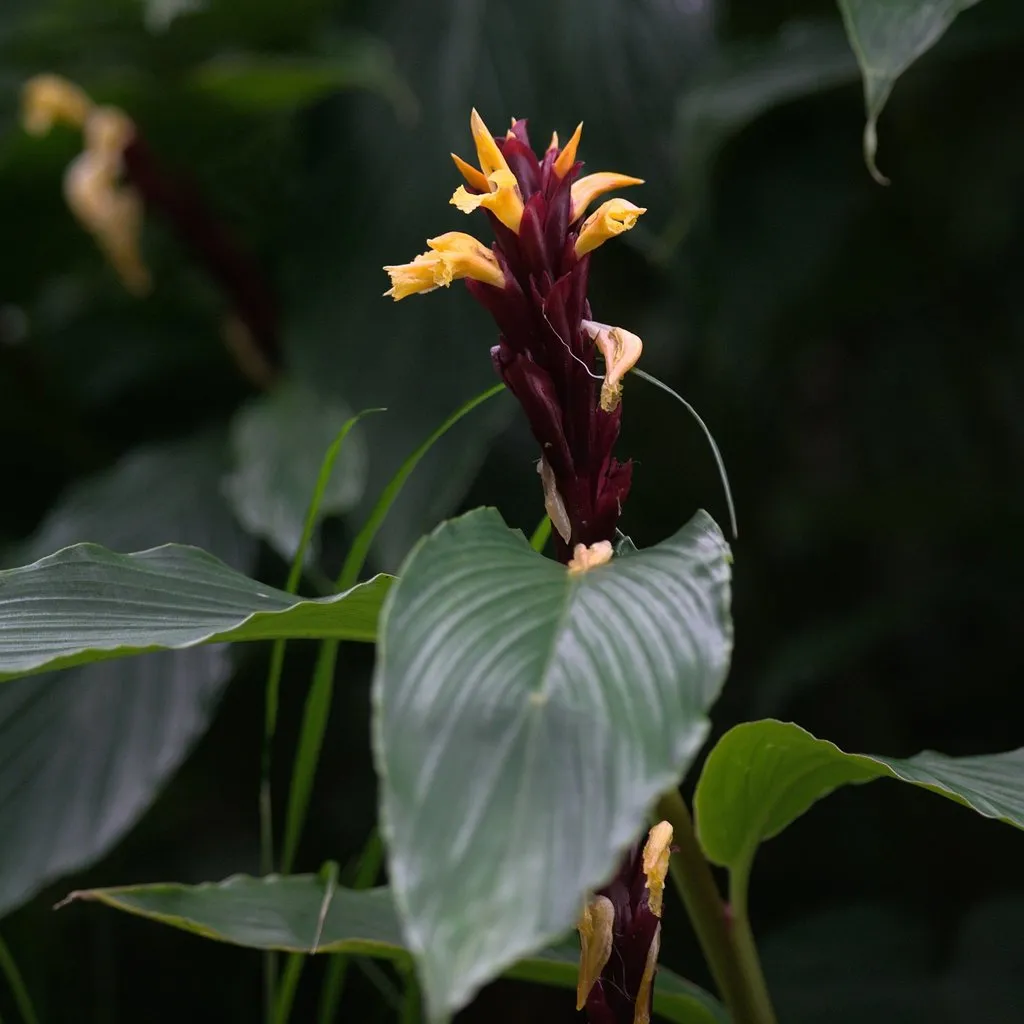
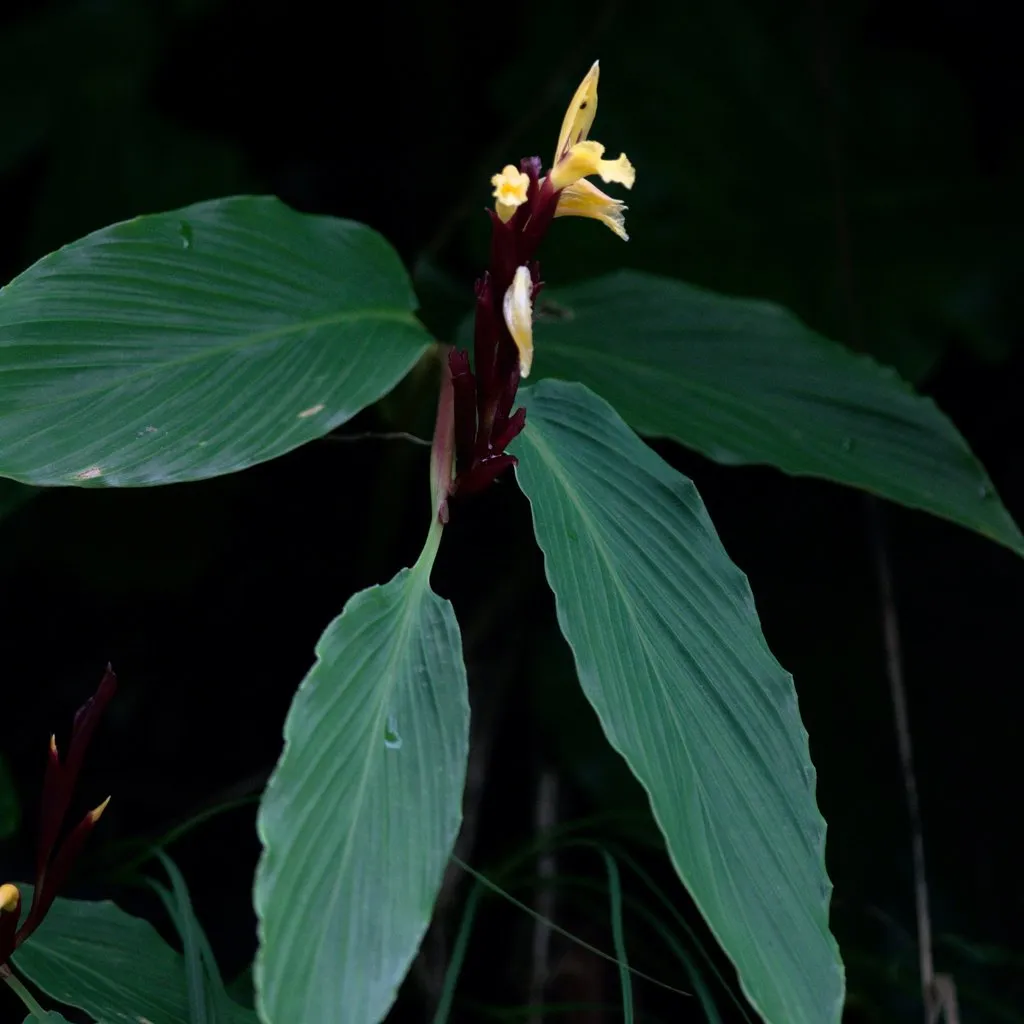
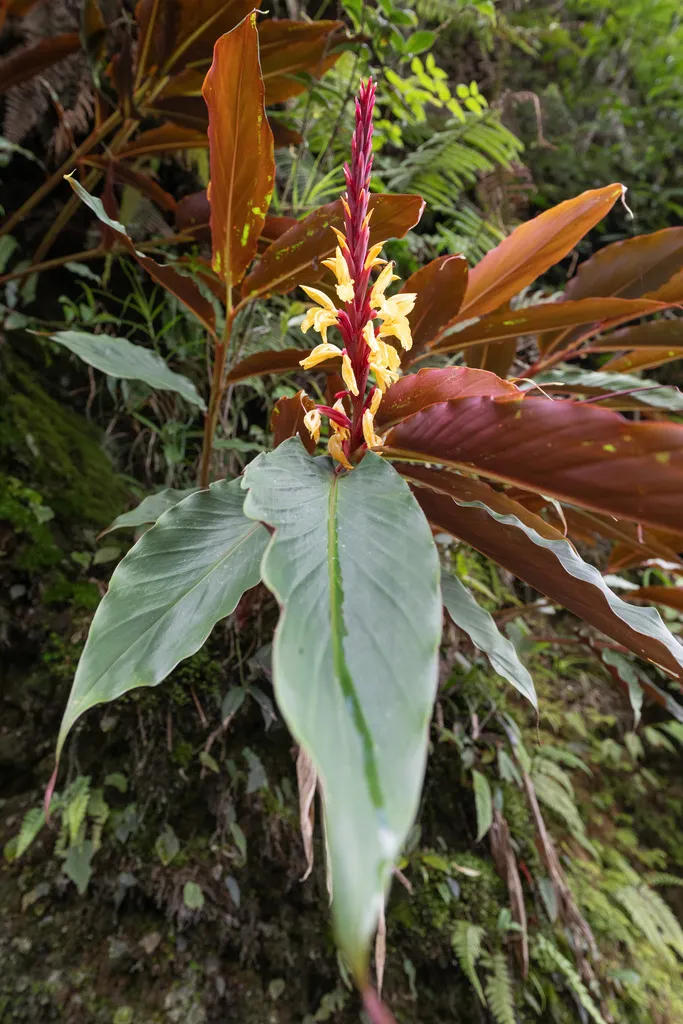
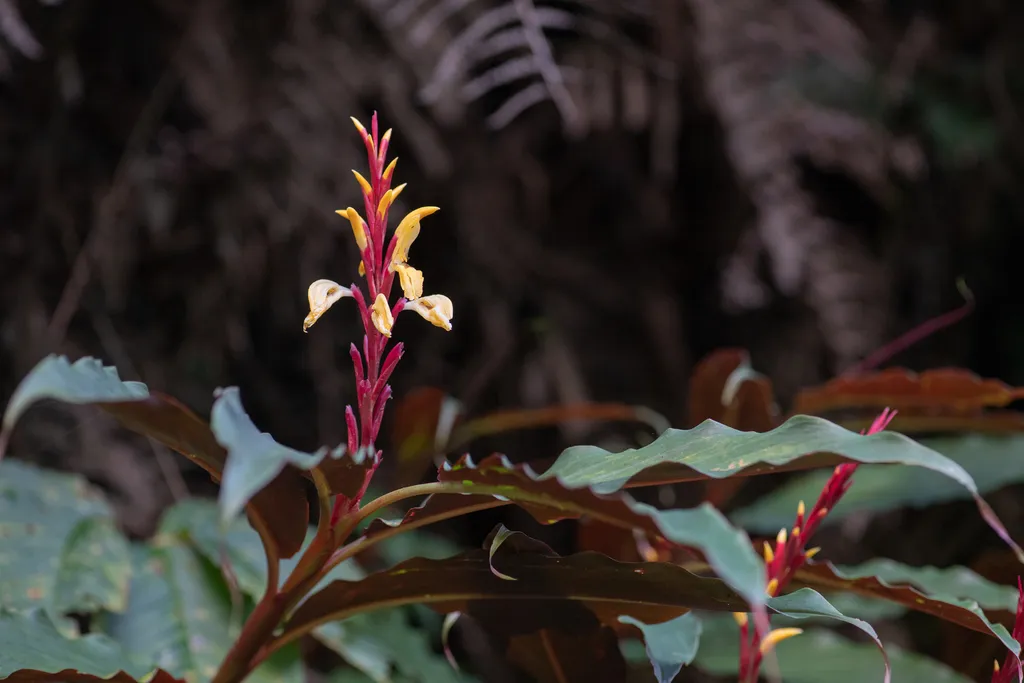
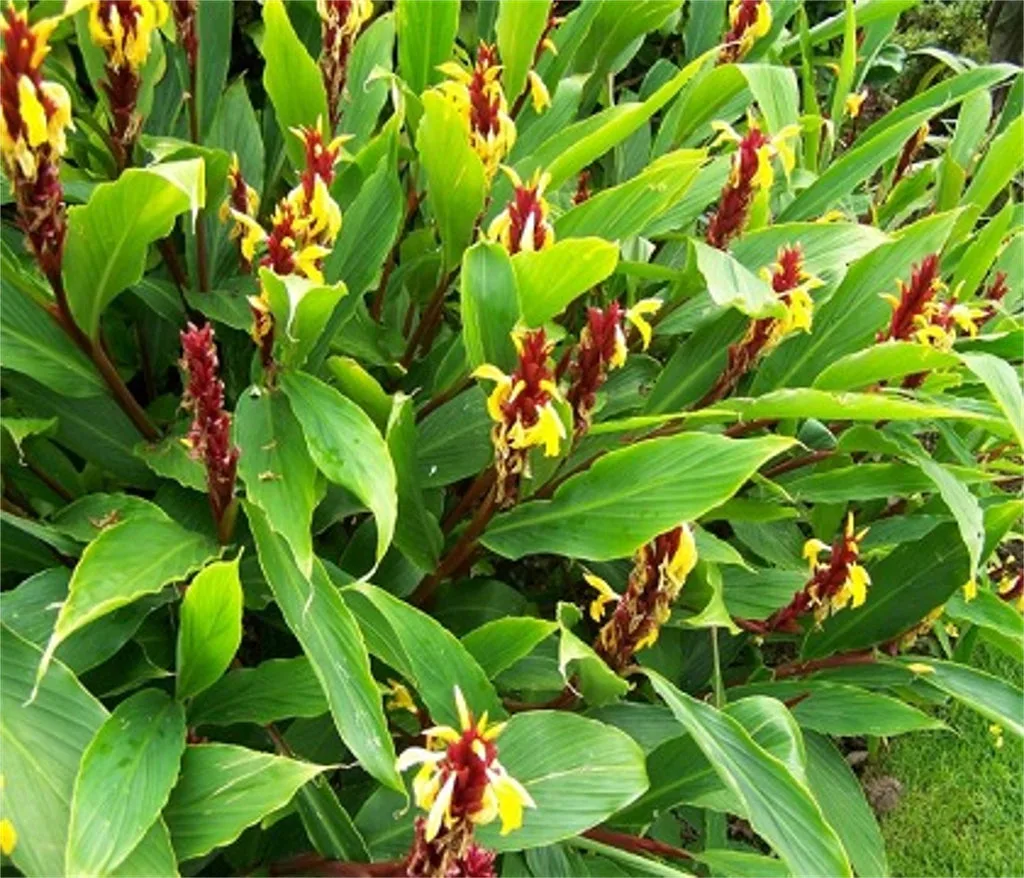
A rhizomatous perennial with broadly lance-shaped, mid green leaves. In late summer it produces stiff spikes of yellow flowers with reddish green to maroon bracts
Scientific classification
- Species
- Himalayan ginger (Cautleya spicata)
- Genus
- Cautleya
- Family
- Zingiberaceae
- Information to be completed
- Toxicity
- Herbaceous Perennial
- Plant type
- 0.5-1 metres
- Height
- 0.1-0.5 metres
- Spread
- Deciduous
- Foliage
- Columnar upright
- Habit
- Spring · Summer · Autumn · Winter
- Season of interest
- Partial shade
- Sunlight
- Information to be completed
- Ideal temperature









Himalayan ginger pictures
Distribution of Himalayan ginger
Distribution map
- Native
- Introduced
- Cultivated
Source:WCVP v16 · Royal Botanic Gardens, Kew · CC BY 3.0 · Boundaries:WGSRPD / TDWG
Culture
Information to be completed
Toxicity
Information to be completed
Quick identification of Himalayan ginger
Information to be completed
Himalayan ginger care guide
- Moderate regular watering, allowing brief slight drying between soakings
- Watering
- Partial shade
- Sunlight
- Information to be completed
- Ideal temperature

Watering
Moderate regular watering, allowing brief slight drying between soakings
Fertilizing
 Fertilizing
Balanced perennial feed every four weeks from spring through summer
Pruning
 Pruning
Cut back once the foliage was frosted
Propagation
 Propagation
Propagate by division of established clumps in late spring. Propagate by seed in early spring
Growing
 Growing
Preferably plant in humus rich, moist but well-drained soil in partial shade. Will tolerate sunnier spot if not allowed to dry out. Plant rhizomes 10-15cm deep. Protect with winter mulch
People also ask
Information to be completed
Common pests and diseases
Diseases
Usually trouble free
Pests
Slugs and snails may damage new growth
Explore the plant health library →




