
Yunnan osmanthus
Also known as: Information to be completed
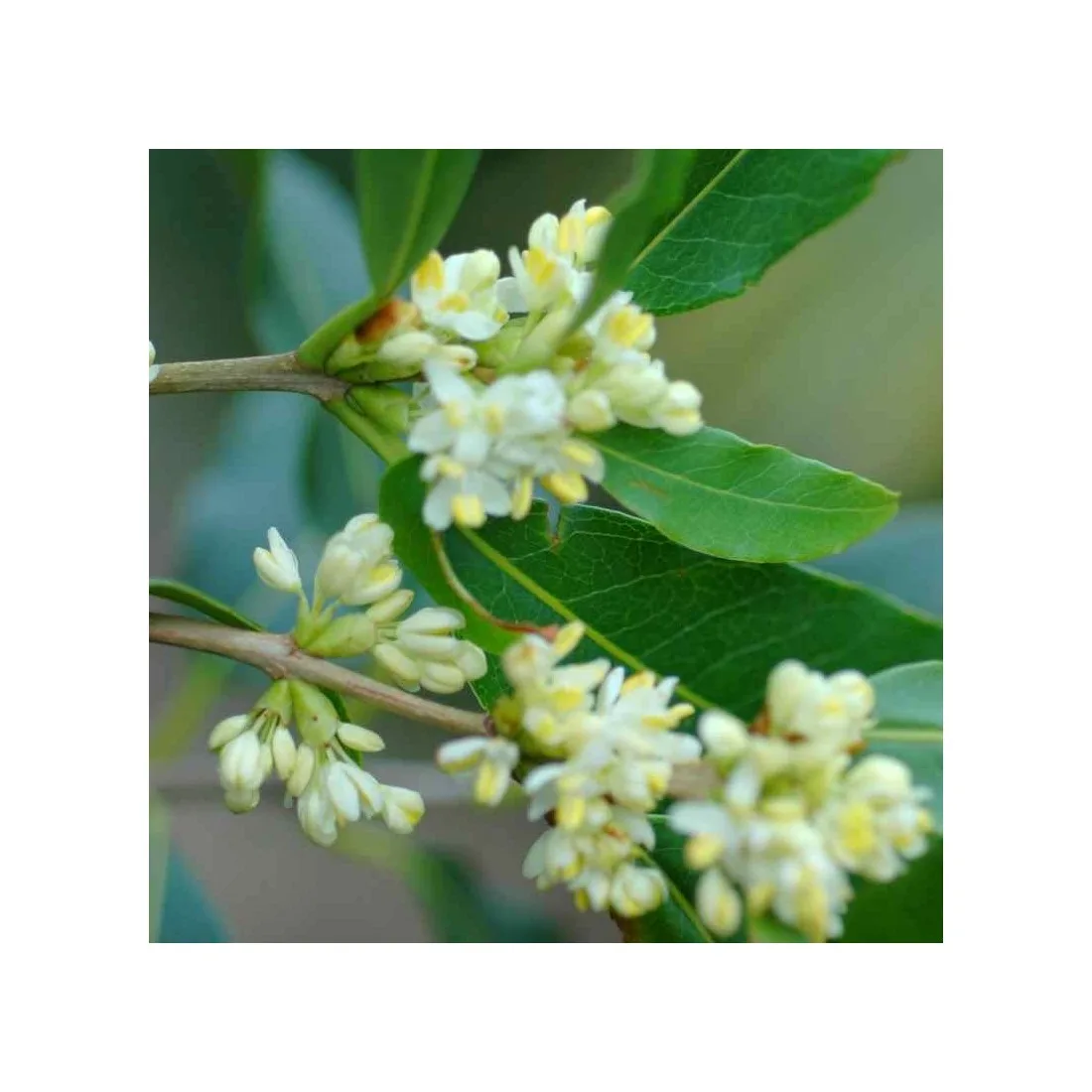
A large shrub or small, spreading tree. The dark, olive-green leaves up to 20cm long vary in shape, often on the same plant, from smooth and flat to wavy with spiny-toothed edges. Small, creamy-white, highly fragrant flowers appear in late winter to early spring clustered at the base of the leaves. These are followed by egg-shaped fruit, dark purple with a white bloom
Scientific classification
- Species
- Yunnan osmanthus (Osmanthus yunnanensis)
- Genus
- Osmanthus
- Family
- Oleaceae
- Order
- Lamiales
- Class
- Magnoliopsida
- Phylum
- Magnoliophyta
- Information to be completed
- Toxicity
- Shrubs · Trees
- Plant type
- 8-12 metres
- Height
- wider than 8 metres
- Spread
- Evergreen
- Foliage
- Bushy
- Habit
- Spring · Summer · Autumn · Winter
- Season of interest
- Full sun · Partial shade
- Sunlight
- Information to be completed
- Ideal temperature









Yunnan osmanthus pictures
Distribution of Yunnan osmanthus
Distribution map
- Native
- Introduced
- Cultivated
Source:WCVP v16 · Royal Botanic Gardens, Kew · CC BY 3.0 · Boundaries:WGSRPD / TDWG
Yunnan osmanthus care guide
- Moderate regular watering, allowing brief slight drying between soakings
- Watering
- Full sun · Partial shade
- Sunlight

Watering
Moderate regular watering, allowing brief slight drying between soakings
Fertilizing
 Fertilizing
Balanced perennial feed every four weeks from spring through summer
Pruning
 Pruning
Usually little pruning is needed. Lightly shape if necessary, removing dead, damaged or diseased shoots. Prune after flowering.
Propagation
 Propagation
Propagate by seed sown in containers in a cold frame as soon as ripe, or root semi-ripe cuttings in summer with bottom heat, or layer in autumn or spring
Growing
 Growing
Grow in fertile, well-drained soil in sun or partial shade, with shelter from cold, drying winds
Common pests and diseases
Diseases
May sometimes be susceptible to honey fungus
Pests
Generally trouble free
Explore the plant health library →




