
hop hornbeam
Also known as: Information to be completed
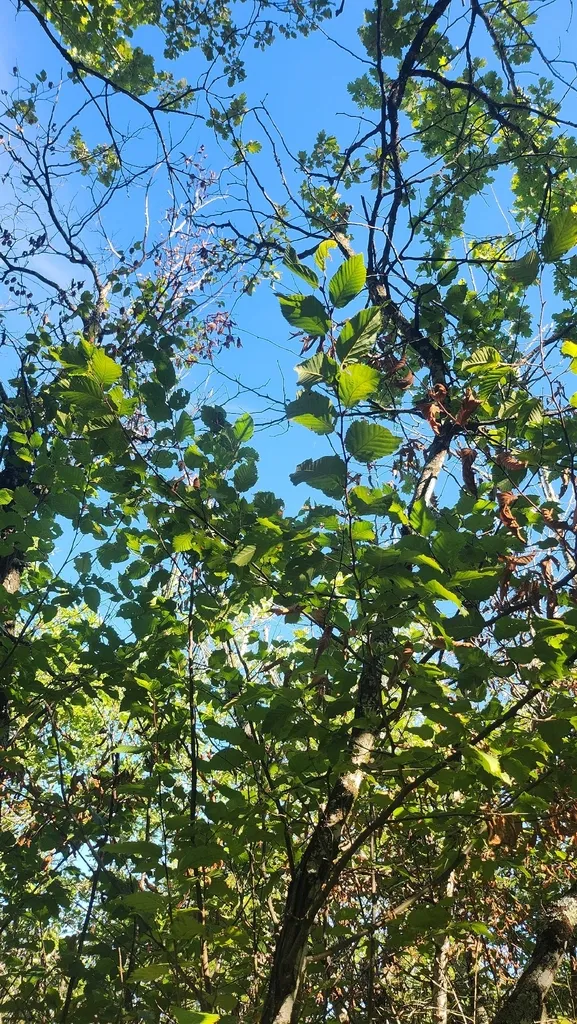
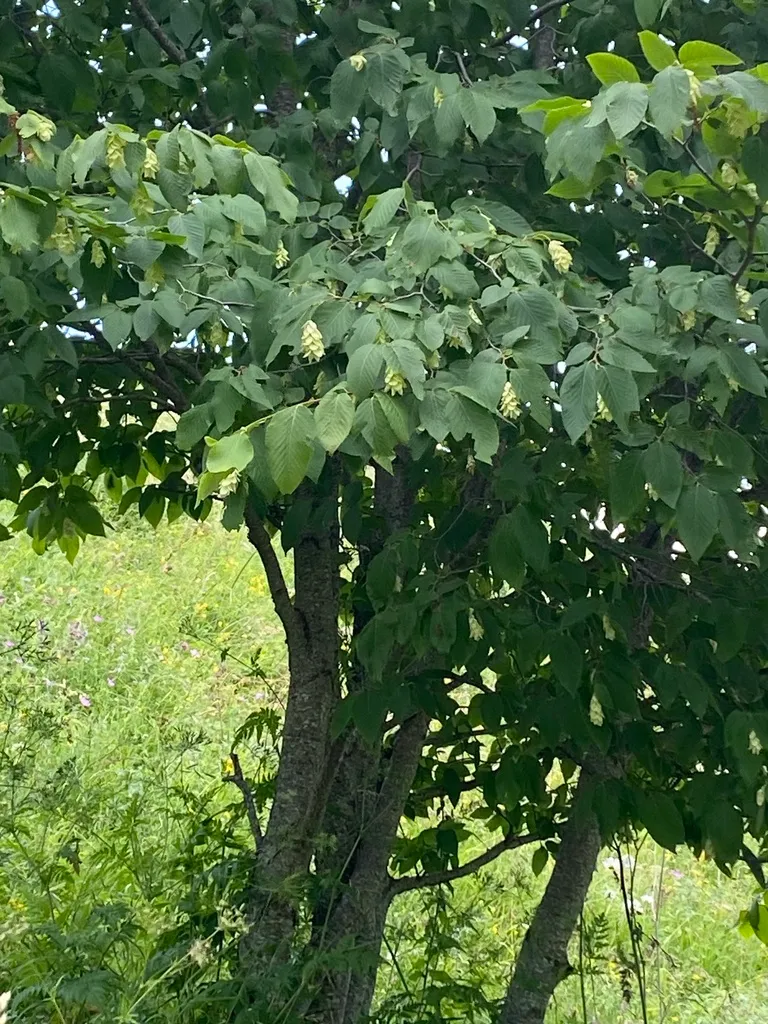
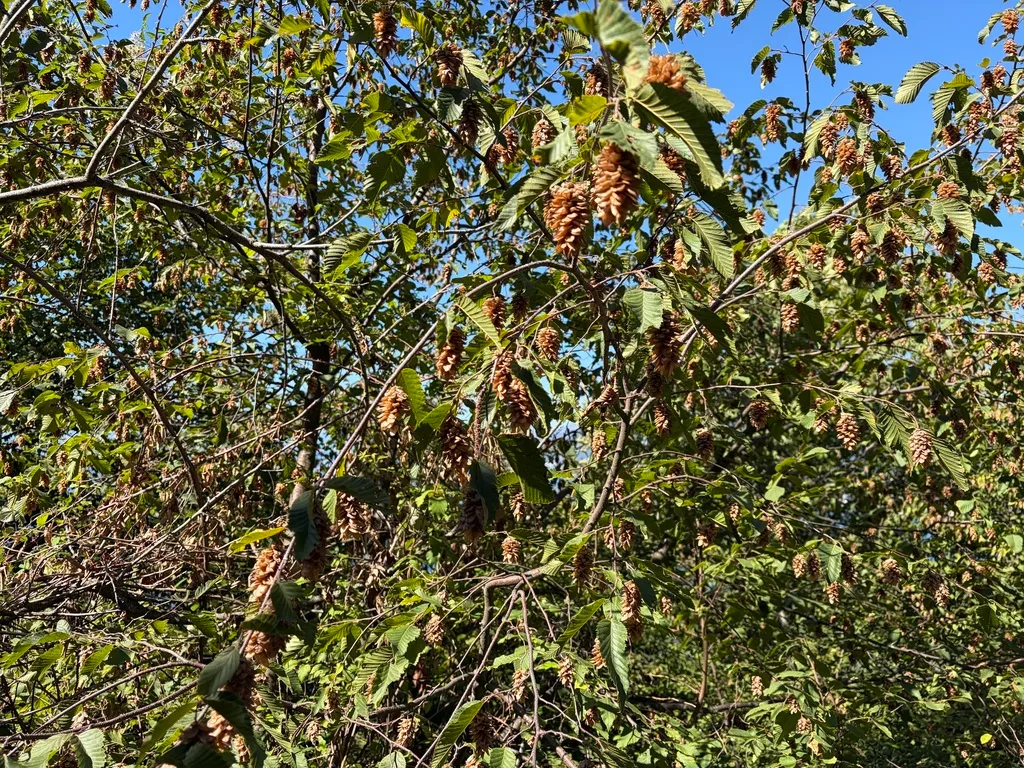
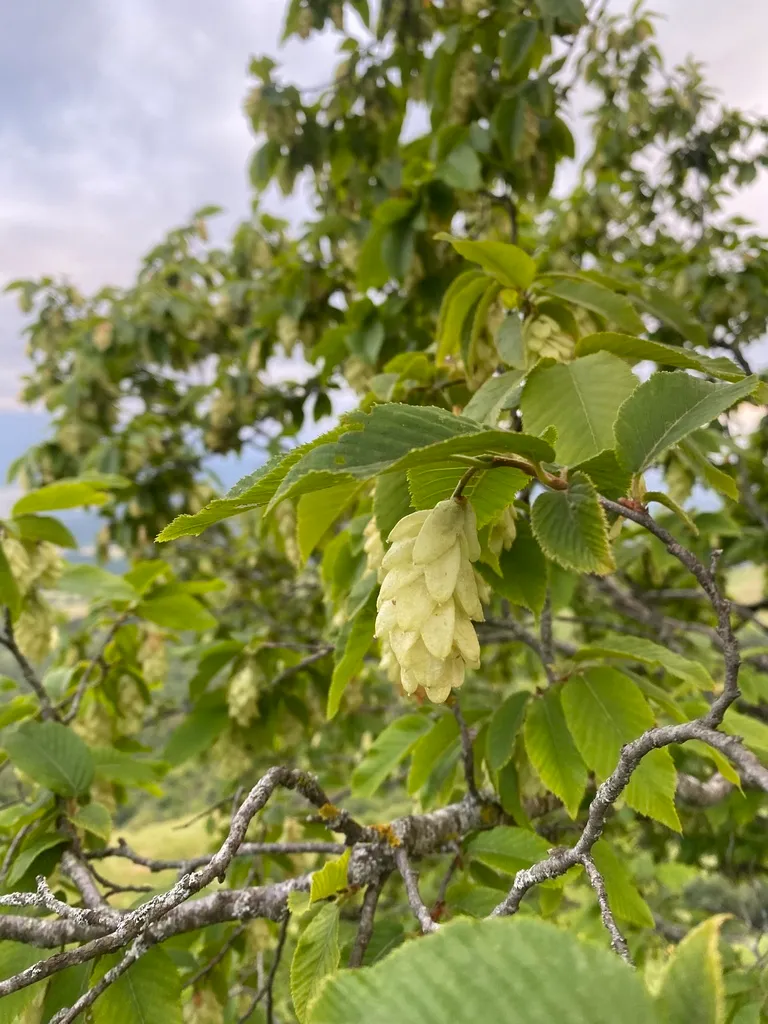
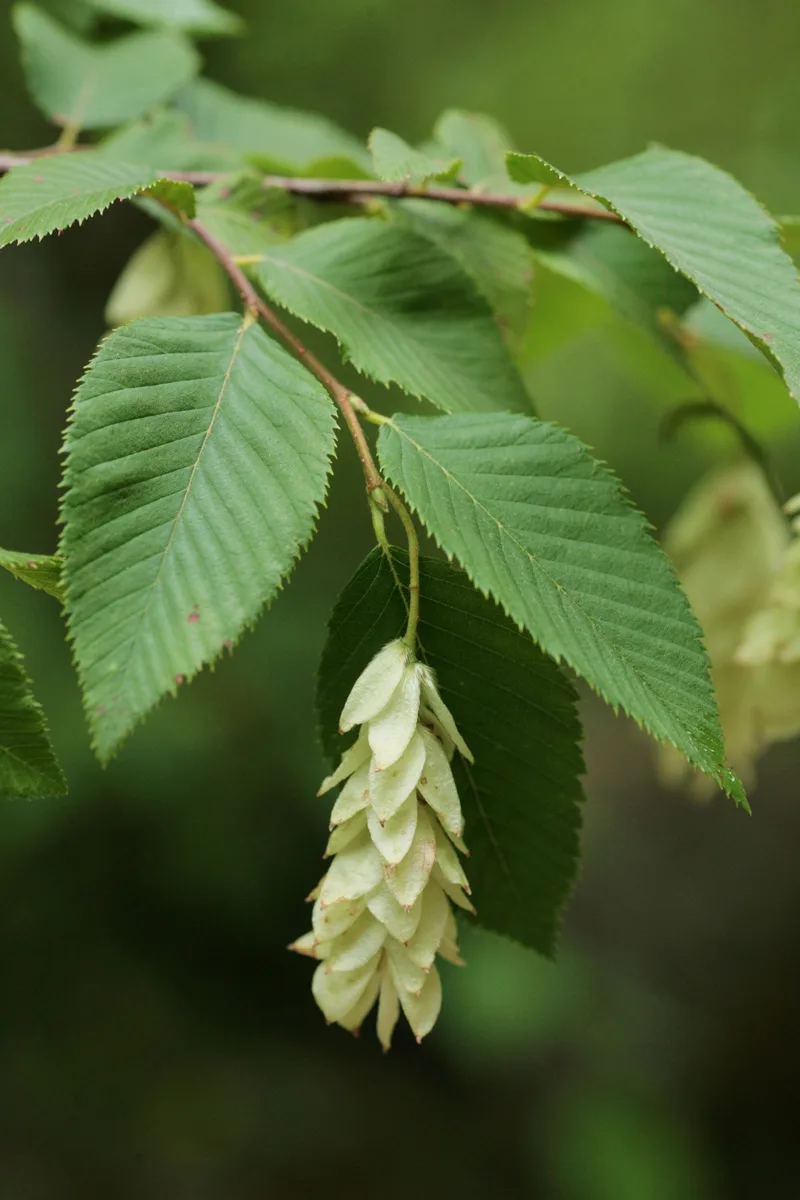
A deciduous tree, to around 15m high, conical when young and later spreading to rounded, with glossy, oval-shaped, deeply veined green leaves with doubly serrated edges. Yellow-green, pendent catkins open in spring, with male catkins reaching up to 7cm long, and smaller female catkins develop into hanging, hop-like seed clusters in late summer. Leaves turn yellow in autumn.

Scientific classification
- Species
- hop hornbeam (Ostrya carpinifolia)
- Genus
- Ostrya
- Family
- Betulaceae
- Information to be completed
- Toxicity
- Trees
- Plant type
- Higher than 12 metres
- Height
- wider than 8 metres
- Spread
- Deciduous
- Foliage
- Columnar upright
- Habit
- Autumn · Spring · Summer
- Season of interest
- Full sun · Partial shade
- Sunlight
- Information to be completed
- Ideal temperature









hop hornbeam pictures
Distribution of hop hornbeam
Distribution map
- Native
- Introduced
- Cultivated
Locally extinct or doubtful records are excluded from native and introduced layers.
Source:WCVP v16 · Royal Botanic Gardens, Kew · CC BY 3.0 · Boundaries:WGSRPD / TDWG
Culture
Information to be completed
Toxicity
Information to be completed
Quick identification of hop hornbeam
Information to be completed
hop hornbeam care guide
- Moderate regular watering, avoid prolonged drought or waterlogging
- Watering
- Full sun · Partial shade
- Sunlight
- Information to be completed
- Ideal temperature

Watering
Moderate regular watering, avoid prolonged drought or waterlogging
Fertilizing
 Fertilizing
Balanced feed in spring and light repeat in growth season
Pruning
 Pruning
Little pruning is needed. Remove diseased, damaged, crowded or crossing shoots and unwanted growth. Timing depends on the plant: generally late winter or early spring; plants prone to bleeding and deciduous magnolias need different timing, and deciduous azaleas and lilacs are pruned after flowering.
Propagation
 Propagation
Propagate by seed or by hardwood cuttings. Seed requires stratification to germinate
Growing
 Growing
Thrives in fertile, well-drained soil, though will tolerate most soil types. Prefers full sun in cooler areas, can benefit from partial shade in hot summers but flowering and autumn colour are reduced. Protect from strong winds. Can be a host tree for white truffle (Tuber magnatum)
People also ask
Information to be completed
Common pests and diseases
Diseases
May be susceptible to chestnut blight and a fungal canker
Pests
May be susceptible to European oak bark beetle
Explore the plant health library →




