
common wood sorrel
Also known as: alleluia; cuckoo bread; cuckoo meat; cuckoo sorrel; cuckooflower; fairy bells; French sorrel; gowk meat; hallelujah; hearts; lady's clover; little gentle one; marsh clover; sleeping beauty; sleeping clover; sleeping Molly; sow trefoil; St Cecilia's flower; St Patrick's cross; stabwort; stubwort; wood sorrel; wood sower
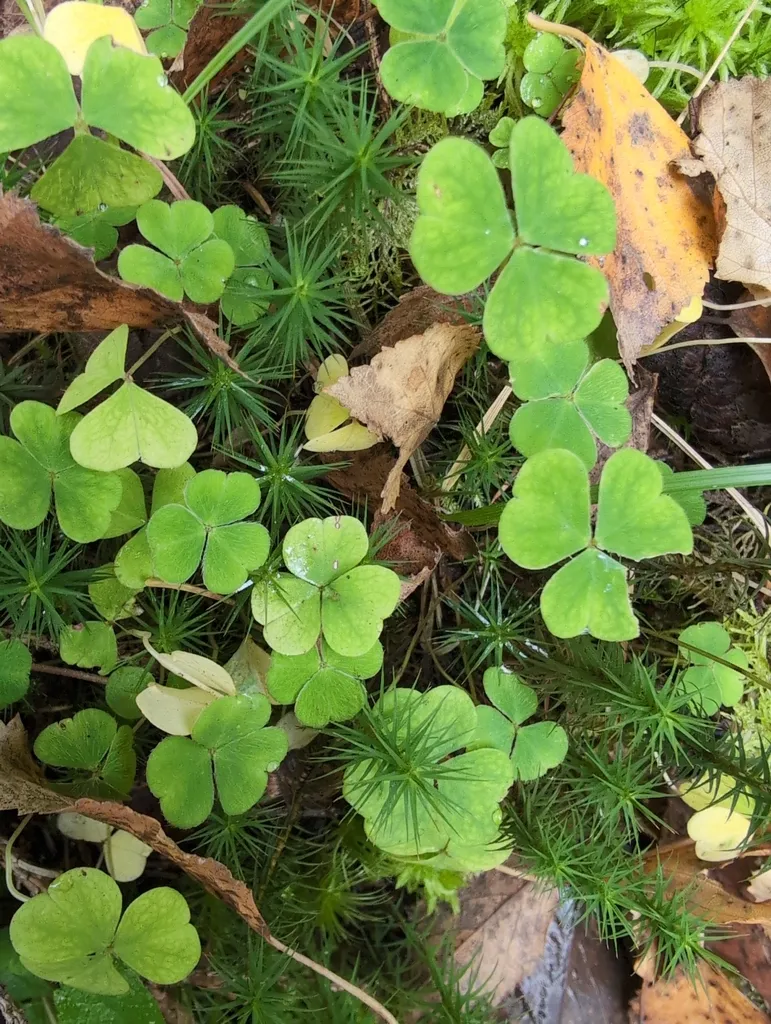
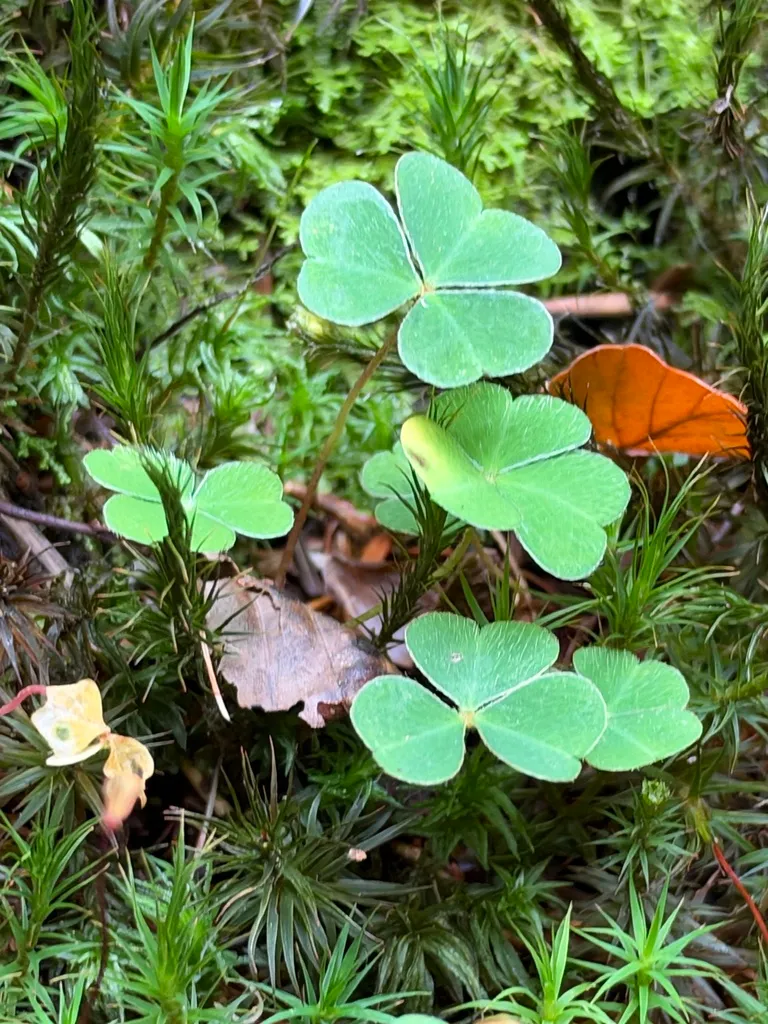
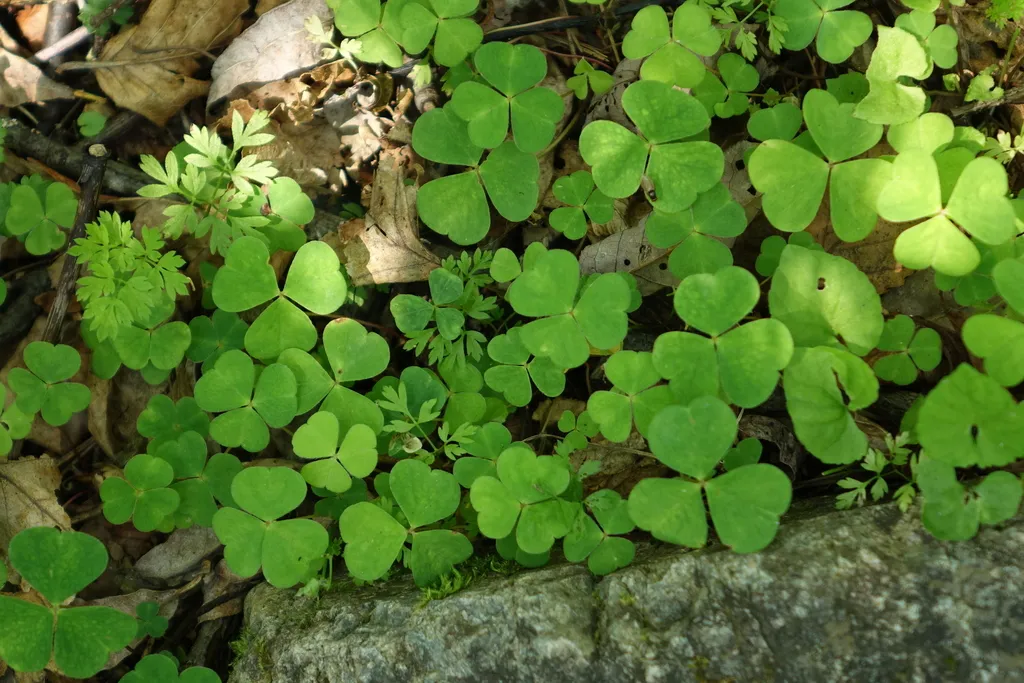
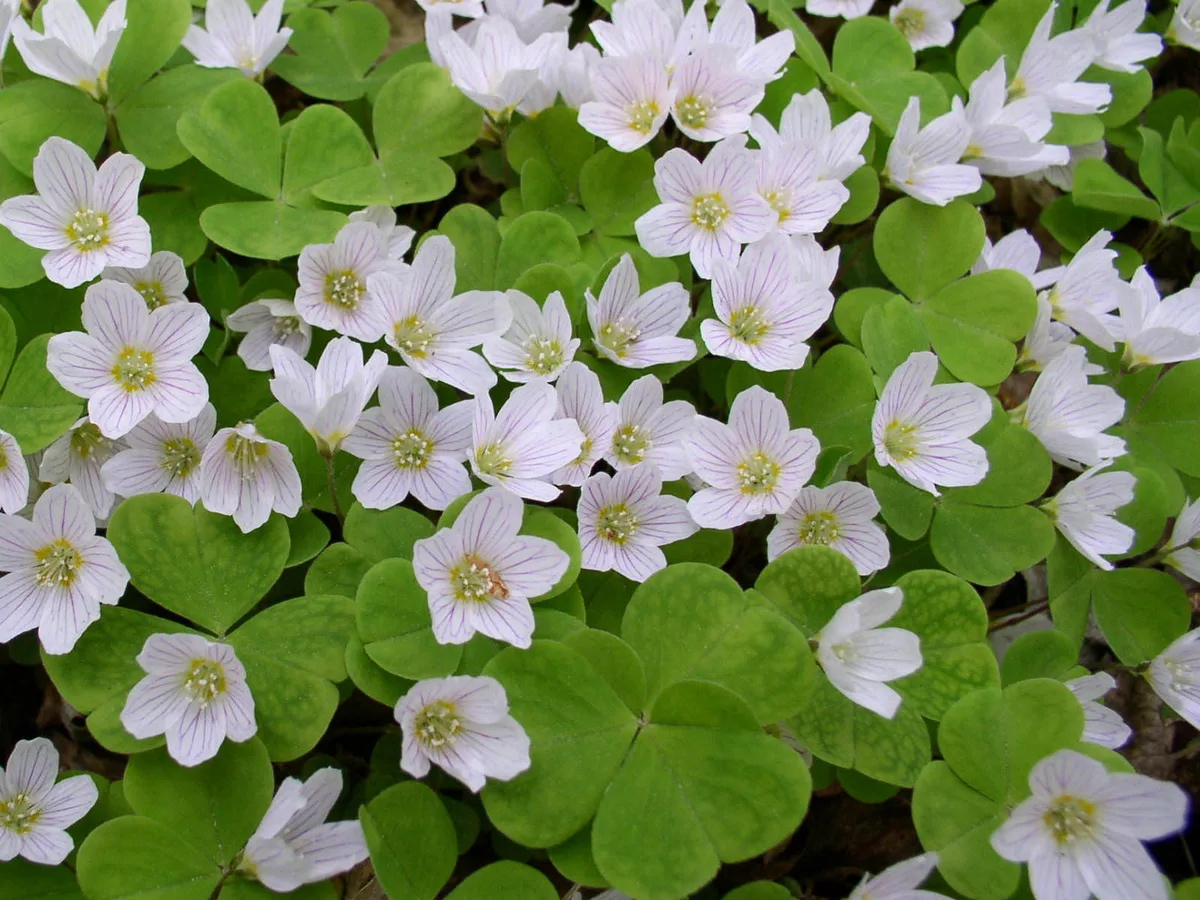
A rhizomatous spreading perennial up to 10cm in height when in flower, with leaves of three heart-shaped, folded green leaflets. Among the leaves delicate flower stems bear single, funnel-shaped white flowers with fine pink veins, from spring to midsummer
Scientific classification
- Species
- common wood sorrel (Oxalis acetosella)
- Genus
- Oxalis
- Family
- Oxalidaceae
- Order
- Oxalidales
- Class
- Magnoliopsida
- Phylum
- Magnoliophyta
- Information to be completed
- Toxicity
- Bulbs · Herbaceous Perennial
- Plant type
- 0.1-0.5 metres
- Height
- 0.1-0.5 metres
- Spread
- Deciduous
- Foliage
- Matforming
- Habit
- Spring · Summer · Autumn
- Season of interest
- Partial shade
- Sunlight
- Information to be completed
- Ideal temperature









common wood sorrel pictures
Distribution of common wood sorrel
Distribution map
- Native
- Introduced
- Cultivated
Locally extinct or doubtful records are excluded from native and introduced layers.
Source:WCVP v16 · Royal Botanic Gardens, Kew · CC BY 3.0 · Boundaries:WGSRPD / TDWG
common wood sorrel care guide
- Moderate regular watering, avoid prolonged drought and stagnant waterlogging
- Watering
- Partial shade
- Sunlight

Watering
Moderate regular watering, avoid prolonged drought and stagnant waterlogging
Fertilizing
 Fertilizing
Balanced perennial feed every four weeks spring through summer growth
Pruning
 Pruning
No pruning required
Propagation
 Propagation
Propagate by division in spring; small sections of rhizome root easily with bottom heat or from seed
Growing
 Growing
Grow in moderately fertile, humus-rich, well-drained soil in dappled shade
Common pests and diseases
Diseases
May be susceptible to rust diseases
Pests
May be susceptible to slugs and snails outdoors
Explore the plant health library →




