
large-leaved pachyphragma
Also known as: Information to be completed
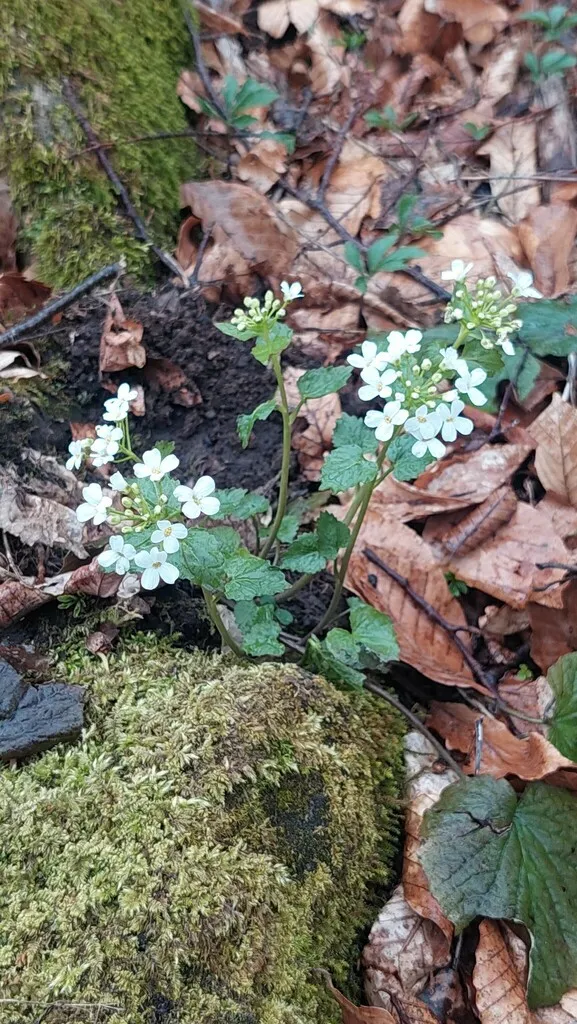
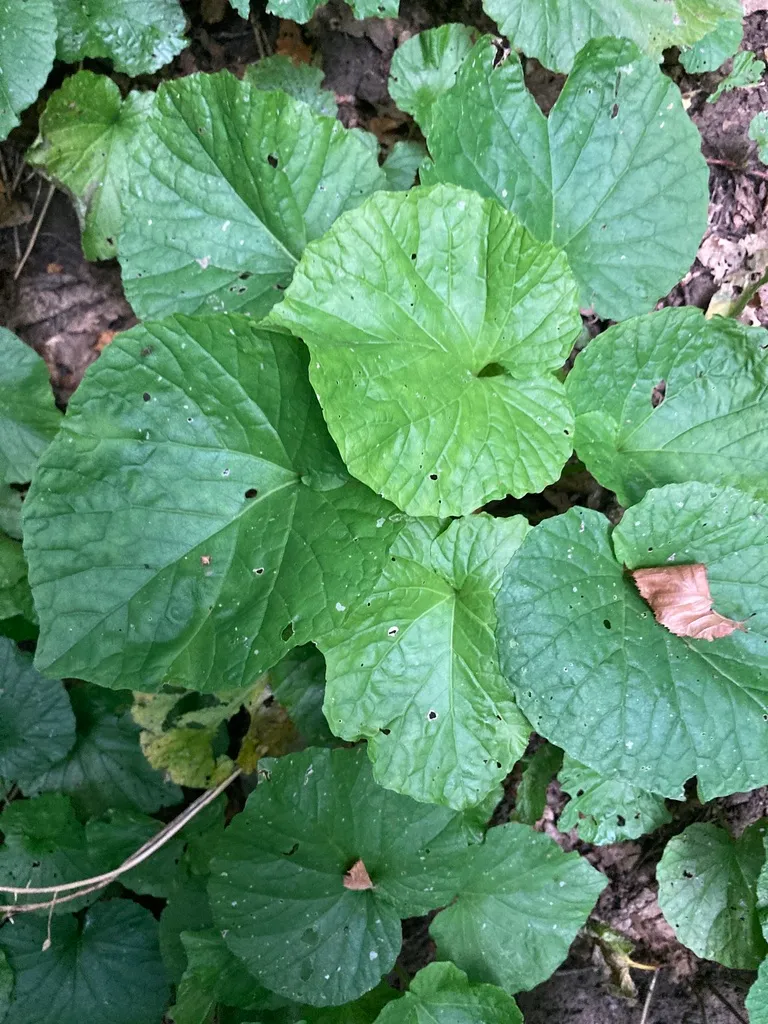
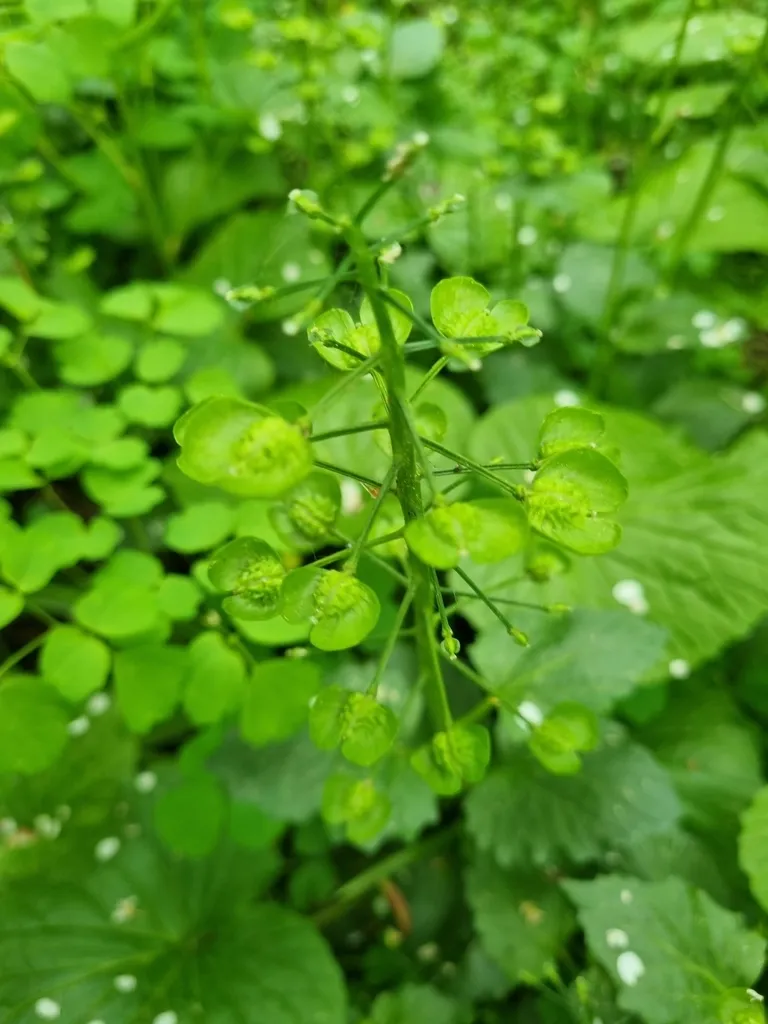
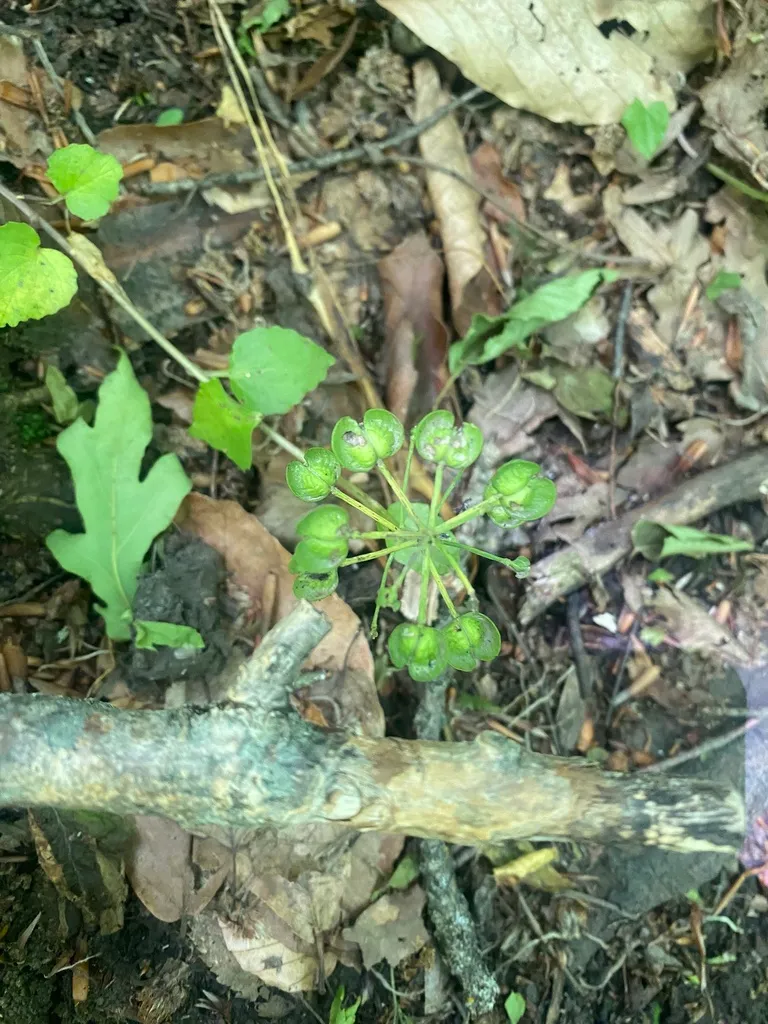
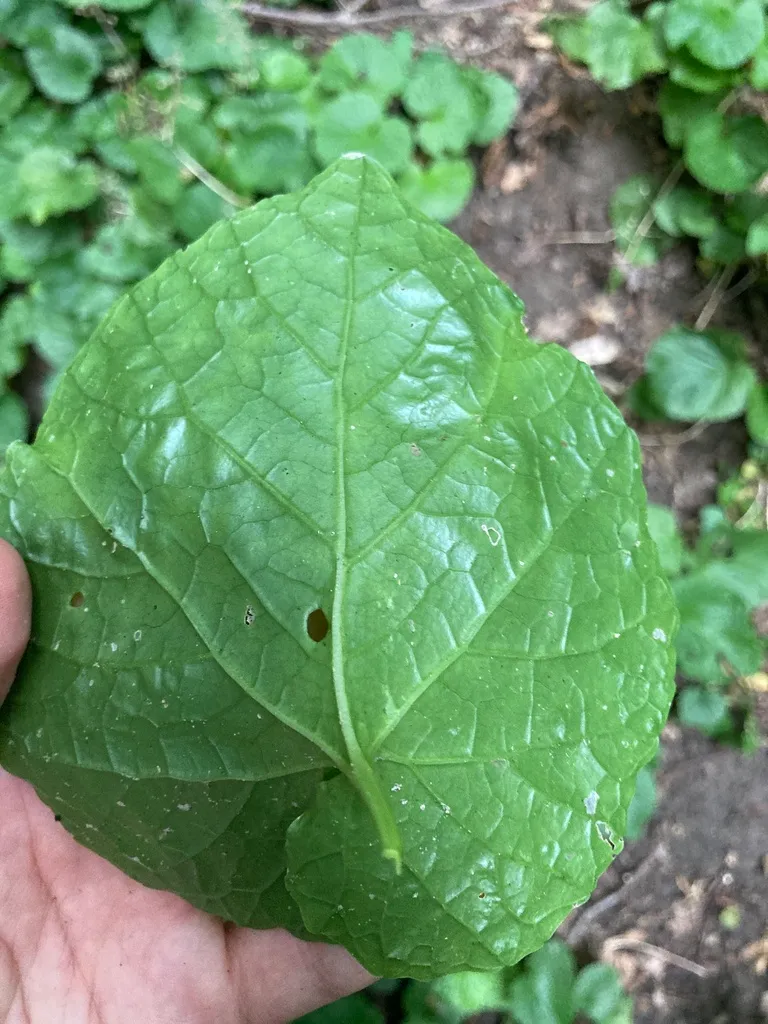
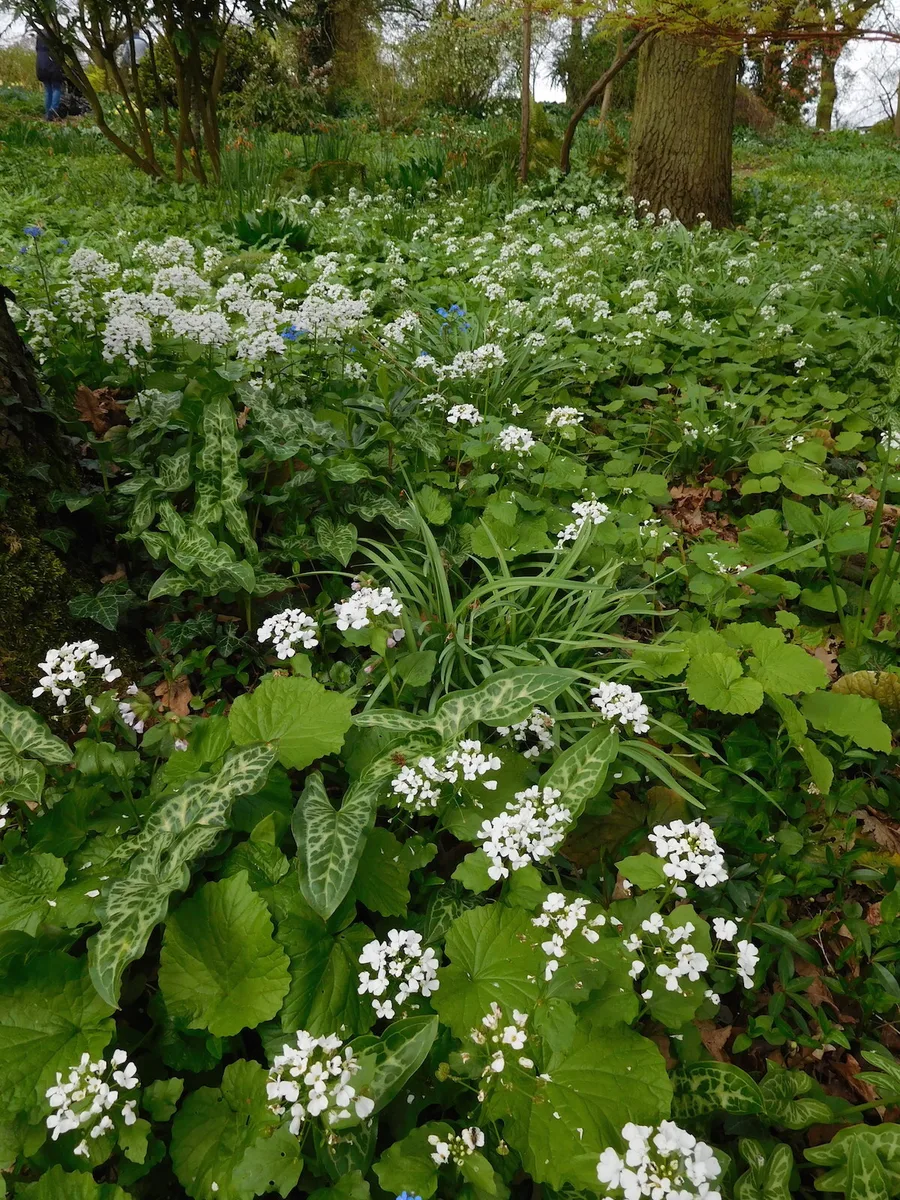
P. macrophyllum is a herbaceous perennial up to 40cm high with rounded, scalloped green basal leaves up to 10cm across in rosettes which partially persist over winter, smaller stem leaves, and flat clusters of small white flowers in spring, followed by small green fruits which are shaped like upside-down hearts
Scientific classification
- Species
- large-leaved pachyphragma (Pachyphragma macrophyllum)
- Genus
- Pachyphragma
- Family
- Brassicaceae
- Information to be completed
- Toxicity
- Herbaceous Perennial
- Plant type
- 0.1-0.5 metres
- Height
- 0.5-1 metres
- Spread
- Deciduous
- Foliage
- Clump forming
- Habit
- Spring · Summer · Autumn · Winter
- Season of interest
- Full shade · Partial shade
- Sunlight
- Information to be completed
- Ideal temperature









large-leaved pachyphragma pictures
Distribution of large-leaved pachyphragma
Distribution map
Caucasus Turkey
Information to be completed
Culture
Information to be completed
Toxicity
Information to be completed
Quick identification of large-leaved pachyphragma
Information to be completed
large-leaved pachyphragma care guide
- Evenly moist soil spring-summer, guard against full root drying out
- Watering
- Full shade · Partial shade
- Sunlight
- Information to be completed
- Ideal temperature

Watering
Evenly moist soil spring-summer, guard against full root drying out
Fertilizing
 Fertilizing
Balanced perennial feed every four weeks spring through summer growth
Pruning
 Pruning
No pruning required
Propagation
 Propagation
Propagate by seed in autumn, by division in spring, or by basal stem softwood cuttings in spring
Growing
 Growing
Grow in moderately fertile, moist leafy soil, preferably in partial shade, but it will also grow in full shade; it makes good ground cover beneath trees and deciduous shrubs
People also ask
Information to be completed
Common pests and diseases
Diseases
Generally disease-free
Pests
Generally pest-free but may be affected by slugs
Explore the plant health library →




