
rose [Tintinara]
Also known as: Information to be completed
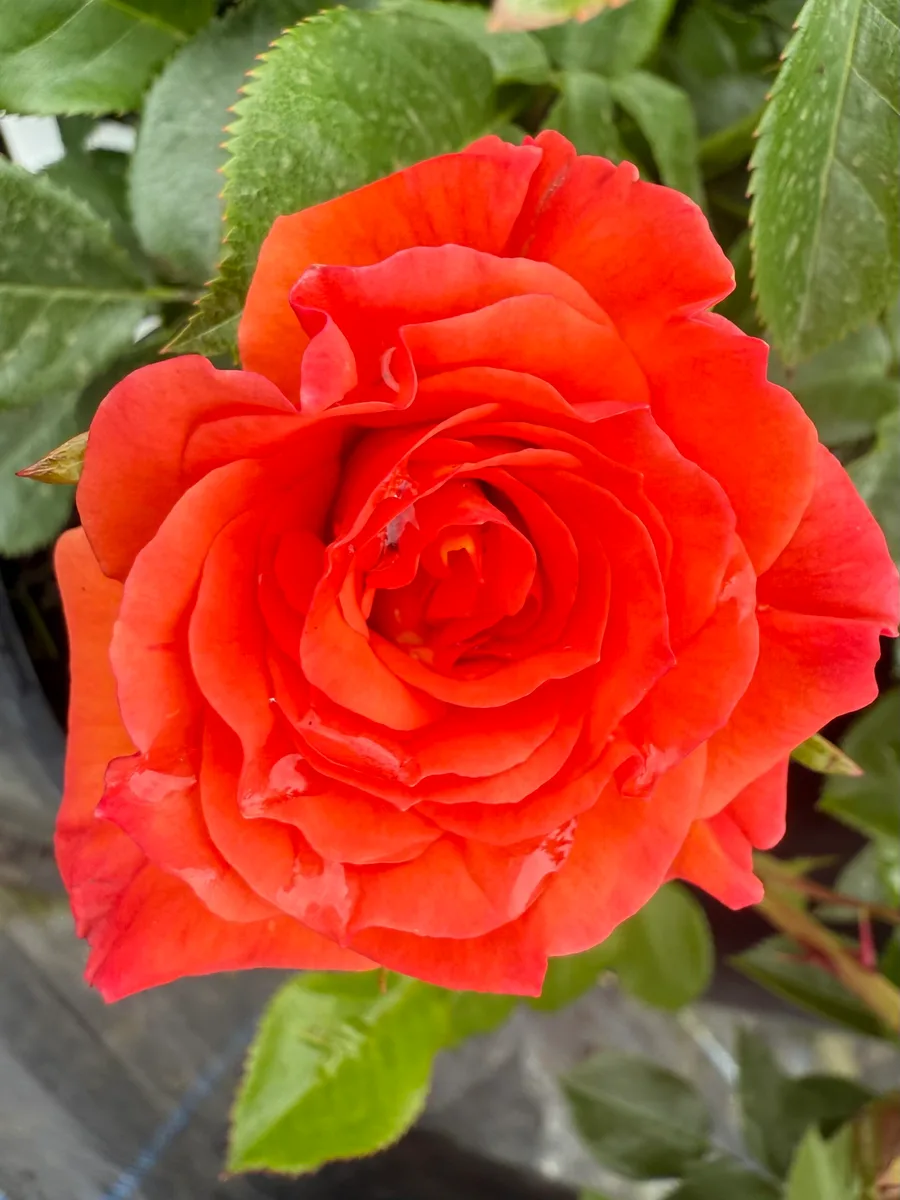
An upright decidous shrub with thorny stems, bearing dark green compound pinnate leaves, and solitary very fragrant red-orange flowers from spring to autumn.
Scientific classification
- Species
- rose [Tintinara] (Rosa Tintinara ('Dicuptight'))
- Genus
- Rosa
- Family
- Rosaceae
- Order
- Rosales
- Class
- Magnoliopsida
- Phylum
- Magnoliophyta
- Fruit are ornamental - not to be eaten. Wear gloves and other protective equipment when handling
- Toxicity
- Roses · Shrubs
- Plant type
- 1-1.5 metres
- Height
- 0.5-1 metres
- Spread
- Deciduous
- Foliage
- Columnar upright
- Habit
- Spring · Summer · Autumn
- Season of interest
- Full sun
- Sunlight
- Information to be completed
- Ideal temperature









rose [Tintinara] pictures
Toxicity
Fruit are ornamental - not to be eaten. Wear gloves and other protective equipment when handling
rose [Tintinara] care guide
- Deep root watering, allow slight surface drying before watering again
- Watering
- Full sun
- Sunlight

Watering
Deep root watering, allow slight surface drying before watering again
Fertilizing
 Fertilizing
Rose fertilizer every two to four weeks from spring through late summer
Pruning
 Pruning
Prune in late winter. See pruning roses
Propagation
 Propagation
Propagate by hardwood and softwood cuttings
Growing
 Growing
Will grow well in fertile, well-drained soil that has not previously been used to grow roses. Keep moist until established but avoid overhead watering.
Common pests and diseases
Diseases
May be susceptible to rose black spot, rose rust, rose powdery mildews, which are the most common rose diseases. May also be susceptible to rose dieback, replant disease, a canker, a virus and sometimes honey fungus
Pests
May be susceptible to aphids, scale insects, thrips
Explore the plant health library →




