
silvanberry
Also known as: American bramble
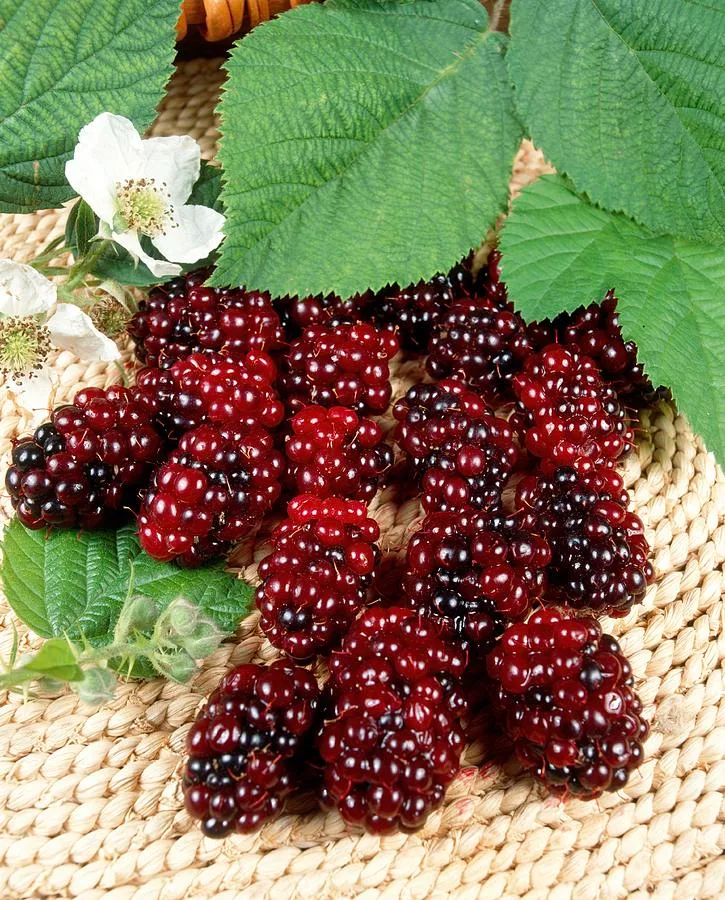
Blackberry 'Silvan' is suitable for culinary or dessert use and has attractive large, well-flavoured fruit. An early-ripening cultivar, it is very vigorous and thorny
Scientific classification
- Species
- silvanberry (Rubus 'Silvan')
- Genus
- Rubus
- Family
- Rosaceae
- Information to be completed
- Toxicity
- Fruit Edible
- Plant type
- 1.5-2.5 metres
- Height
- 4-8 metres
- Spread
- Deciduous
- Foliage
- Trailing
- Habit
- Spring · Summer · Autumn
- Season of interest
- Full sun
- Sunlight
- Information to be completed
- Ideal temperature









silvanberry pictures
Distribution of silvanberry
Distribution map
Information to be completed
Information to be completed
Culture
Information to be completed
Toxicity
Information to be completed
Quick identification of silvanberry
Information to be completed
silvanberry care guide
- Moderate regular watering, avoid prolonged drought or waterlogging
- Watering
- Full sun
- Sunlight
- Information to be completed
- Ideal temperature

Watering
Moderate regular watering, avoid prolonged drought or waterlogging
Fertilizing
 Fertilizing
Balanced feed in spring and light repeat in growth season
Pruning
 Pruning
Usually fan trained, but blackberries can be trained in many creative ways. The principle is cut out fruited canes, leaving new growth to train in for fruiting the following year. Further advice on pruning blackberries
Propagation
 Propagation
Propagate by tip layering or from cuttings
Growing
 Growing
Grow in well-drained, deep soil that has been enriched with organic matter such as well-rotted manure or compost
People also ask
Information to be completed
Common pests and diseases
Diseases
May be susceptible to grey moulds and honey fungus (rarely)
Pests
May be susceptible to aphids, leafhoppers, raspberry beetle and gall mites
Explore the plant health library →




