
hairy bittercress
Also known as: lamb's cress
A widespread hardy annual which readily self-seeds in gardens, often appearing when soil is disturbed or in nursery containers. It can produce several generations of plants in one growing season. Small white flowers appear in spring, summer, autumn and in mild winters. These are bourne on thin stems above a basal rosette of lobed pinnate leaves. The flowers are followed by explosive seed pods which distribute extensive quantities of seed. It can be grown as a salad vegetable
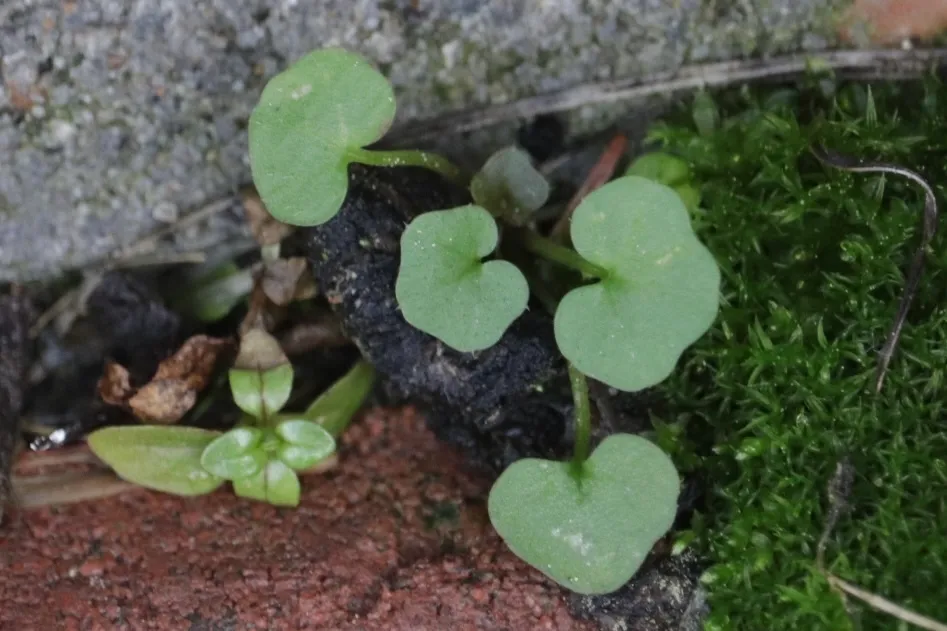
Scientific classification
- Species
- hairy bittercress (Cardamine hirsuta)
- Genus
- Cardamine
- Family
- Brassicaceae
- Order
- Brassicales
- Class
- Magnoliopsida
- Phylum
- Magnoliophyta
- Information to be completed
- Toxicity
- Annual Biennial
- Plant type
- 0.1-0.5 metres
- Height
- 0-0.1 metre
- Spread
- Semi evergreen
- Foliage
- Clump forming
- Habit
- Spring · Summer · Autumn · Winter
- Season of interest
- Full sun · Partial shade
- Sunlight
- Information to be completed
- Ideal temperature









hairy bittercress pictures
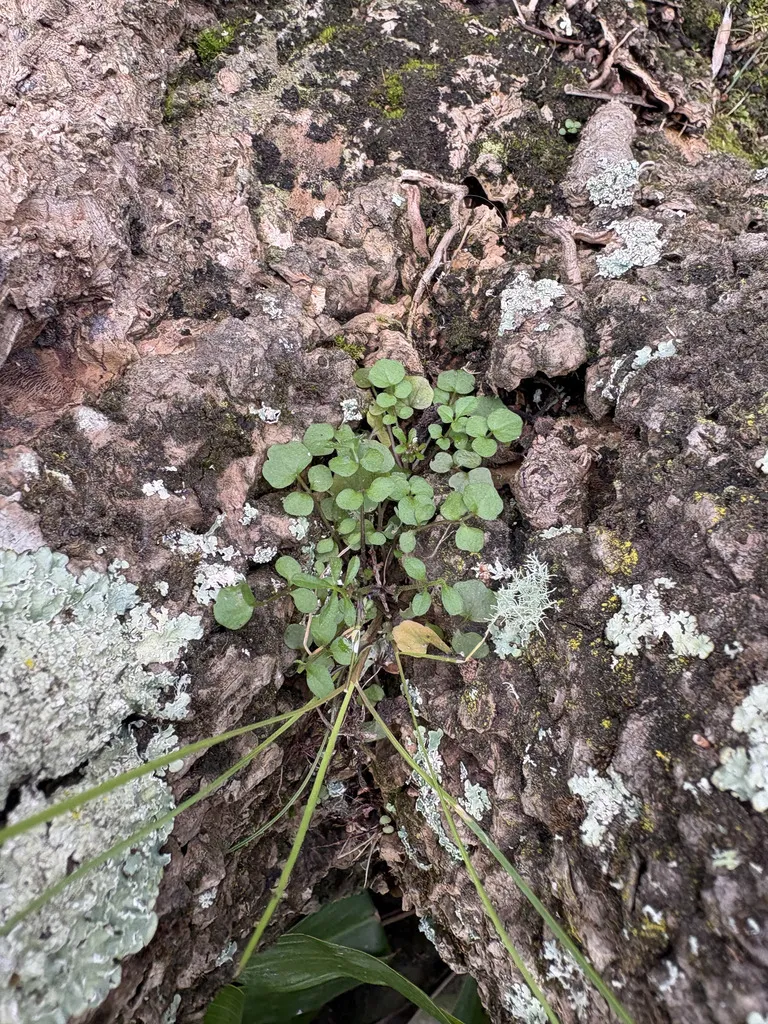
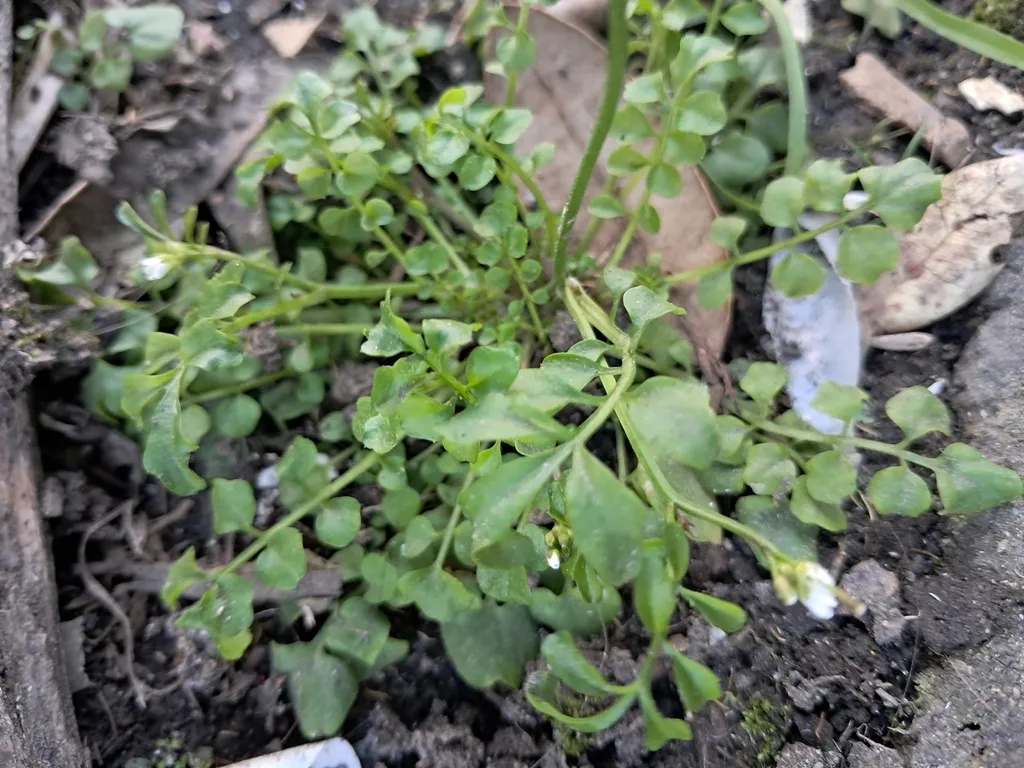
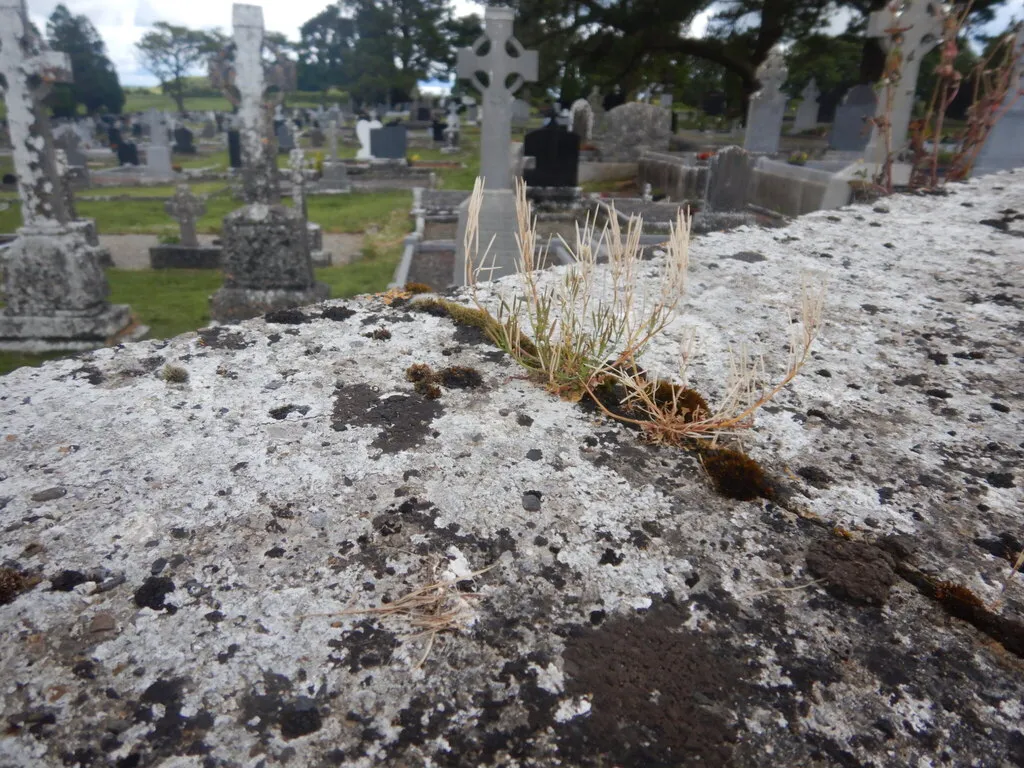
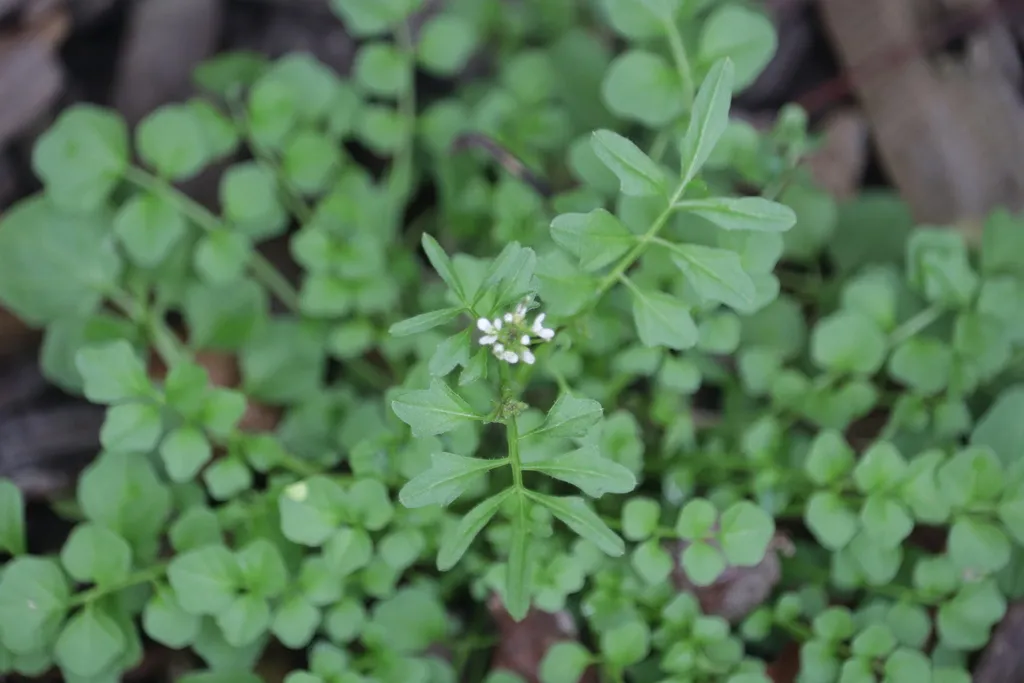
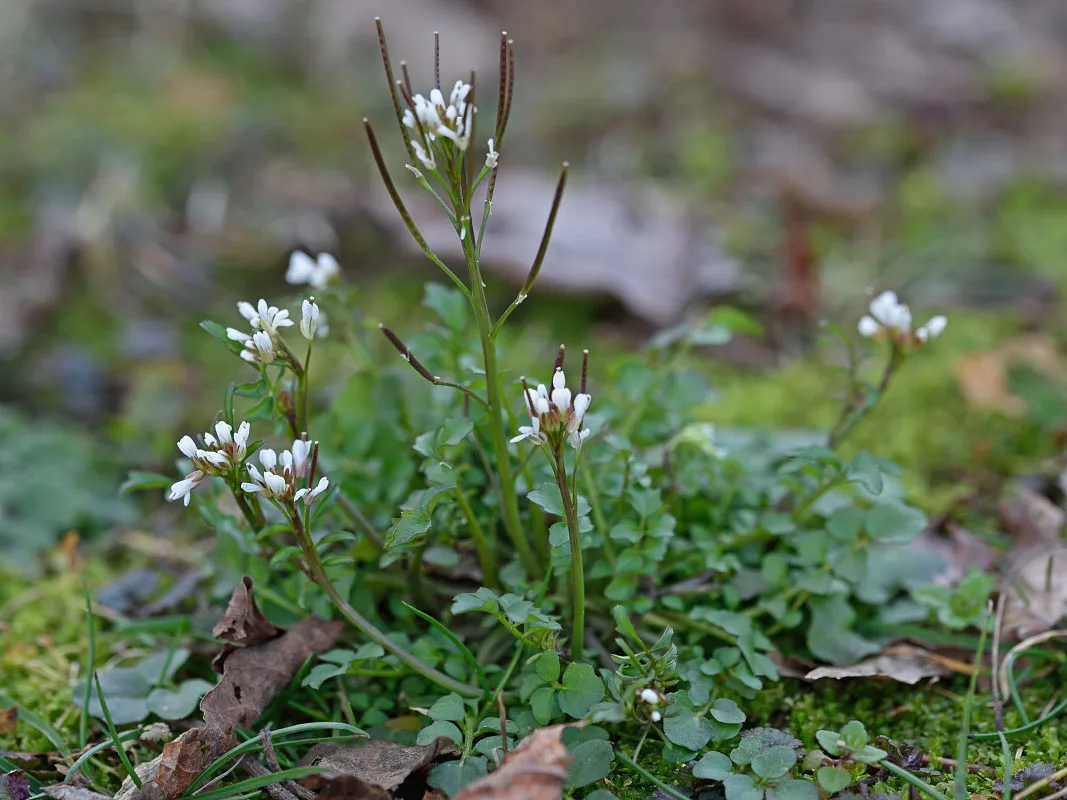
Distribution of hairy bittercress
Distribution map
- Native
- Introduced
- Cultivated
Source:WCVP v16 · Royal Botanic Gardens, Kew · CC BY 3.0 · Boundaries:WGSRPD / TDWG
hairy bittercress care guide
- Light regular watering, tolerates brief damp ground conditions
- Watering
- Full sun · Partial shade
- Sunlight

Watering
Light regular watering, tolerates brief damp ground conditions
Fertilizing
 Fertilizing
Diluted mild feed once monthly during active leaf growth
Pruning
 Pruning
No pruning required
Propagation
 Propagation
Propagate by seed. See sowing vegetable seeds
Growing
 Growing
This plant has traditionally been regarded as a garden weed or wildflower, but it can be grown as an edible addition to salads. Bear in mind it can create large colonies if allowed to self-seed and has the potential to become a nuisance. To prevent this, remove the flowers before they set seed. Eradicate unwanted plants by hand weeding or hoeing. See bittercress for further advice
Common pests and diseases
Diseases
Generally disease-free
Pests
May be susceptible to flea beetles and aphids
Explore the plant health library →




