
creeping thistle
Also known as: Californian thistle; Canada thistle; North American cursed thistle; prickly thistle; swamp thistle; way thistle
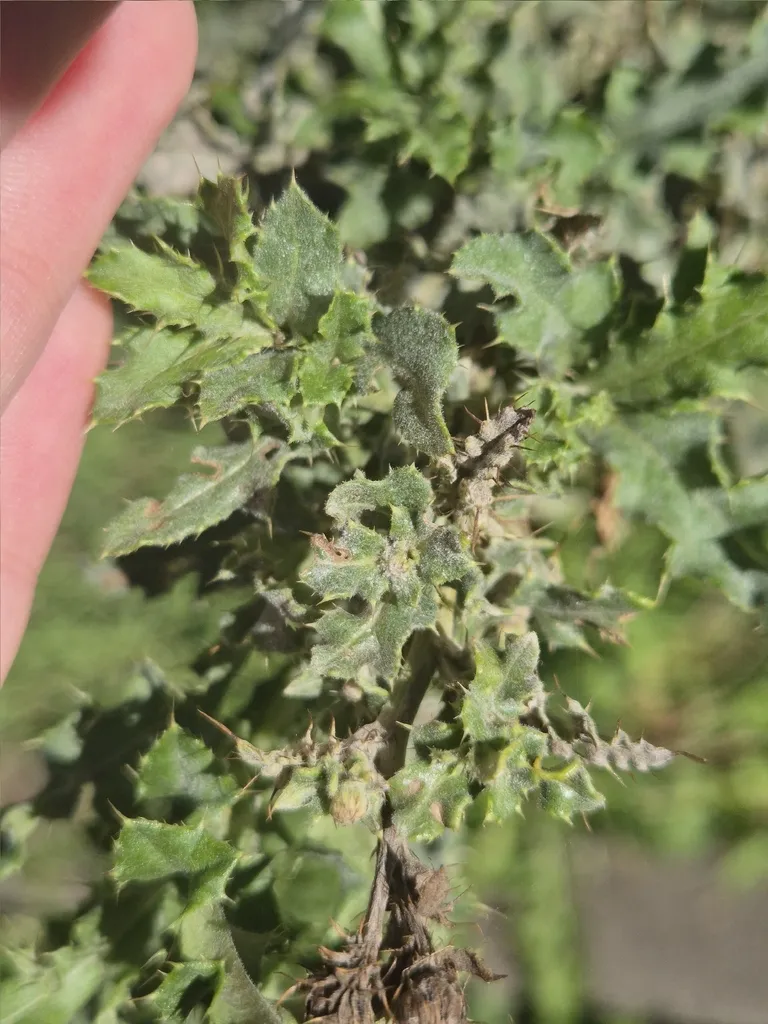
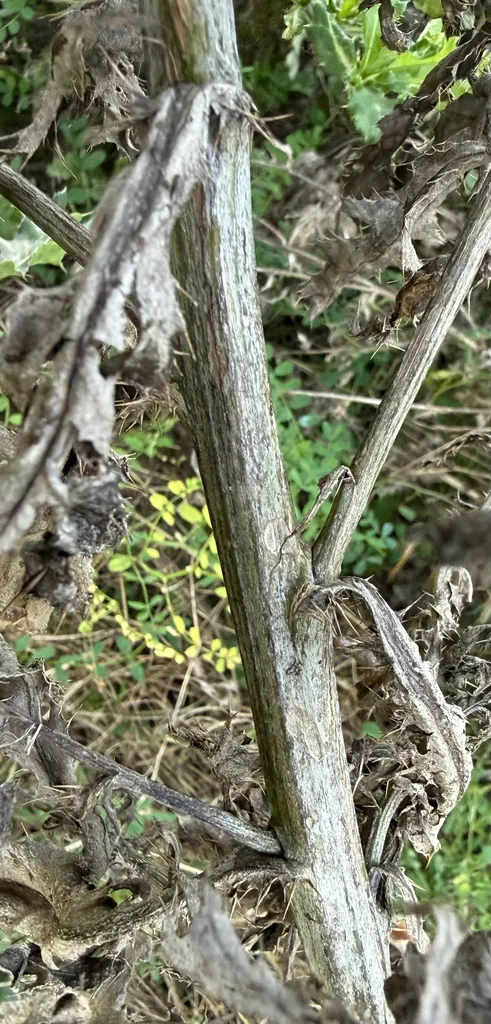
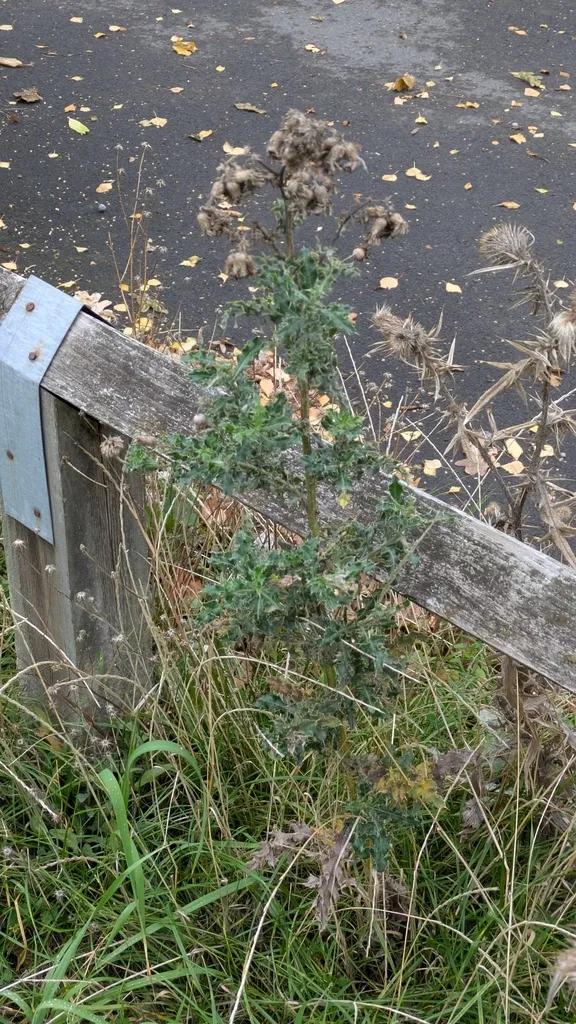
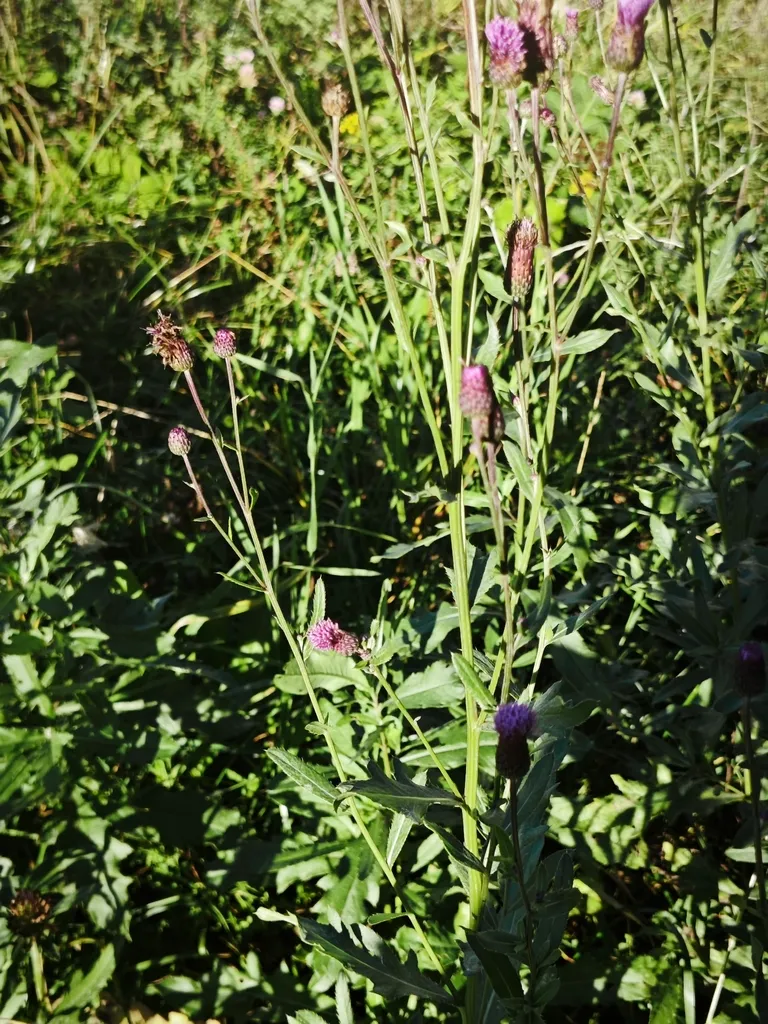
Creeping thistle is a perennial reaching 1m in height. Pinky-lilac flowers, 10-15mmare borne in clusters between June and September. These become the classic thistledown for wind dispersal. Stems are generally spineless and unwinged, although leaves are pinnately lobed and spiny. The thistle colonises by underground rhizomes. This is a noxious and harmful weed and the RHS would suggest not growing it
Scientific classification
- Species
- creeping thistle (Cirsium arvense)
- Genus
- Cirsium
- Family
- Asteraceae
- Order
- Asterales
- Class
- Magnoliopsida
- Phylum
- Tracheophyta
- Information to be completed
- Toxicity
- Herbaceous Perennial
- Plant type
- 0.5-1 metres
- Height
- 0.5-1 metres
- Spread
- Evergreen
- Foliage
- Columnar upright
- Habit
- Spring · Summer · Autumn · Winter
- Season of interest
- Full sun
- Sunlight
- Information to be completed
- Ideal temperature









creeping thistle pictures
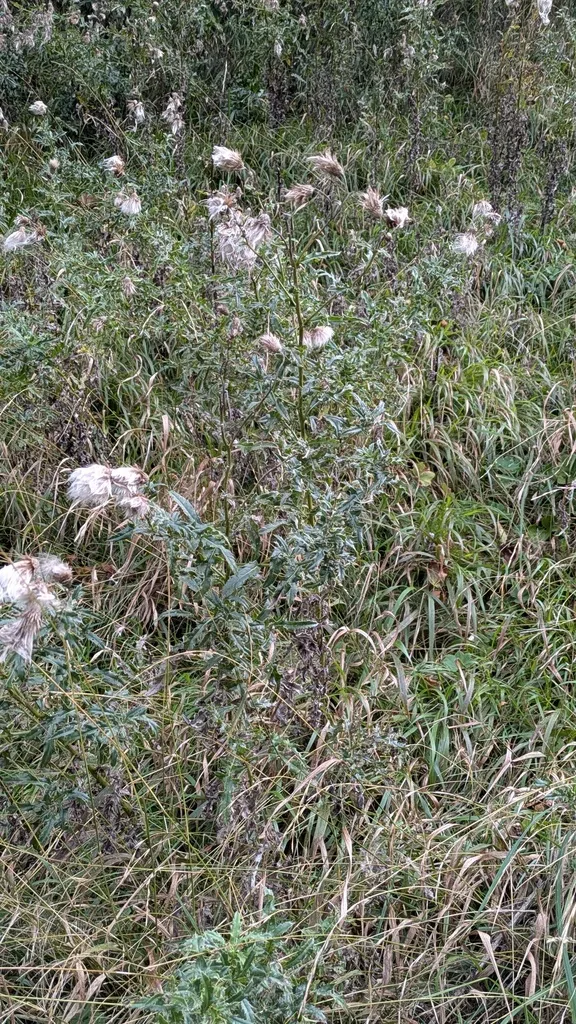
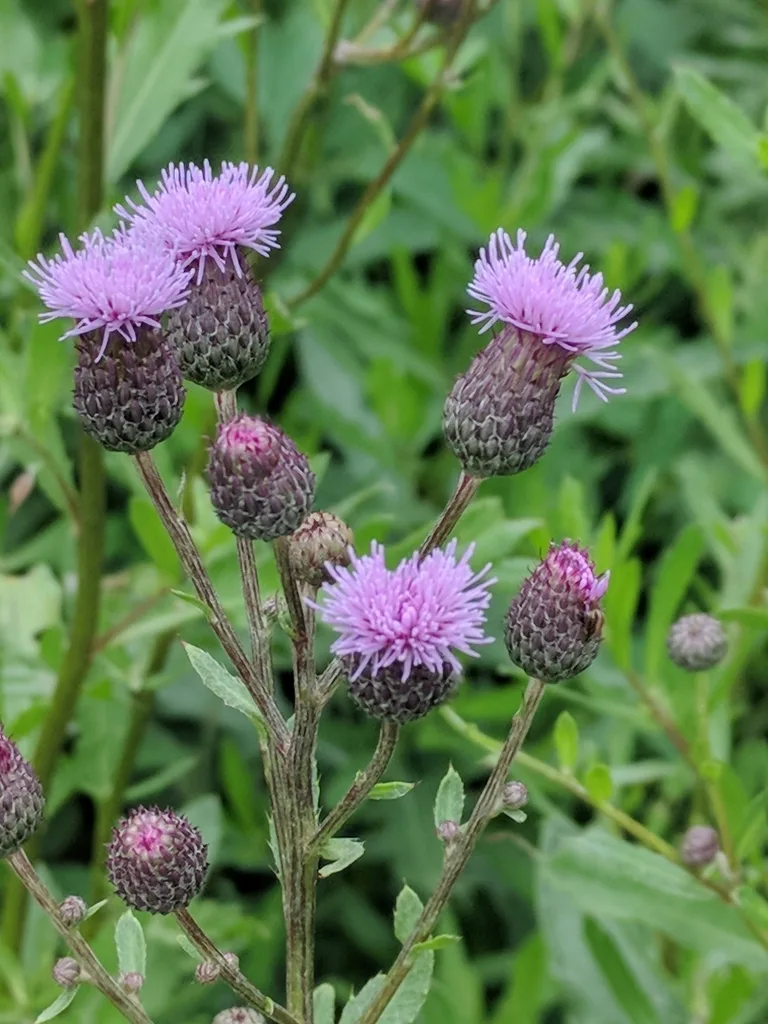
Distribution of creeping thistle
Distribution map
- Native
- Introduced
- Cultivated
Source:WCVP v16 · Royal Botanic Gardens, Kew · CC BY 3.0 · Boundaries:WGSRPD / TDWG
creeping thistle care guide
- Highly adaptable, survives dry and moderately moist soil conditions
- Watering
- Full sun
- Sunlight

Watering
Highly adaptable, survives dry and moderately moist soil conditions
Fertilizing
 Fertilizing
Minimal feeding required, small organic dose once yearly suffices
Pruning
 Pruning
None required
Propagation
 Propagation
Creeping thistle is classed as a harmful weed so should not be planted in the wild
Growing
 Growing
Creeping thistle grows in disturbed ground or grassy places. Due to its detrimental affect on agriculture, landowners have duty to prevent such harmful weeds spreading to neighbouring agricultural land
Common pests and diseases
Diseases
Trouble-free
Pests
Trouble-free
Explore the plant health library →




