
blue bramble
Also known as: dewberry; European dewberry; theve thorn
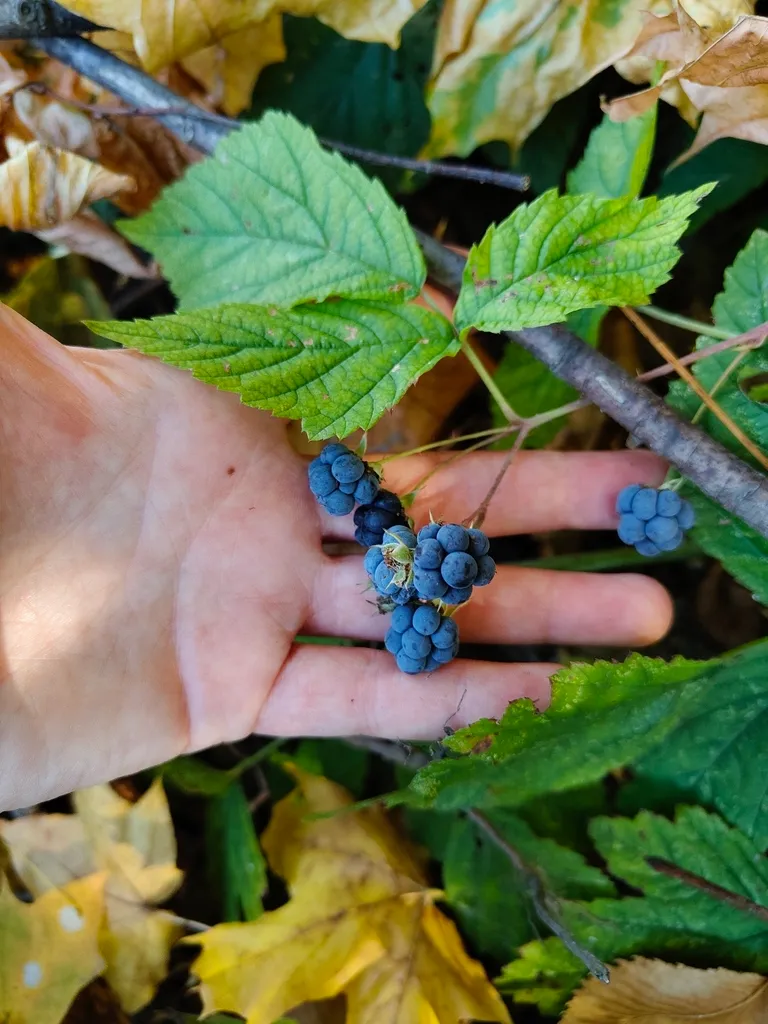
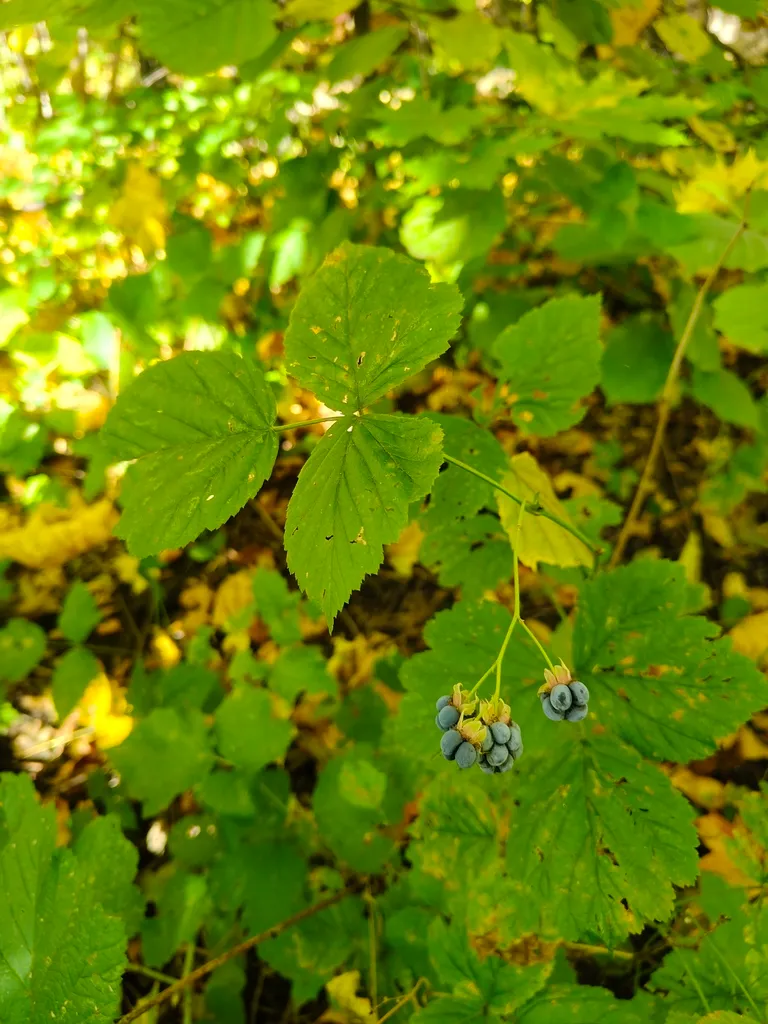
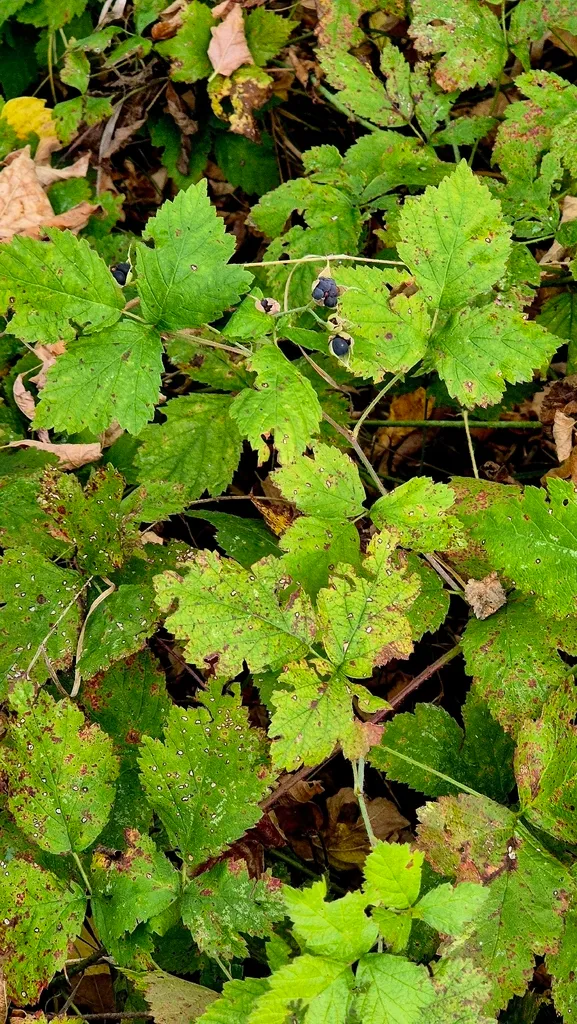
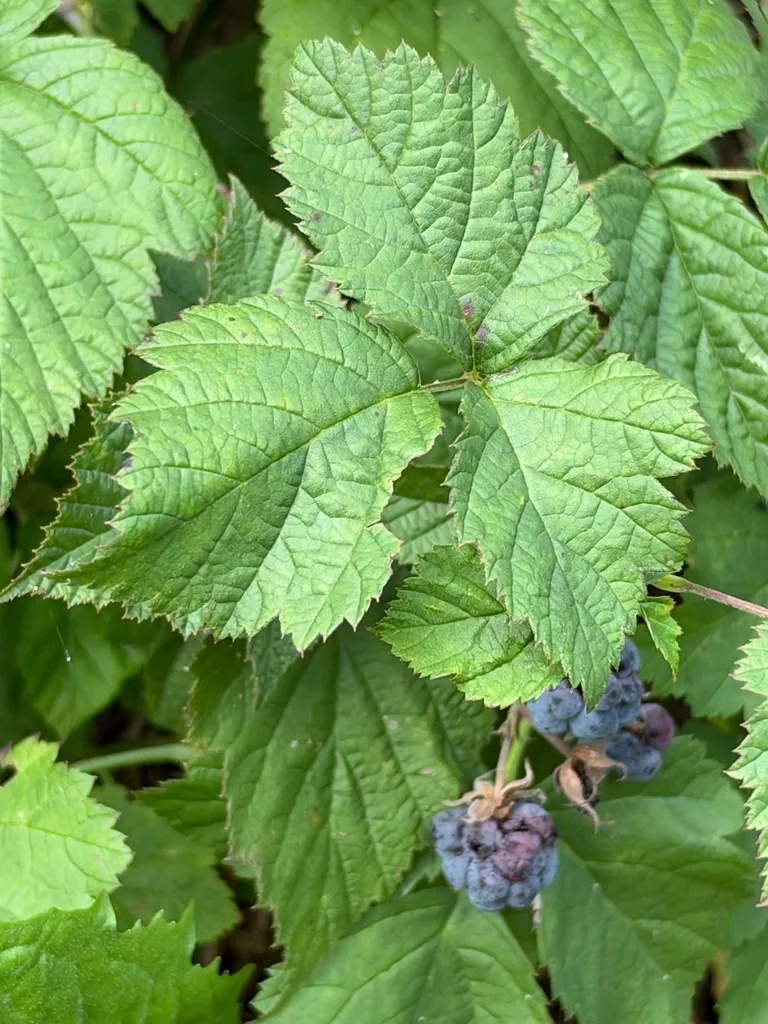
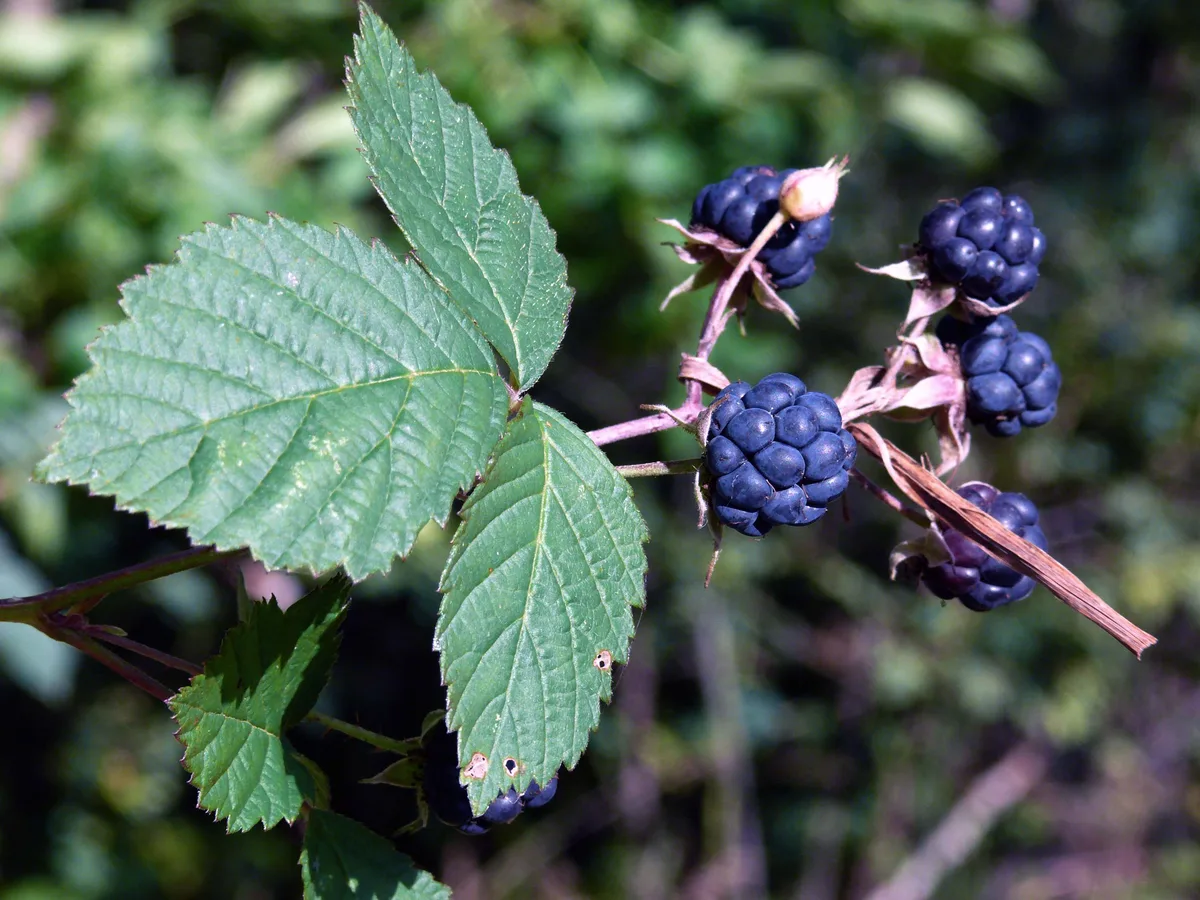
A deciduous woody plant, similar to a bramble, that will trail as groundcover or grow upwards if given support. White flowers are followed by bluish-black fruits that are smaller than blackberries. Stems will flower and bear fruit in their second year, then die back
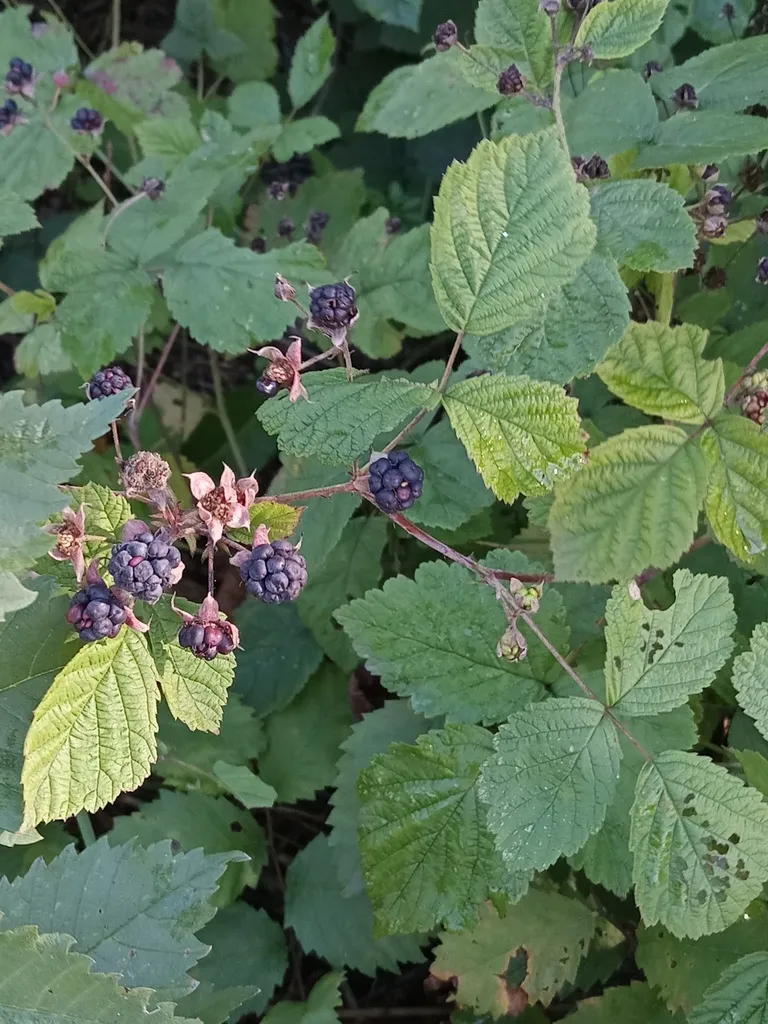
Scientific classification
- Species
- blue bramble (Rubus caesius)
- Genus
- Rubus
- Family
- Rosaceae
- Information to be completed
- Toxicity
- Shrubs · Climber Wall Shrub · Fruit Edible
- Plant type
- 1.5-2.5 metres
- Height
- 1-1.5 metres
- Spread
- Deciduous
- Foliage
- Matforming · Trailing · Climbing
- Habit
- Spring · Summer · Autumn
- Season of interest
- Full sun · Partial shade
- Sunlight
- Information to be completed
- Ideal temperature









blue bramble pictures
Distribution of blue bramble
Distribution map
Information to be completed
Information to be completed
Culture
Information to be completed
Toxicity
Information to be completed
Quick identification of blue bramble
Information to be completed
blue bramble care guide
- Moderate regular watering, allowing brief slight drying between soakings
- Watering
- Full sun · Partial shade
- Sunlight
- Information to be completed
- Ideal temperature

Watering
Moderate regular watering, allowing brief slight drying between soakings
Fertilizing
 Fertilizing
Balanced perennial feed every four weeks from spring through summer
Pruning
 Pruning
Prune out old fruited stems
Propagation
 Propagation
Propagate by seed or by tip layering, which it does naturally
Growing
 Growing
Grows well in sun or partial shade in free-draining soil. Can be kept under control with annual pruning and removal of newly rooted sections of stem
People also ask
Information to be completed
Common pests and diseases
Diseases
May be susceptible to grey moulds and honey fungus (rarely)
Pests
Generally pest-free
Explore the plant health library →




