
stinking Himalayan viburnum
Also known as: Information to be completed
A dense, rounded to spreading shrub up to 3m tall with ovate, dark green, prominently veined leaves. Dense clusters of fragrant, white flowers, sometimes pale pink in bud, open on bare branches in winter and may be followed by ovoid red fruits that turn black
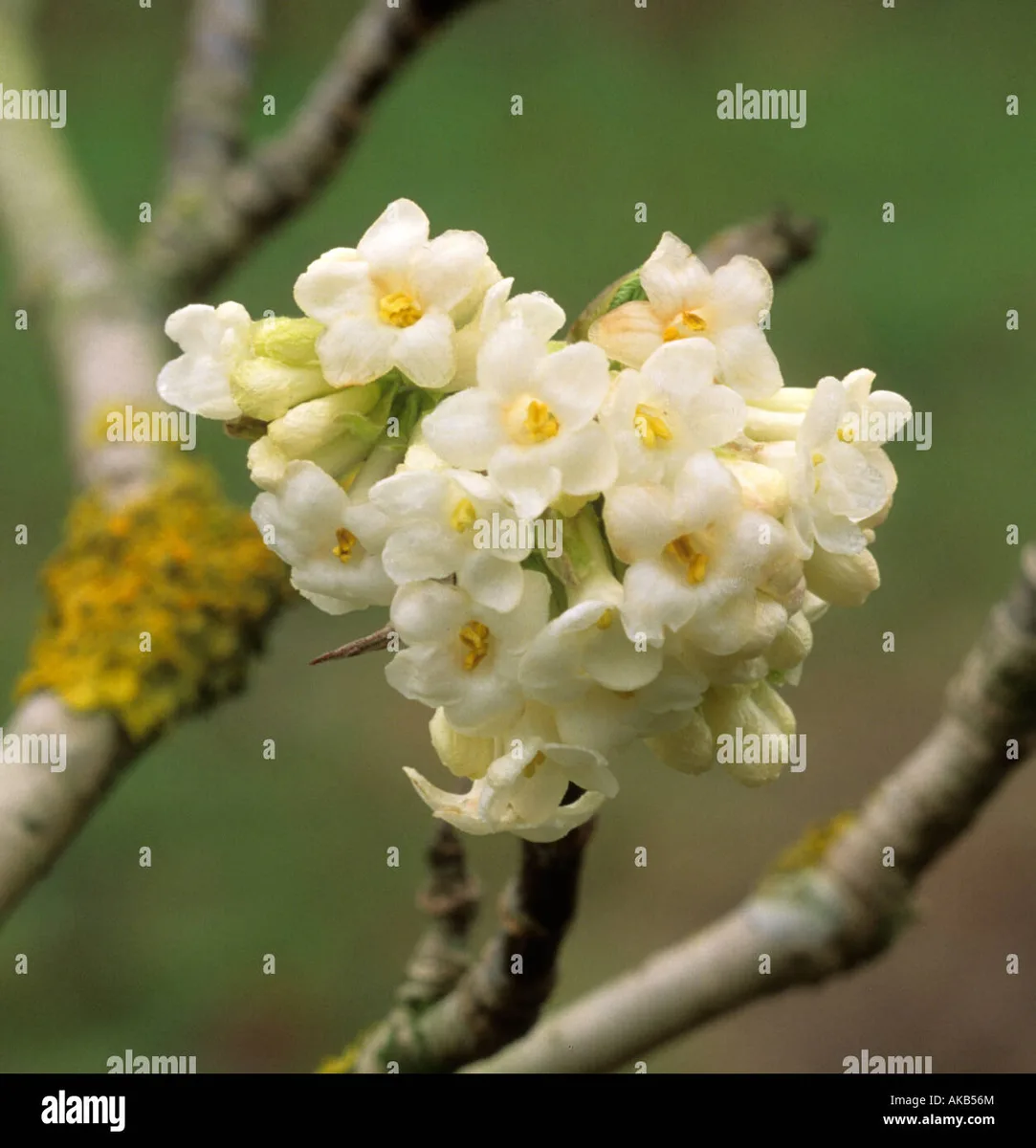
Scientific classification
- Species
- stinking Himalayan viburnum (Viburnum grandiflorum f. foetens)
- Genus
- Viburnum
- Family
- Adoxaceae
- Order
- Dipsacales
- Class
- Magnoliopsida
- Phylum
- Magnoliophyta
- Fruit are ornamental - not to be eaten. Wear gloves and other protective equipment when handling
- Toxicity
- Shrubs
- Plant type
- 2.5-4 metres
- Height
- 2.5-4 metres
- Spread
- Deciduous
- Foliage
- Bushy
- Habit
- Spring · Summer · Autumn · Winter
- Season of interest
- Full sun · Partial shade
- Sunlight
- Information to be completed
- Ideal temperature









stinking Himalayan viburnum pictures
Distribution of stinking Himalayan viburnum
Distribution map
- Native
- Introduced
- Cultivated
Source:WCVP v16 · Royal Botanic Gardens, Kew · CC BY 3.0 · Boundaries:WGSRPD / TDWG
Toxicity
Fruit are ornamental - not to be eaten. Wear gloves and other protective equipment when handling
stinking Himalayan viburnum care guide
- Evenly damp root soil, deep irrigate during prolonged summer dry spells
- Watering
- Full sun · Partial shade
- Sunlight

Watering
Evenly damp root soil, deep irrigate during prolonged summer dry spells
Fertilizing
 Fertilizing
Balanced viburnum shrub feed twice yearly early spring and mid-summer
Pruning
 Pruning
Usually little pruning is needed. Lightly shape if necessary, removing dead, damaged or diseased shoots. Prune after flowering.
Propagation
 Propagation
Propagate by seed, by softwood cuttings in summer or by layering
Growing
 Growing
Grow in moisture-retentive soil in sun or partial shade; does well in chalky soils
Common pests and diseases
Diseases
May be susceptible to Phytophthora, honey fungus, grey moulds and leaf spot
Pests
May be susceptible to aphids and viburnum beetle
Explore the plant health library →




