
Cretan zelkova
Also known as: Information to be completed
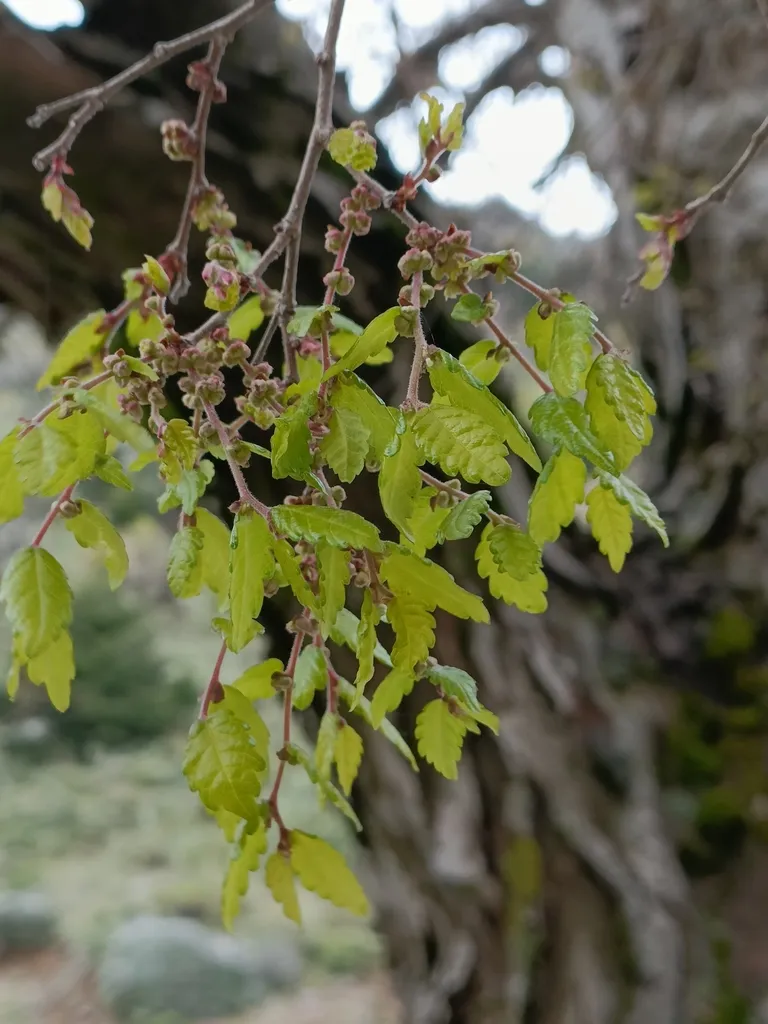
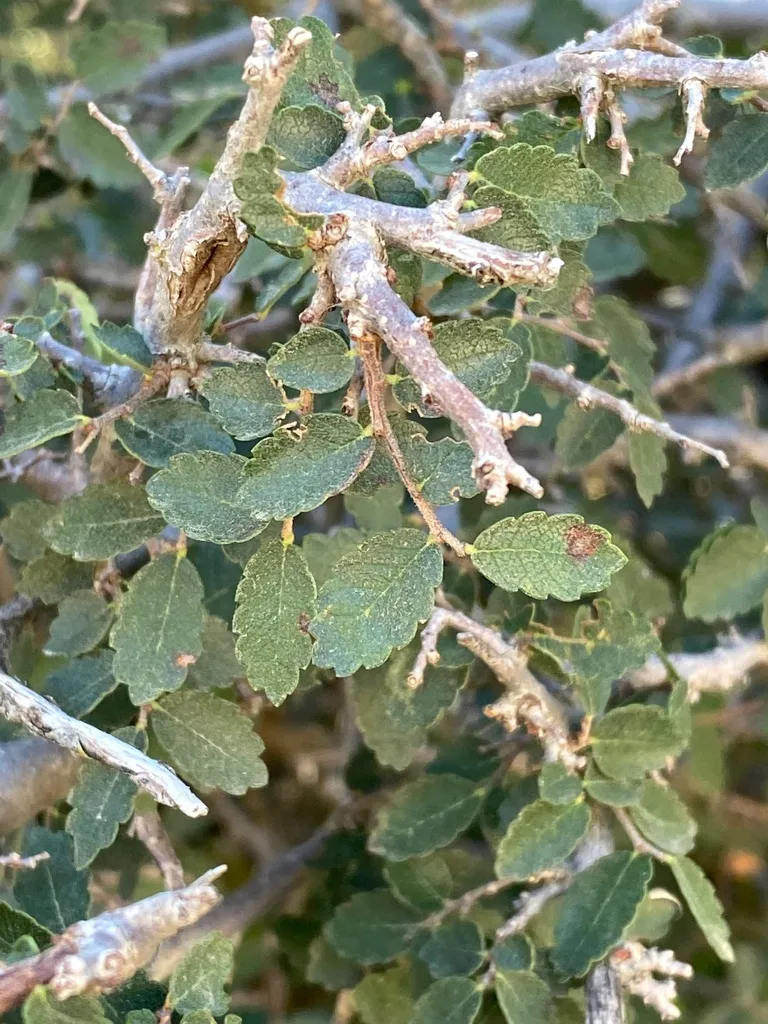
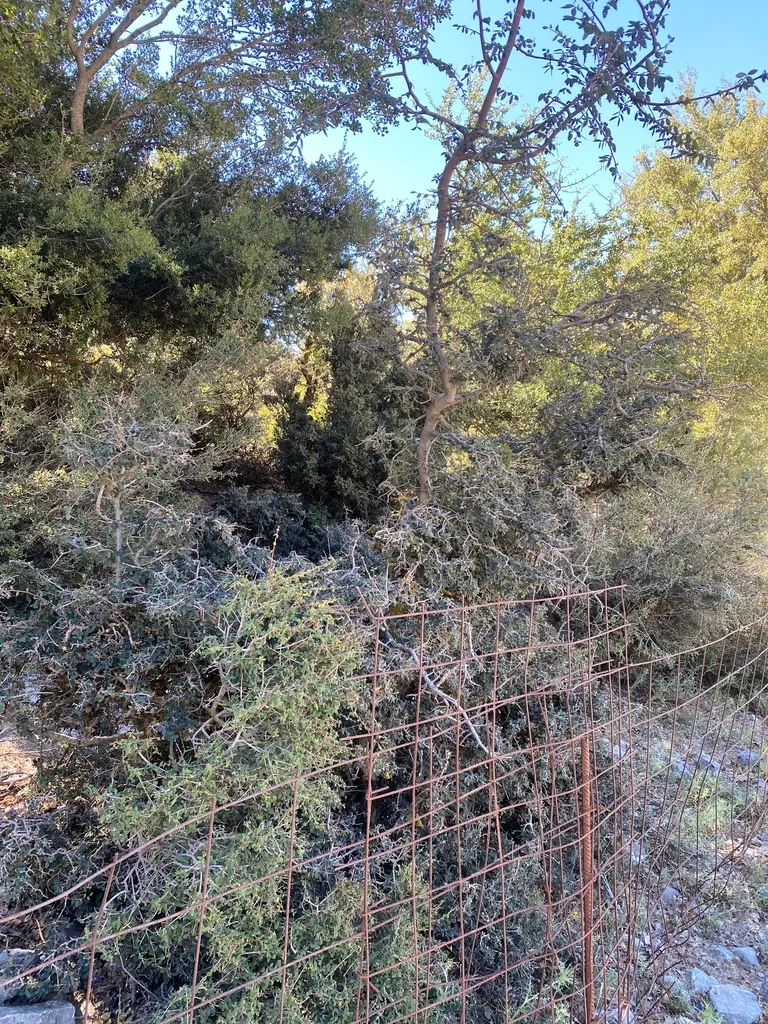
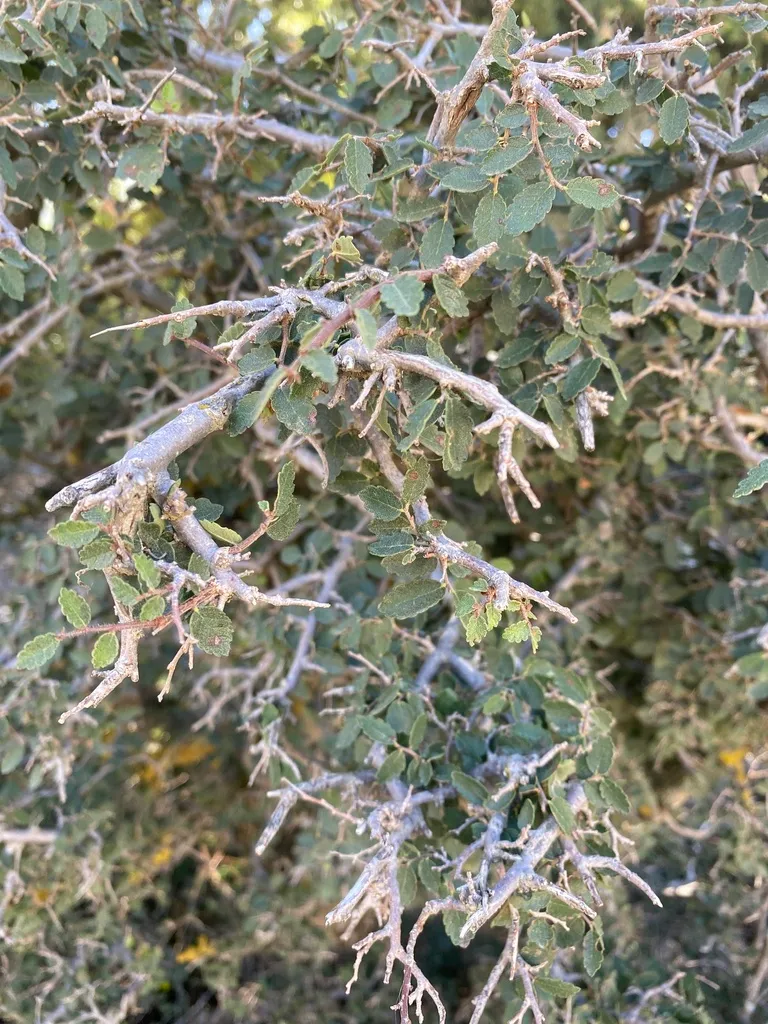
A rare, deciduous shrub to small tree, eventually reaching 4m (13ft) high by as much across. small oval, mid-green leaves, crenulated at their margins, are produced on reddish-brown stems. Tiny, white, scented flowers are borne in short panicles in late spring, followed by winged seeds. Of Cretan origin, this shrub prefers a sheltered spot in warmer gardens to do well. Its relatively small size means it is a good choice for urban city gardens, where spece is limited and the temperatures are likley to be warmer than in more rural, or northerly locations
Scientific classification
- Species
- Cretan zelkova (Zelkova abelicea)
- Genus
- Zelkova
- Family
- Ulmaceae
- Information to be completed
- Toxicity
- Shrubs
- Plant type
- 4-8 metres
- Height
- 4-8 metres
- Spread
- Deciduous
- Foliage
- Bushy
- Habit
- Autumn · Spring · Summer · Winter
- Season of interest
- Full sun
- Sunlight
- Information to be completed
- Ideal temperature









Cretan zelkova pictures
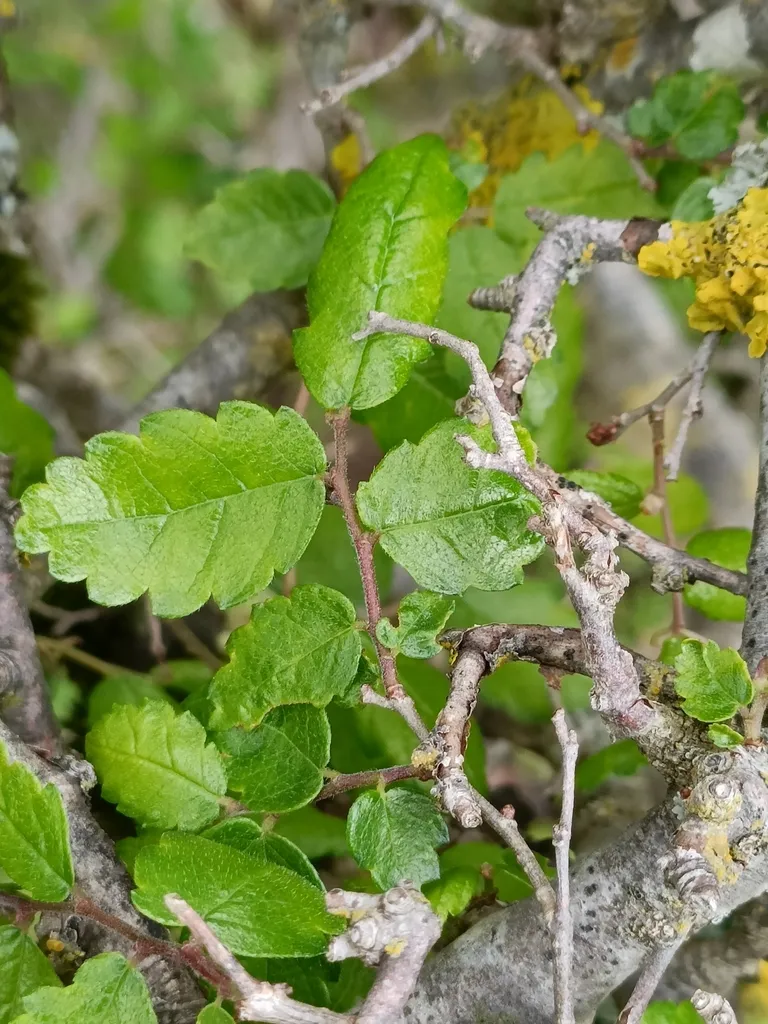
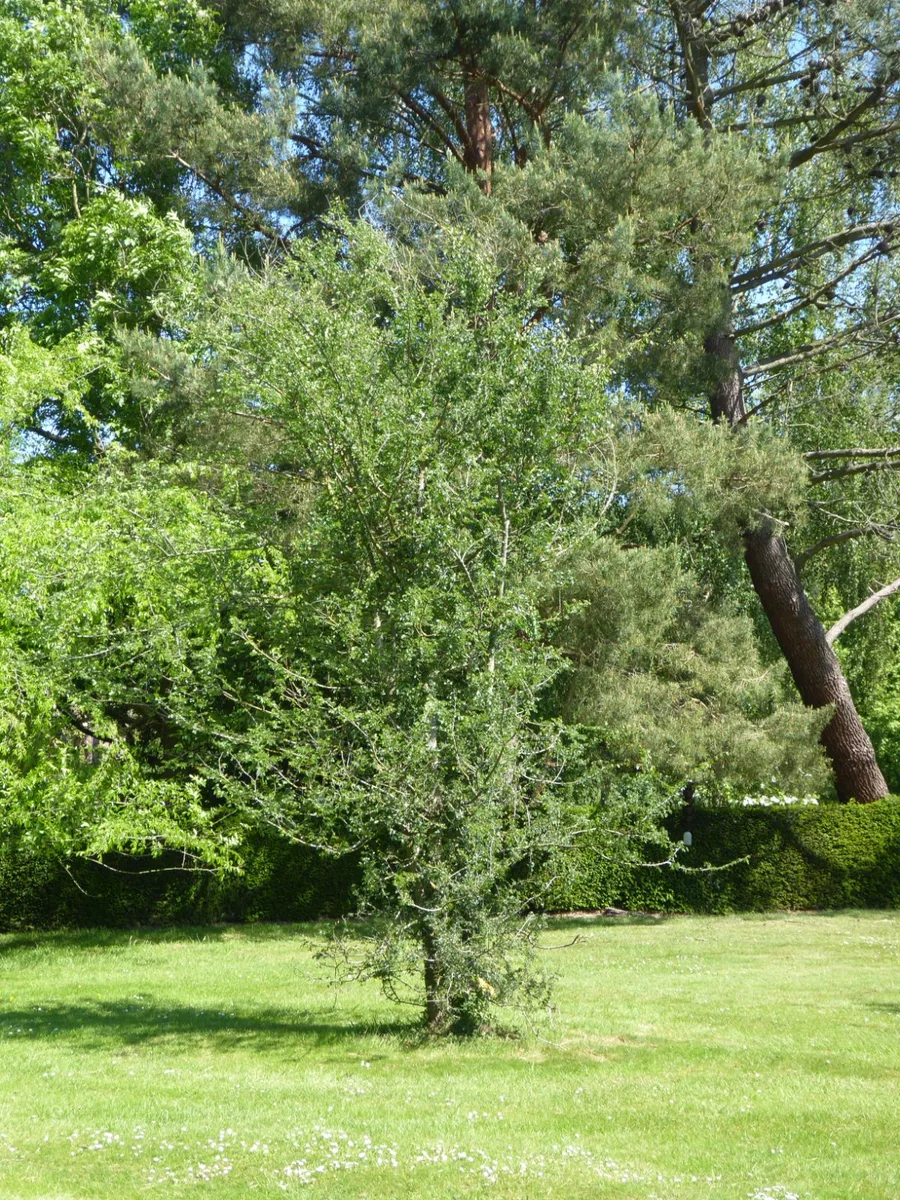
Distribution of Cretan zelkova
Distribution map
Crete
Information to be completed
Culture
Information to be completed
Toxicity
Information to be completed
Quick identification of Cretan zelkova
Information to be completed
Cretan zelkova care guide
- Moderate regular watering, avoid prolonged drought or waterlogging
- Watering
- Full sun
- Sunlight
- Information to be completed
- Ideal temperature

Watering
Moderate regular watering, avoid prolonged drought or waterlogging
Fertilizing
 Fertilizing
Balanced feed in spring and light repeat in growth season
Pruning
 Pruning
Little pruning is needed. Remove diseased, damaged, crowded or crossing shoots and unwanted growth. Timing depends on the plant: generally late winter or early spring; plants prone to bleeding and deciduous magnolias need different timing, and deciduous azaleas and lilacs are pruned after flowering.
Propagation
 Propagation
Propagate by softwood cuttings from young plants in summer, grafting in winter. Propagate from seed (tree/shrub) sown outdoors in autumn
Growing
 Growing
Grows well in any well-drained soil in a warm, sheltered position and full sun
People also ask
Information to be completed
Common pests and diseases
Diseases
May be susceptible to honey fungus (rarely)
Pests
May be susceptible to horse chestnut scale insects
Explore the plant health library →




