
Viburnum mullaha
Also known as: Information to be completed
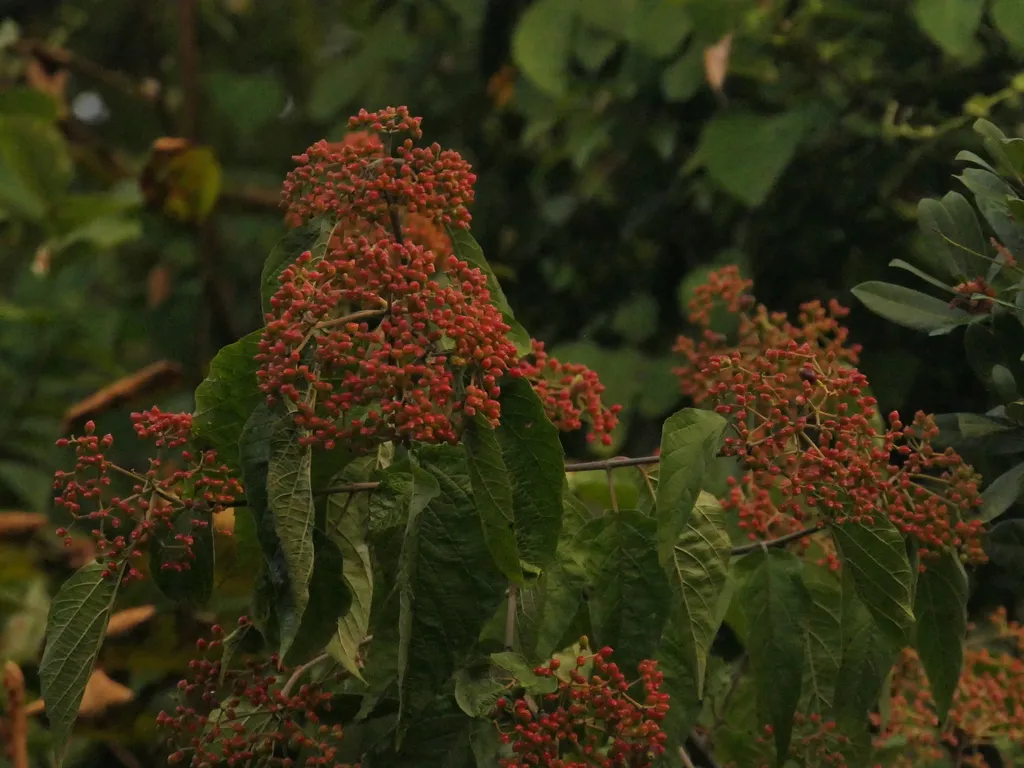
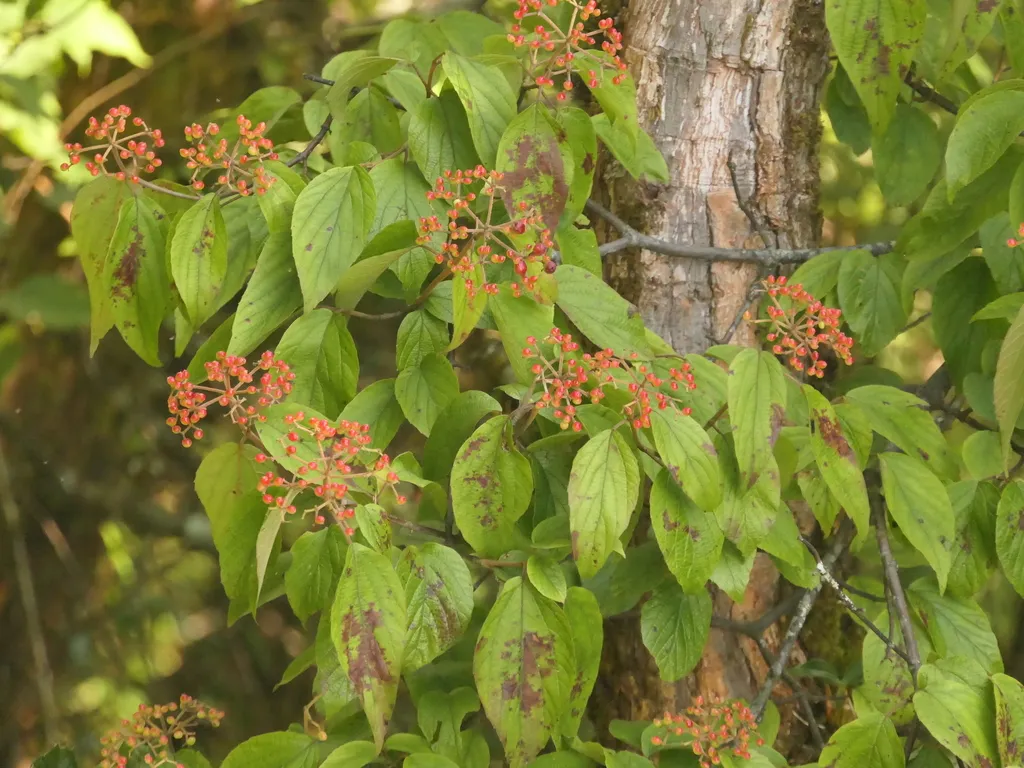
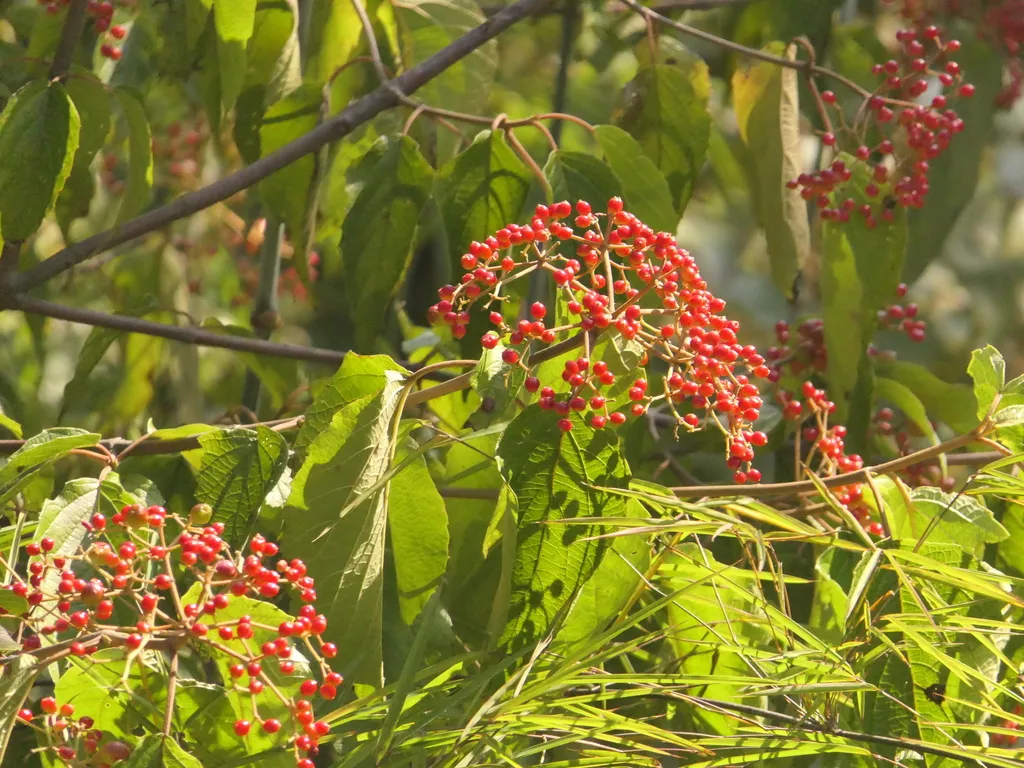
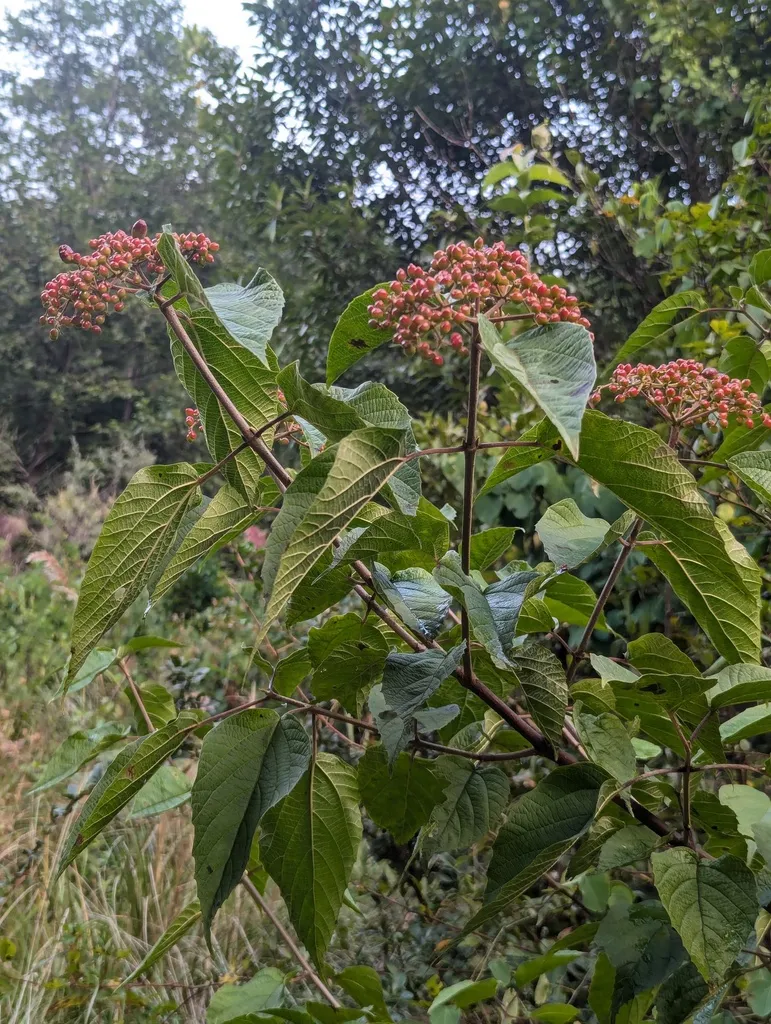
A deciduous shrub to 4m high, with ovate, papery green leaves with edges serrated towards the tips and fine hairs on the undersides. In late spring, clusters of small white flowers are produced at the tips of the stems. These are followed by small yellow berries that turn red as they mature
Scientific classification
- Species
- Viburnum mullaha (Viburnum mullaha)
- Genus
- Viburnum
- Family
- Adoxaceae
- Order
- Dipsacales
- Class
- Magnoliopsida
- Phylum
- Magnoliophyta
- Fruit are ornamental - not to be eaten. Wear gloves and other protective equipment when handling
- Toxicity
- Shrubs
- Plant type
- 2.5-4 metres
- Height
- 2.5-4 metres
- Spread
- Deciduous
- Foliage
- Bushy
- Habit
- Autumn · Spring · Summer
- Season of interest
- Full sun · Partial shade
- Sunlight
- Information to be completed
- Ideal temperature









Viburnum mullaha pictures
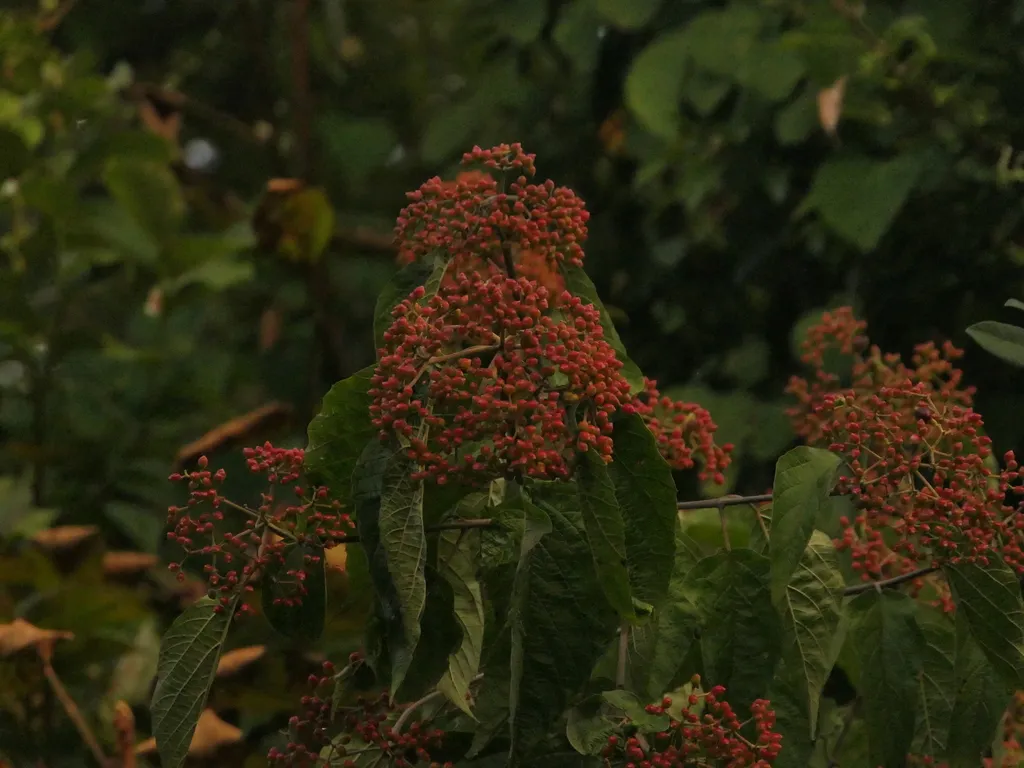
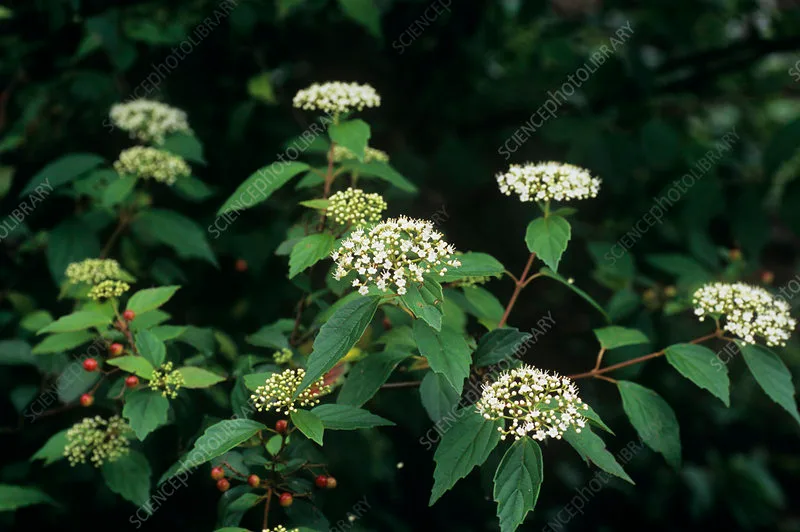
Distribution of Viburnum mullaha
Distribution map
- Native
- Introduced
- Cultivated
Source:WCVP v16 · Royal Botanic Gardens, Kew · CC BY 3.0 · Boundaries:WGSRPD / TDWG
Toxicity
Fruit are ornamental - not to be eaten. Wear gloves and other protective equipment when handling
Viburnum mullaha care guide
- Moderate regular watering schedule, let surface dry slightly between waters
- Watering
- Full sun · Partial shade
- Sunlight

Watering
Moderate regular watering schedule, let surface dry slightly between waters
Fertilizing
 Fertilizing
Slow-release viburnum shrub feed applied yearly early spring time
Pruning
 Pruning
Minimal pruning required, if necessary prune immediately after flowering, though this will prevent development of berries
Propagation
 Propagation
Propagate by seed, sown in a cold frame in autumn, by semi-ripe cuttings in summer, or by grafting in late summer or winter
Growing
 Growing
Grow in any moderately fertile, moist but well-drained soil in full sun or part shade
Common pests and diseases
Diseases
May be susceptible to Phytophthora, honey fungus, grey moulds and leaf spot
Pests
May be susceptible to aphids and viburnum beetle
Explore the plant health library →




