
Trachycarpus takil
Also known as: Information to be completed
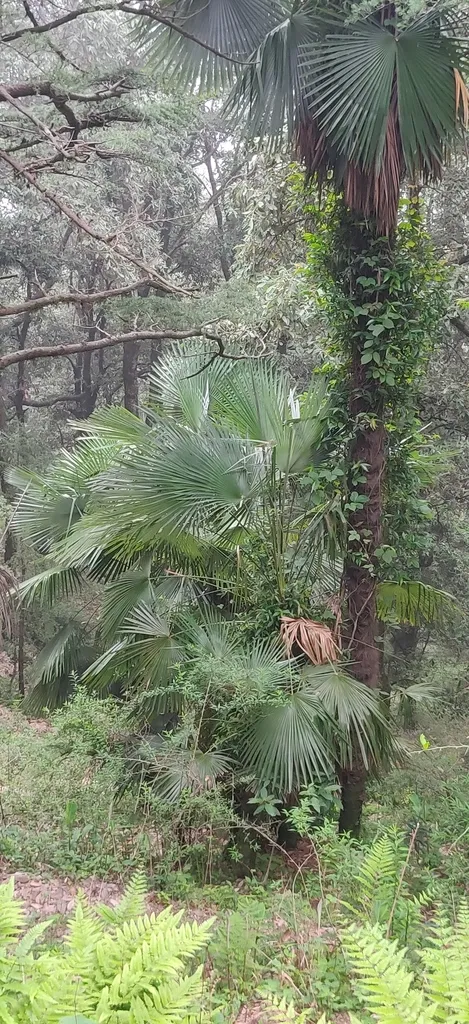
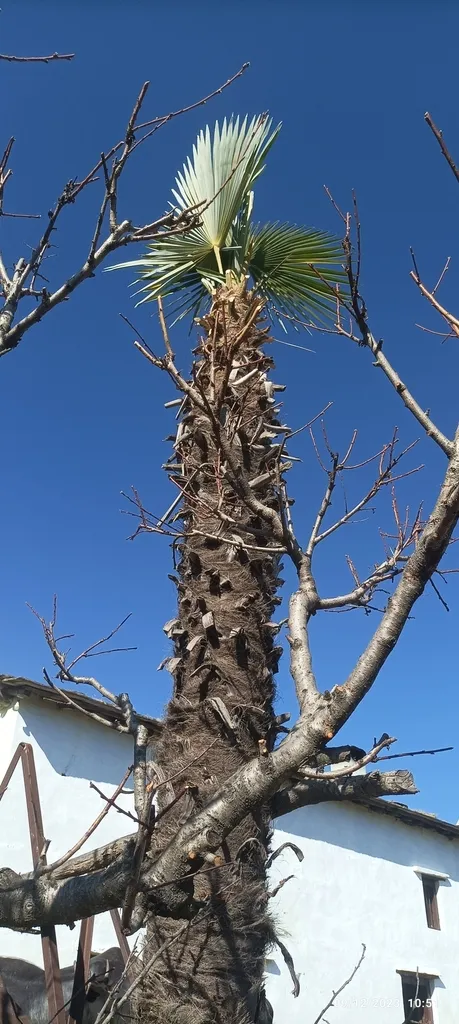
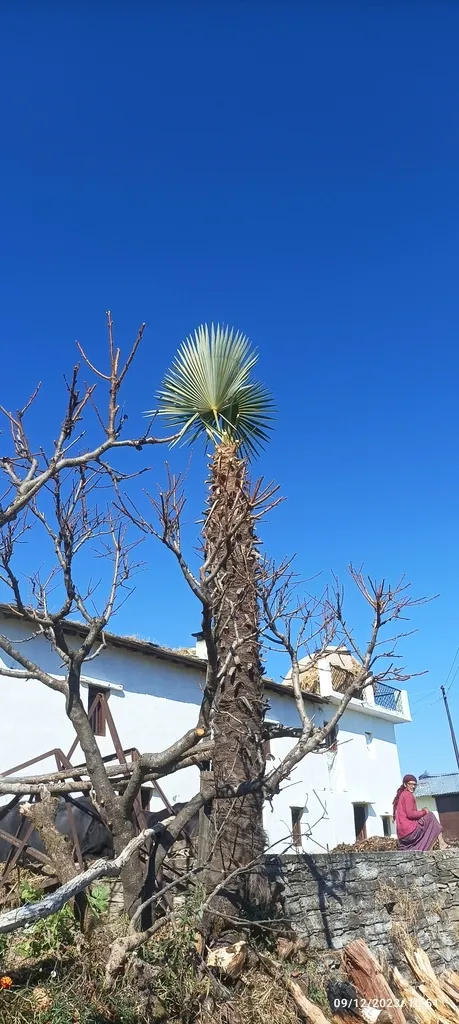
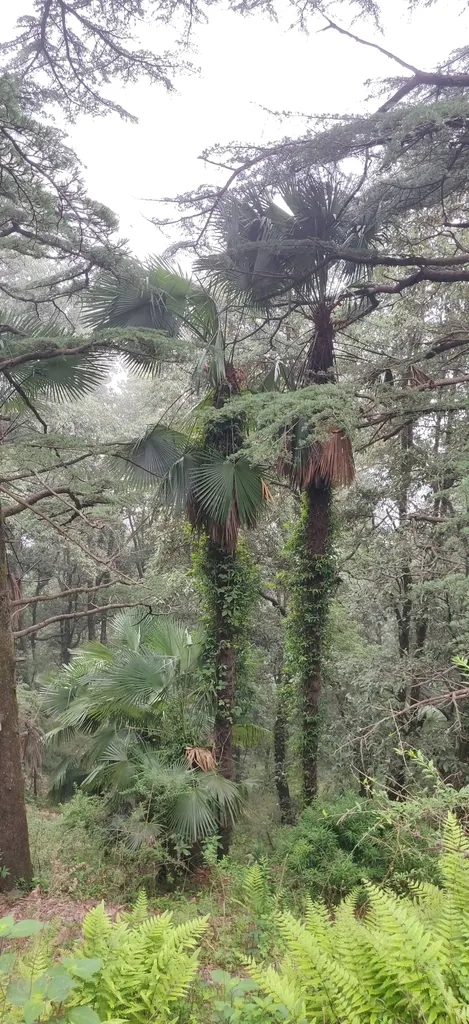
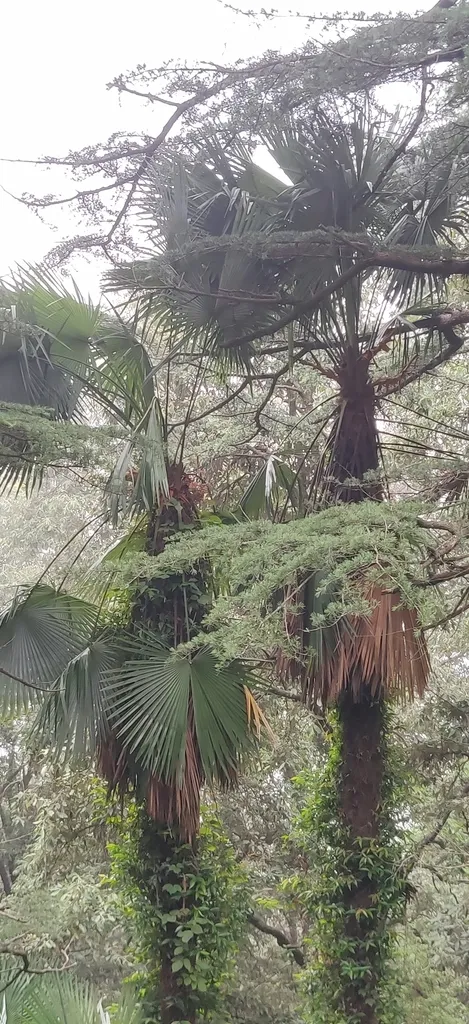
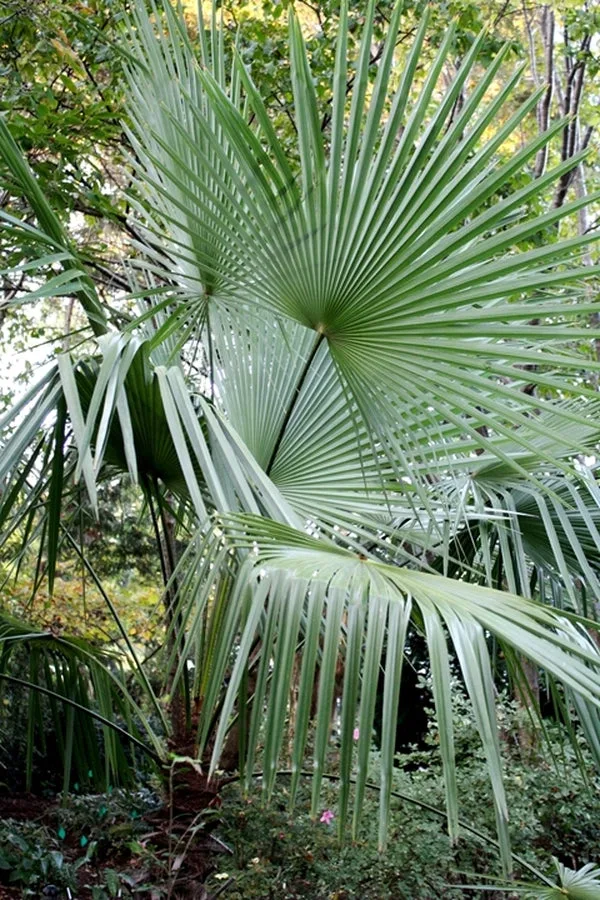
A fan palm with large, evergreen leaves up to 1m across, silvery underneath, and divided into as many as 60 narrow segments. The trunk may retain a loose, fibrous covering of old leaf bases, or these may fall away. Mature specimens produce huge, yellow-brown clusters of small flowers followed, on female plants, by black berries
Scientific classification
- Species
- Trachycarpus takil (Trachycarpus takil)
- Genus
- Trachycarpus
- Family
- Arecaceae
- Information to be completed
- Toxicity
- Palms
- Plant type
- 8-12 metres
- Height
- 1.5-2.5 metres
- Spread
- Evergreen
- Foliage
- Columnar upright
- Habit
- Spring · Summer · Autumn · Winter
- Season of interest
- Full sun · Partial shade
- Sunlight
- Information to be completed
- Ideal temperature









Trachycarpus takil pictures
Distribution of Trachycarpus takil
Distribution map
West-Central Himalaya
Information to be completed
Culture
Information to be completed
Toxicity
Information to be completed
Quick identification of Trachycarpus takil
Information to be completed
Trachycarpus takil care guide
- Moderate regular watering, allowing brief slight drying between soakings
- Watering
- Full sun · Partial shade
- Sunlight
- Information to be completed
- Ideal temperature

Watering
Moderate regular watering, allowing brief slight drying between soakings
Fertilizing
 Fertilizing
Balanced perennial feed every four weeks from spring through summer
Pruning
 Pruning
Cut off old leaves close to the trunk
Propagation
 Propagation
Propagate by seed
Growing
 Growing
e. Needs protection from strong or cold, drying winds, strong sunlight when young, and hard, winter frosts. Can also be grown as a conservatory or warm glasshouse specimen. See palm cultivation outdoors and palm cultivation indoors
People also ask
Information to be completed
Common pests and diseases
Diseases
Generally disease free
Pests
Generally pest-free outdoors; may be affected by scale insects, mealybugs and glasshouse red spider mite under glass
Explore the plant health library →




