
Atlas poppy
Also known as: Information to be completed
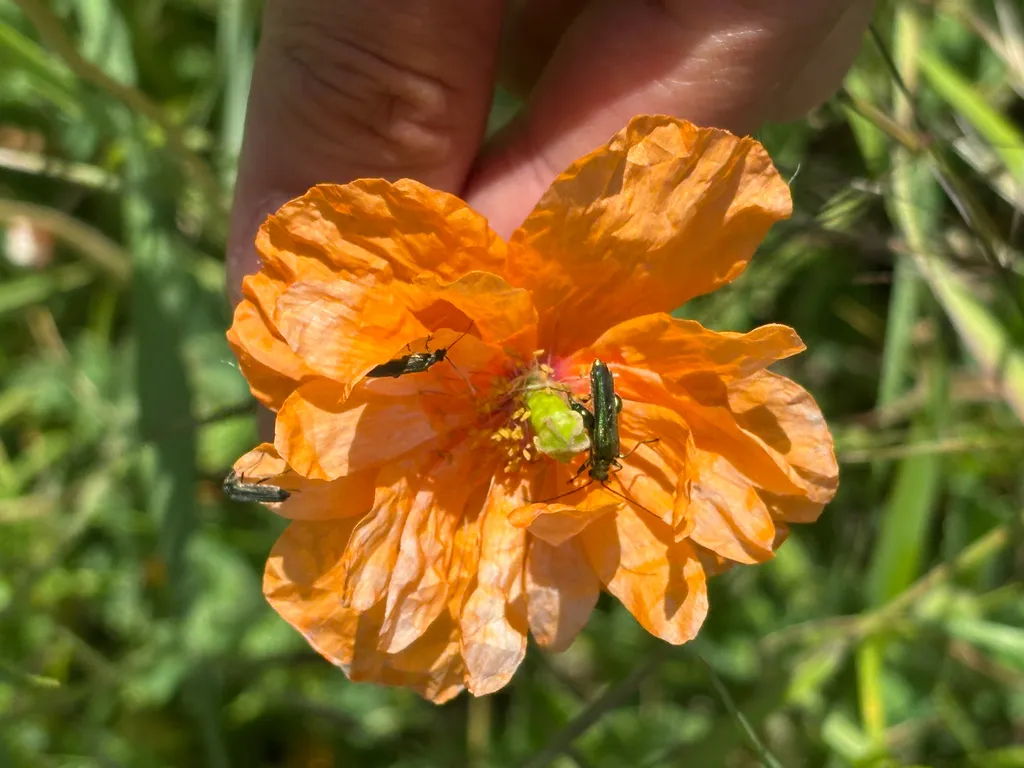
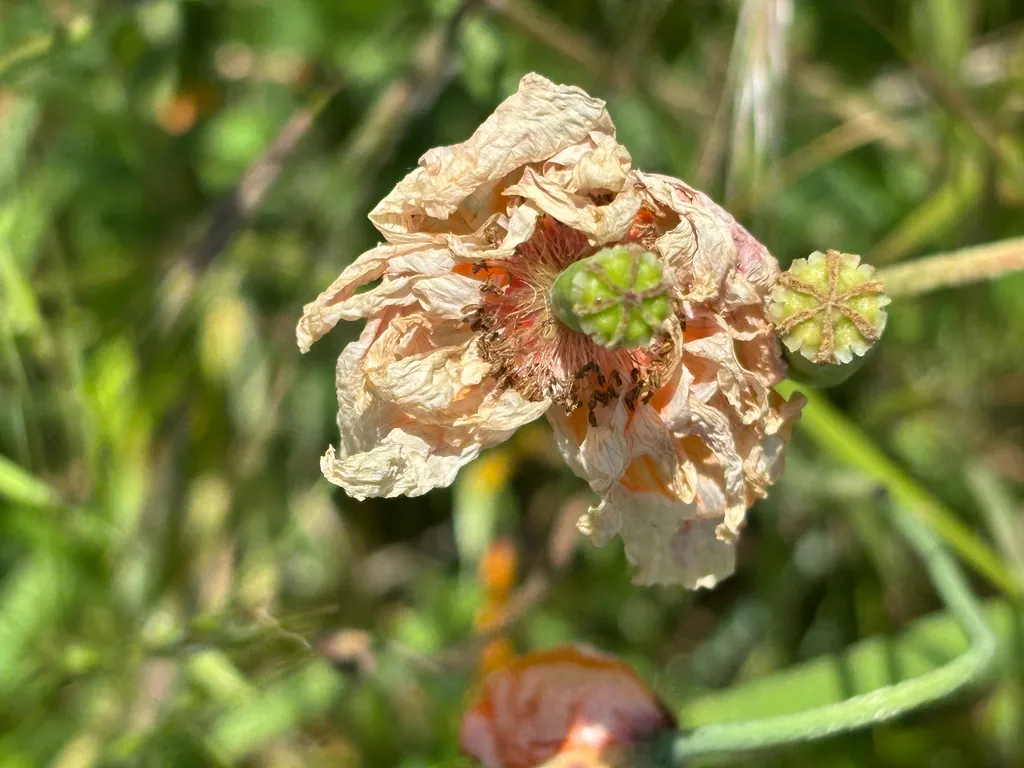
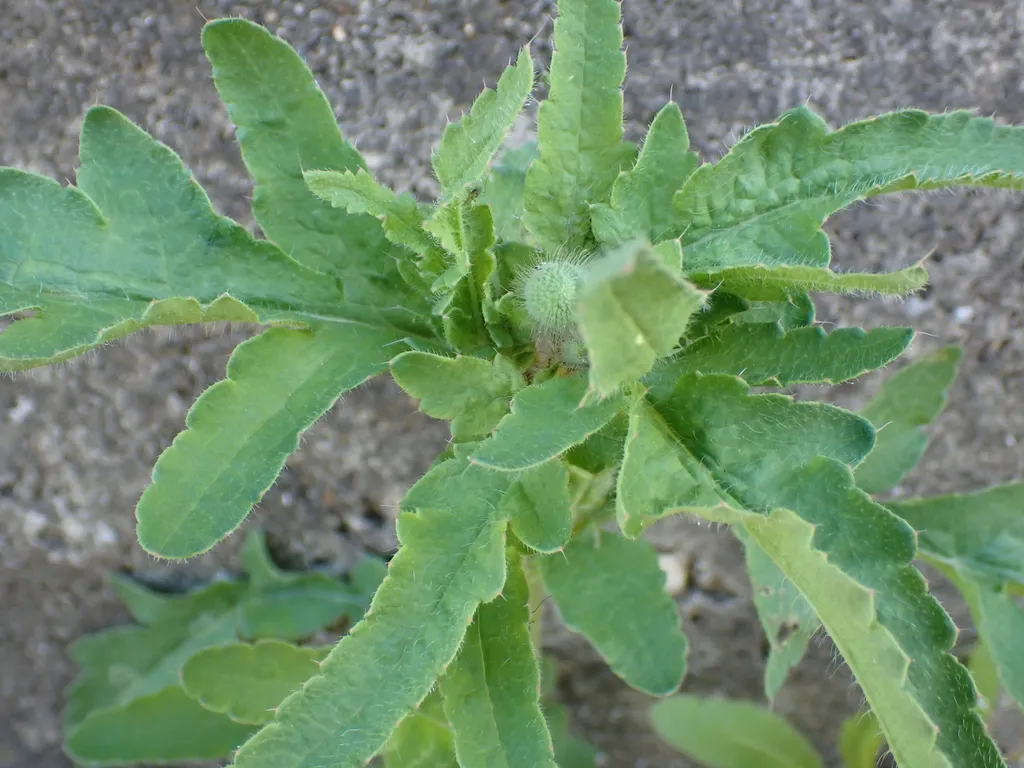
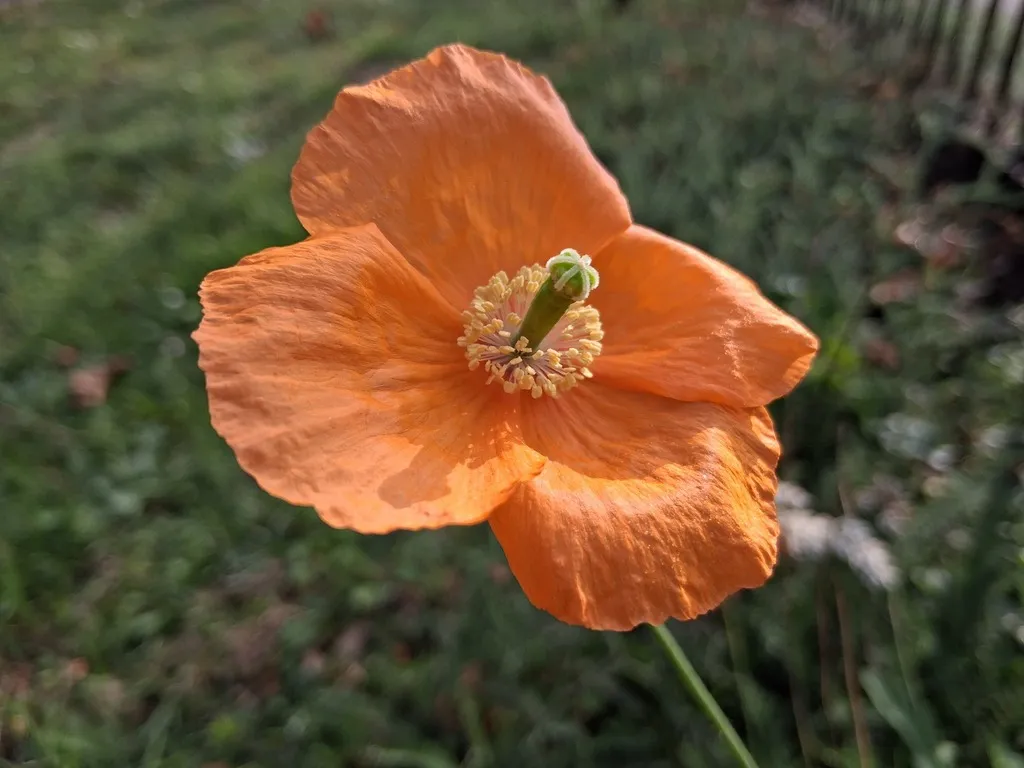
A clump-forming, short-lived perennial, growing to 50cm tall, with rosettes of grey-green, hairy, elliptical, toothed leaves to 15cm long. Saucer-shaped, dull orange flowers, up to 6cm across, are borne on upright, hairy stems from late spring into autumn
Scientific classification
- Species
- Atlas poppy (Papaver atlanticum)
- Genus
- Papaver
- Family
- Papaveraceae
- Information to be completed
- Toxicity
- Herbaceous Perennial
- Plant type
- 0.1-0.5 metres
- Height
- 0.1-0.5 metres
- Spread
- Semi evergreen
- Foliage
- Bushy
- Habit
- Spring · Summer · Autumn · Winter
- Season of interest
- Full sun · Partial shade
- Sunlight
- Information to be completed
- Ideal temperature









Atlas poppy pictures
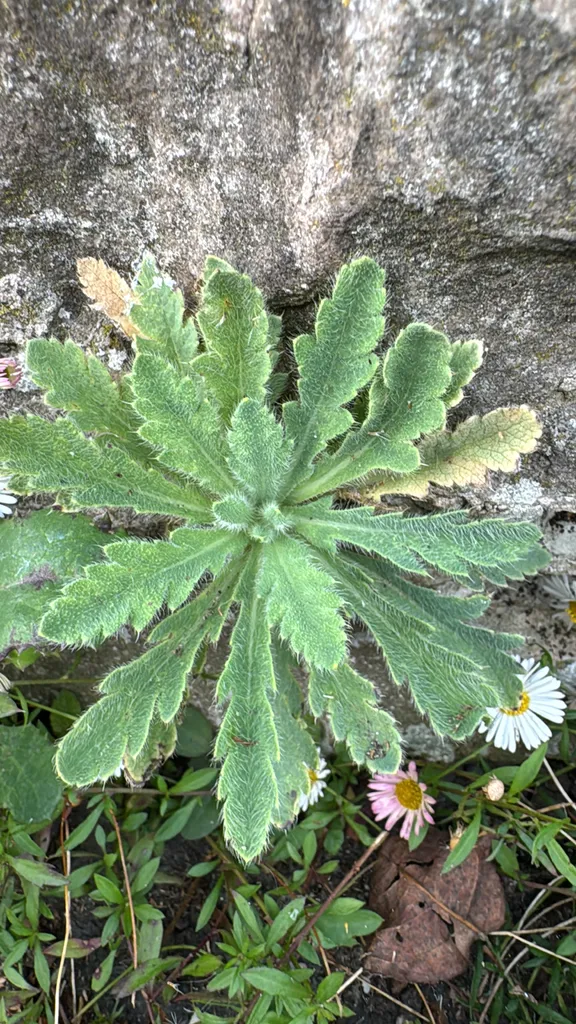
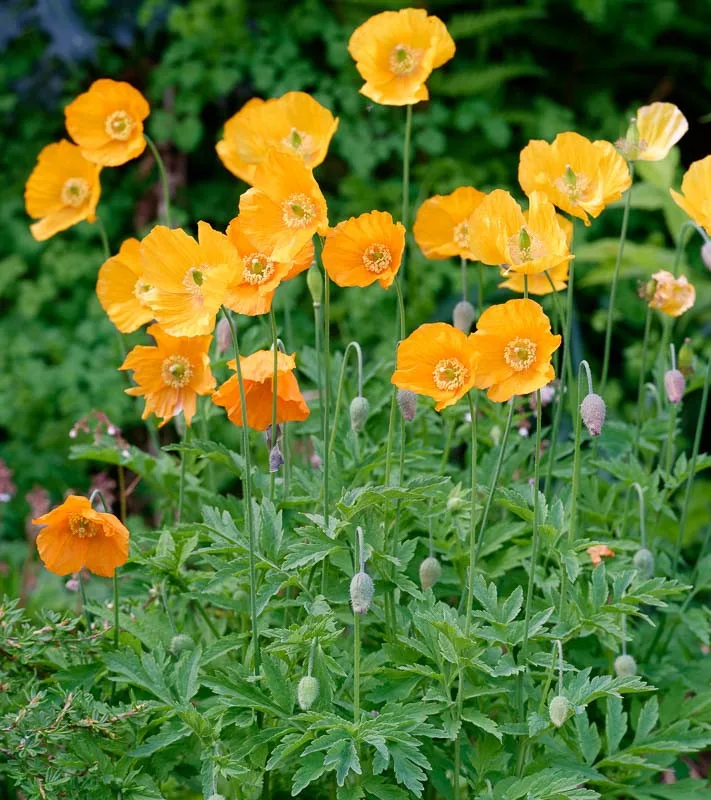
Distribution of Atlas poppy
Distribution map
- Native
- Introduced
- Cultivated
Source:WCVP v16 · Royal Botanic Gardens, Kew · CC BY 3.0 · Boundaries:WGSRPD / TDWG
Culture
Information to be completed
Toxicity
Information to be completed
Quick identification of Atlas poppy
Information to be completed
Atlas poppy care guide
- Allow partial soil drying before watering, avoid soggy root medium
- Watering
- Full sun · Partial shade
- Sunlight
- Information to be completed
- Ideal temperature

Watering
Allow partial soil drying before watering, avoid soggy root medium
Fertilizing
 Fertilizing
Light diluted flower feed monthly through warm spring summer days
Pruning
 Pruning
None needed
Propagation
 Propagation
Propagate by seed
Growing
 Growing
Grow in any good, moist but well-drained soil in sun or partial shade
People also ask
Information to be completed
Common pests and diseases
Diseases
May be susceptible to aphids
Pests
May be susceptible to aphids
Explore the plant health library →




