
oriental poppy
Also known as: eastern poppy
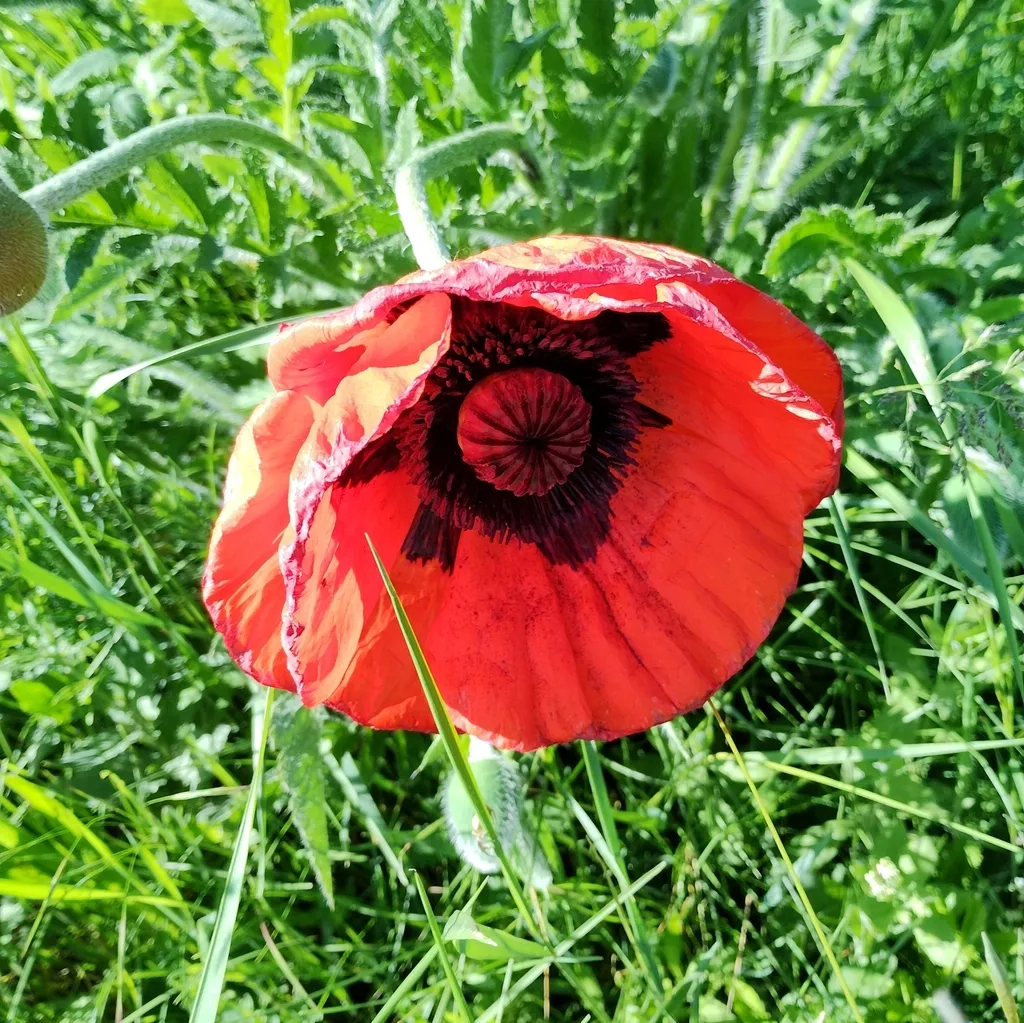
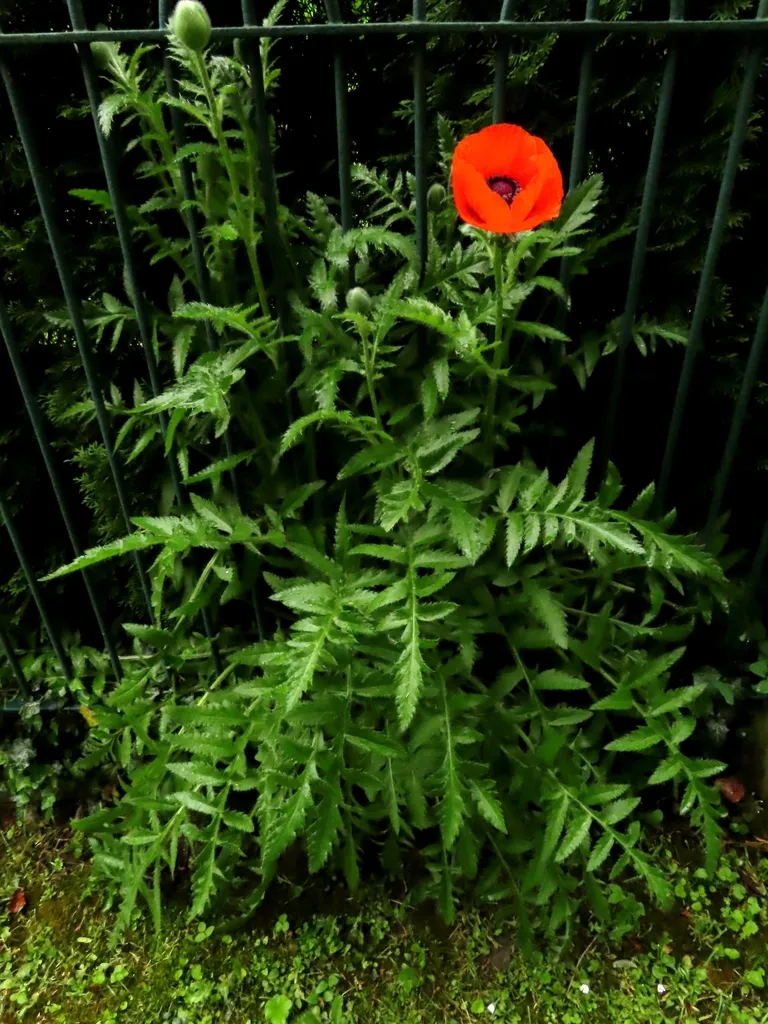
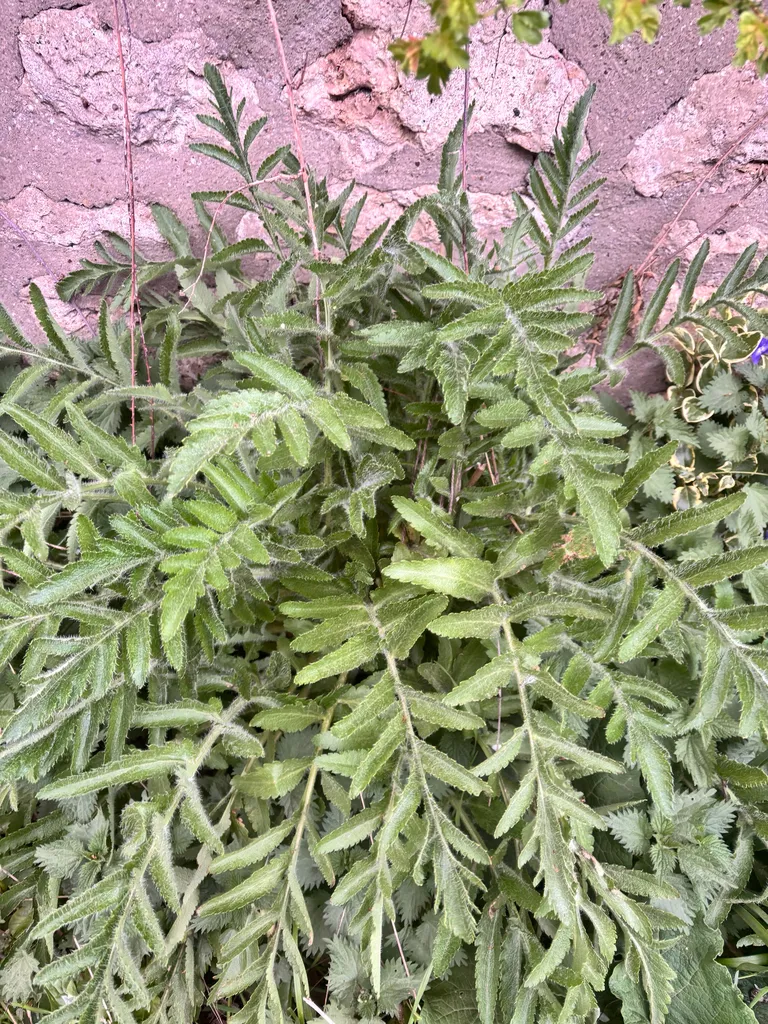
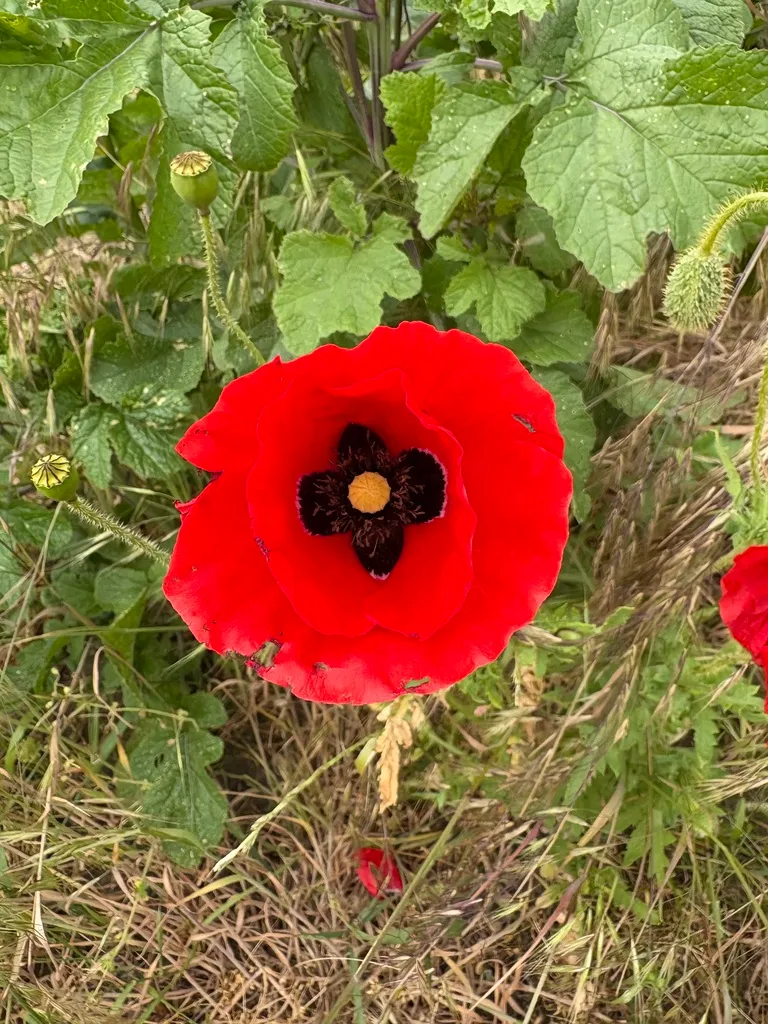
A perennial poppy, to 90cm high, with bristly stems and finely divided, dark green leaves covered with silvery hairs. In early to mid summer, produces pendent buds that straighten and open to large, bowl-shaped, orange-red flowers to 15cm across, with small purple-black blotches at the base of the petals
Scientific classification
- Species
- oriental poppy (Papaver orientale)
- Genus
- Papaver
- Family
- Papaveraceae
- Information to be completed
- Toxicity
- Herbaceous Perennial
- Plant type
- 0.5-1 metres
- Height
- 0.5-1 metres
- Spread
- Deciduous
- Foliage
- Bushy · Clump forming
- Habit
- Spring · Summer
- Season of interest
- Full sun
- Sunlight
- Information to be completed
- Ideal temperature









oriental poppy pictures
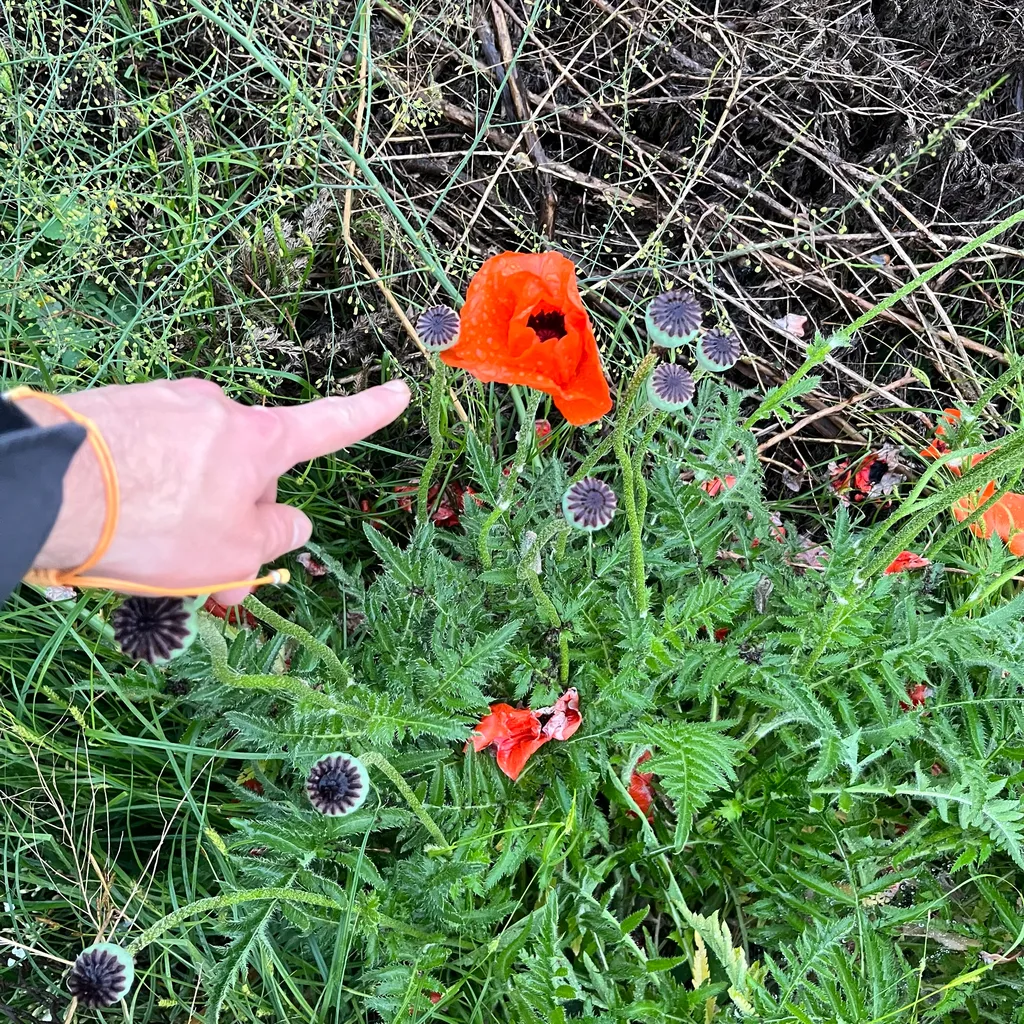
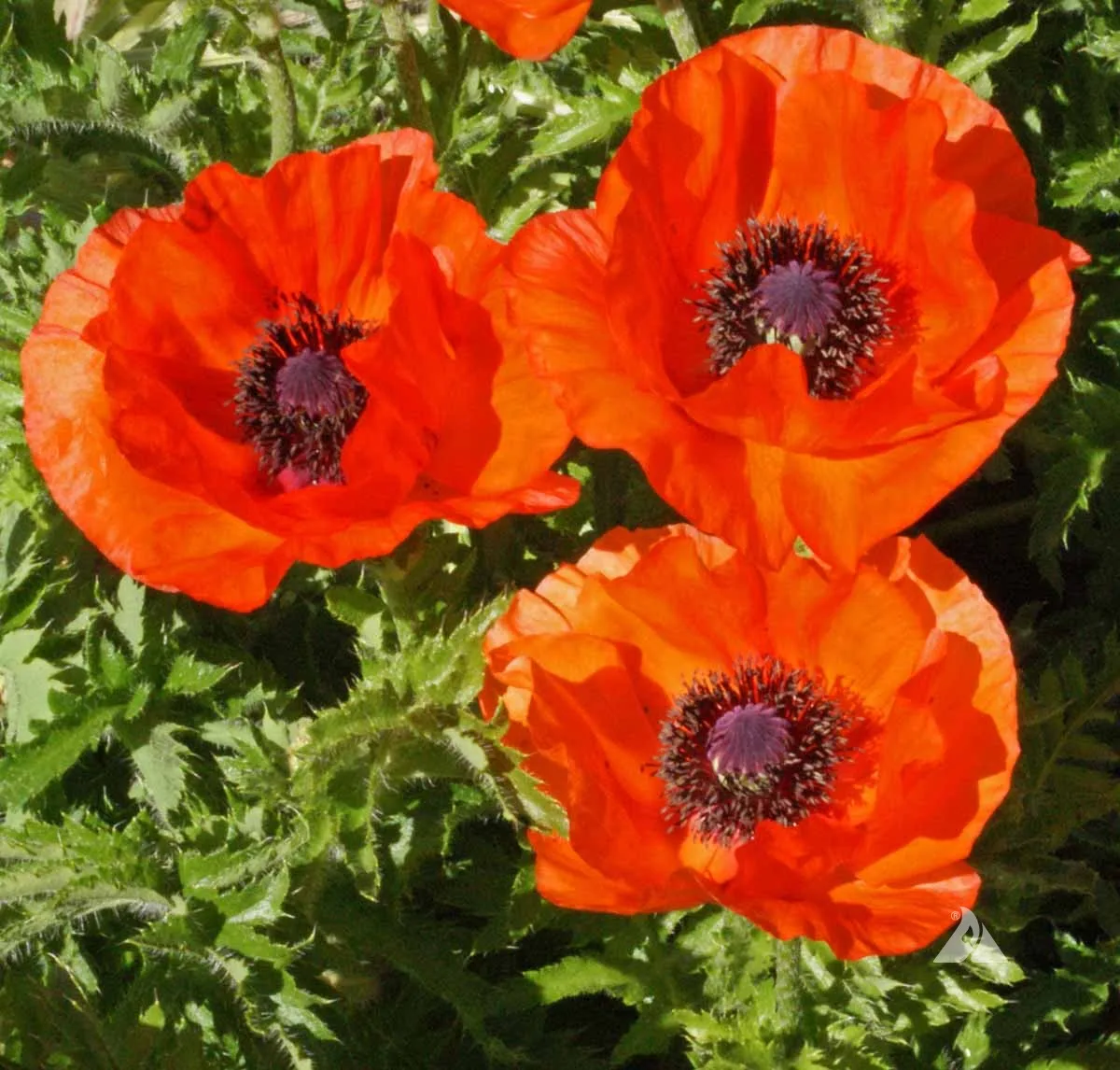
Distribution of oriental poppy
Distribution map
Information to be completed
Information to be completed
Culture
Information to be completed
Toxicity
Information to be completed
Quick identification of oriental poppy
Information to be completed
oriental poppy care guide
- Moderate regular watering, allowing brief slight drying between soakings
- Watering
- Full sun
- Sunlight
- Information to be completed
- Ideal temperature

Watering
Moderate regular watering, allowing brief slight drying between soakings
Fertilizing
 Fertilizing
Balanced perennial feed every four weeks from spring through summer
Pruning
 Pruning
Cut spent flowering stems back to the ground, cut back foliage as it fades
Propagation
 Propagation
Propagate by seed, by division in spring, or by root cuttings in late autumn and early winter
Growing
 Growing
Will thrive in most soils, as long as there is good drainage, but a moderately fertile, humus-rich soil that is not too acidic is ideal. Position in full sun
People also ask
Information to be completed
Common pests and diseases
Diseases
May be susceptible to downy mildews, powdery mildews, fungal wilts and verticillium wilt
Pests
May be susceptible to aphids
Explore the plant health library →




