
Spanish poppy
Also known as: Information to be completed
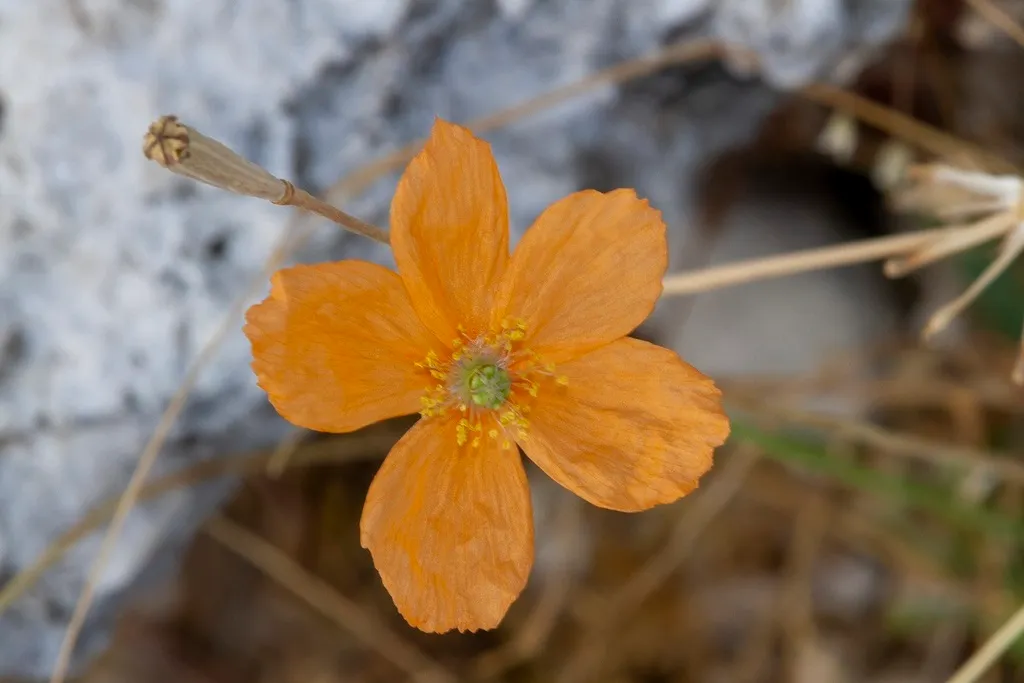
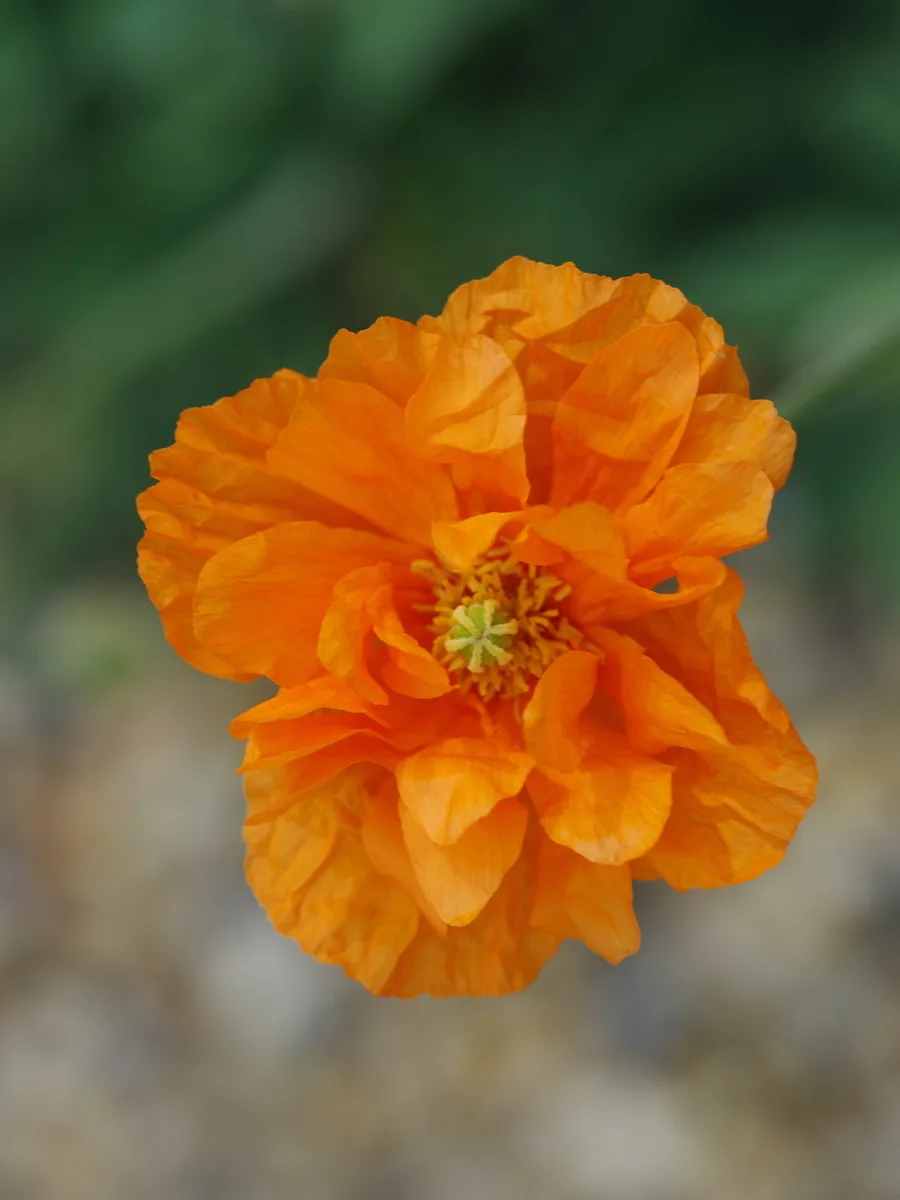
P. rupifragum is a clump-forming perennial with lobed leaves up to 15cm long. In summer it produces solitary, bowl-shaped, light orange, single to semi-double flowers up to 8cm across. May self-seed and can be short-lived
Scientific classification
- Species
- Spanish poppy (Papaver rupifragum)
- Genus
- Papaver
- Family
- Papaveraceae
- Information to be completed
- Toxicity
- Herbaceous Perennial
- Plant type
- 0.1-0.5 metres
- Height
- 0.1-0.5 metres
- Spread
- Deciduous
- Foliage
- Bushy
- Habit
- Spring · Summer · Autumn
- Season of interest
- Full sun
- Sunlight
- Information to be completed
- Ideal temperature









Spanish poppy pictures
Distribution of Spanish poppy
Distribution map
Southern Spain, Northern Africa
Information to be completed
Culture
Information to be completed
Toxicity
Information to be completed
Quick identification of Spanish poppy
Information to be completed
Spanish poppy care guide
- Minimal watering, let soil dry completely between each irrigation cycle
- Watering
- Full sun
- Sunlight
- Information to be completed
- Ideal temperature

Watering
Minimal watering, let soil dry completely between each irrigation cycle
Fertilizing
 Fertilizing
Very diluted low-nitrogen feed only once before flowering stage arrives
Pruning
 Pruning
No pruning required
Propagation
 Propagation
Propagate by seed sown in containers in a cold frame, or by division, in spring
Growing
 Growing
Grow in deep, fertile, well-drained soil in a sunny position
People also ask
Information to be completed
Common pests and diseases
Diseases
May be susceptible to downy mildews, powdery mildews, fungal wilts and verticillium wilt
Pests
May be susceptible to aphids
Explore the plant health library →




