
many-leaved paris
Also known as: Information to be completed
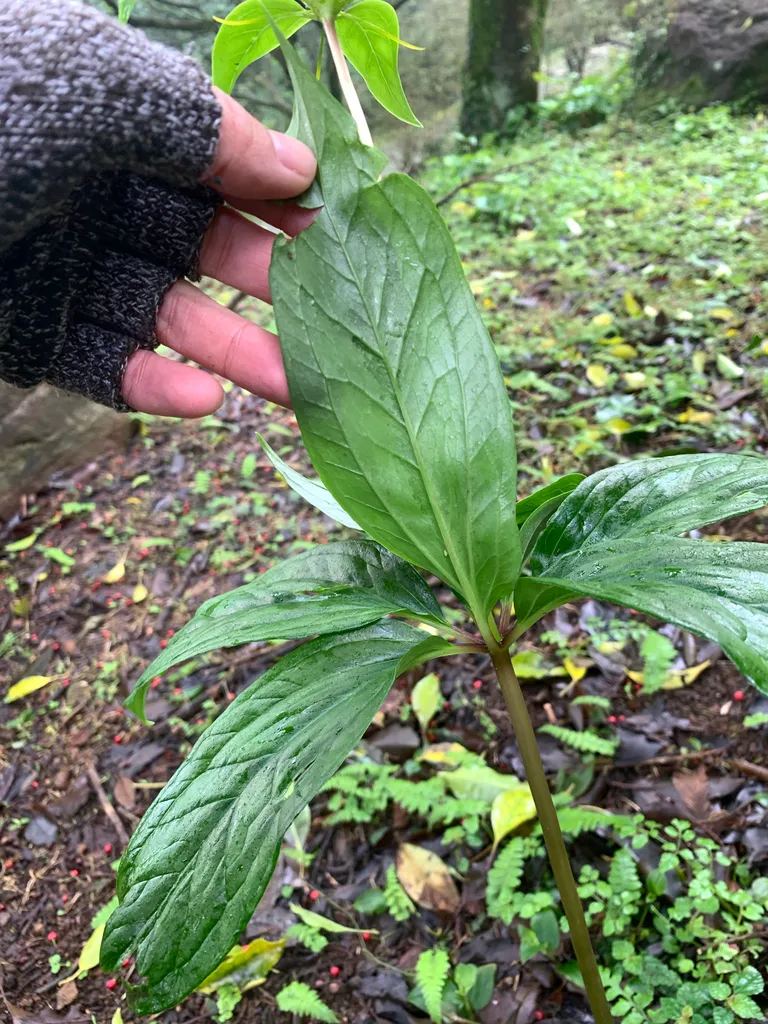
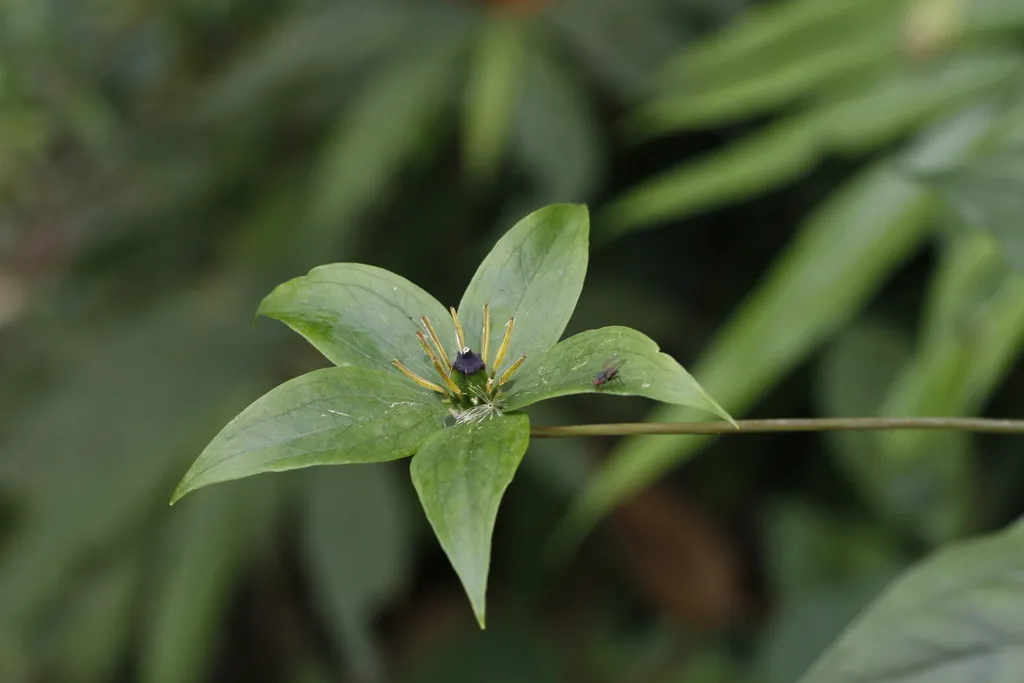
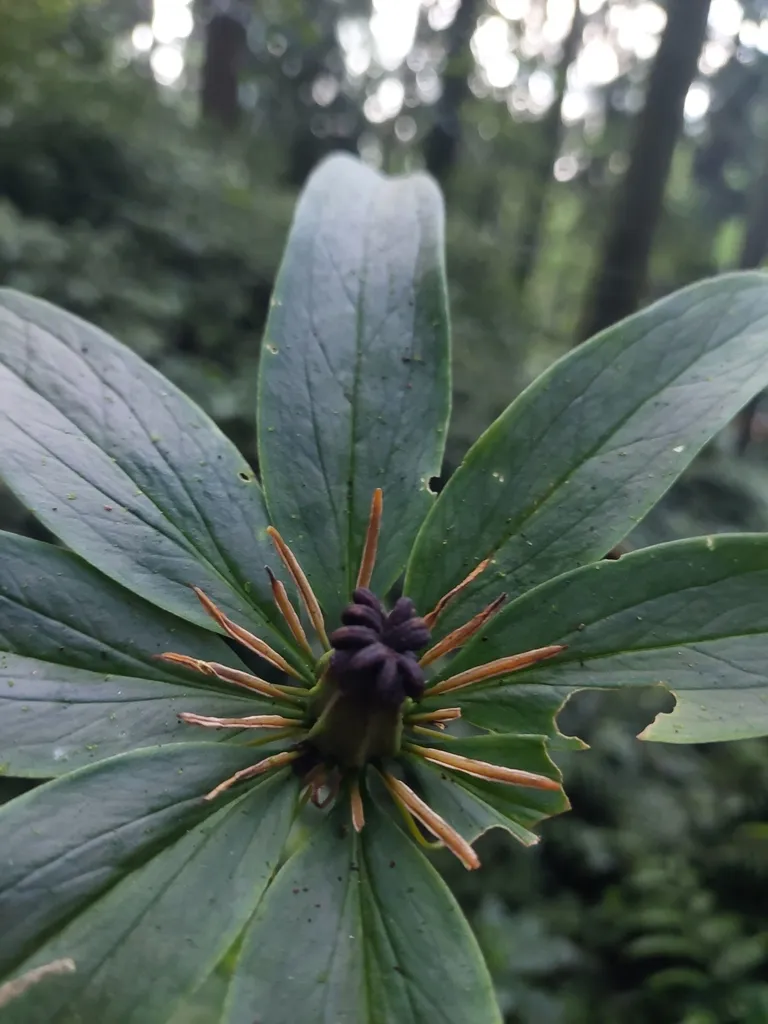
A tender, deciduous herbaceous perennial for deep shade. Leaves in whorled groups of five to nine appear in spring, followed by flowers made up of leafy-looking green sections, topped by fine thin yellow wisps. Clusters of red berries follow.
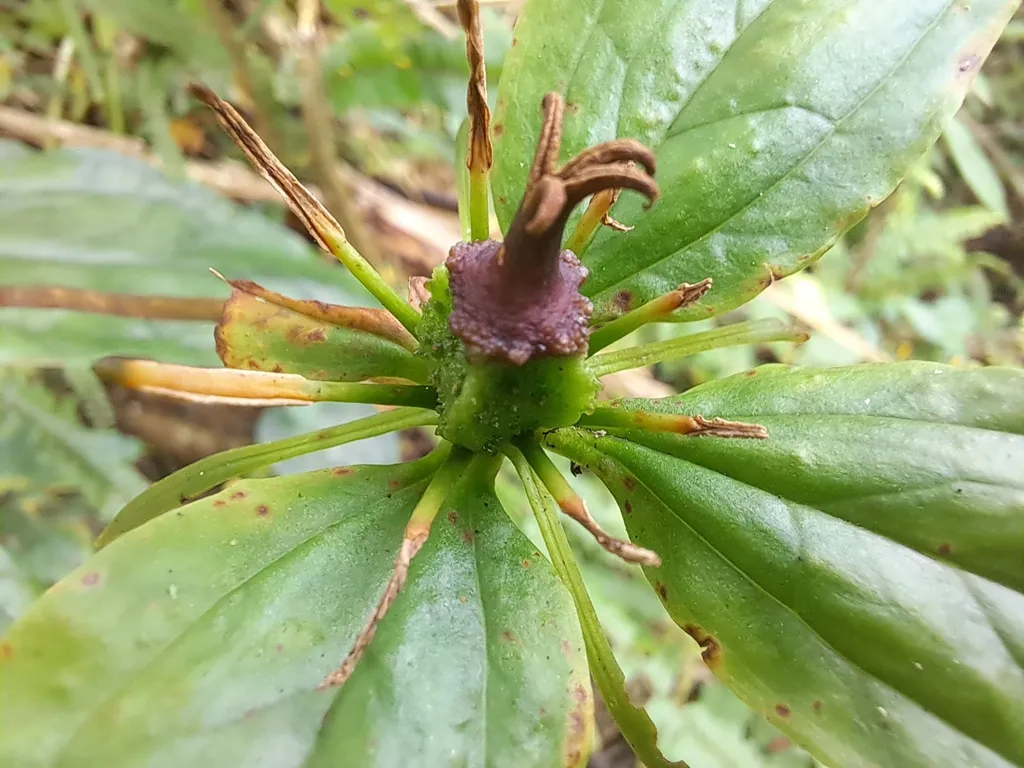
Scientific classification
- Species
- many-leaved paris (Paris polyphylla)
- Genus
- Paris
- Family
- Melanthiaceae
- Harmful if eaten. Wear gloves and other protective equipment when handling
- Toxicity
- Herbaceous Perennial
- Plant type
- 0.1-0.5 metres
- Height
- 0.1-0.5 metres
- Spread
- Deciduous
- Foliage
- Clump forming
- Habit
- Spring · Summer · Autumn
- Season of interest
- Full shade
- Sunlight
- Information to be completed
- Ideal temperature









many-leaved paris pictures
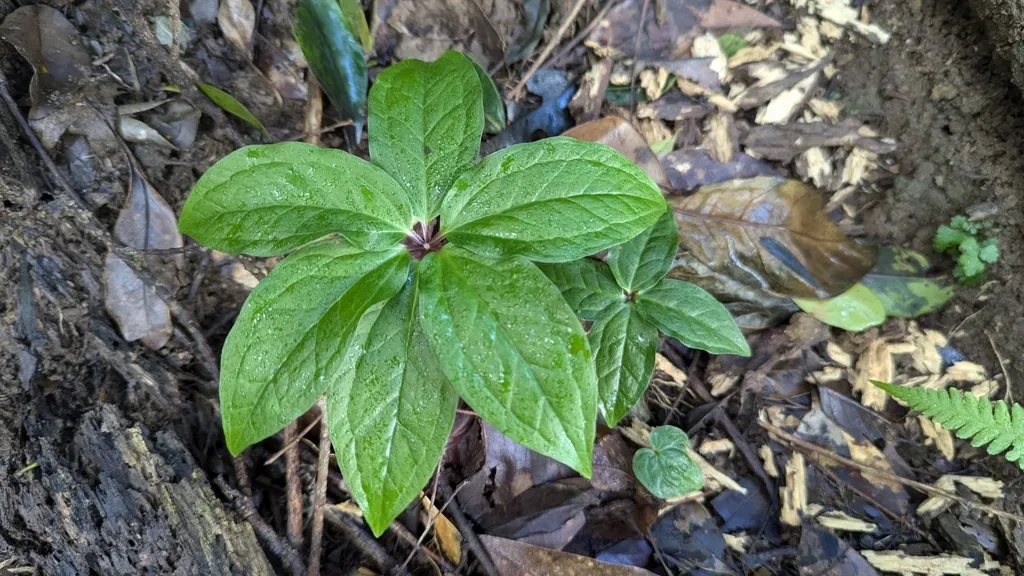
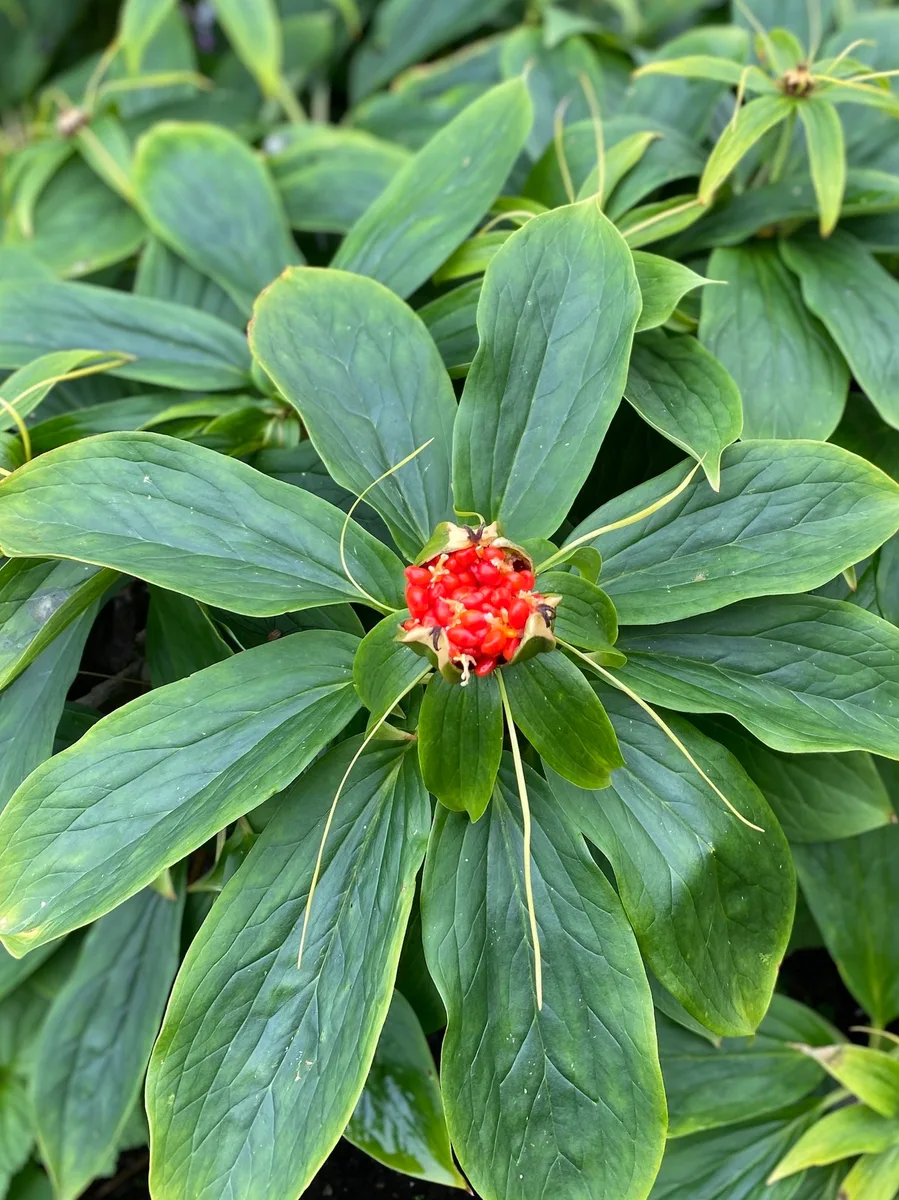
Distribution of many-leaved paris
Distribution map
Information to be completed
Information to be completed
Culture
Information to be completed
Toxicity
Harmful if eaten. Wear gloves and other protective equipment when handling
Quick identification of many-leaved paris
Information to be completed
many-leaved paris care guide
- Moderate regular watering, allowing brief slight drying between soakings
- Watering
- Full shade
- Sunlight
- Information to be completed
- Ideal temperature

Watering
Moderate regular watering, allowing brief slight drying between soakings
Fertilizing
 Fertilizing
Balanced perennial feed every four weeks from spring through summer
Pruning
 Pruning
Cut back old foliage in autumn
Propagation
 Propagation
Propagate by division, in early spring, just as shoots appear. It is also possible to propagate by seed, but germination may take up to three years
Growing
 Growing
Prefers full shade, but would tolerate partial shade. Needs a rich soil with plenty of organic matter. Protect new shoots from frost; they come up very early in spring
People also ask
Information to be completed
Common pests and diseases
Diseases
Generally disease-free
Pests
May be susceptible to slugs and snails
Explore the plant health library →




