
four-leaved grass
Also known as: herb paris; herb true love; leopard's bane; one-berry; true love
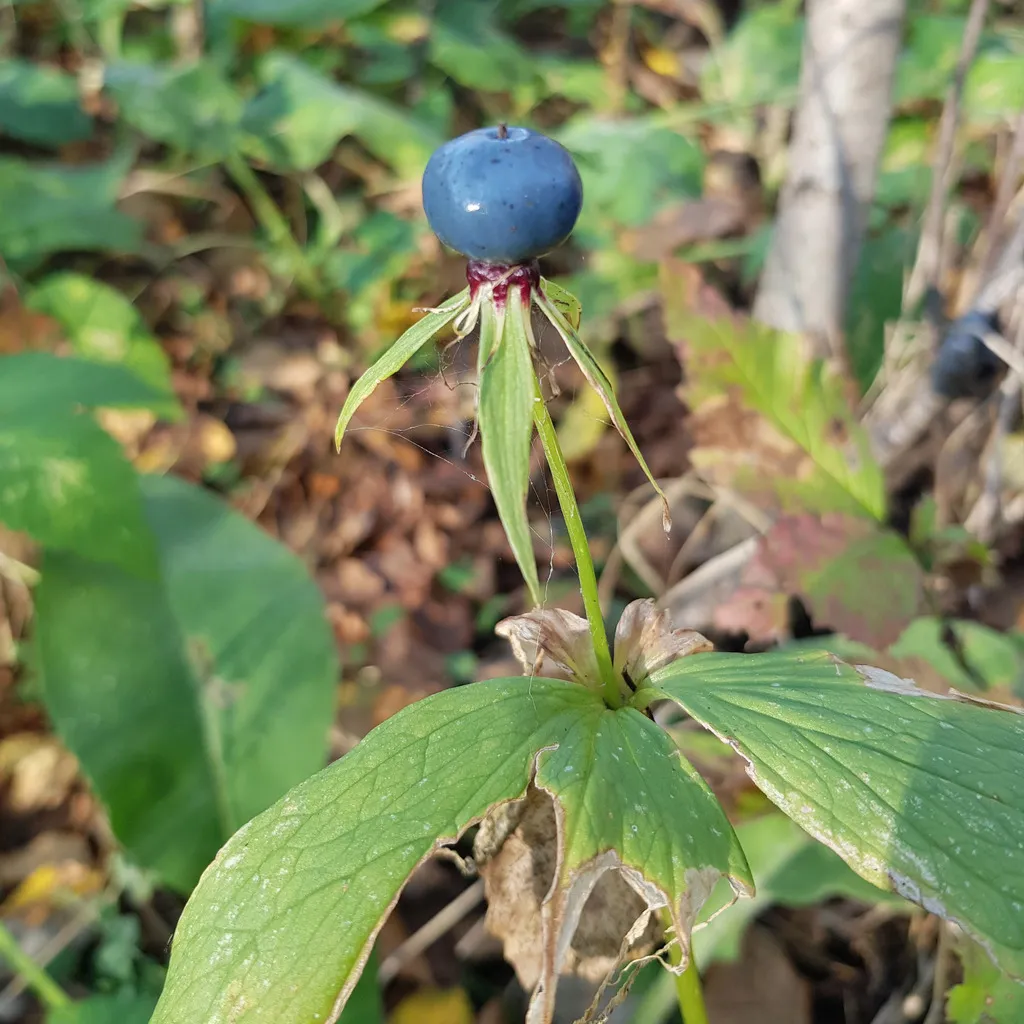
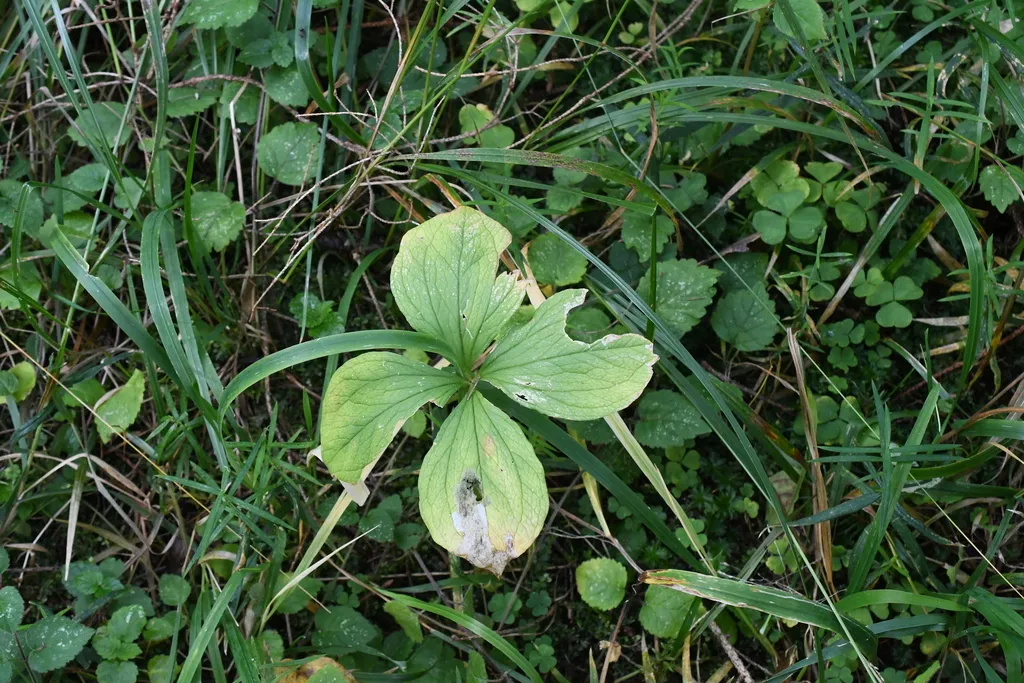
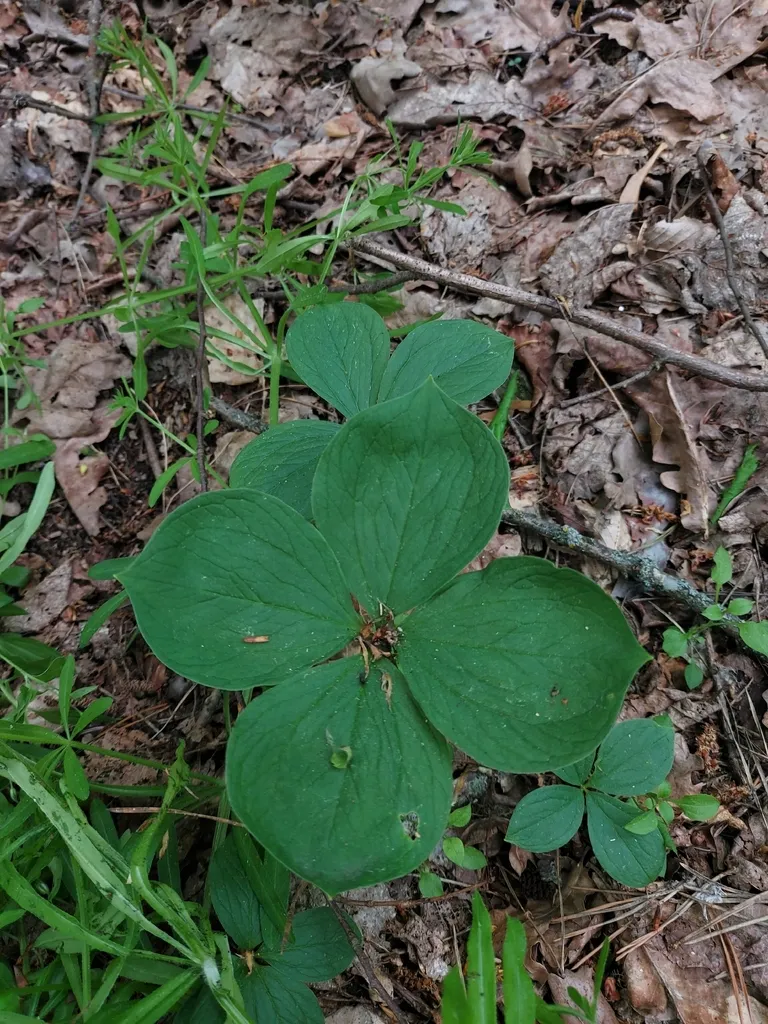
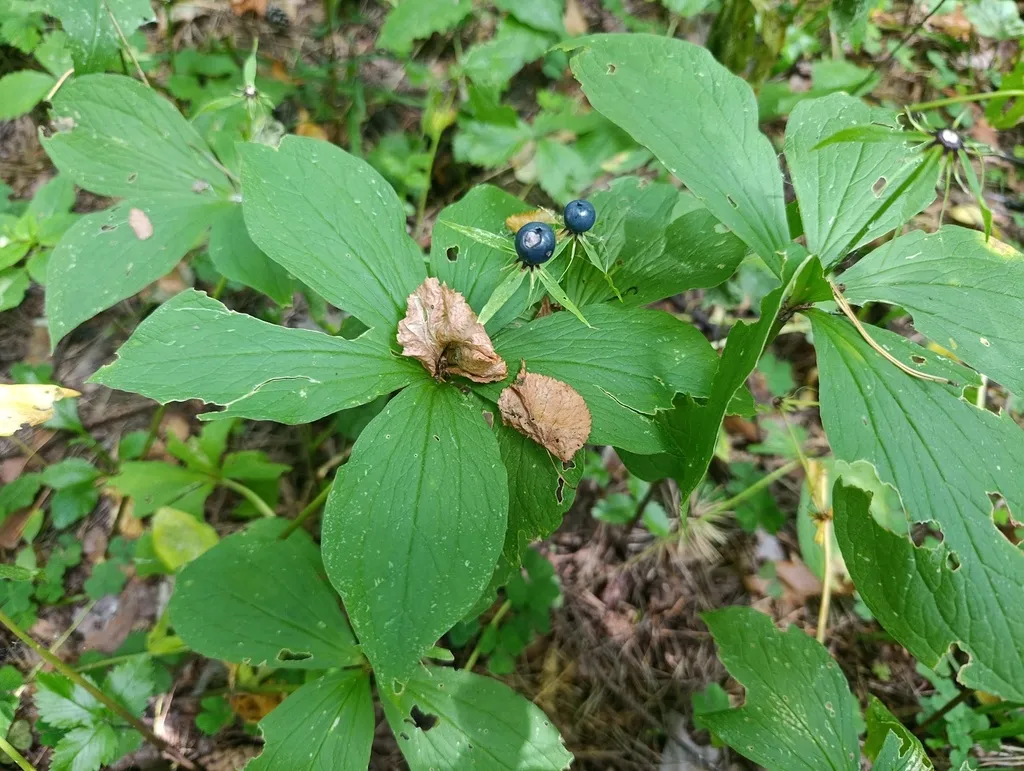
A rhizomatous perennial to around 40cm high, with upright stems bearing a single whorl of usually 4, sometimes 3 or 5, ovate green leaves around the stem. In spring, a solitary star-shaped flower, with long, lance-shaped, green outer petals and threadlike, greenish-white inner ones, is produced at the tip of the stem, followed by a single, round, blue-black berry
Scientific classification
- Species
- four-leaved grass (Paris quadrifolia)
- Genus
- Paris
- Family
- Melanthiaceae
- Order
- Liliales
- Class
- Liliopsida
- Phylum
- Magnoliophyta
- Harmful if eaten. Wear gloves and other protective equipment when handling
- Toxicity
- Herbaceous Perennial
- Plant type
- 0.1-0.5 metres
- Height
- 0.1-0.5 metres
- Spread
- Deciduous
- Foliage
- Clump forming
- Habit
- Spring · Summer · Autumn
- Season of interest
- Full shade · Partial shade
- Sunlight
- Information to be completed
- Ideal temperature









four-leaved grass pictures
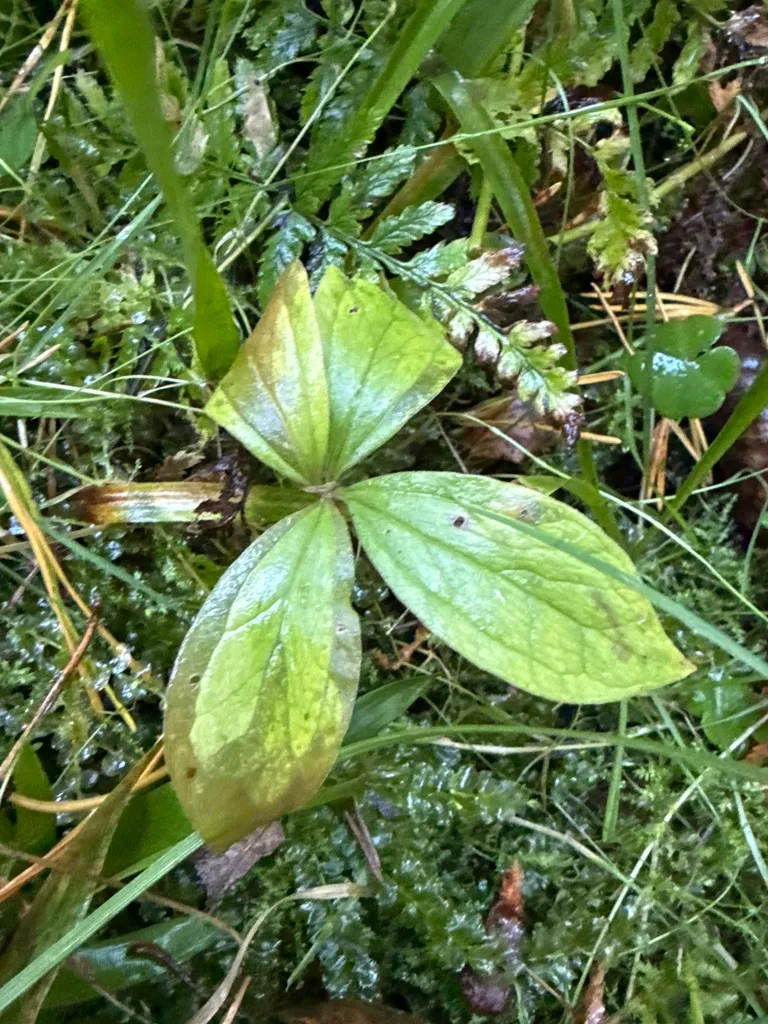
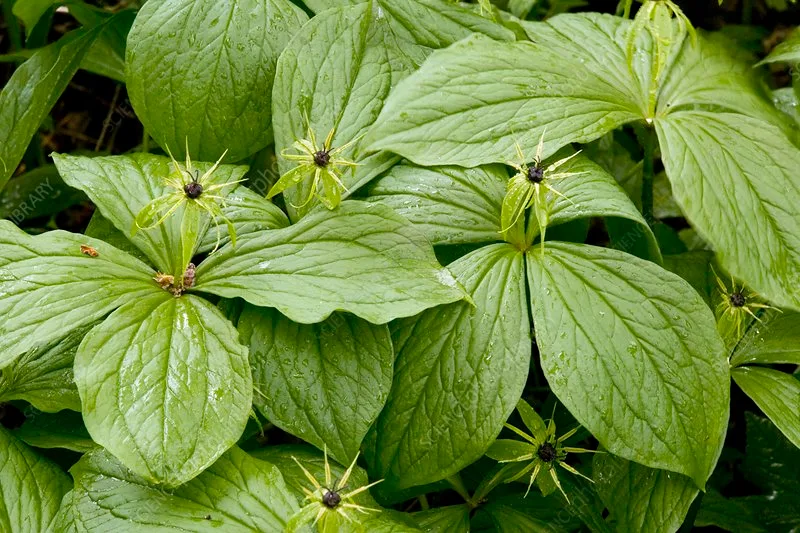
Distribution of four-leaved grass
Distribution map
- Native
- Introduced
- Cultivated
Source:WCVP v16 · Royal Botanic Gardens, Kew · CC BY 3.0 · Boundaries:WGSRPD / TDWG
Toxicity
Harmful if eaten. Wear gloves and other protective equipment when handling
four-leaved grass care guide
- Moderate regular watering, allowing brief slight drying between soakings
- Watering
- Full shade · Partial shade
- Sunlight

Watering
Moderate regular watering, allowing brief slight drying between soakings
Fertilizing
 Fertilizing
Balanced perennial feed every four weeks from spring through summer
Pruning
 Pruning
No pruning required
Propagation
 Propagation
Propagate by seed, sown in containers outdoors in autumn, or by division in autumn or spring
Growing
 Growing
Thrives in deep, humus-rich, neutral to slighty acidic soil that doesn't dry out, in part or full shade. Ideal for a shady corner or woodland garden
Common pests and diseases
Diseases
Generally disease-free
Pests
May be susceptible to slugs
Explore the plant health library →




