
grass of Parnassus
Also known as: Information to be completed
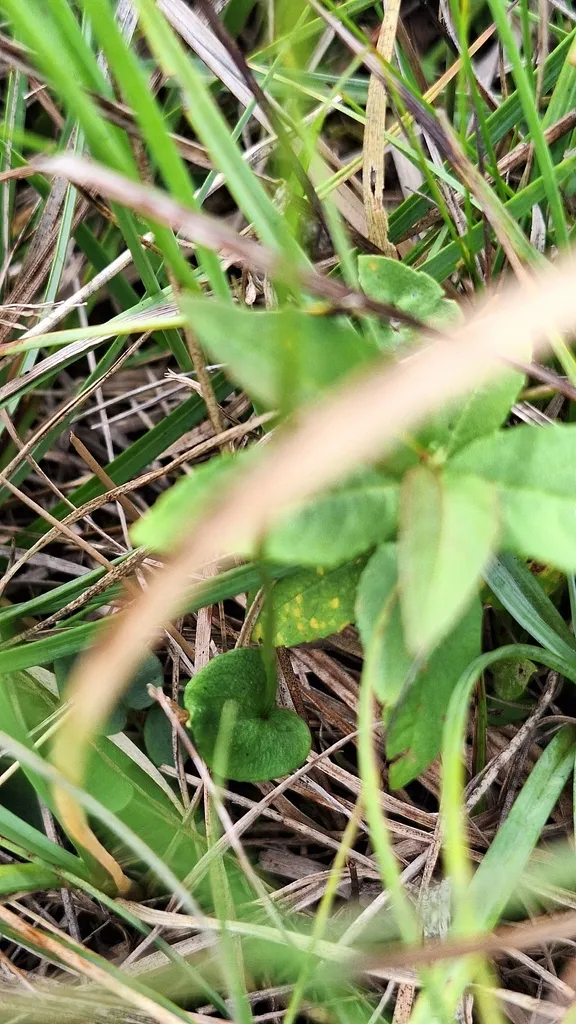
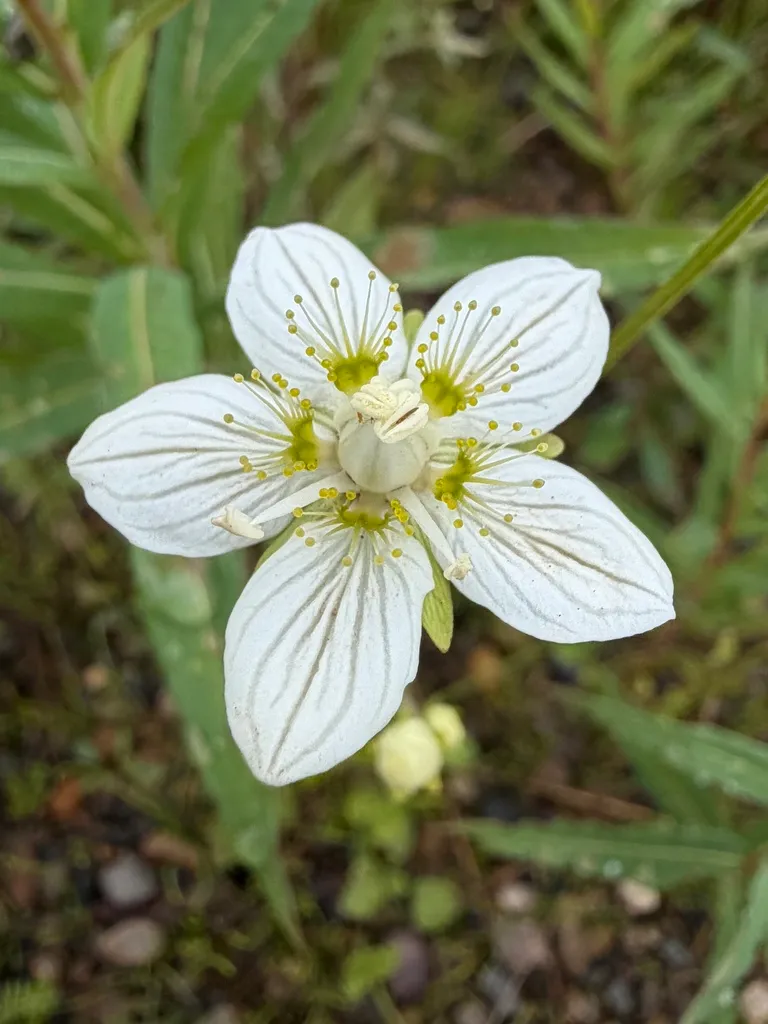
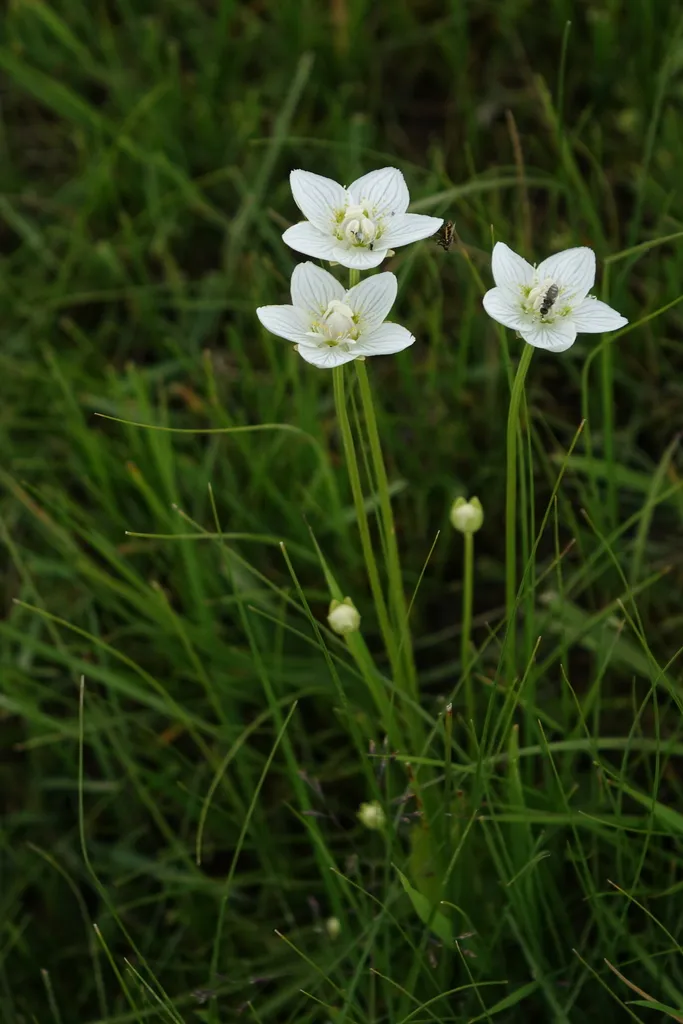
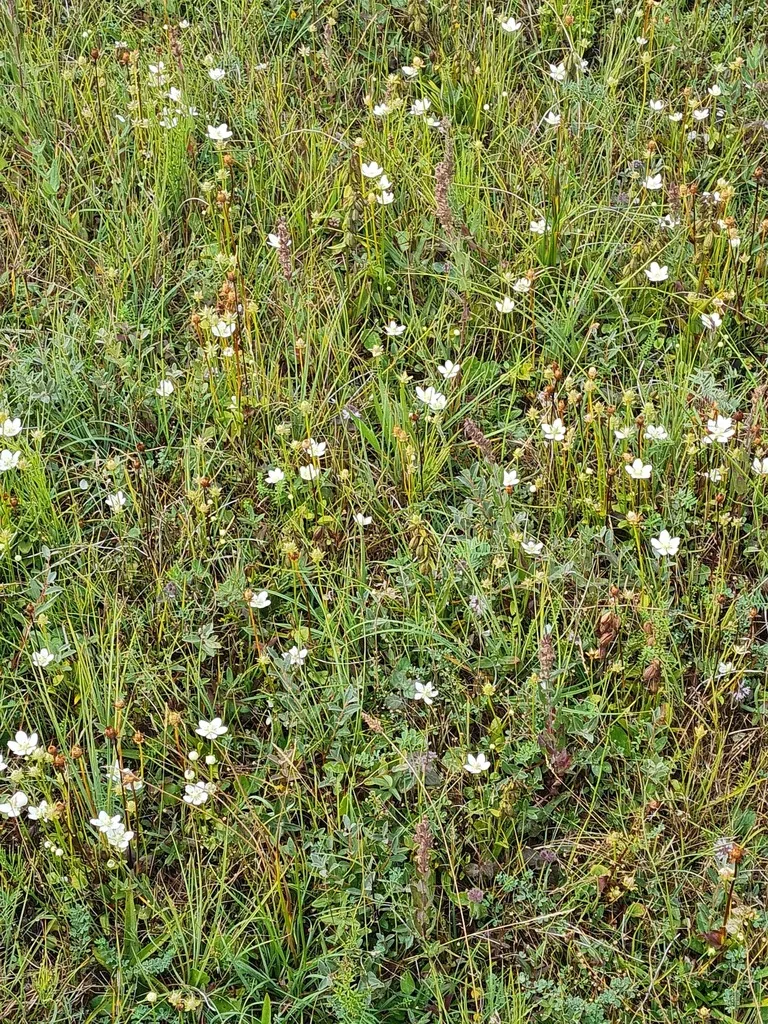
P. palustris is a rosette-forming perennial to 20cm in height, with heart-shaped basal leaves and erect stems bearing star-shaped white flowers 2.5cm across, with greenish veins, in late spring and early summer
Scientific classification
- Species
- grass of Parnassus (Parnassia palustris)
- Genus
- Parnassia
- Family
- Celastraceae
- Order
- Celastrales
- Class
- Magnoliopsida
- Phylum
- Magnoliophyta
- Information to be completed
- Toxicity
- Bogs · Herbaceous Perennial
- Plant type
- 0.1-0.5 metres
- Height
- 0-0.1 metre
- Spread
- Deciduous
- Foliage
- Clump forming
- Habit
- Spring · Summer · Autumn
- Season of interest
- Full sun
- Sunlight
- Information to be completed
- Ideal temperature









grass of Parnassus pictures
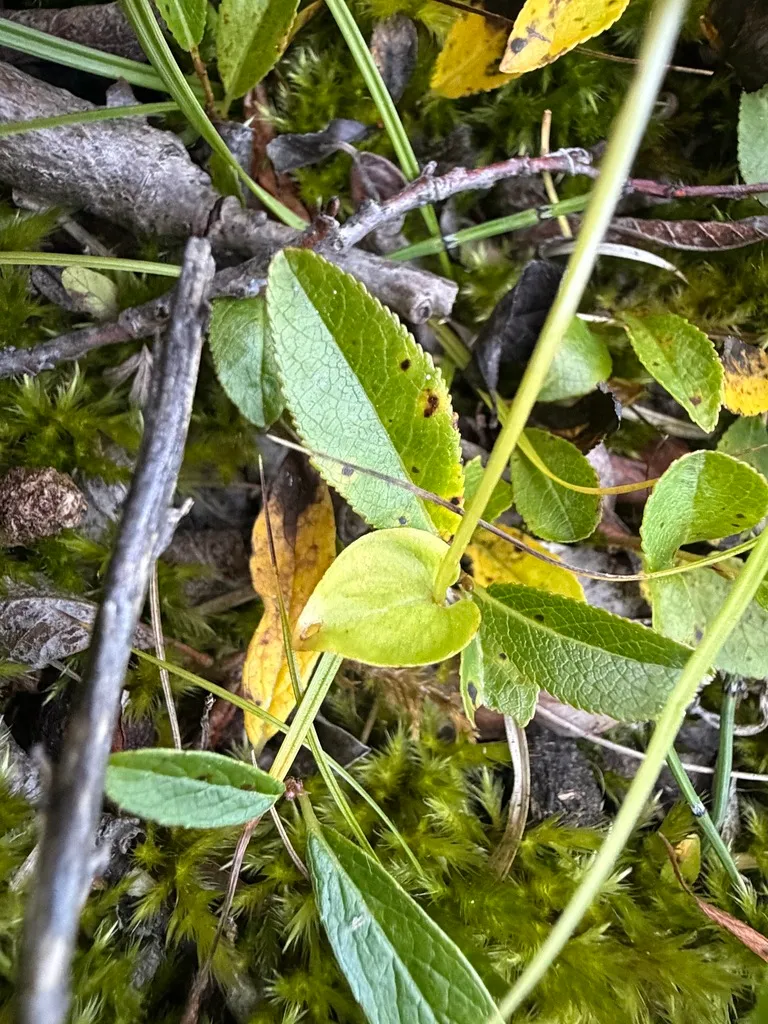
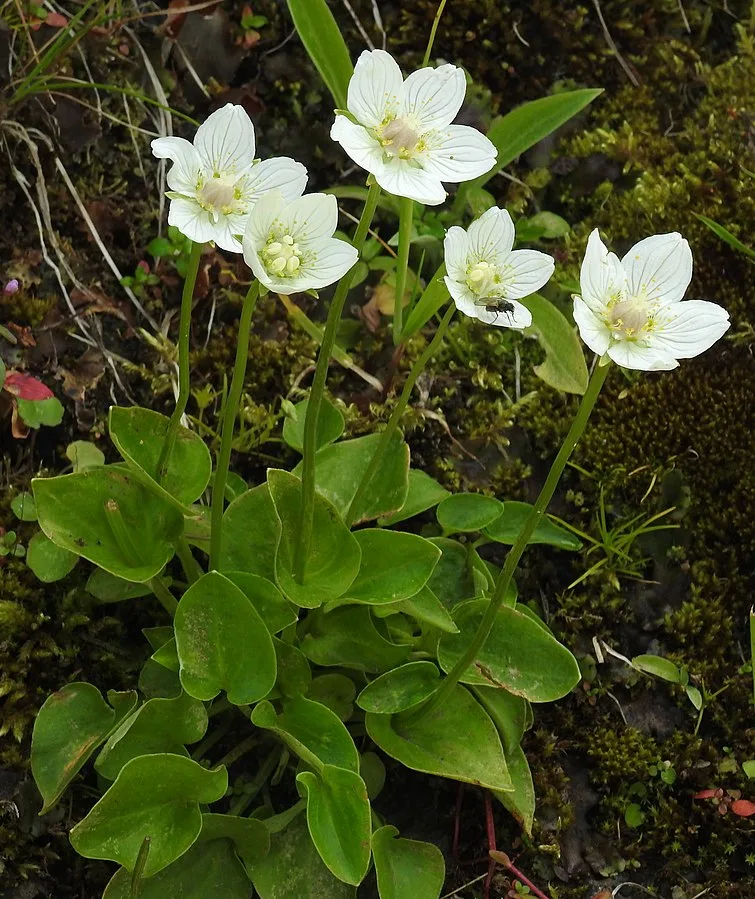
Distribution of grass of Parnassus
Distribution map
- Native
- Introduced
- Cultivated
Locally extinct or doubtful records are excluded from native and introduced layers.
Source:WCVP v16 · Royal Botanic Gardens, Kew · CC BY 3.0 · Boundaries:WGSRPD / TDWG
grass of Parnassus care guide
- Moderate regular watering, allowing brief slight drying between soakings
- Watering
- Full sun
- Sunlight

Watering
Moderate regular watering, allowing brief slight drying between soakings
Fertilizing
 Fertilizing
Balanced perennial feed every four weeks from spring through summer
Pruning
 Pruning
Cut back after flowering
Propagation
 Propagation
Propagate by seed, sown in containers in autumn, or by division in spring
Growing
 Growing
Grow in deep, fertile, wet but not stagnant soil in full sun
Common pests and diseases
Diseases
Generally disease free
Pests
May be damaged by slugs and snails
Explore the plant health library →




