
Virginia creeper
Also known as: American ivy; American woodbine; false grape; five-leaved ivy; 五叶; true Virginia creeper; wild wood vine; woodbine; false Virginia creeper
P. quinquefolia is a vigorous large deciduous climber. Leaves with five ovate leaflets, turning bright red and orange in autumn. Flowers inconspicuous; berries blue-black
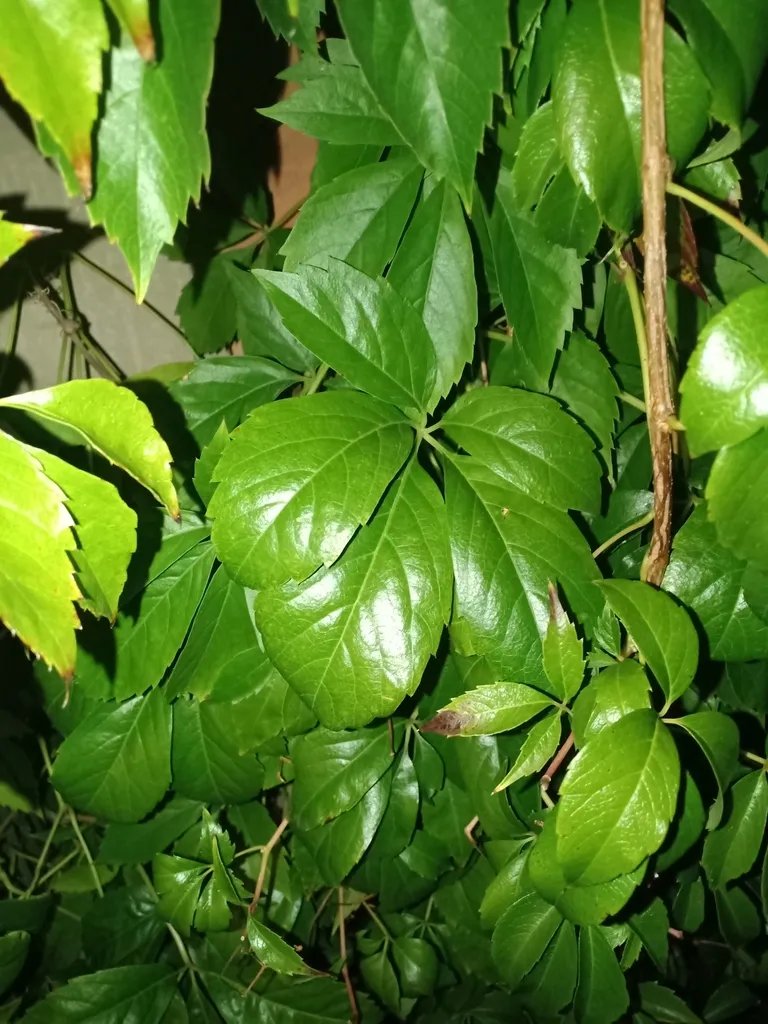
Scientific classification
- Species
- Virginia creeper (Parthenocissus quinquefolia)
- Genus
- Parthenocissus
- Family
- Vitaceae
- Order
- Vitales
- Class
- Magnoliopsida
- Phylum
- Magnoliophyta
- Harmful if eaten, skin irritant. Wear gloves and other protective equipment when handling]
- Toxicity
- Climber Wall Shrub
- Plant type
- Higher than 12 metres
- Height
- 4-8 metres
- Spread
- Deciduous
- Foliage
- Climbing
- Habit
- Autumn · Spring · Summer
- Season of interest
- Full shade · Full sun · Partial shade
- Sunlight
- Information to be completed
- Ideal temperature









Virginia creeper pictures
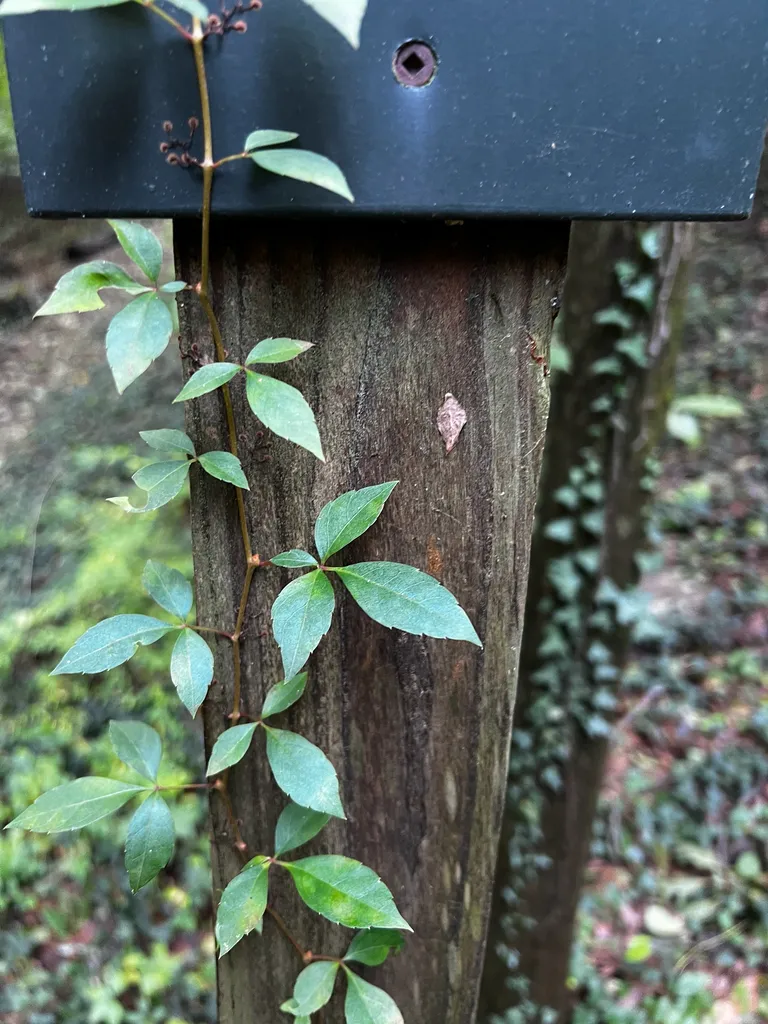
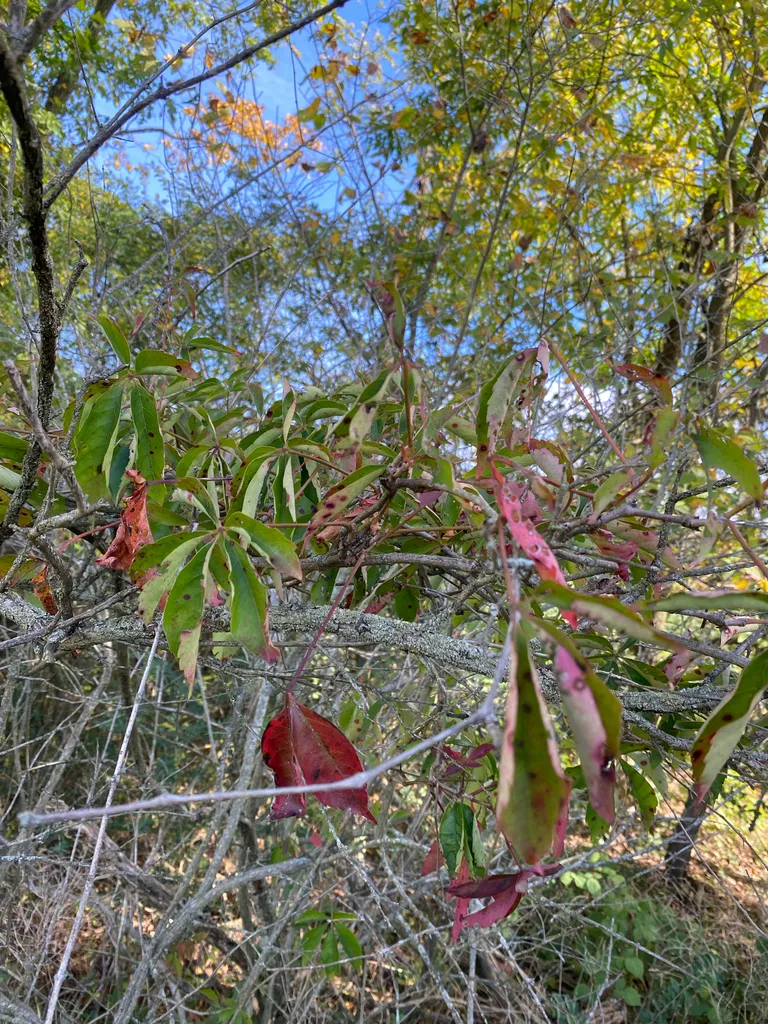
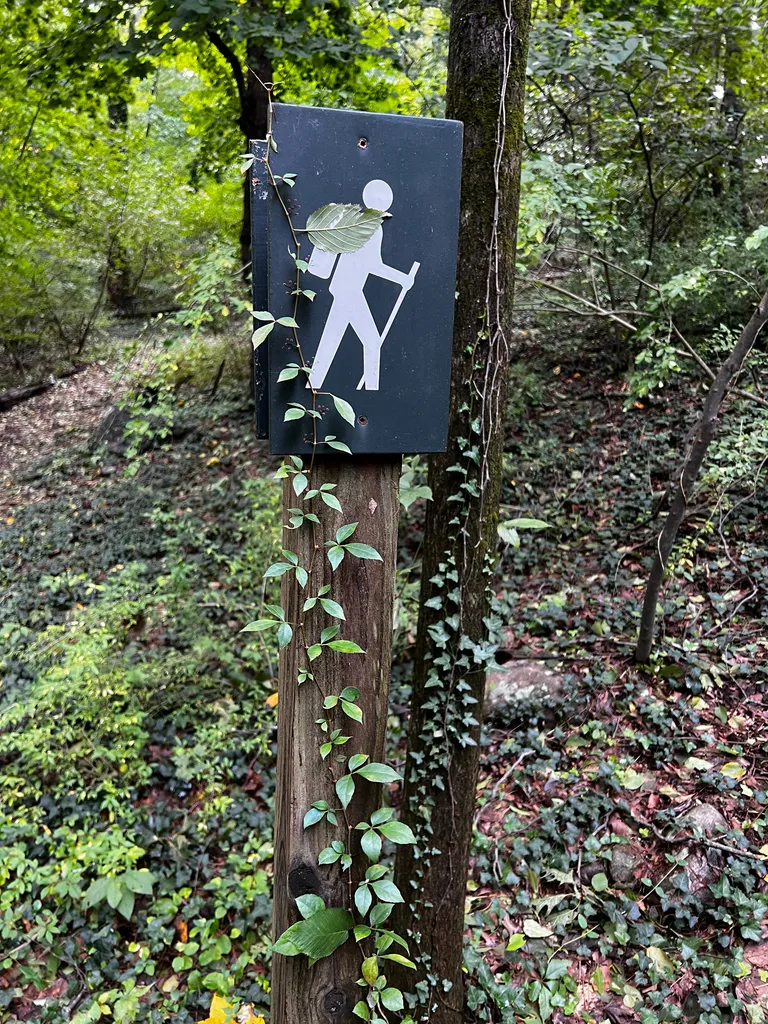
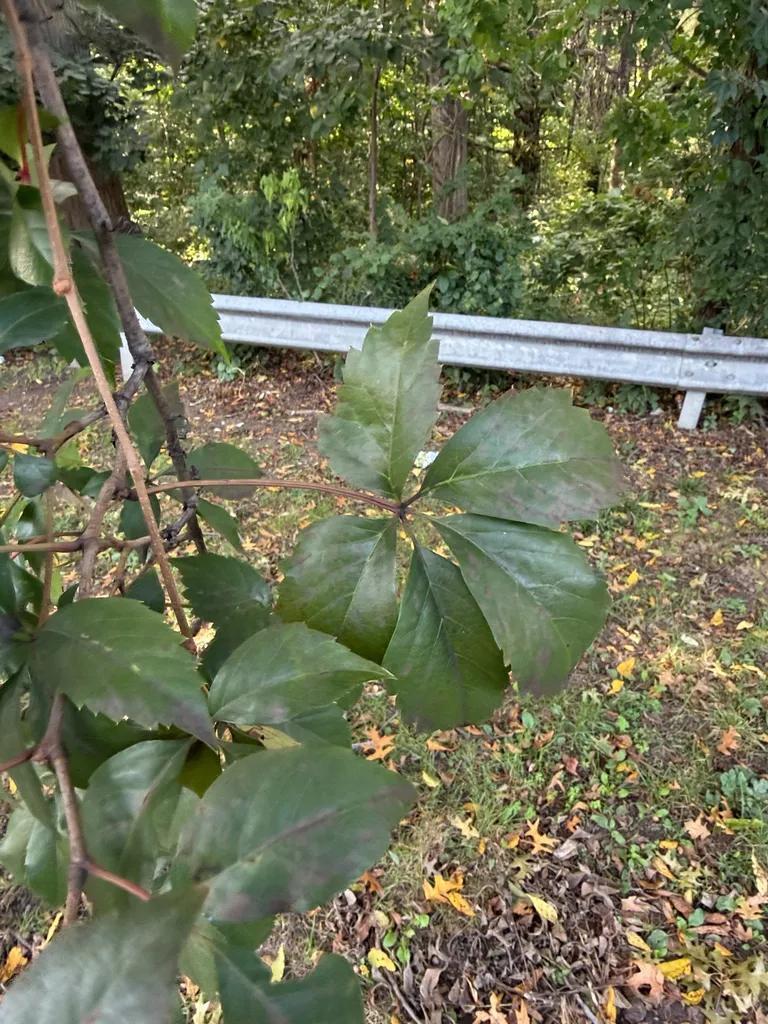
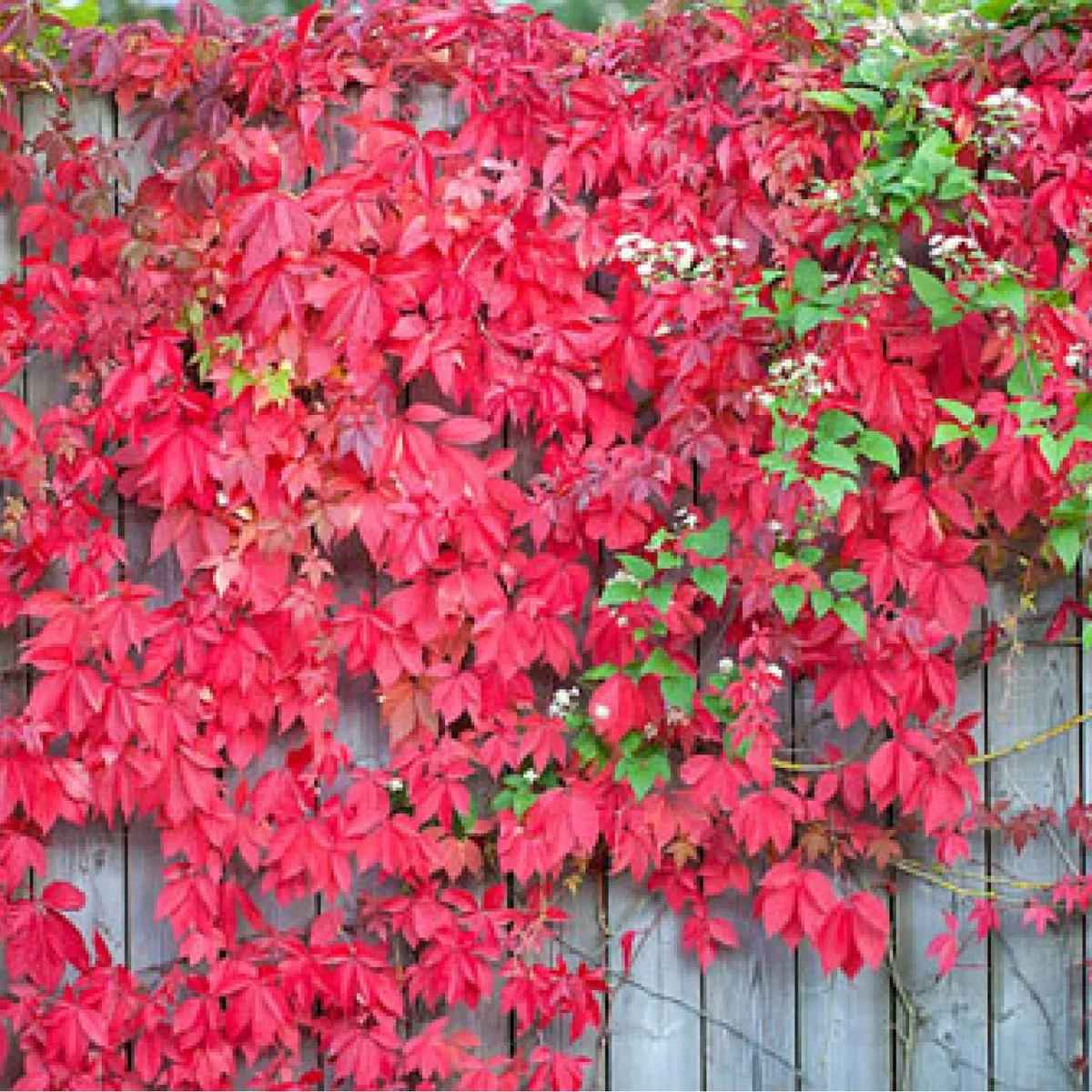
Distribution of Virginia creeper
Distribution map
- Native
- Introduced
- Cultivated
Source:WCVP v16 · Royal Botanic Gardens, Kew · CC BY 3.0 · Boundaries:WGSRPD / TDWG
Toxicity
Harmful if eaten, skin irritant. Wear gloves and other protective equipment when handling]
Virginia creeper care guide
- Moderate regular watering, allowing brief slight drying between soakings
- Watering
- Full shade · Full sun · Partial shade
- Sunlight

Watering
Moderate regular watering, allowing brief slight drying between soakings
Fertilizing
 Fertilizing
Balanced perennial feed every four weeks from spring through summer
Pruning
 Pruning
Routine pruning is unnecessary; shorten overlong shoots to fit the available space. For last-year flowering growth, prune after flowering; for current-year flowering growth, prune in late winter or spring. This guidance is for established plants.
Propagation
 Propagation
See cultivation notes
Growing
 Growing
This plant is listed on Schedule 9 of the UK Wildlife & Countryside Act as an invasive non-native species. While this does not prevent it from being sold in the UK, or from being grown in gardens, the RHS encourages those that do grow it to take great care with managing it and with disposing of unwanted material. The RHS also encourages gardeners to find alternative plants to grow to those listed on Schedule 9. For suggested alternative plants see the Plantlife/RHS guide: Gardening without harmful invasive plants
Common pests and diseases
Diseases
May be susceptible to honey fungus
Pests
May be susceptible to glasshouse red spider mite and vine weevil
Explore the plant health library →




