
chrysanthemum 'Sea Urchin'
Also known as: Information to be completed
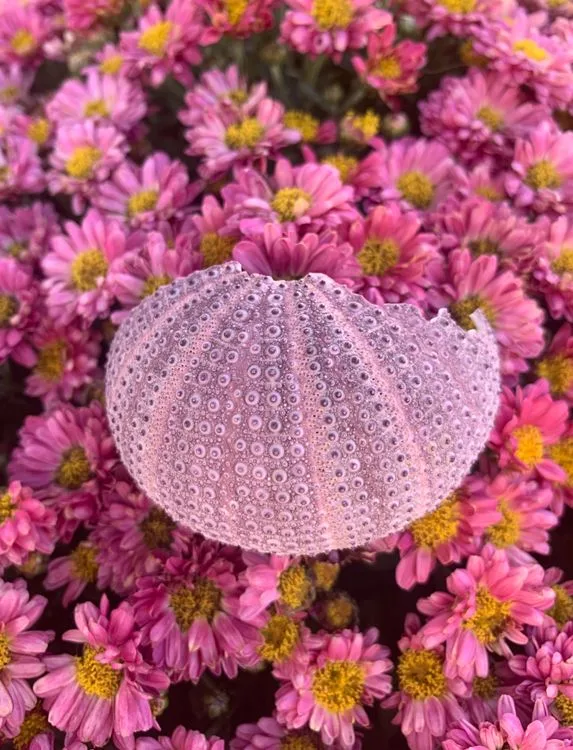
Sea Urchin' is a relatively low-growing cultivar, to 55cm in height. Flowers in mid autumn with yellow quilled florets
Scientific classification
- Species
- chrysanthemum 'Sea Urchin' (Chrysanthemum 'Sea Urchin')
- Genus
- Chrysanthemum
- Family
- Asteraceae
- Order
- Asterales
- Class
- Magnoliopsida
- Phylum
- Tracheophyta
- Skin allergen. Wear gloves and other protective equipment when handling
- Toxicity
- Herbaceous Perennial
- Plant type
- 0.1-0.5 metres
- Height
- 0.1-0.5 metres
- Spread
- Deciduous
- Foliage
- Bushy
- Habit
- Spring · Summer · Autumn
- Season of interest
- Full sun
- Sunlight
- Information to be completed
- Ideal temperature









chrysanthemum 'Sea Urchin' pictures
Toxicity
Skin allergen. Wear gloves and other protective equipment when handling
chrysanthemum 'Sea Urchin' care guide
- Moderate regular watering, allowing brief slight drying between soakings
- Watering
- Full sun
- Sunlight

Watering
Moderate regular watering, allowing brief slight drying between soakings
Fertilizing
 Fertilizing
Balanced perennial feed every four weeks from spring through summer
Pruning
 Pruning
Cut down after flowering
Propagation
 Propagation
May be propagated by division in late spring or by cuttings
Growing
 Growing
Korean chrysanthemums are borderline hardy. Overwinter more tender cultivars in a cold frame. Needs a sunny site with moderately fertile, well-draining soil. See chrysanthemum cultivation
Common pests and diseases
Diseases
May be susceptible to glasshouse grey mould, powdery mildews and chrysanthemum white rust
Pests
May be susceptible to chrysanthemum leaf miner, glasshouse whitefly and aphids
Explore the plant health library →




