
celery-scented geranium
Also known as: Information to be completed
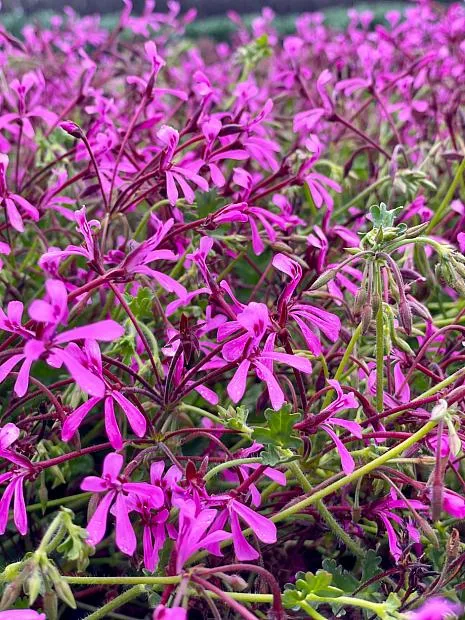
P. ionidiflorum is a bushy, somewhat spreading plant, to 50cm in height, with small, deeply-lobed, softly-hairy, celery-scented leaves. The flowers have red stems and narrow, rose-pink petals, and appear from mid-spring to mid-autumn
Scientific classification
- Species
- celery-scented geranium (Pelargonium ionidiflorum)
- Genus
- Pelargonium
- Family
- Geraniaceae
- Order
- Geraniales
- Class
- Magnoliopsida
- Phylum
- Magnoliophyta
- Information to be completed
- Toxicity
- Bedding · Conservatory Greenhouse · Houseplants
- Plant type
- 0.1-0.5 metres
- Height
- 0.1-0.5 metres
- Spread
- Evergreen
- Foliage
- Bushy
- Habit
- Spring · Summer · Autumn · Winter
- Season of interest
- Full sun
- Sunlight
- Information to be completed
- Ideal temperature









celery-scented geranium pictures
Distribution of celery-scented geranium
Distribution map
- Native
- Introduced
- Cultivated
Source:WCVP v16 · Royal Botanic Gardens, Kew · CC BY 3.0 · Boundaries:WGSRPD / TDWG
celery-scented geranium care guide
- Water thoroughly when the soil feels dry; avoid overwatering and ensure excellent drainage.
- Watering
- Full sun
- Sunlight

Watering
Water thoroughly when the soil feels dry; avoid overwatering and ensure excellent drainage.
Fertilizing
 Fertilizing
Feed every 2-3 weeks during growth with a dilute high-potash liquid feed.
Pruning
 Pruning
Deadhead regularly
Propagation
 Propagation
Take softwood cuttings in spring or summer
Growing
 Growing
Under glass grow in full light with shade from hot sun and good ventilation. When in growth water moderately and apply a balanced liquid fertiliser in spring and early summer. A high potash fertiliser should be used when in flower. Water sparingly in winter. Can be grown outside in frost-free areas in a fertile soil. See also pelargonium cultivation
Common pests and diseases
Diseases
May be subject to grey moulds when grown under glass
Pests
Susceptible to vine weevil, caterpillars and thrips
Explore the plant health library →




