
night-scented geranium
Also known as: night-scented pelargonium
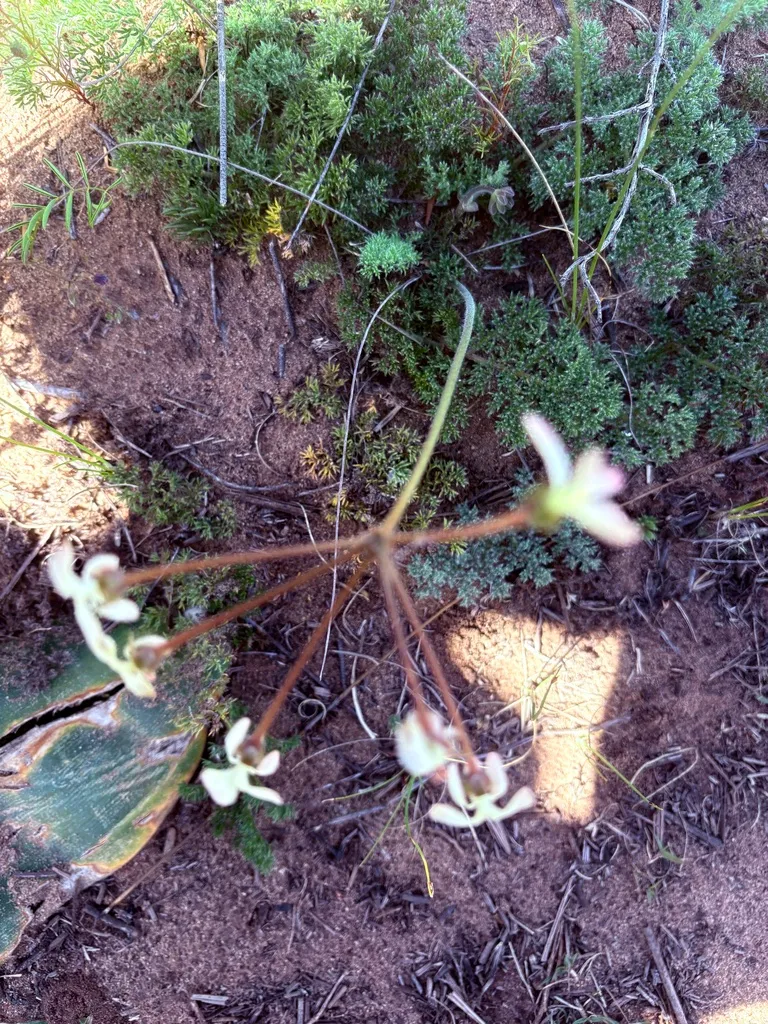
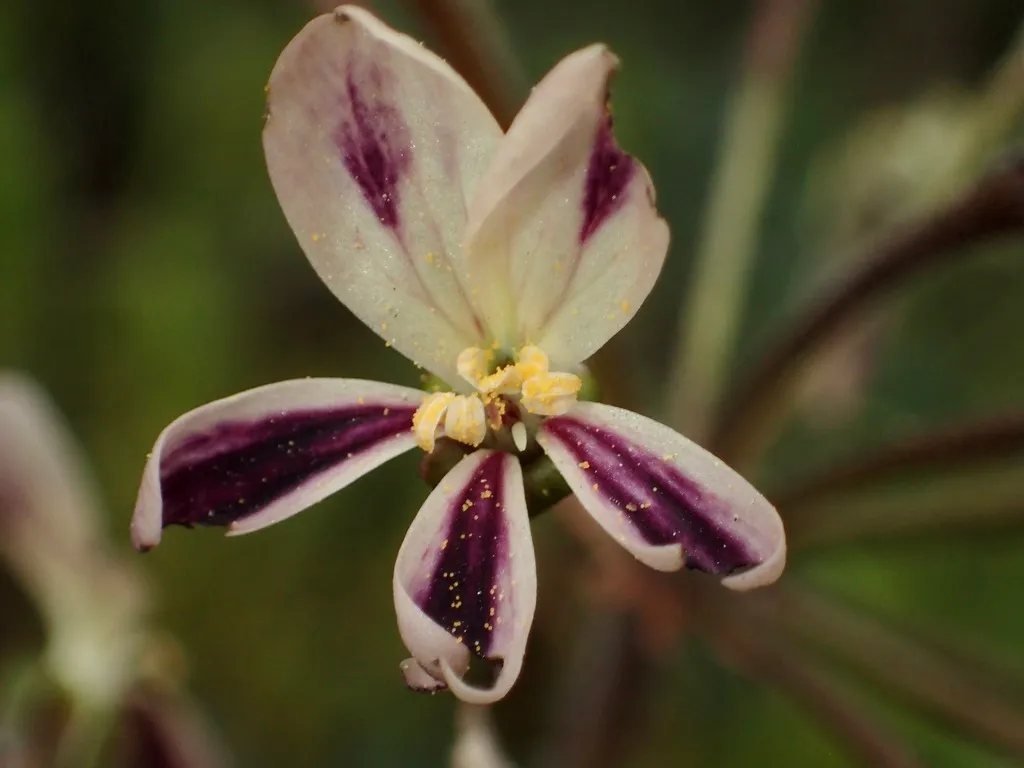
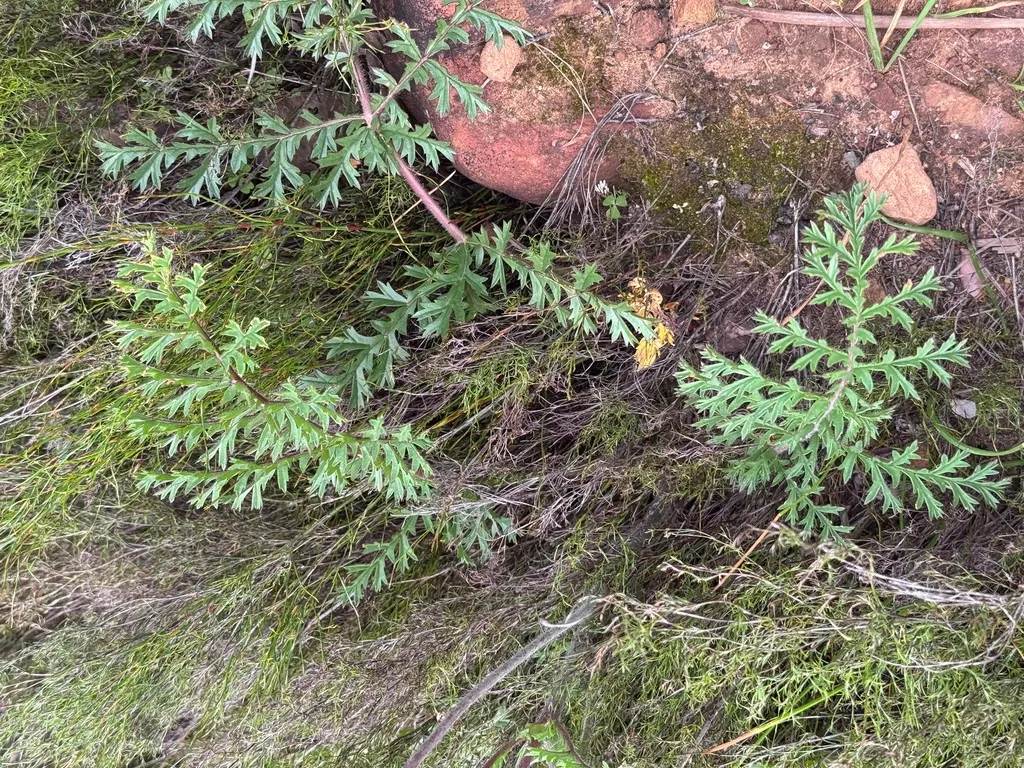
A tuberous perennial with finely divided, trailing green leaves covered with fine silvery hairs. Clusters of small, night-scented flowers, with pale yellow or pale pink petals with dark red markings, are held on tall stems in late spring and early summer
Scientific classification
- Species
- night-scented geranium (Pelargonium triste)
- Genus
- Pelargonium
- Family
- Geraniaceae
- Order
- Geraniales
- Class
- Magnoliopsida
- Phylum
- Magnoliophyta
- Information to be completed
- Toxicity
- Herbaceous Perennial
- Plant type
- 0.1-0.5 metres
- Height
- 0.1-0.5 metres
- Spread
- Semi evergreen
- Foliage
- Trailing
- Habit
- Spring · Summer · Autumn · Winter
- Season of interest
- Full sun · Partial shade
- Sunlight
- Information to be completed
- Ideal temperature









night-scented geranium pictures
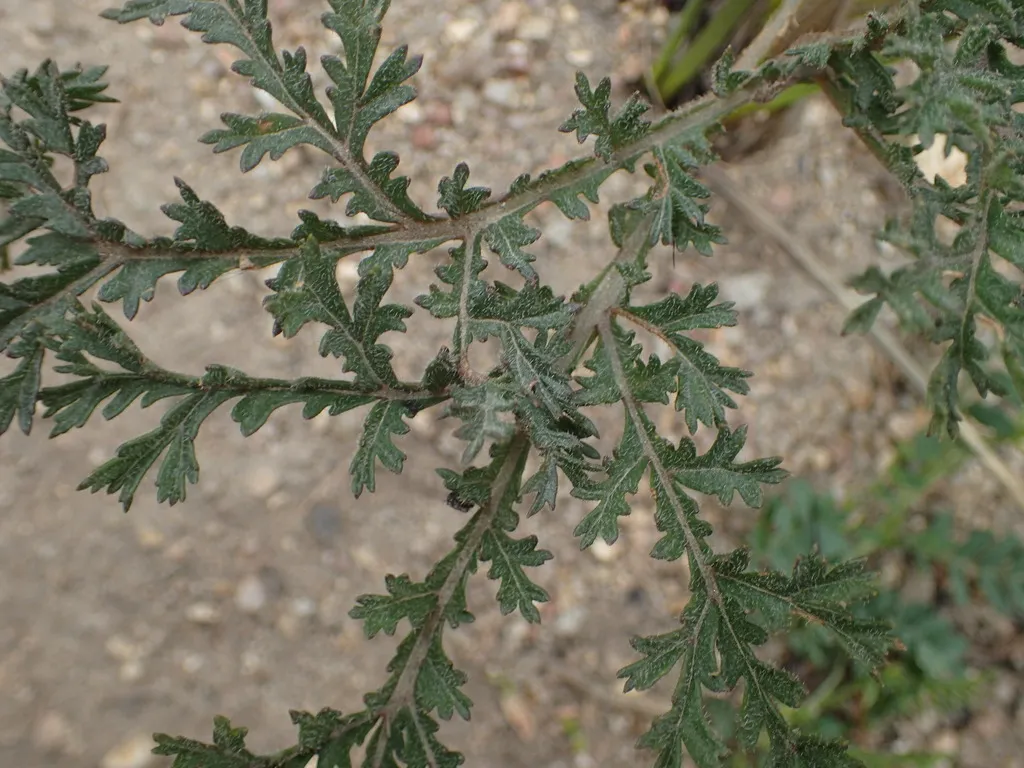
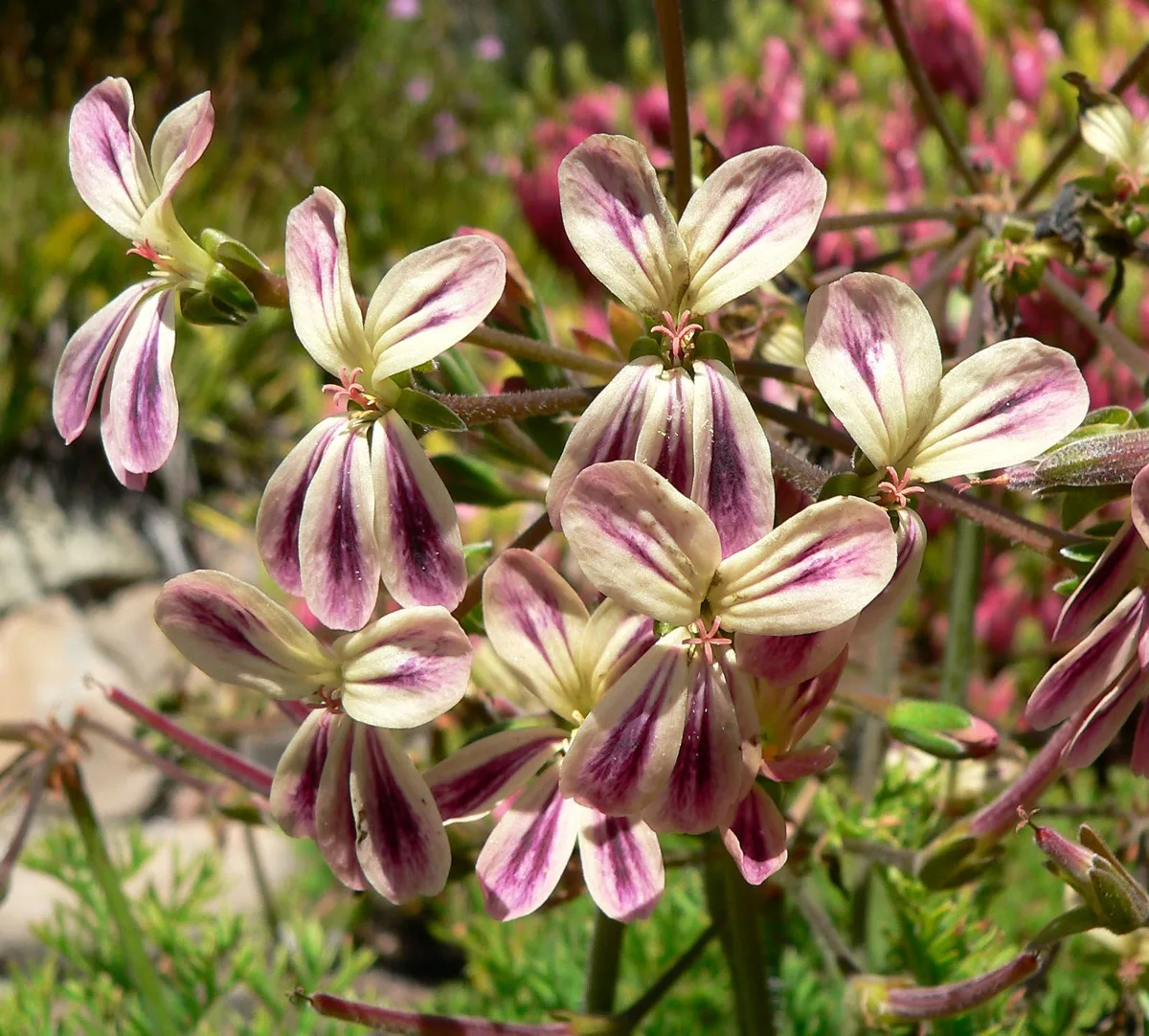
Distribution of night-scented geranium
Distribution map
- Native
- Introduced
- Cultivated
Source:WCVP v16 · Royal Botanic Gardens, Kew · CC BY 3.0 · Boundaries:WGSRPD / TDWG
night-scented geranium care guide
- Water thoroughly then let compost partly dry
- Watering
- Full sun · Partial shade
- Sunlight

Watering
Water thoroughly then let compost partly dry
Fertilizing
 Fertilizing
High potash feed regularly during flowering season
Pruning
 Pruning
No pruning required
Propagation
 Propagation
Propagate by seed, by softwood cuttings, or by division of tubers when plants are dormant
Growing
 Growing
Thrives in sandy, well-drained soils in a sunny or lightly shaded spot. Grow under glass, or in containers and overwinter indoors. Plants may be summer dormant in warmer regions; keep almost dry when not in growth to prevent rotting
Common pests and diseases
Diseases
Generally disease-free, though prone to rot in poor drainage
Pests
May be susceptible to root mealybugs, thrips, fungus gnats and glasshouse whitefly
Explore the plant health library →




