
bearded penstemon
Also known as: bitterherb; bitterweed; broom-shell flower; cod head; firecracker plant; fish mouth
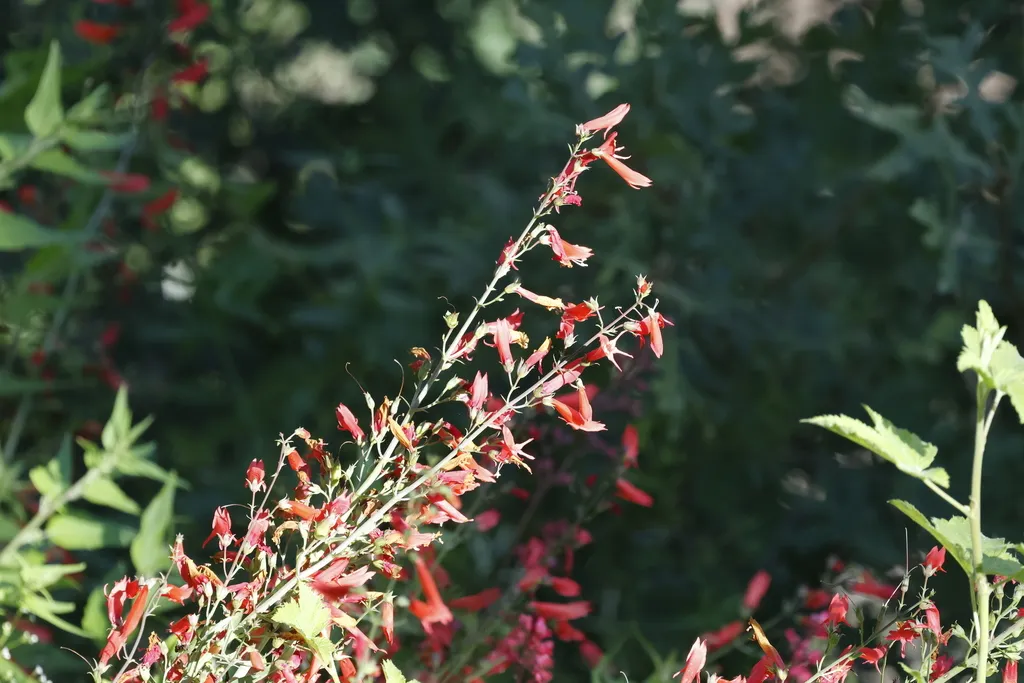
A tall, upright perennial to 1.8m with semi-evergreen basal rosettesand deciduous stems with leaves up to 20cm long. From early summer to early autumn bears loose spires of hanging, tubular red flowers 4cm long tinged pink to carmine.
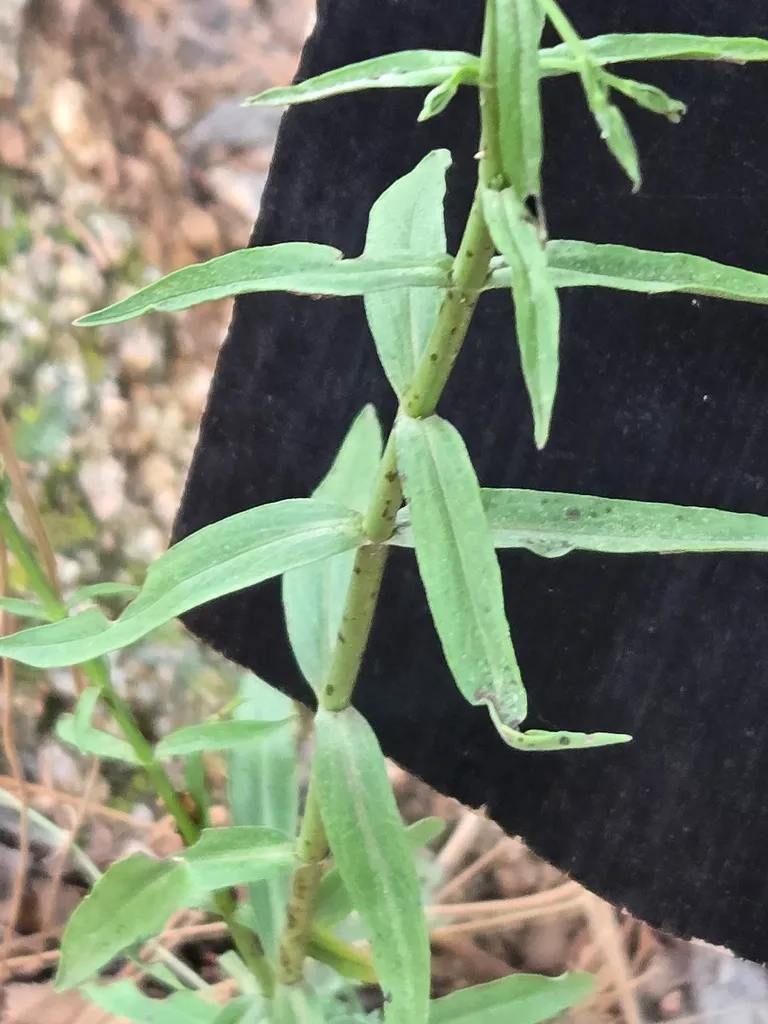
Scientific classification
- Species
- bearded penstemon (Penstemon barbatus)
- Genus
- Penstemon
- Family
- Plantaginaceae
- Information to be completed
- Toxicity
- Herbaceous Perennial
- Plant type
- 1.5-2.5 metres
- Height
- 0.1-0.5 metres
- Spread
- Semi evergreen
- Foliage
- Clump forming
- Habit
- Spring · Summer · Autumn · Winter
- Season of interest
- Full sun
- Sunlight
- Information to be completed
- Ideal temperature









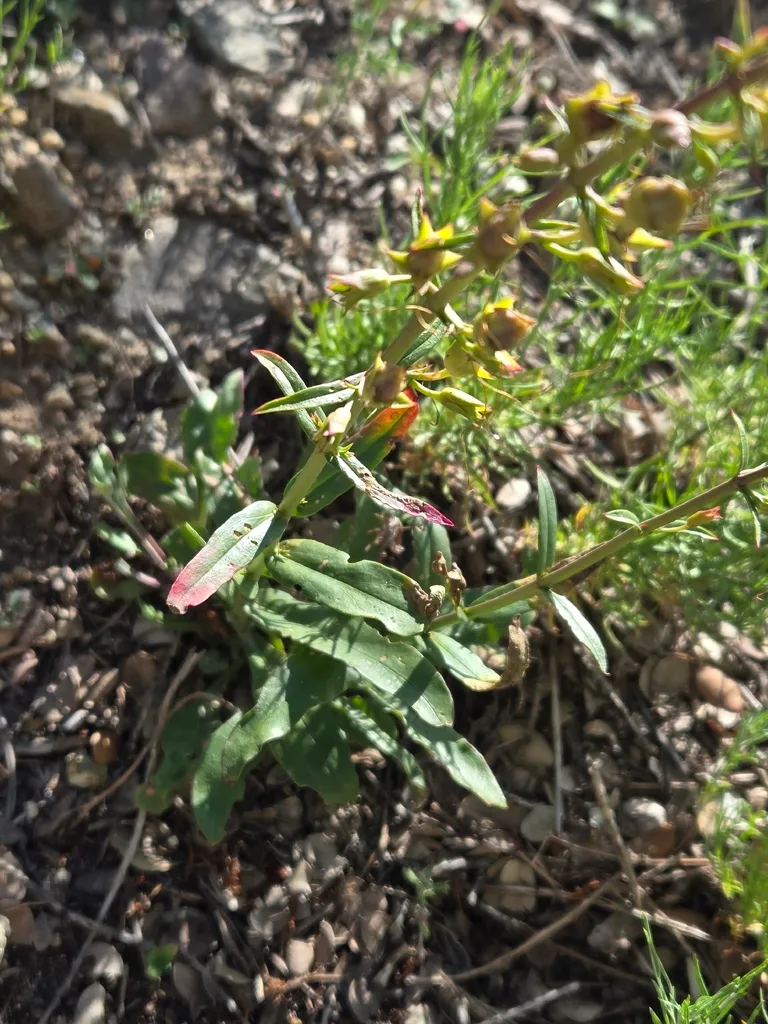
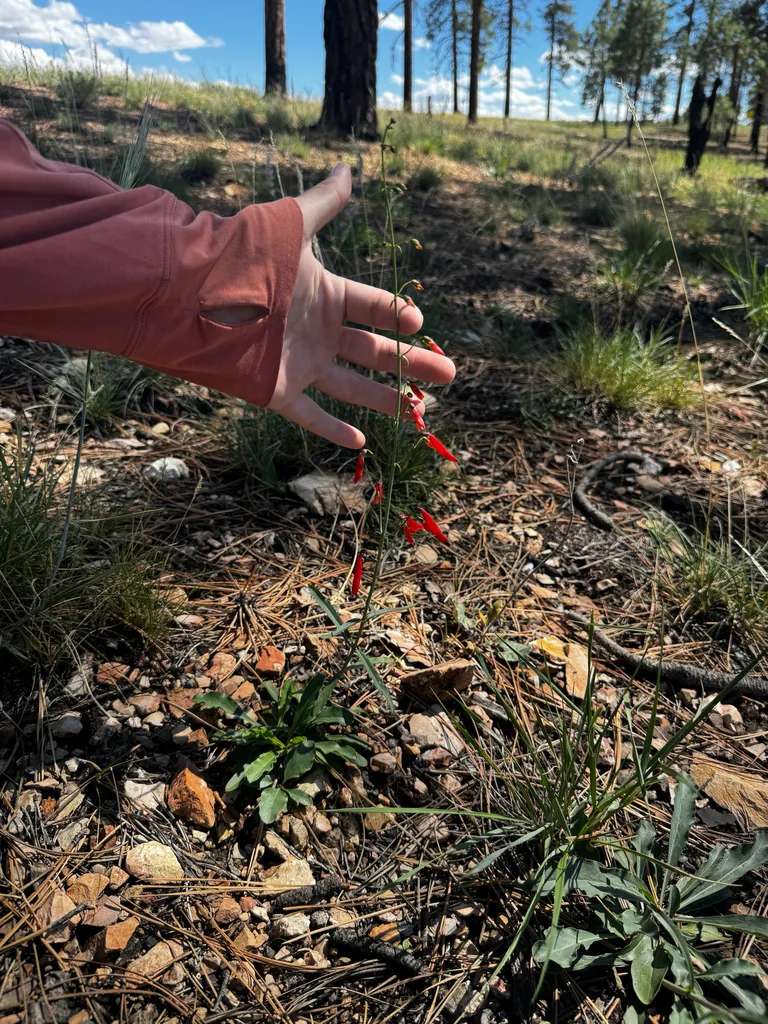
bearded penstemon pictures
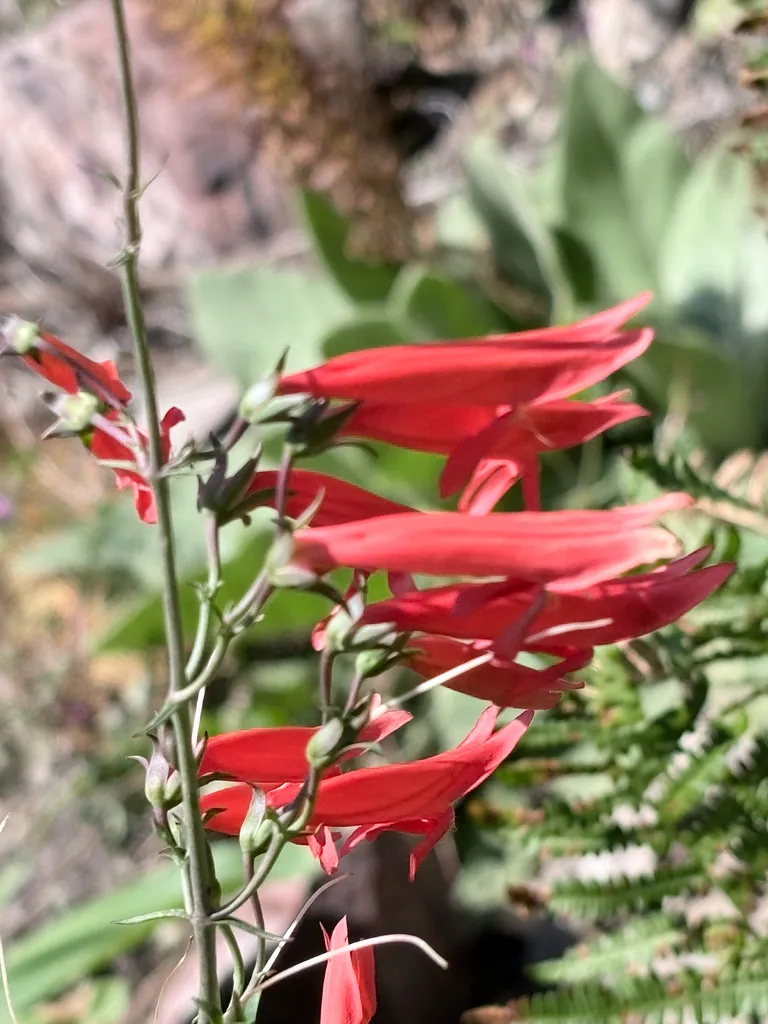
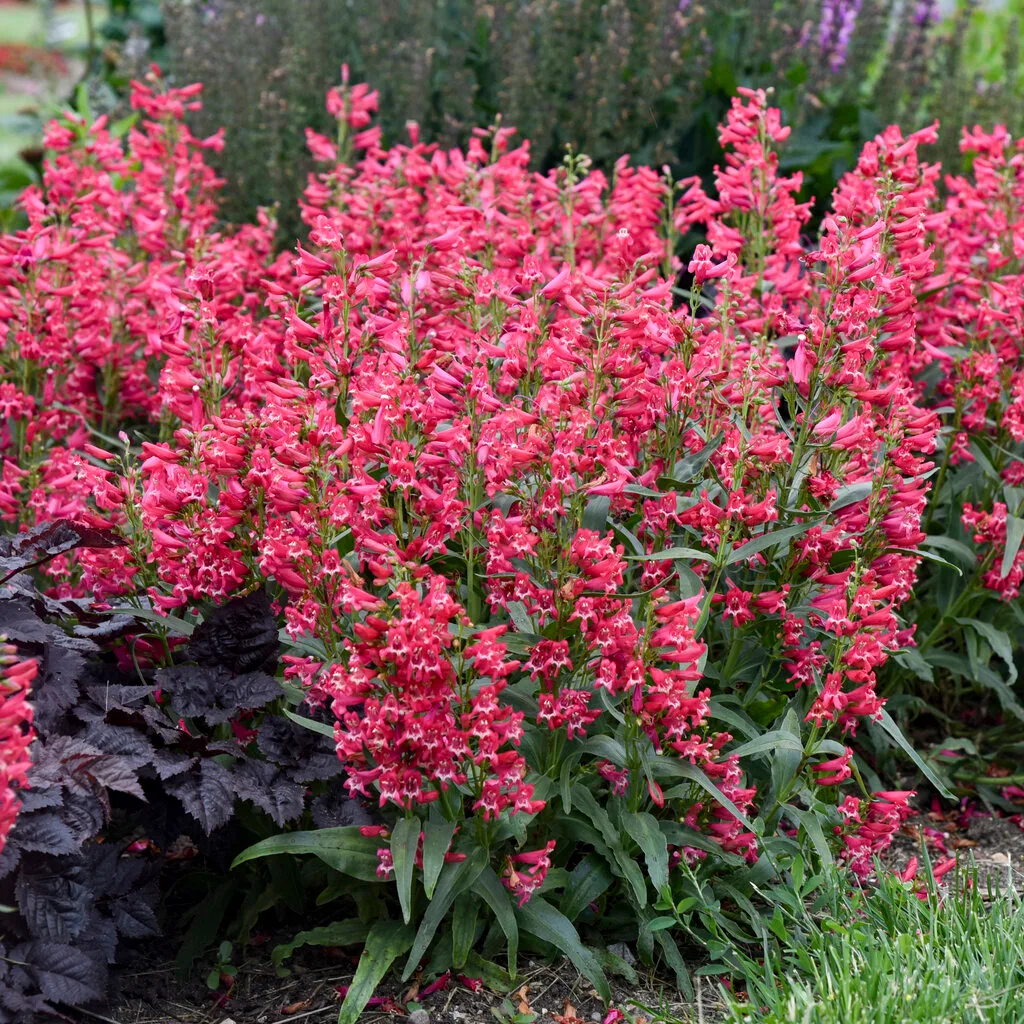
Distribution of bearded penstemon
Distribution map
Mexico and Southern USA
Information to be completed
Culture
Information to be completed
Toxicity
Information to be completed
Quick identification of bearded penstemon
Information to be completed
bearded penstemon care guide
- Moderate watering, avoid winter wet around the crown
- Watering
- Full sun
- Sunlight
- Information to be completed
- Ideal temperature

Watering
Moderate watering, avoid winter wet around the crown
Fertilizing
 Fertilizing
Light balanced feed in spring and early bloom
Pruning
 Pruning
Deadhead after flowering to maintain vigour, then cut back to base in winter
Propagation
 Propagation
Propagate by softwood cuttings in early summer, semi-hardwood cuttings in midsummer, or division in spring
Growing
 Growing
Grow in fertile, well-drained soil in a sheltered position in full sun or partial shade. In cold areas, protect plant overwinter with a dry mulch. See penstemon cultivation
People also ask
Information to be completed
Common pests and diseases
Diseases
May be subject to a downy mildew
Pests
May be attacked by slugs, snails and chrysanthemum eelworms
Explore the plant health library →




