
Elegia equisetacea
Also known as: Information to be completed
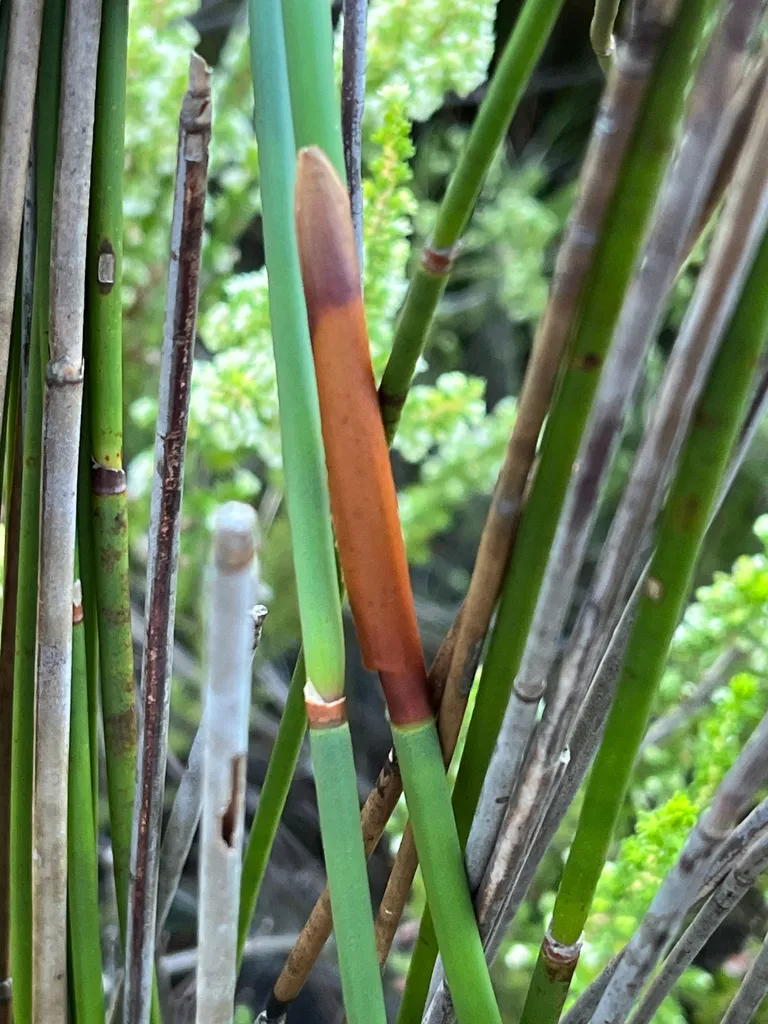
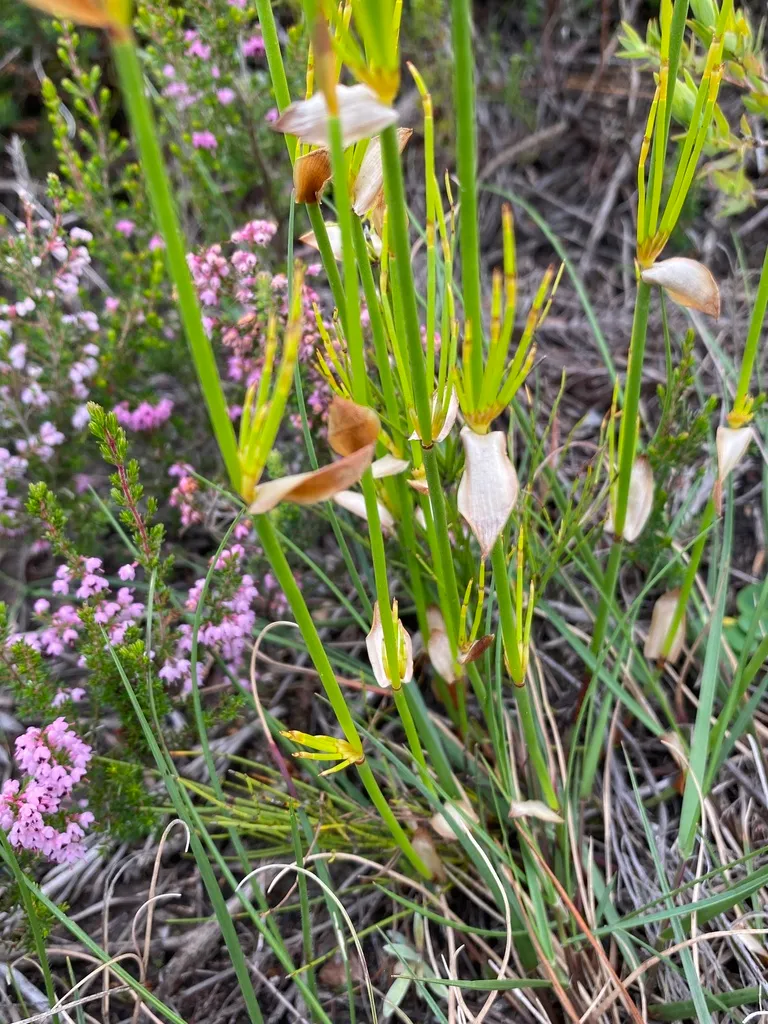
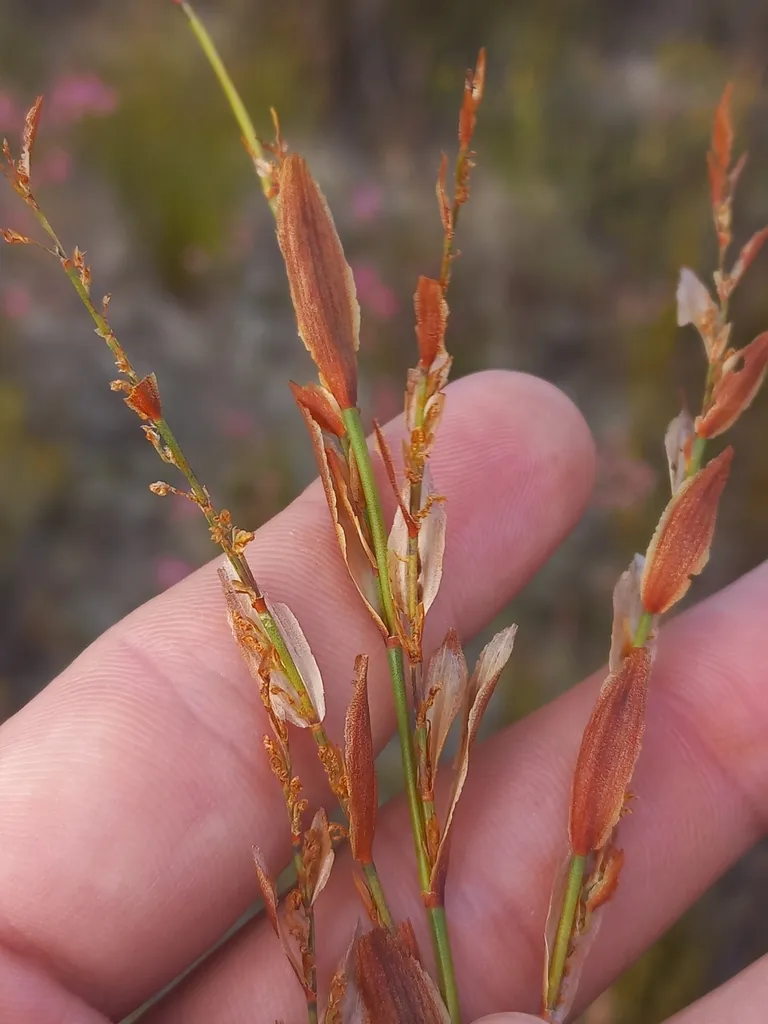
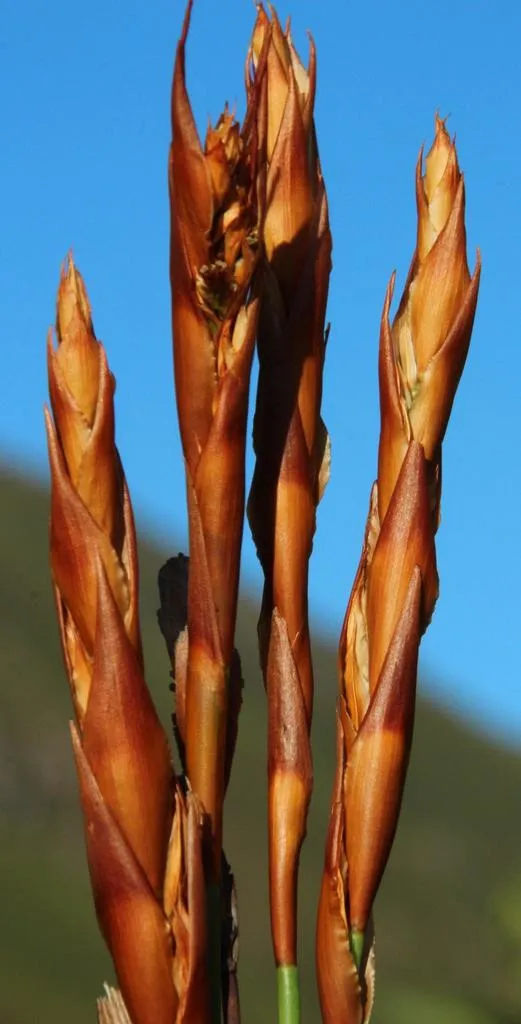
A clump-forming, evergreen perennial with green, upright, cane-like stems, carrying large, pointed, chestnut-brown bracts at intervals up the stem and around the terminal sprays of tiny, red-brown, grass-like flowers and golden-brown seedheads, making a feature from spring to autumn
Scientific classification
- Species
- Elegia equisetacea (Elegia equisetacea)
- Genus
- Elegia
- Family
- Restionaceae
- Information to be completed
- Toxicity
- Grass Like
- Plant type
- 1-1.5 metres
- Height
- 0.5-1 metres
- Spread
- Evergreen
- Foliage
- Bushy · Clump forming
- Habit
- Spring · Summer · Autumn · Winter
- Season of interest
- Full sun
- Sunlight
- Information to be completed
- Ideal temperature









Elegia equisetacea pictures
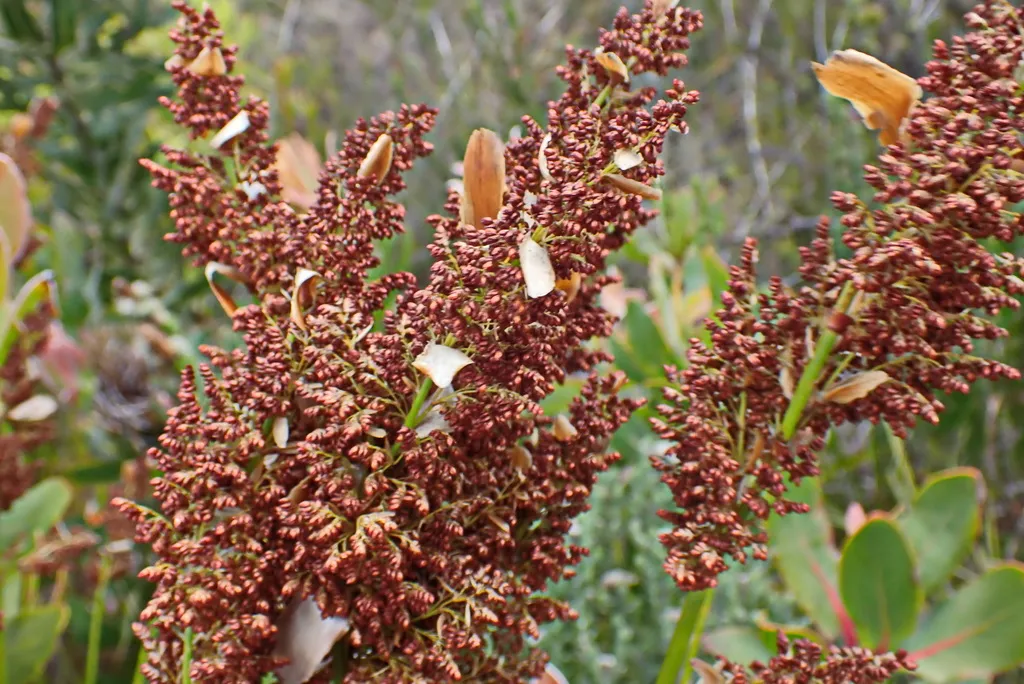
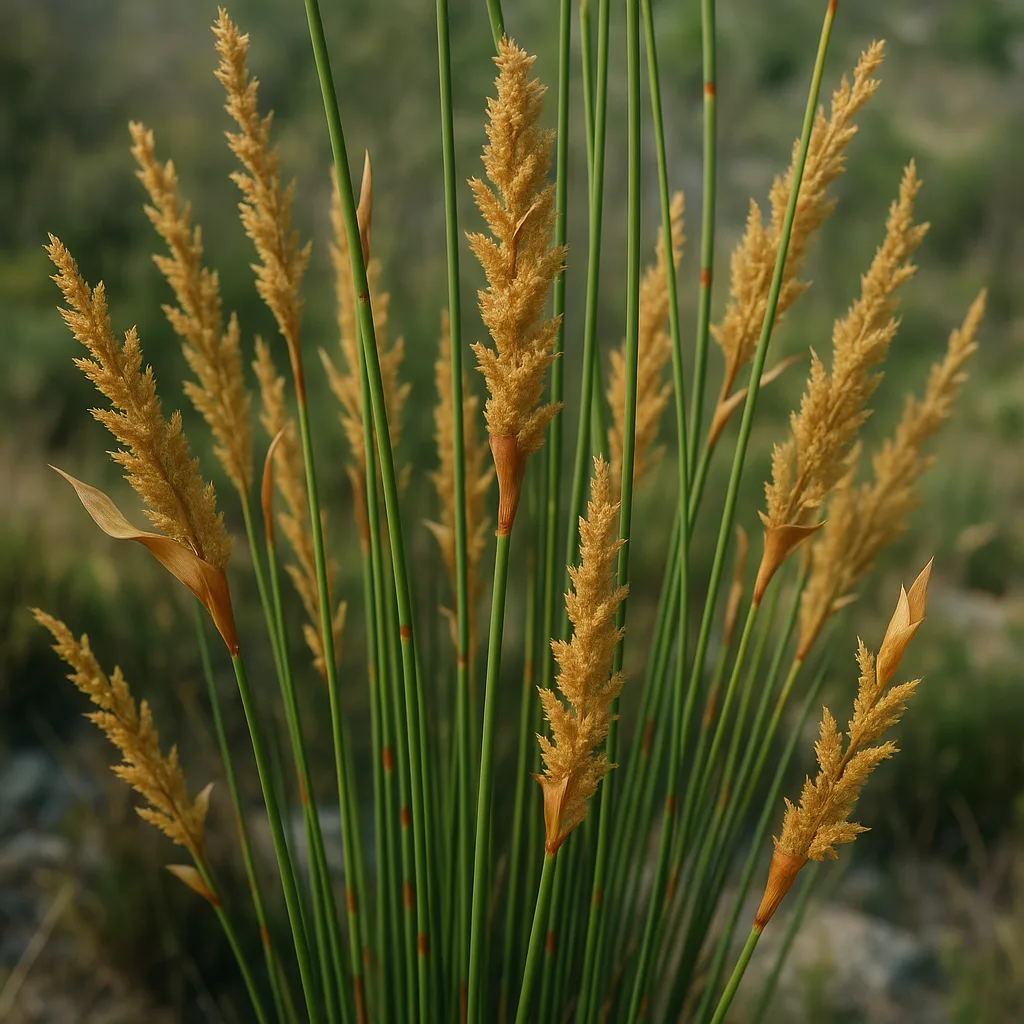
Distribution of Elegia equisetacea
Distribution map
Southern Africa
Information to be completed
Culture
Information to be completed
Toxicity
Information to be completed
Quick identification of Elegia equisetacea
Information to be completed
Elegia equisetacea care guide
- Moderate regular watering, allowing brief slight drying between soakings
- Watering
- Full sun
- Sunlight
- Information to be completed
- Ideal temperature

Watering
Moderate regular watering, allowing brief slight drying between soakings
Fertilizing
 Fertilizing
Balanced perennial feed every four weeks from spring through summer
Pruning
 Pruning
Thin out older stems in spring
Propagation
 Propagation
Propagate by seed sown in containers at 16-18°C after soaking the seed for 24 hours. Well-established clumps may be propagated by division into large sections, but may take some time to re-establish
Growing
 Growing
Grow outdoors in mild areas in an open, sunny position in moist but well-drained, neutral to acid soil
People also ask
Information to be completed
Common pests and diseases
Diseases
Generally disease-free
Pests
Generally pest-free
Explore the plant health library →




