
peacock windflower
Also known as: Information to be completed
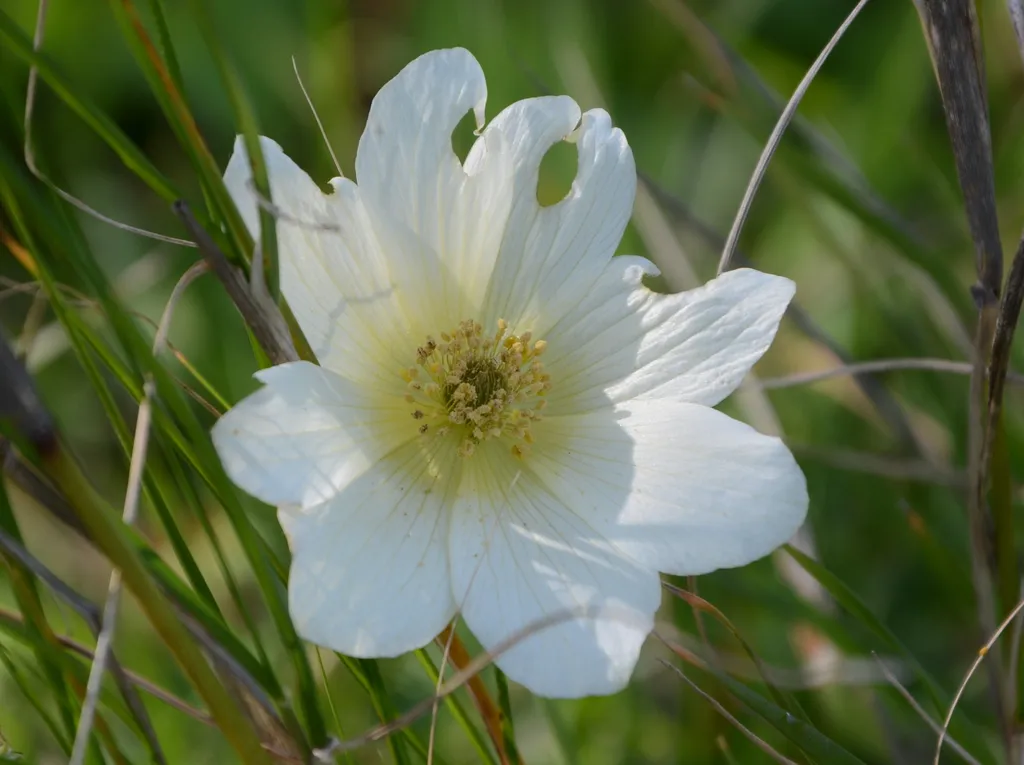
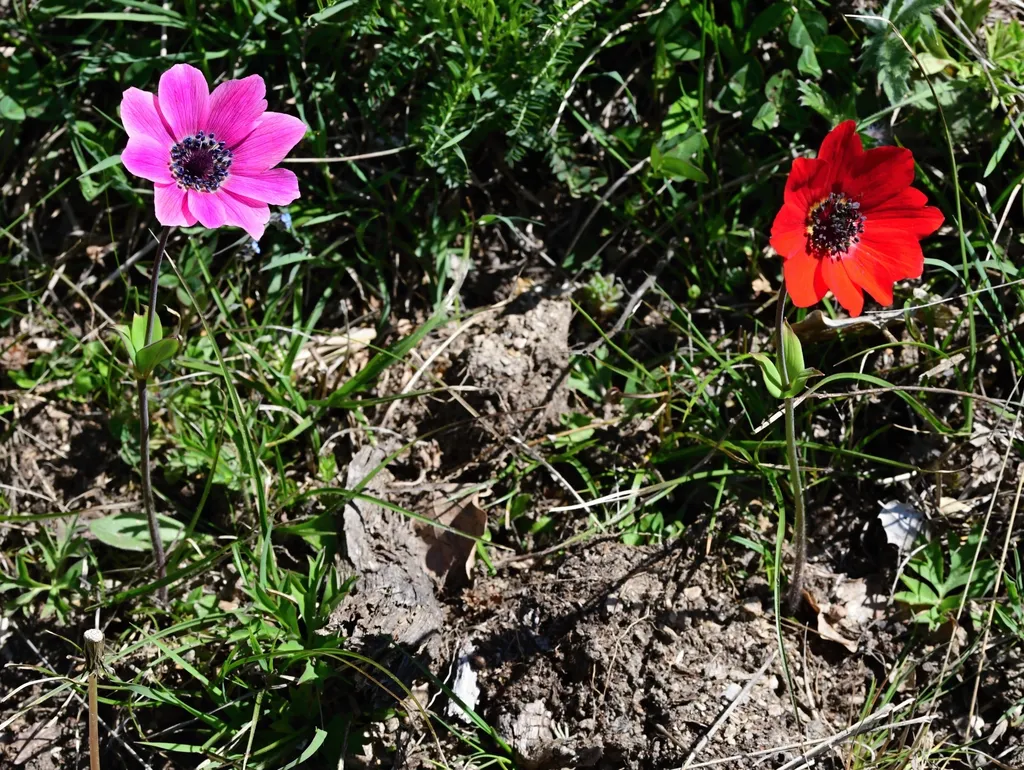
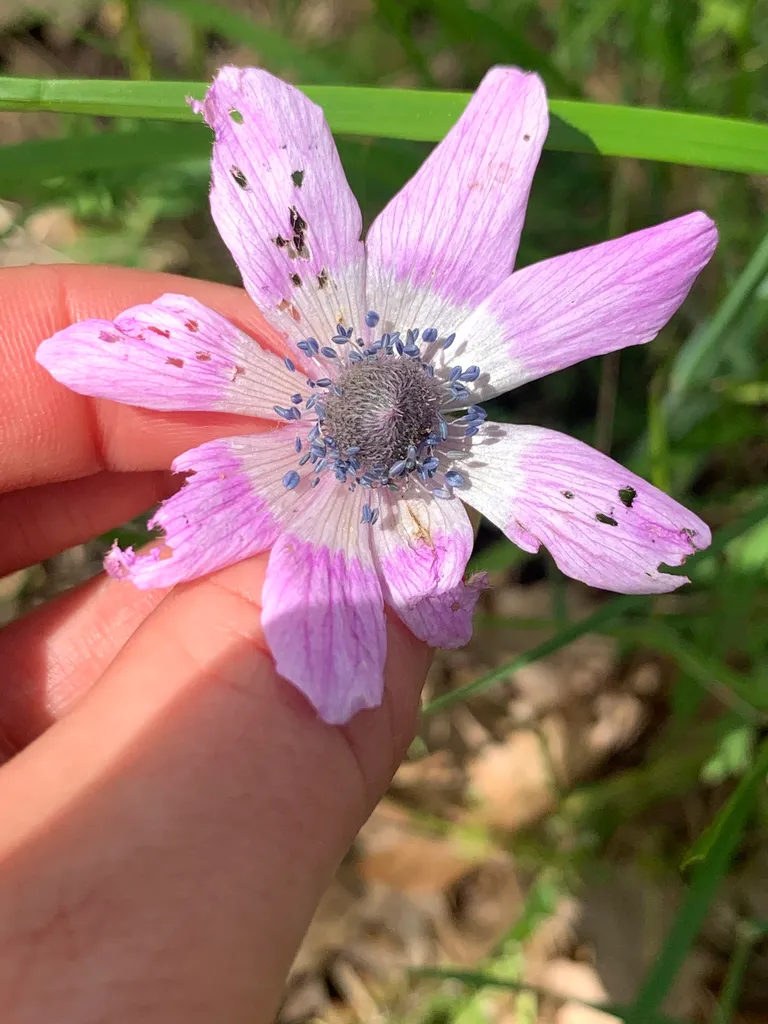
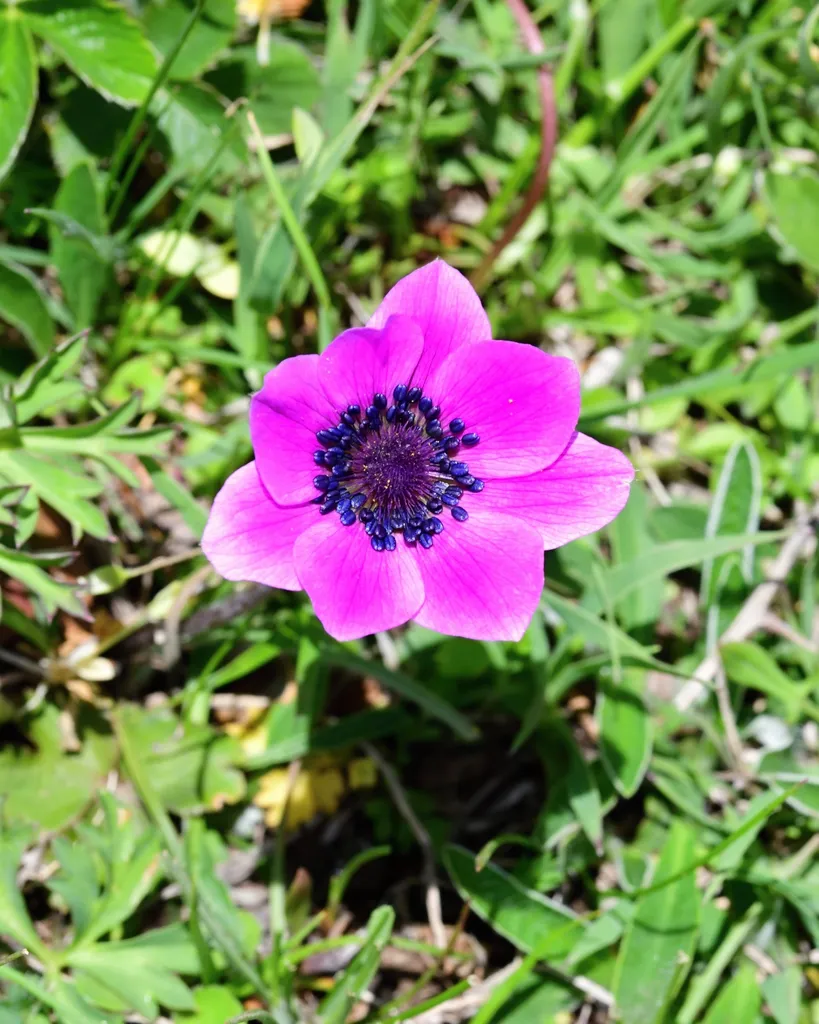
A tuberous perennial to 40cm high with divided basal leaves. Cup-shaped red, blue or purple flowers, often with a pale whitish zone towards the centre, and comprising 8-12 elliptic petals that spread apart are borne in spring
Scientific classification
- Species
- peacock windflower (Anemone pavonina)
- Genus
- Anemone
- Family
- Ranunculaceae
- Order
- Ranunculales
- Class
- Magnoliopsida
- Phylum
- Magnoliophyta
- Ingestion may cause mild stomach upset, contact may irritate skin. Wear gloves and other protective equipment when handling]
- Toxicity
- Bulbs
- Plant type
- 0.1-0.5 metres
- Height
- 0.1-0.5 metres
- Spread
- Deciduous
- Foliage
- Columnar upright
- Habit
- Spring · Summer
- Season of interest
- Full sun
- Sunlight
- Information to be completed
- Ideal temperature









peacock windflower pictures
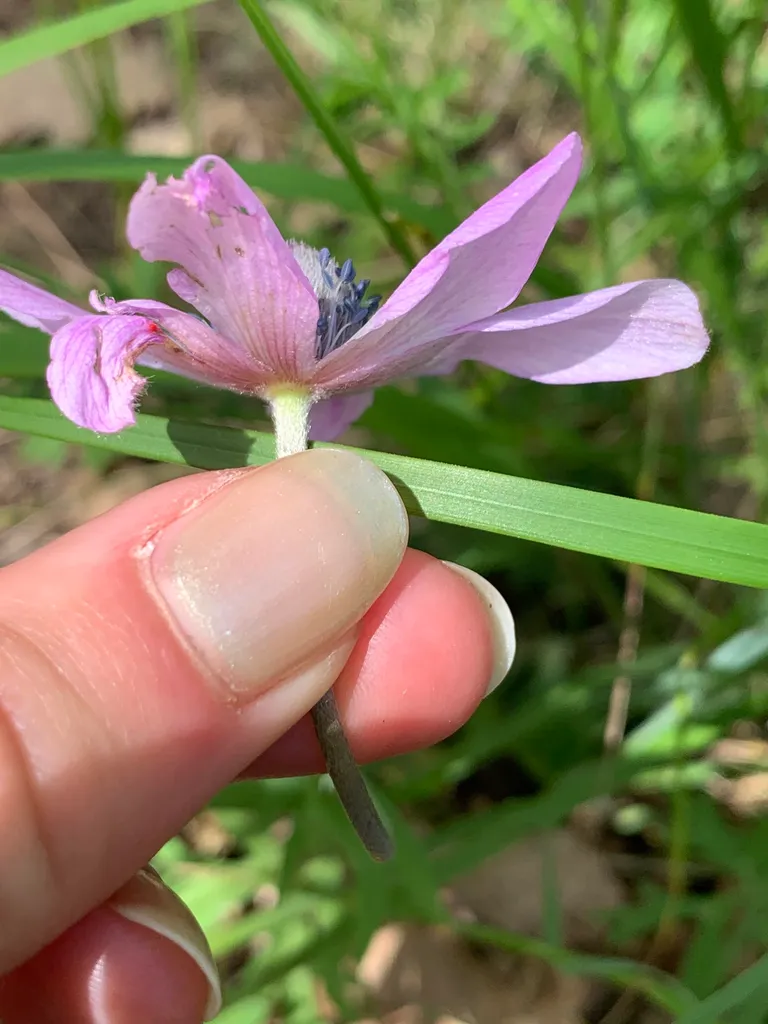
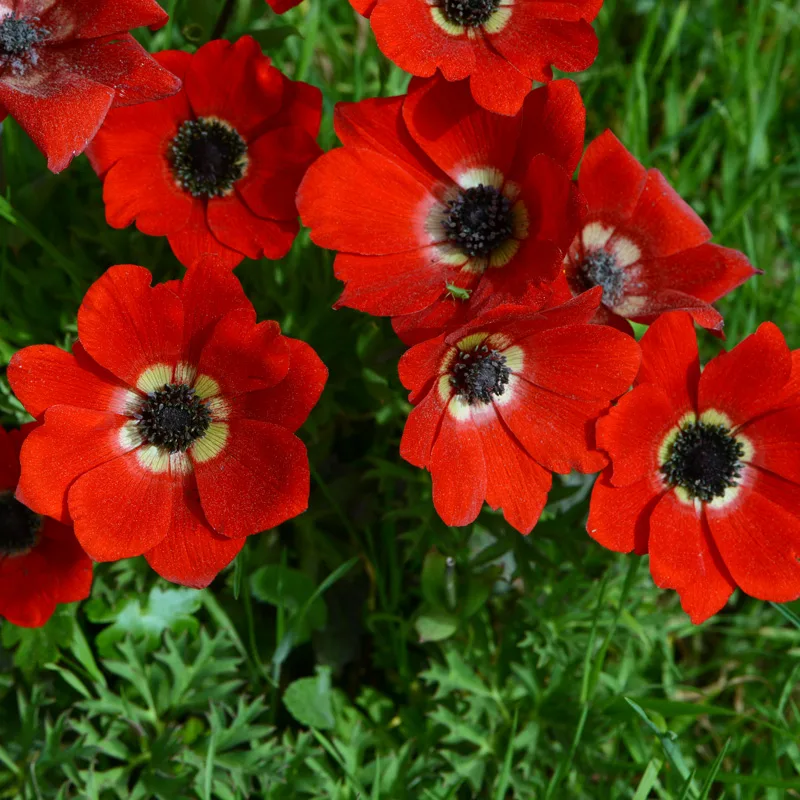
Distribution of peacock windflower
Distribution map
- Native
- Introduced
- Cultivated
Source:WCVP v16 · Royal Botanic Gardens, Kew · CC BY 3.0 · Boundaries:WGSRPD / TDWG
Toxicity
Ingestion may cause mild stomach upset, contact may irritate skin. Wear gloves and other protective equipment when handling]
peacock windflower care guide
- Water moderately while growing, keep drier during summer dormancy; ensure sharp drainage.
- Watering
- Full sun
- Sunlight

Watering
Water moderately while growing, keep drier during summer dormancy; ensure sharp drainage.
Fertilizing
 Fertilizing
Apply a balanced liquid fertilizer once a month during autumn and spring growth.
Pruning
 Pruning
None required
Propagation
 Propagation
Propagate by seed or separate tubers in summer when dormant
Growing
 Growing
Grow in a well drained soil in full sun; keep dry during dormancy
Common pests and diseases
Diseases
May be affected by powdery mildews
Pests
Susceptible to leaf and bud eelworms and damage from slugs
Explore the plant health library →




