
broad-leaved balsam
Also known as: caballera de palo; coamatl; South American candlewood
A tender evergreen tree, sometimes partly epiphytic in its native tropical cloud forests, often around 5-7m high in cultivation. It has a dense bushy habit and glossy, oval to rounded leaves up to 30cm long, often with wavy margins. Flowering panicles are up to 30cm long, and made up of tiny rounded clusters of greenish-white flowers, sometimes followed by round green berries that ripen to near black
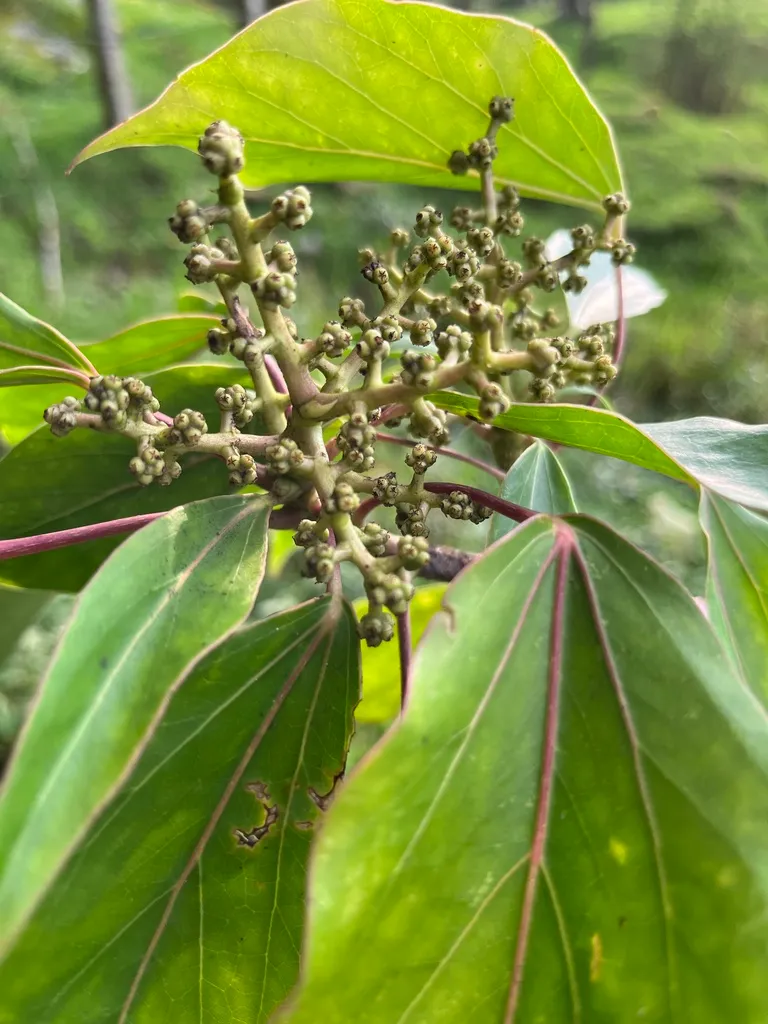
Scientific classification
- Species
- broad-leaved balsam (Oreopanax capitatus)
- Genus
- Oreopanax
- Family
- Araliaceae
- Order
- Apiales
- Class
- Magnoliopsida
- Phylum
- Magnoliophyta
- Information to be completed
- Toxicity
- Trees
- Plant type
- 4-8 metres
- Height
- 4-8 metres
- Spread
- Evergreen
- Foliage
- Bushy
- Habit
- Spring · Summer · Autumn · Winter
- Season of interest
- Partial shade
- Sunlight
- Information to be completed
- Ideal temperature









broad-leaved balsam pictures
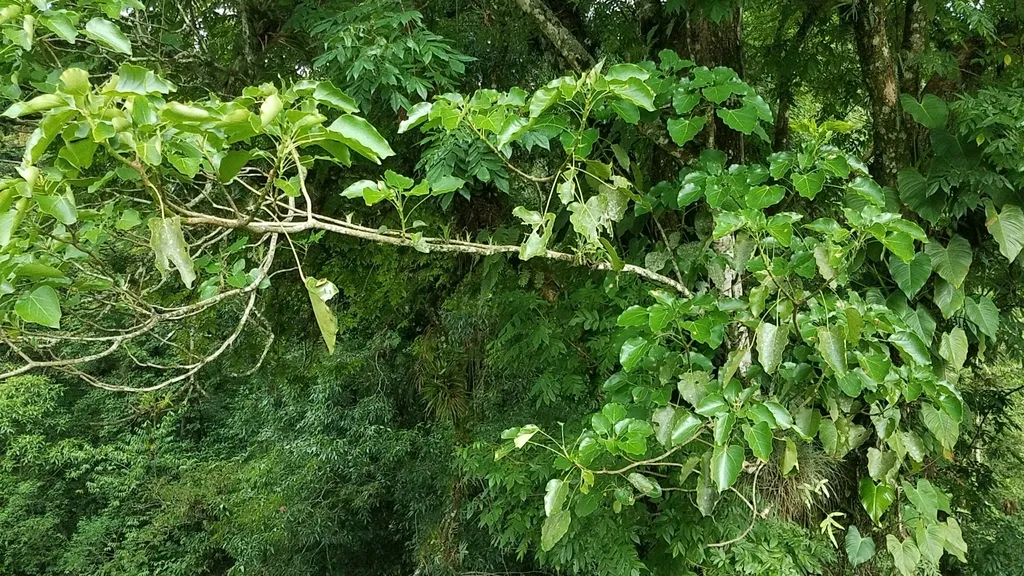
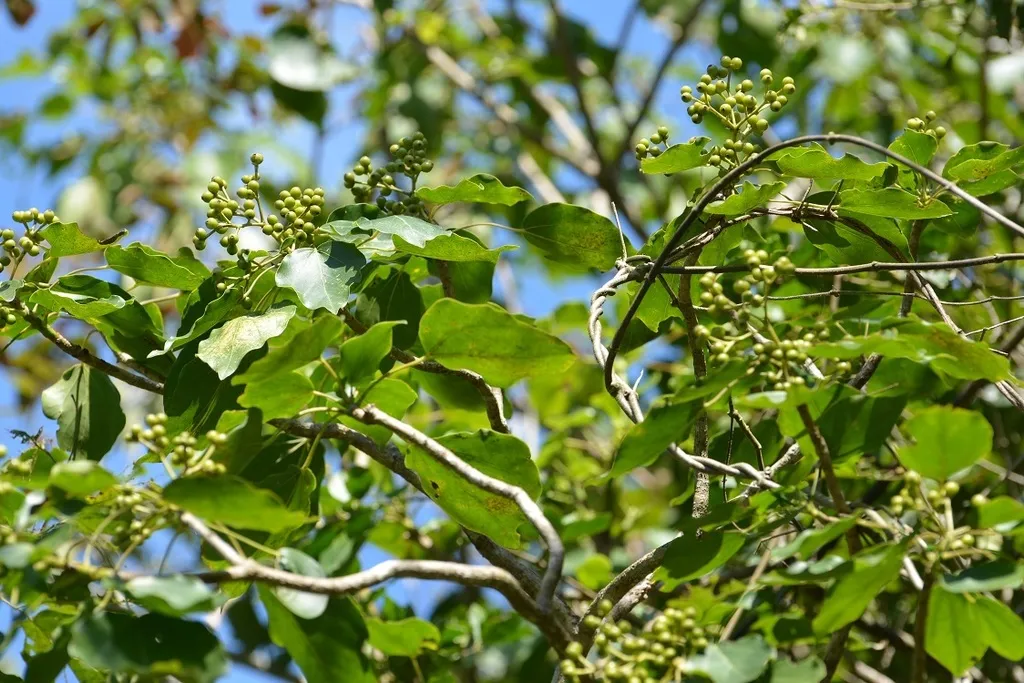
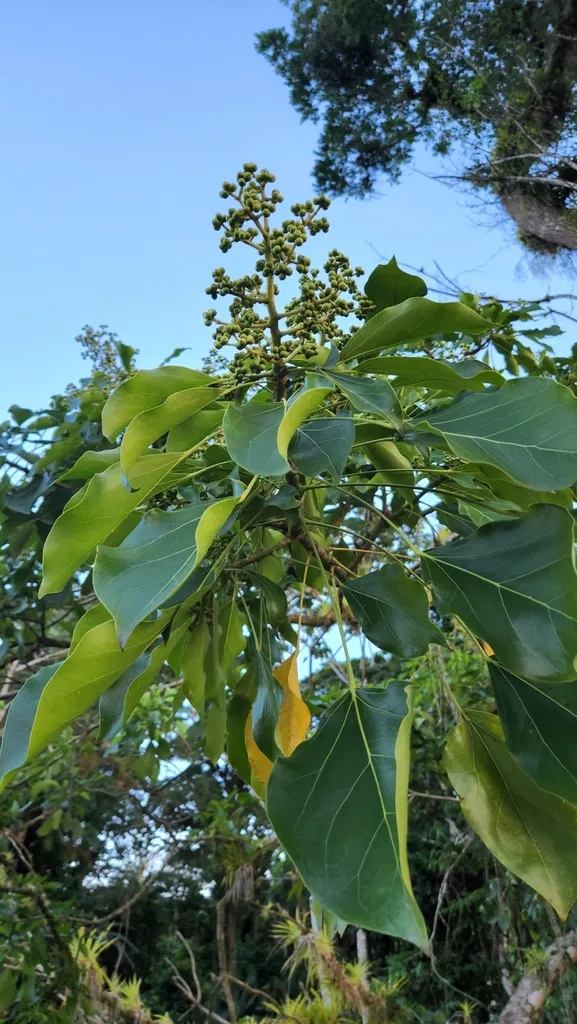
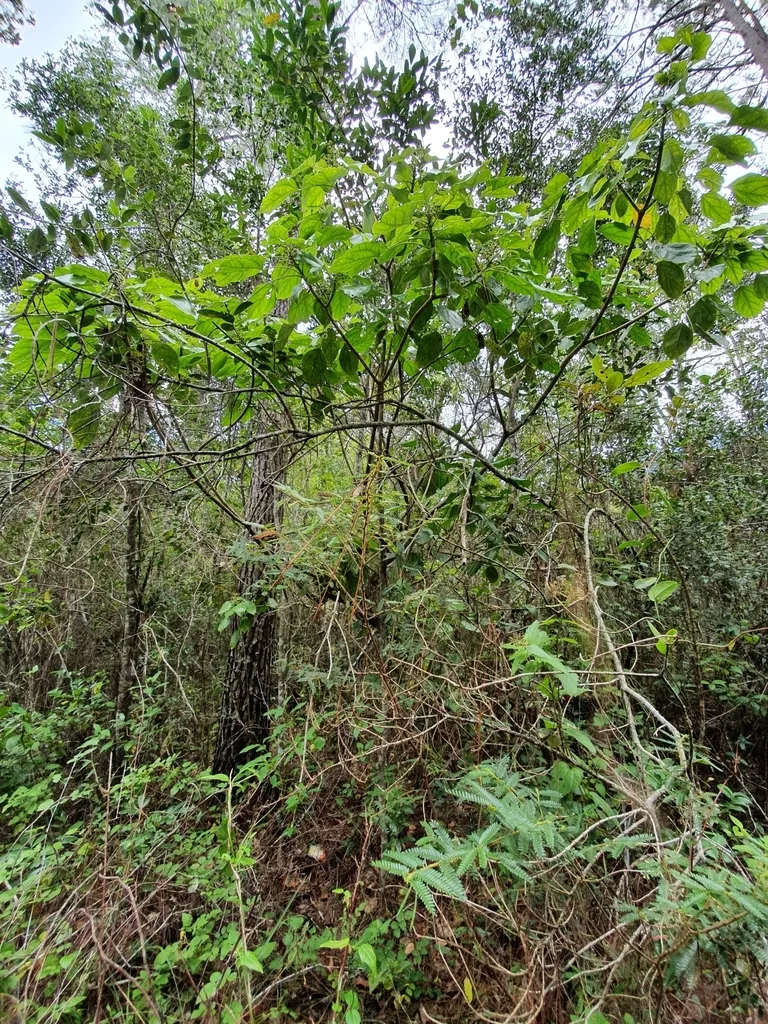
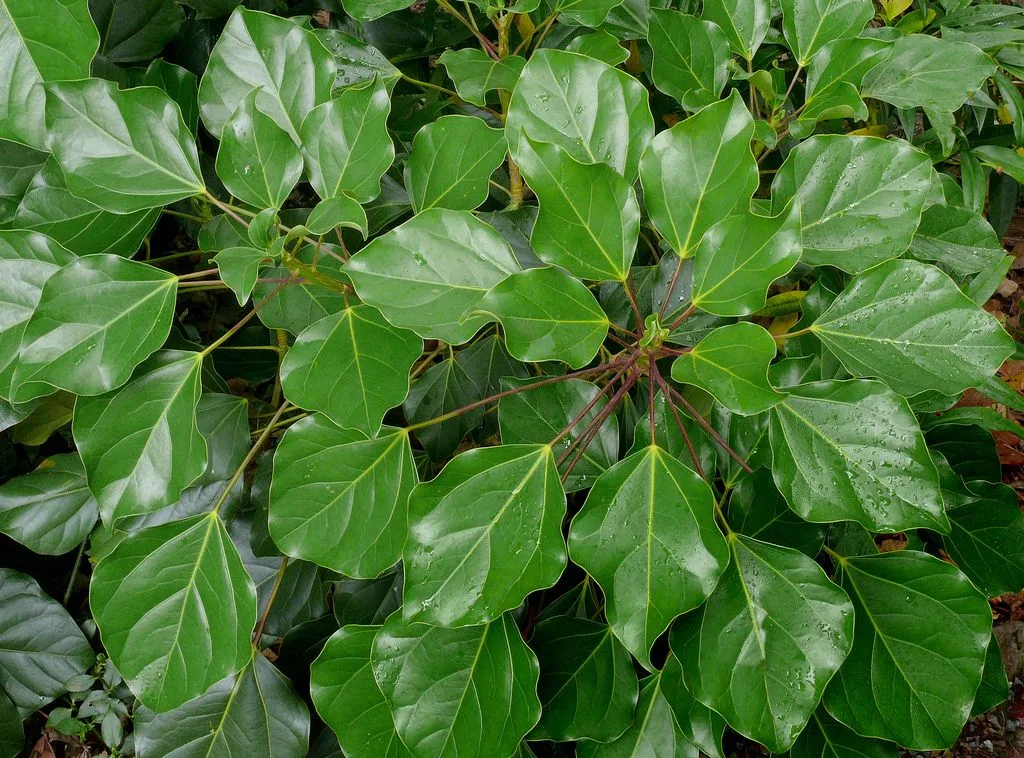
Distribution of broad-leaved balsam
Distribution map
- Native
- Introduced
- Cultivated
Source:WCVP v16 · Royal Botanic Gardens, Kew · CC BY 3.0 · Boundaries:WGSRPD / TDWG
broad-leaved balsam care guide
- Moderate regular watering, allowing brief slight drying between soakings
- Watering
- Partial shade
- Sunlight

Watering
Moderate regular watering, allowing brief slight drying between soakings
Fertilizing
 Fertilizing
Balanced perennial feed every four weeks from spring through summer
Pruning
 Pruning
No pruning required
Propagation
 Propagation
Propagate by seed or by semi-ripe cuttings
Growing
 Growing
May be grown outdoors in a sheltered, frost-free area; otherwise grow under glass in a free-draining, loam-based compost, with protection from midday sun that can bleach the leaves. Often grown for ornamental foliage as it lasts well when cut
Common pests and diseases
Diseases
May be susceptible to fungal leaf spots
Pests
Generally pest-free
Explore the plant health library →




