
Ethiopian acanthus
Also known as: Information to be completed
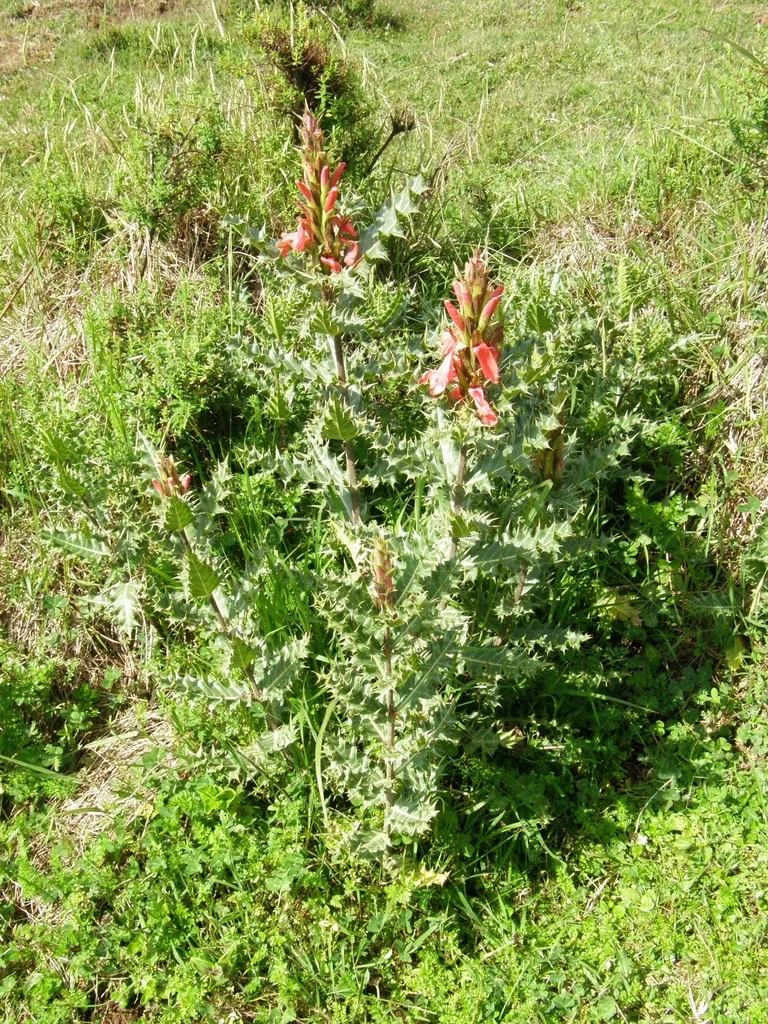
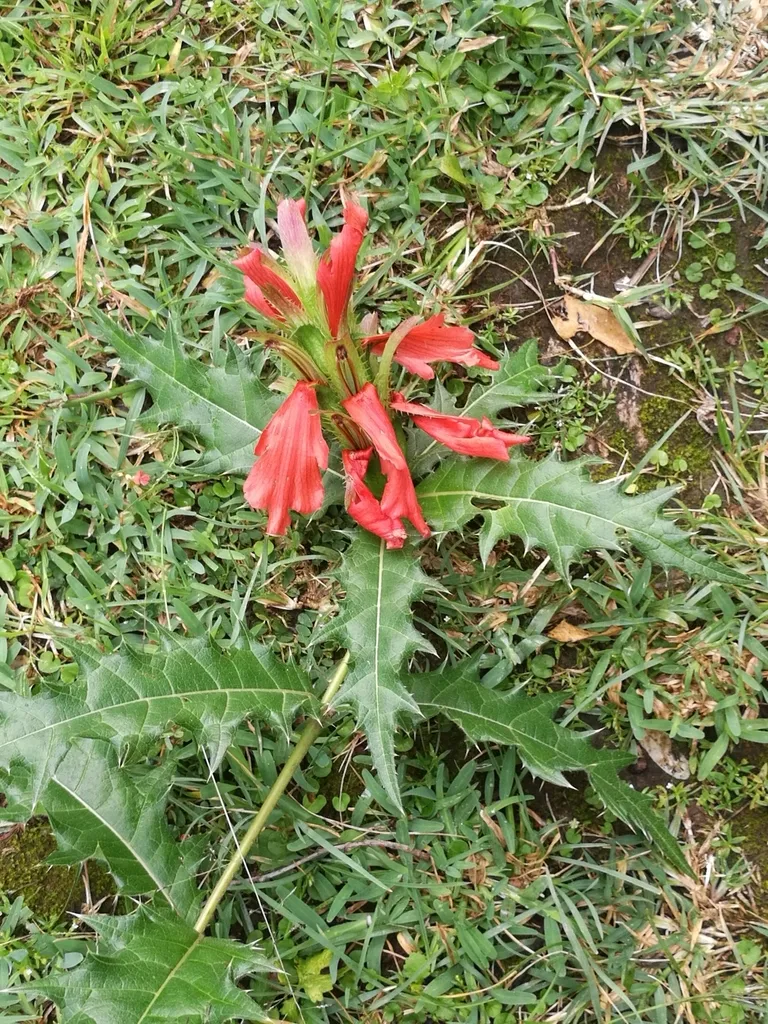
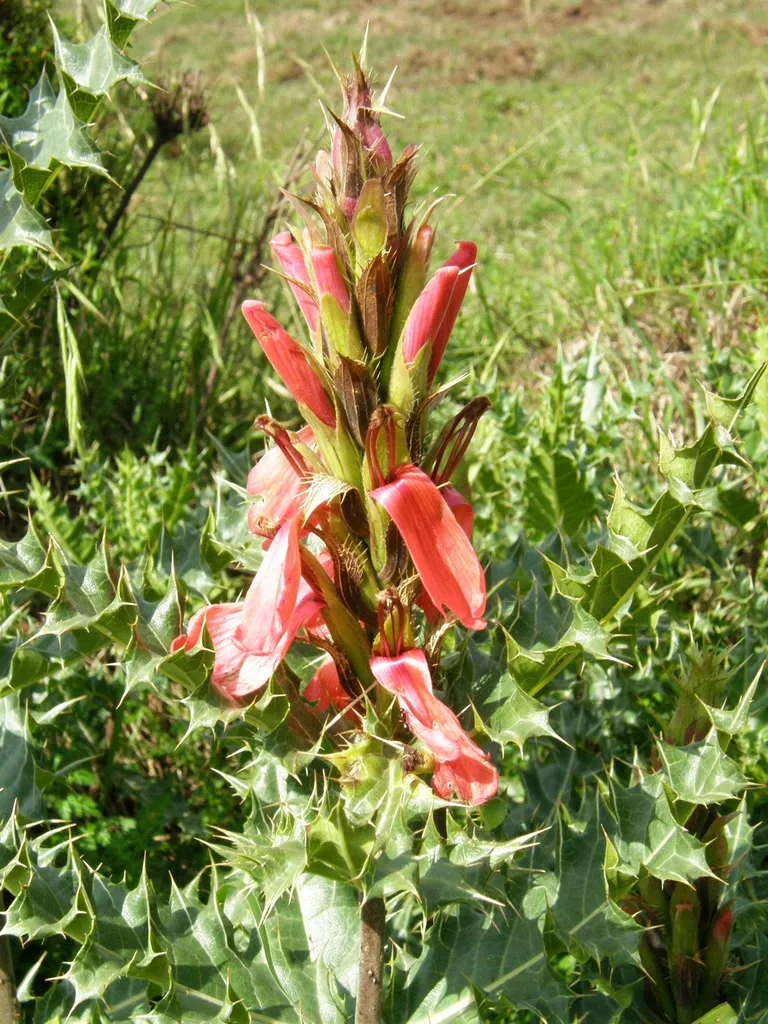
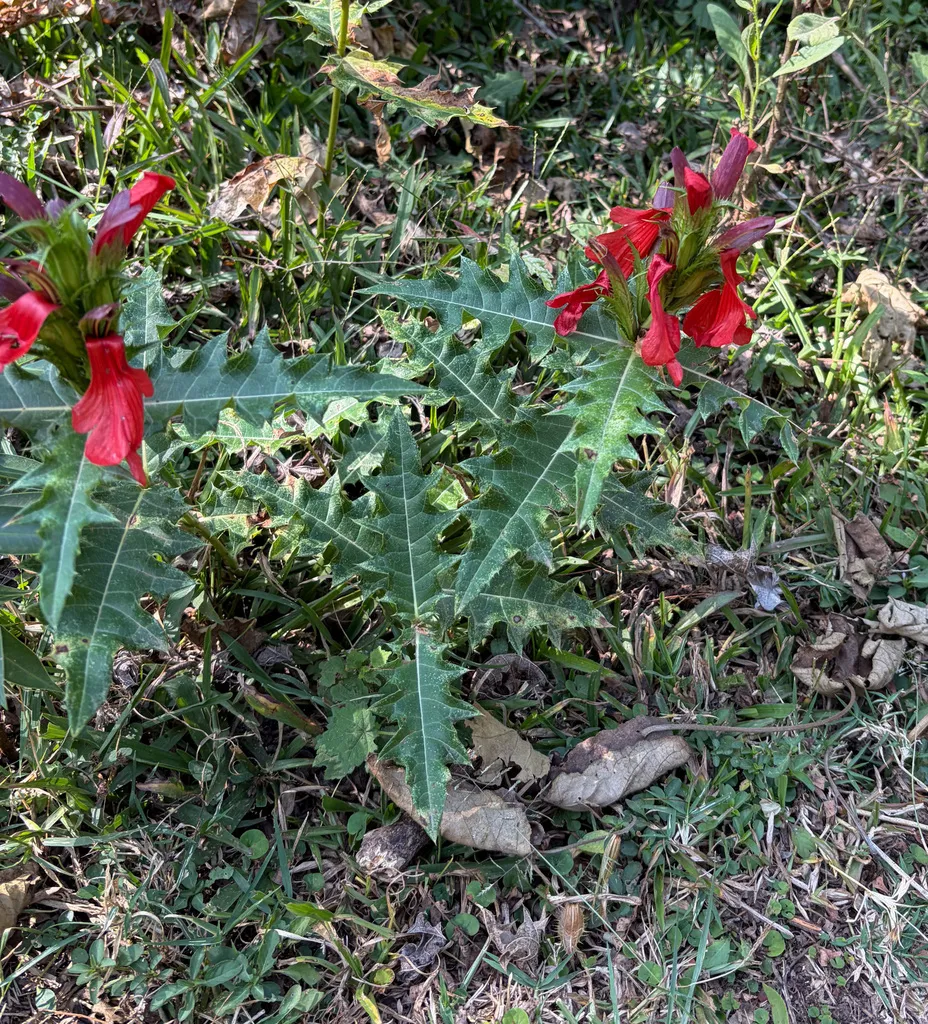
An upright perennial or sub-shrub with oblong to oval, very spiny, mid-green leaves. Red, large-lippedflowers are produced in short,terminal spikes in mid-summer to early autumn
Scientific classification
- Species
- Ethiopian acanthus (Acanthus sennii)
- Genus
- Acanthus
- Family
- Acanthaceae
- Order
- Lamiales
- Class
- Magnoliopsida
- Phylum
- Magnoliophyta
- Information to be completed
- Toxicity
- Herbaceous Perennial
- Plant type
- 1-1.5 metres
- Height
- 1-1.5 metres
- Spread
- Deciduous
- Foliage
- Columnar upright
- Habit
- Spring · Summer · Autumn
- Season of interest
- Full sun · Partial shade
- Sunlight
- Information to be completed
- Ideal temperature









Ethiopian acanthus pictures
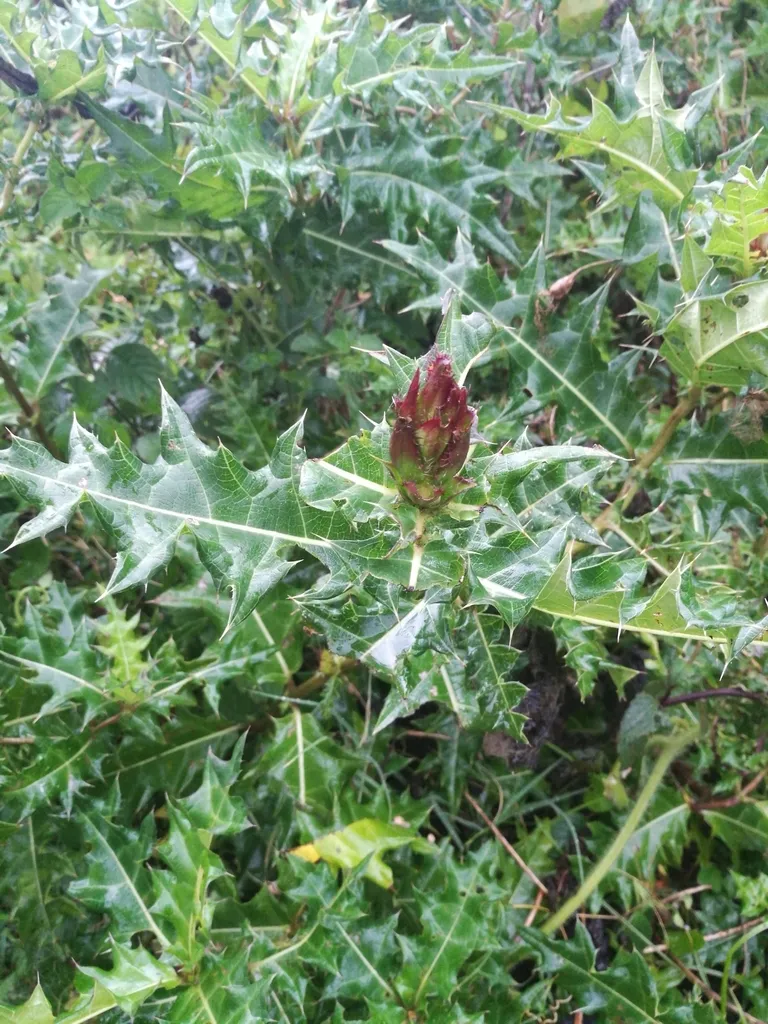
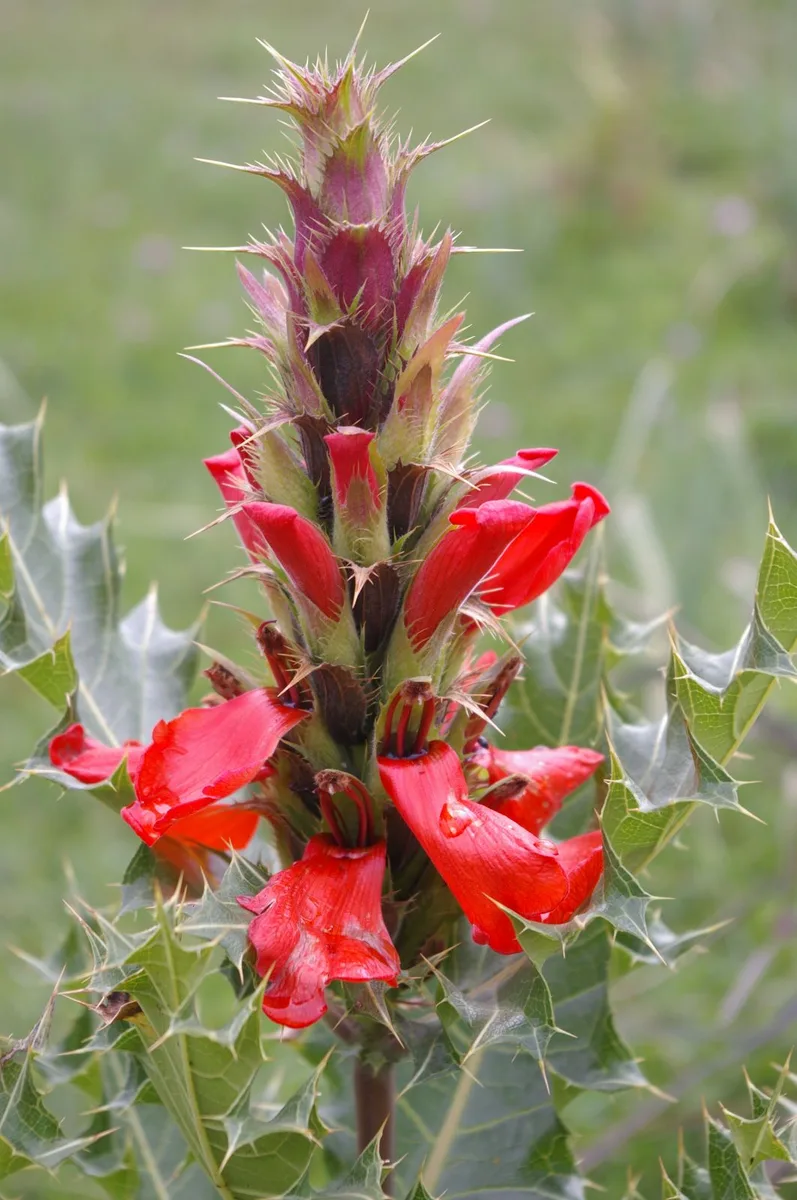
Distribution of Ethiopian acanthus
Distribution map
- Native
- Introduced
- Cultivated
Source:WCVP v16 · Royal Botanic Gardens, Kew · CC BY 3.0 · Boundaries:WGSRPD / TDWG
Ethiopian acanthus care guide
- Moderate regular watering, allowing brief slight drying between soakings
- Watering
- Full sun · Partial shade
- Sunlight

Watering
Moderate regular watering, allowing brief slight drying between soakings
Fertilizing
 Fertilizing
Balanced perennial feed every four weeks from spring through summer
Pruning
 Pruning
Cut down old flower stems
Propagation
 Propagation
Propagate by division or by root cuttings
Growing
 Growing
The ideal soil is a deep, fertile, well-drained loam but it will grow in most soils and has good drought tolerance. Has the potential to become a nuisance if not managed well
Common pests and diseases
Diseases
Powdery mildews may be a problem
Pests
Generally pest-free
Explore the plant health library →




