
giant butterbur
Also known as: Information to be completed
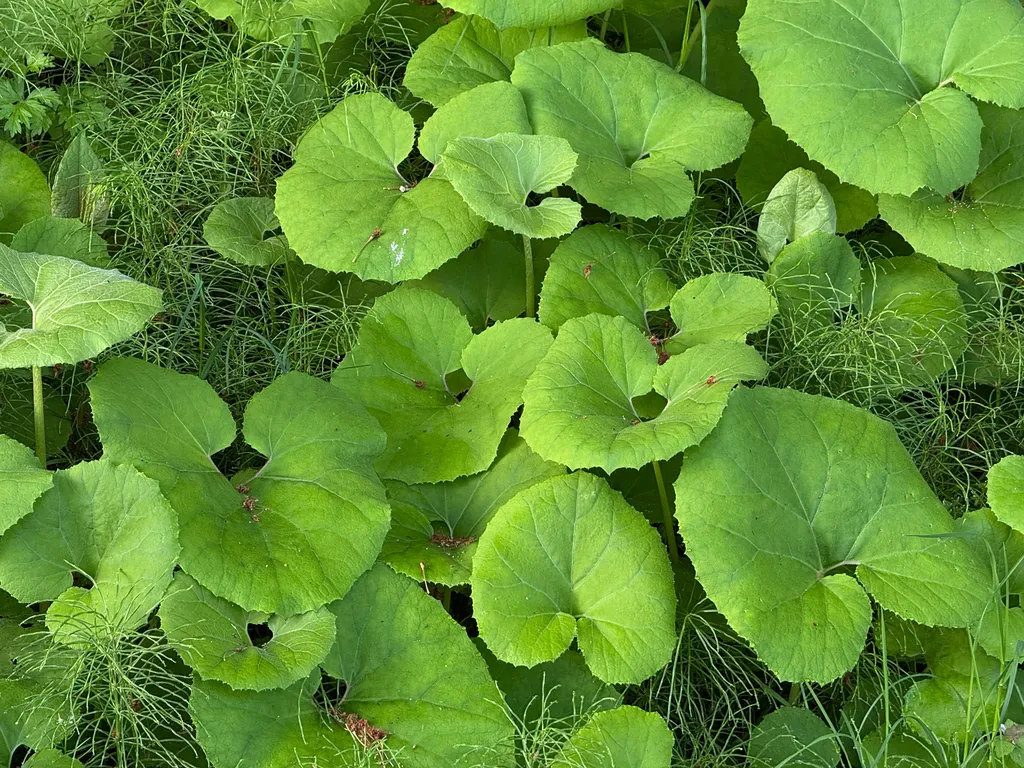
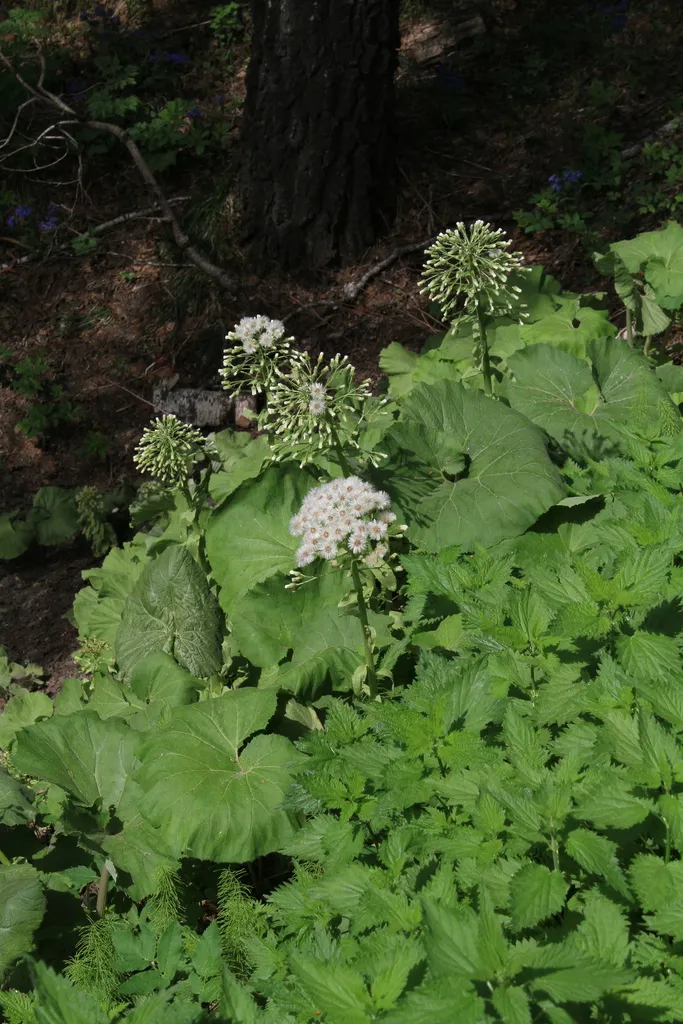
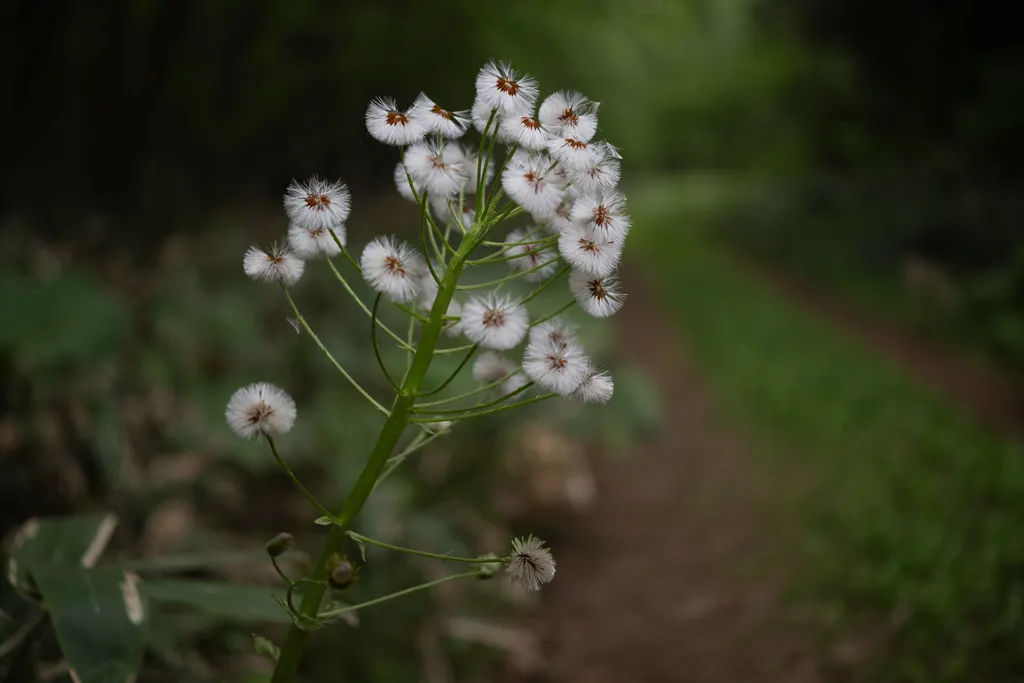
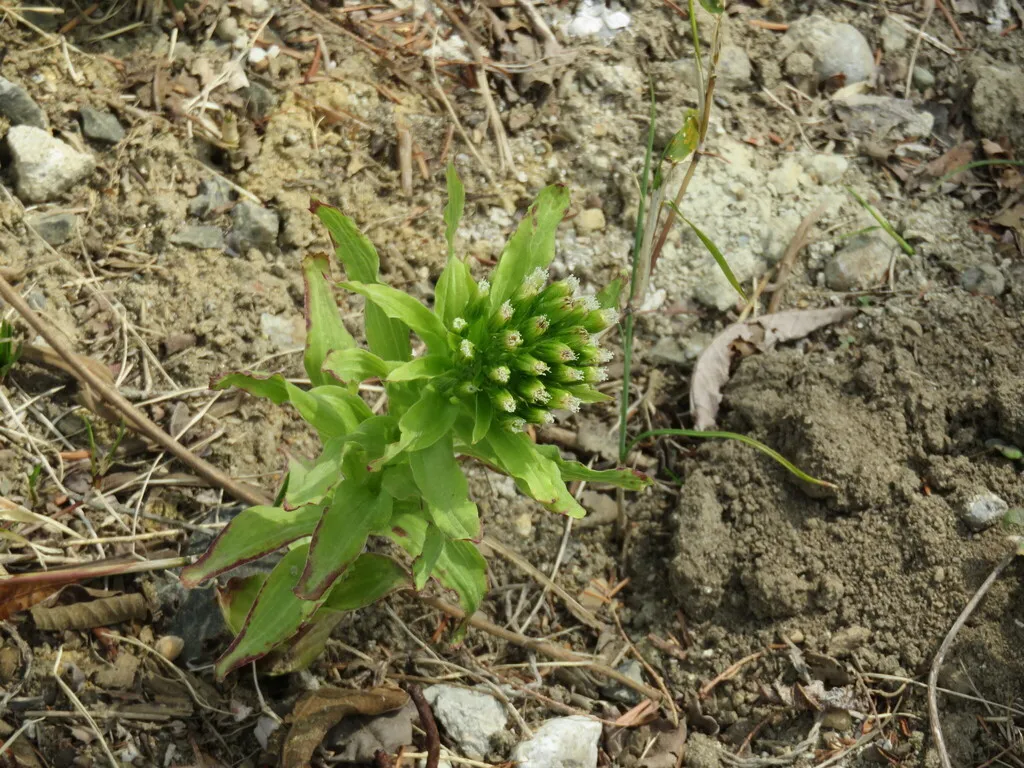
P. japonicus is a substantial plant, producing huge suborbicular leaves to 90cm across, reaching 150cm in height, in summer. Flowers are cream to white, borne in February on stout erect stems to 30cm. The plant normally available is nearly always the male plant
Scientific classification
- Species
- giant butterbur (Petasites japonicus)
- Genus
- Petasites
- Family
- Asteraceae
- Order
- Asterales
- Class
- Magnoliopsida
- Phylum
- Magnoliophyta
- Information to be completed
- Toxicity
- Herbaceous Perennial
- Plant type
- 1-1.5 metres
- Height
- 4-8 metres
- Spread
- Deciduous
- Foliage
- Bushy
- Habit
- Summer · Spring
- Season of interest
- Full shade · Partial shade
- Sunlight
- Information to be completed
- Ideal temperature









giant butterbur pictures
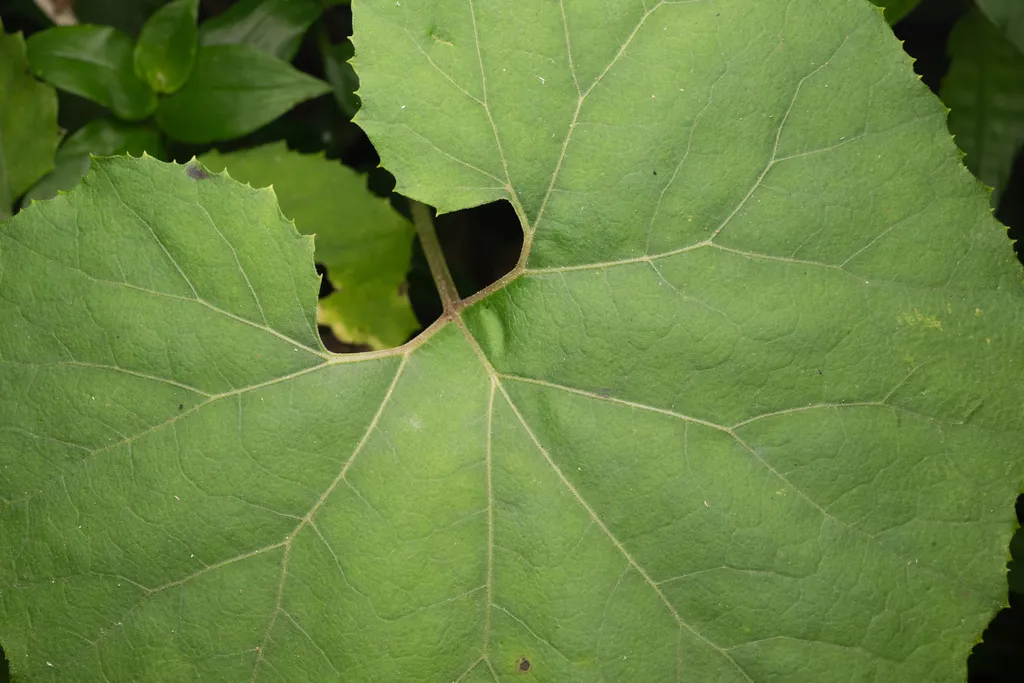
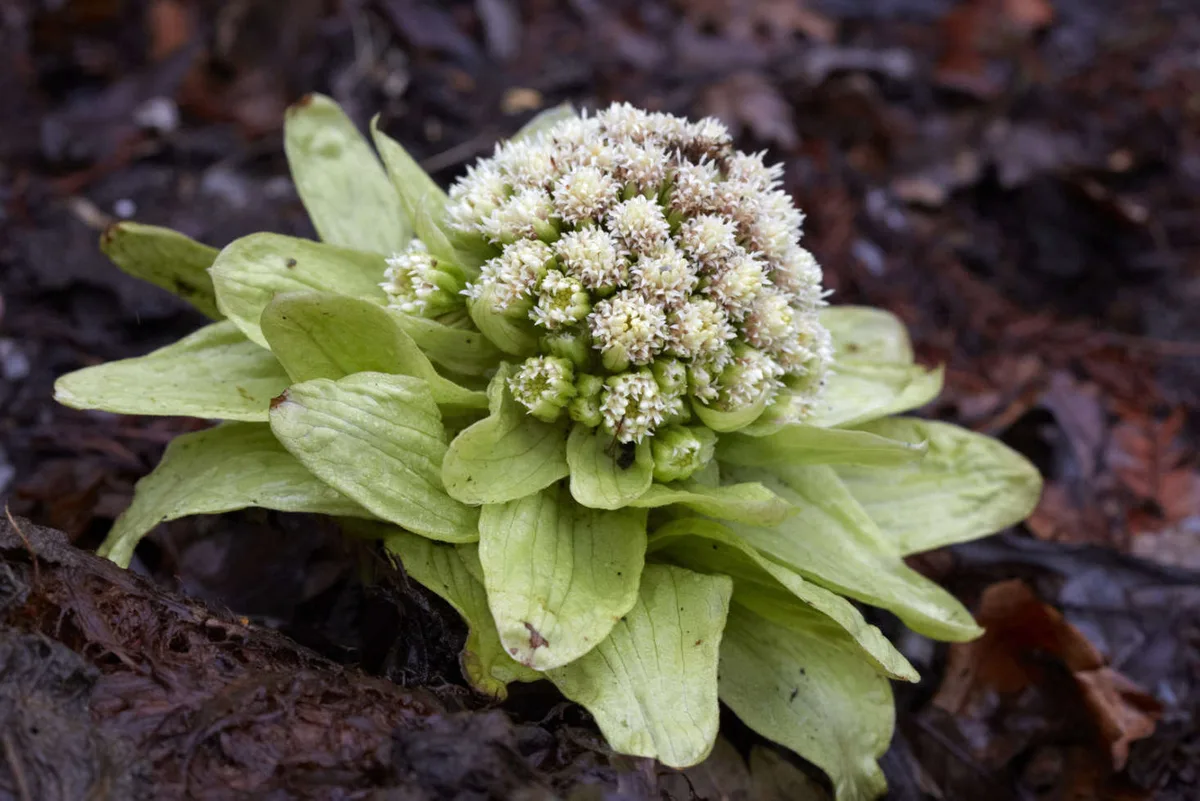
Distribution of giant butterbur
Distribution map
- Native
- Introduced
- Cultivated
Source:WCVP v16 · Royal Botanic Gardens, Kew · CC BY 3.0 · Boundaries:WGSRPD / TDWG
giant butterbur care guide
- Constantly wet soil or shallow water submersion all growing seasons
- Watering
- Full shade · Partial shade
- Sunlight

Watering
Constantly wet soil or shallow water submersion all growing seasons
Fertilizing
 Fertilizing
Light monthly aquatic plant feed during warm active growth months
Pruning
 Pruning
Remove the old foliage before the onset of new growth in late winter
Propagation
 Propagation
Divide in spring
Growing
 Growing
Grow in deep humus-rich, fertile soil that is permanently moist but not stagnant, in partial or full shade. It may become invasive
Common pests and diseases
Diseases
Generally trouble free
Pests
Generally trouble free
Explore the plant health library →




