
tunic flower
Also known as: coat flower
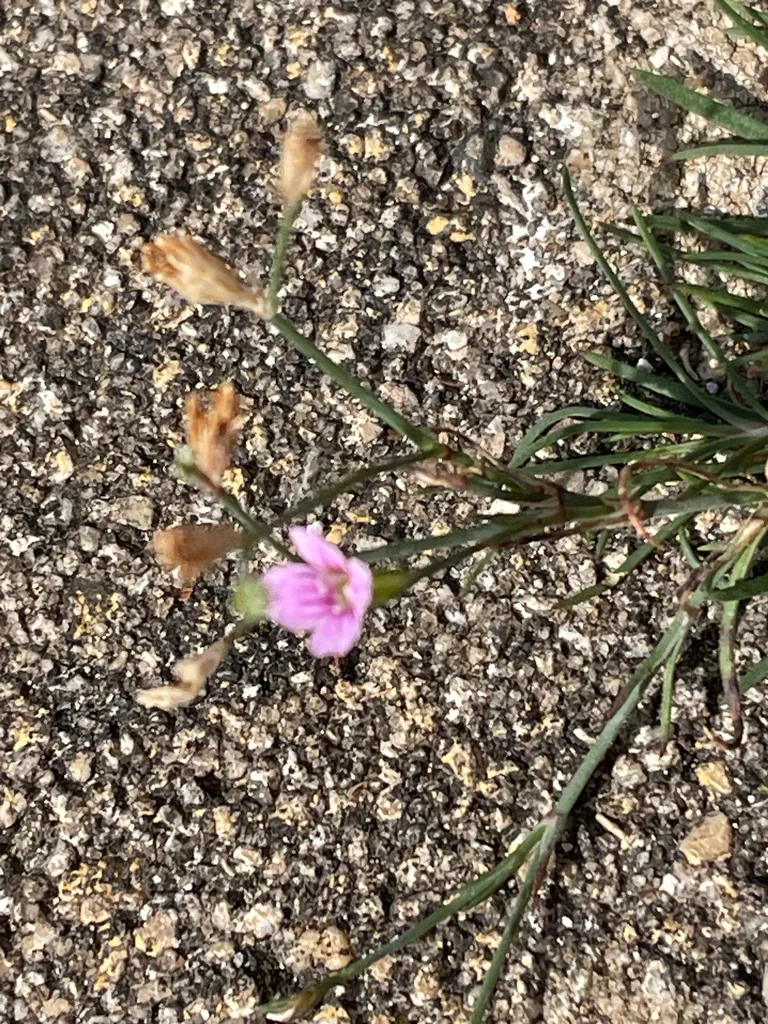
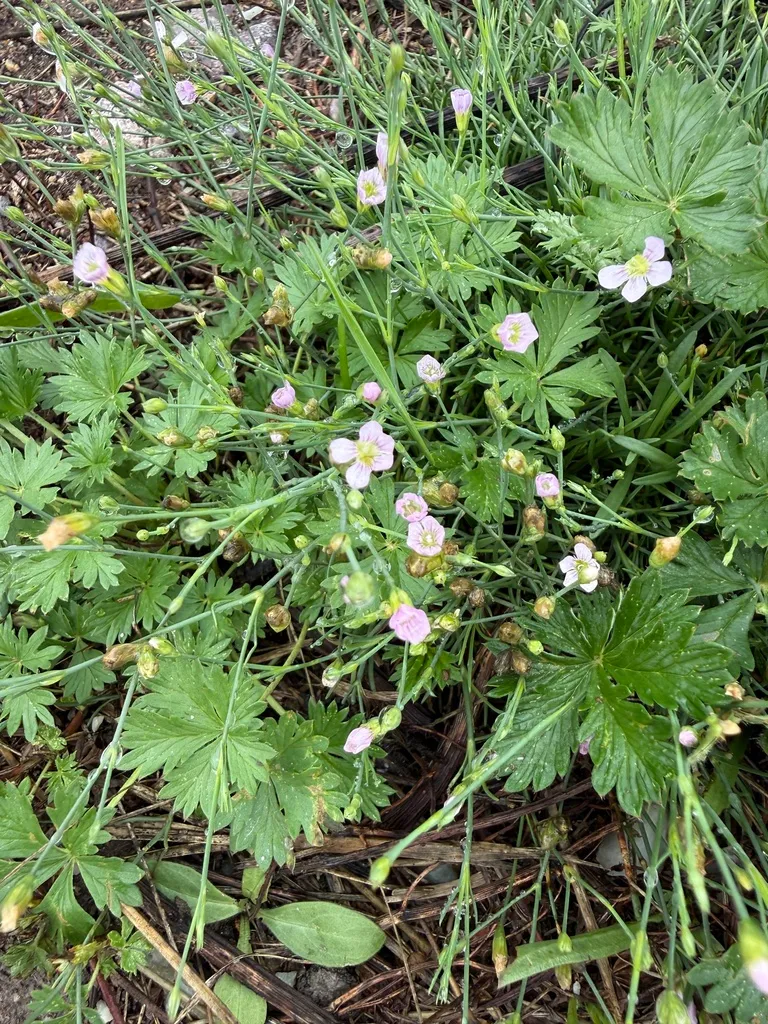
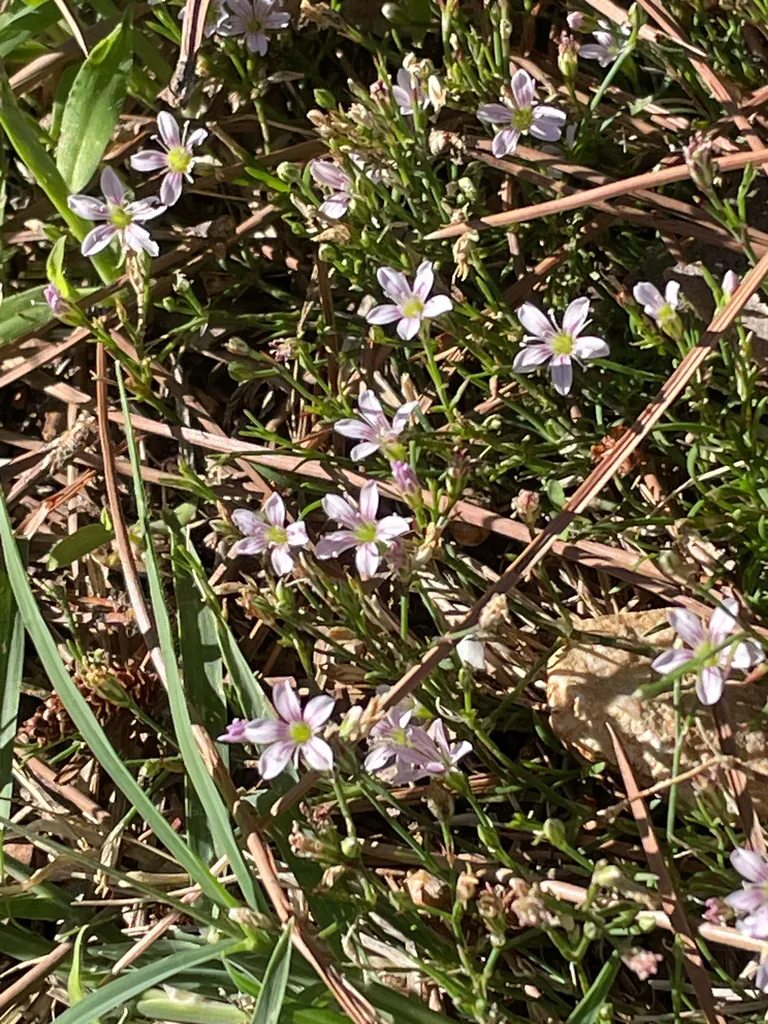
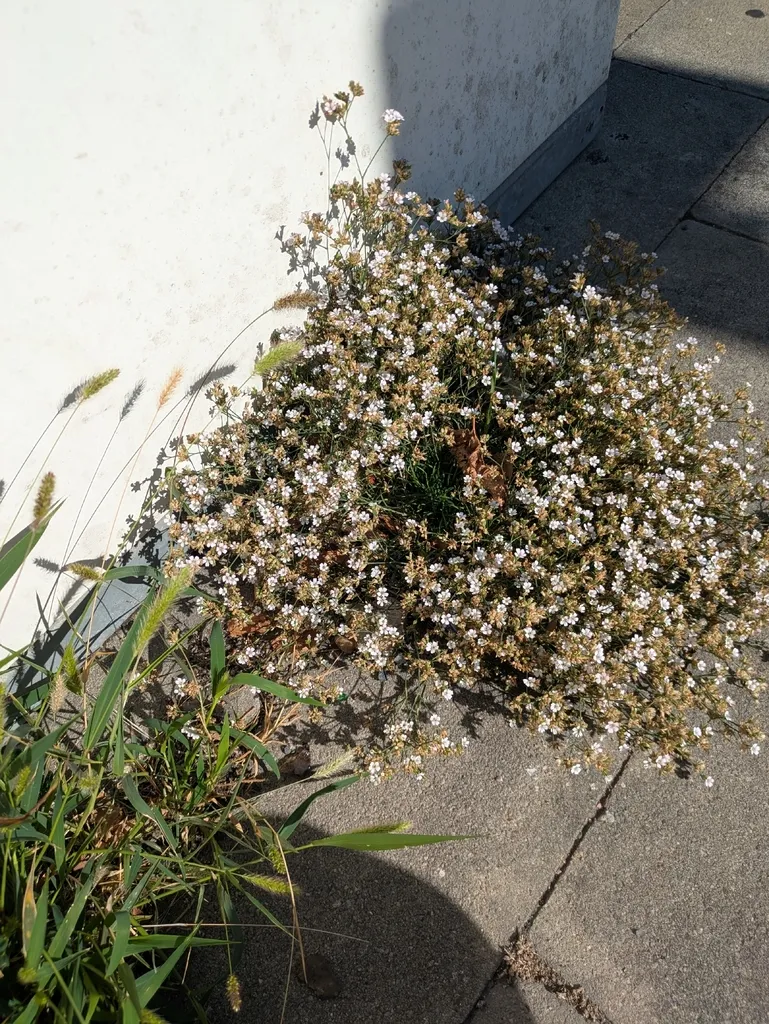
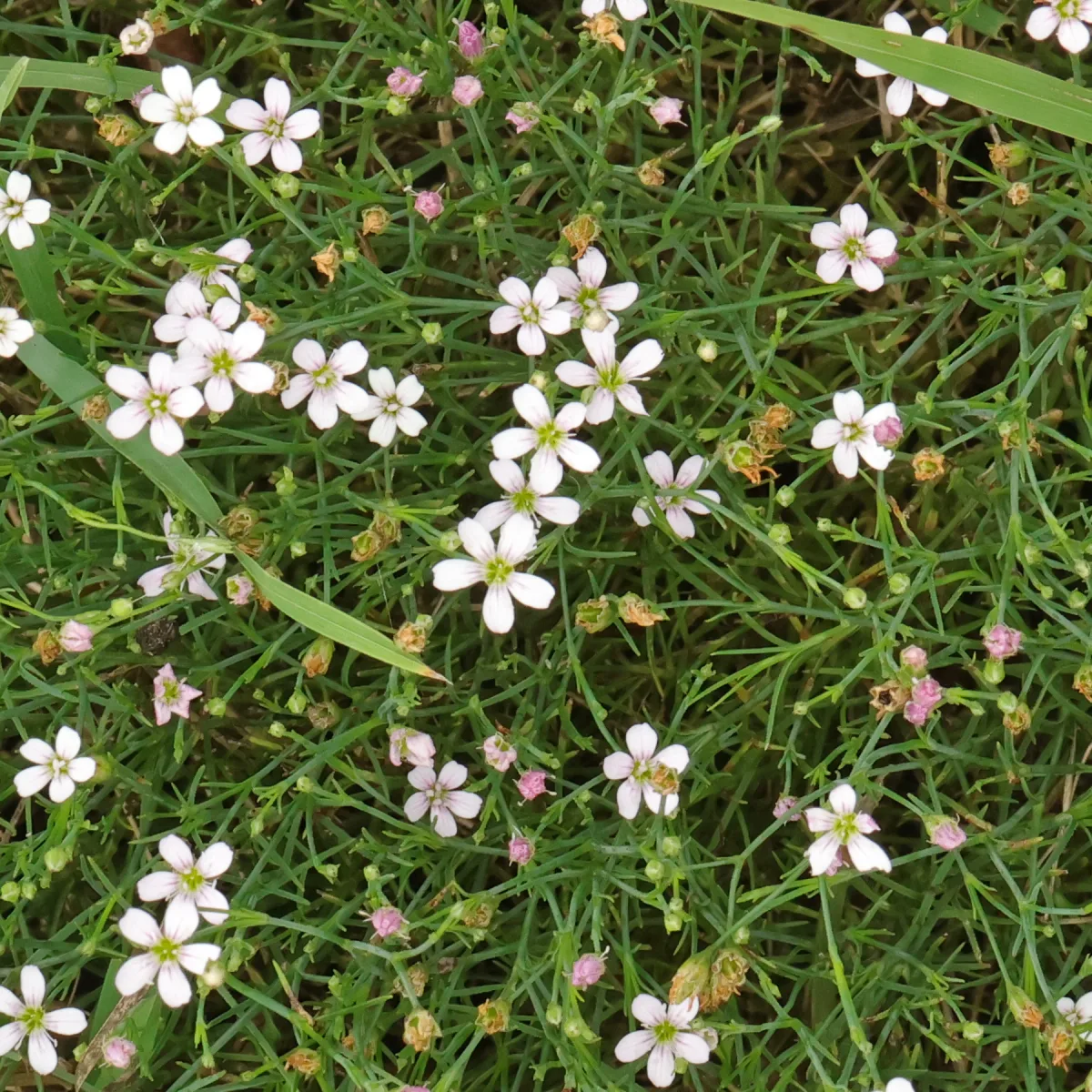
A low-growing, mat-forming, spreading hardy perennial alpine with small, thin green leaves which remain evergreen in milder areas. Small white or pale pink flowers appear in late spring to early summer, lasting through until late . A great alpine for cascading over walls and steps, edging paths or green roofs
Scientific classification
- Species
- tunic flower (Petrorhagia saxifraga)
- Genus
- Petrorhagia
- Family
- Caryophyllaceae
- Order
- Caryophyllales
- Class
- Magnoliopsida
- Phylum
- Magnoliophyta
- Information to be completed
- Toxicity
- Herbaceous Perennial · Alpine Rockery
- Plant type
- Up to 10 cm
- Height
- 0.1-0.5 metres
- Spread
- Evergreen
- Foliage
- Matforming
- Habit
- Spring · Summer · Autumn · Winter
- Season of interest
- Full sun
- Sunlight
- Information to be completed
- Ideal temperature









tunic flower pictures

Distribution of tunic flower
Distribution map
- Native
- Introduced
- Cultivated
Source:WCVP v16 · Royal Botanic Gardens, Kew · CC BY 3.0 · Boundaries:WGSRPD / TDWG
tunic flower care guide
- Moderate regular watering, allowing brief slight drying between soakings
- Watering
- Full sun
- Sunlight

Watering
Moderate regular watering, allowing brief slight drying between soakings
Fertilizing
 Fertilizing
Balanced perennial feed every four weeks from spring through summer
Pruning
 Pruning
Cut back after flowering to encourage a second flush of flowers
Propagation
 Propagation
Sow from seed in spring or autumn in pots with free-draining seed compost. Harden off in a coldframe or greenhouse and plant out when risk of frost has passed.
Growing
 Growing
Grows best in poor to moderately fertile well-drained soil in full sun. Drought resistant once established
Common pests and diseases
Diseases
Generally disease-free
Pests
May be susceptible to slugs and snails
Explore the plant health library →




