
bellflower 'Swannables'
Also known as: Information to be completed
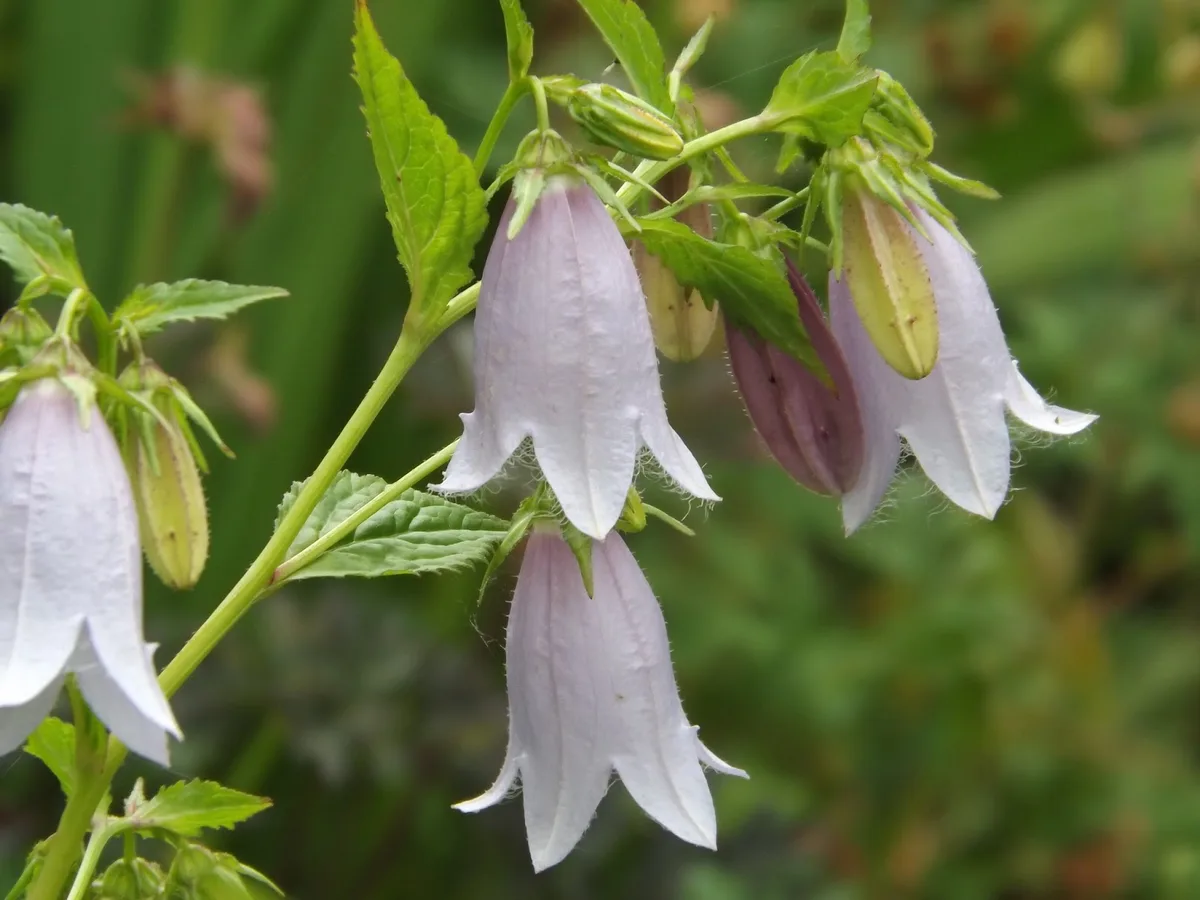
Swannables' is a clump-forming and spreading perennial with erect, leafy stems to 40cm tall and pale pink to lilac-blue, bell-shaped summer flowers
Scientific classification
- Species
- bellflower 'Swannables' (Campanula 'Swannables')
- Genus
- Campanula
- Family
- Campanulaceae
- Information to be completed
- Toxicity
- Herbaceous Perennial
- Plant type
- 0.1-0.5 metres
- Height
- 0.5-1 metres
- Spread
- Deciduous
- Foliage
- Bushy
- Habit
- Spring · Summer · Autumn
- Season of interest
- Full sun · Partial shade
- Sunlight
- Information to be completed
- Ideal temperature









bellflower 'Swannables' pictures
Distribution of bellflower 'Swannables'
Distribution map
Information to be completed
Information to be completed
Culture
Information to be completed
Toxicity
Information to be completed
Quick identification of bellflower 'Swannables'
Information to be completed
bellflower 'Swannables' care guide
- Keep soil evenly moist with free drainage
- Watering
- Full sun · Partial shade
- Sunlight
- Information to be completed
- Ideal temperature

Watering
Keep soil evenly moist with free drainage
Fertilizing
 Fertilizing
Light balanced feed during active growth season
Pruning
 Pruning
None required
Propagation
 Propagation
Propagate by division or basal cuttings
Growing
 Growing
Grow in a moist but well-drained soil in full sun or partial shade
People also ask
Information to be completed
Common pests and diseases
Diseases
May be infected by a rust, powdery mildews and a leaf spot
Pests
May be damaged by slugs and snails
Explore the plant health library →




