
little-leaf mock orange
Also known as: desert syringa
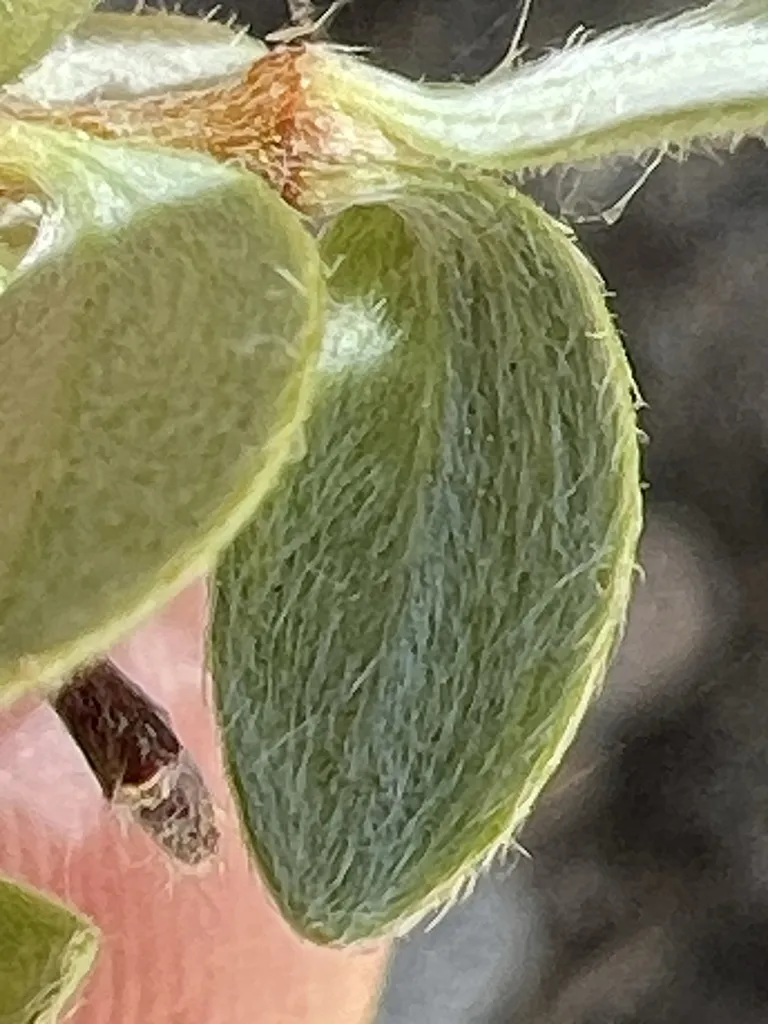
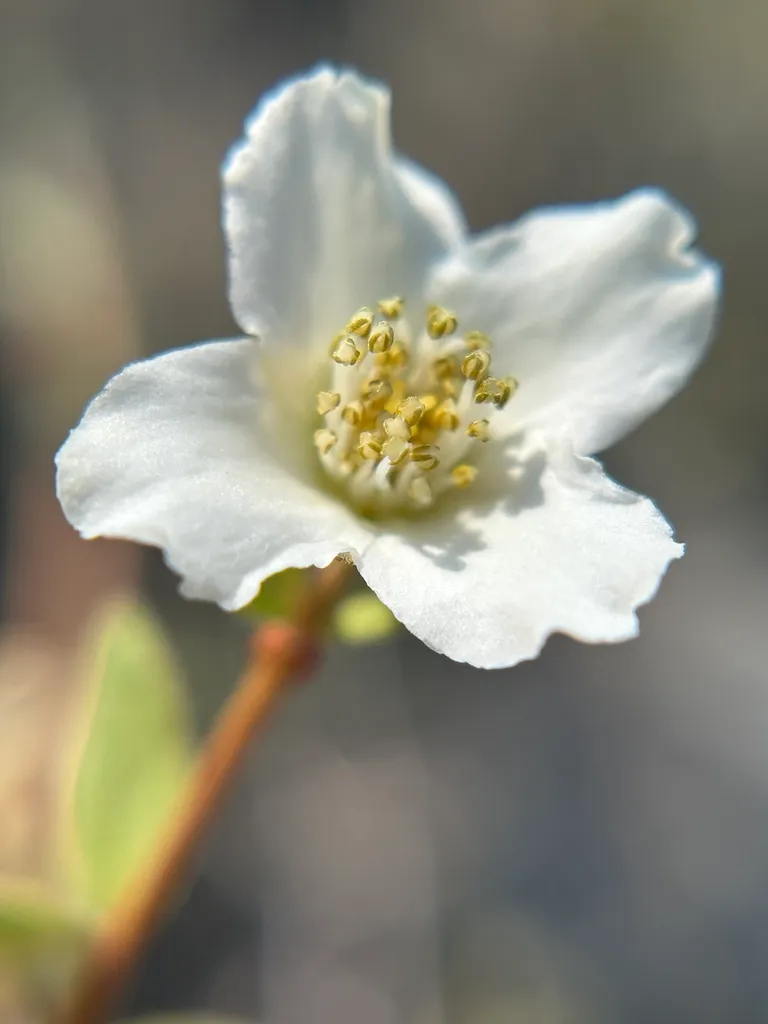
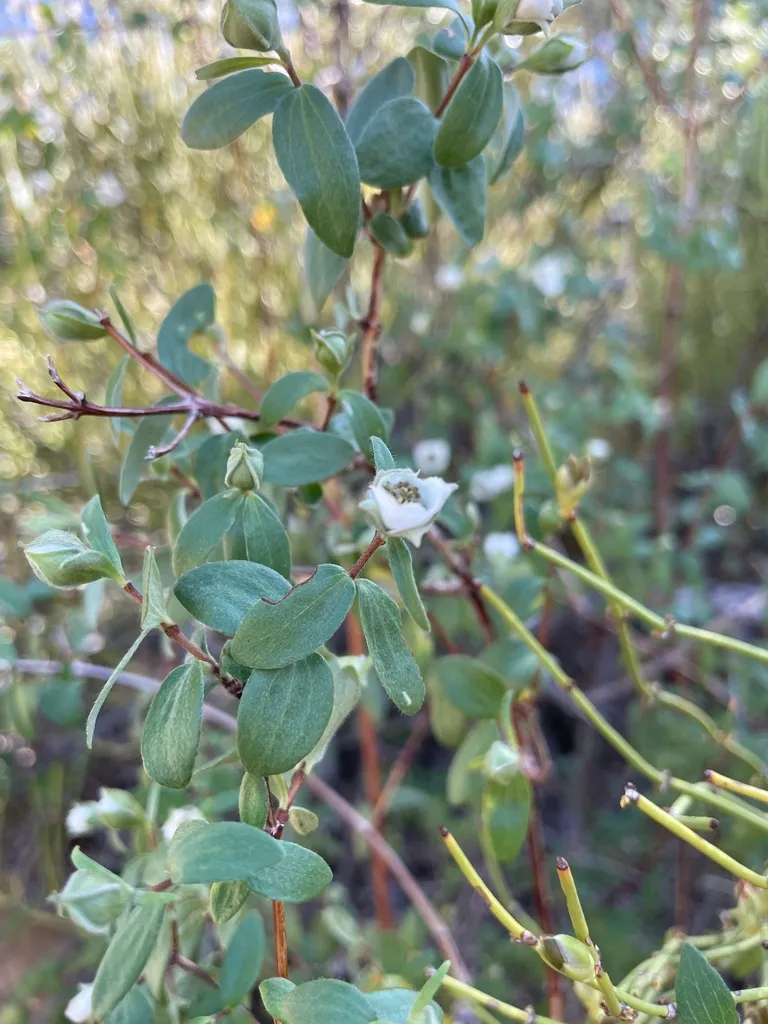
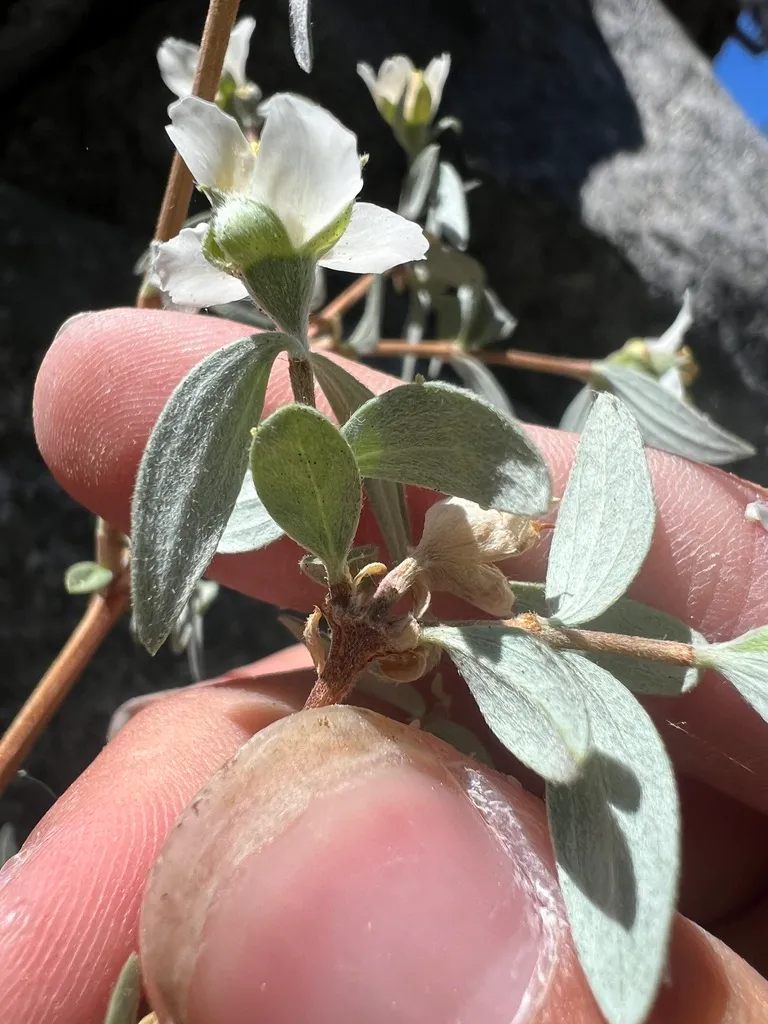
A compact, upright, deciduous shrub with flaking, dark brown bark, small elliptical, mid- to dark green leaves and strongly fragrant white flowers in late spring or early summer.
Scientific classification
- Species
- little-leaf mock orange (Philadelphus microphyllus)
- Genus
- Philadelphus
- Family
- Hydrangeaceae
- Information to be completed
- Toxicity
- Shrubs
- Plant type
- 1-1.5 metres
- Height
- 1-1.5 metres
- Spread
- Deciduous
- Foliage
- Bushy
- Habit
- Autumn · Spring · Summer
- Season of interest
- Full sun
- Sunlight
- Information to be completed
- Ideal temperature









little-leaf mock orange pictures
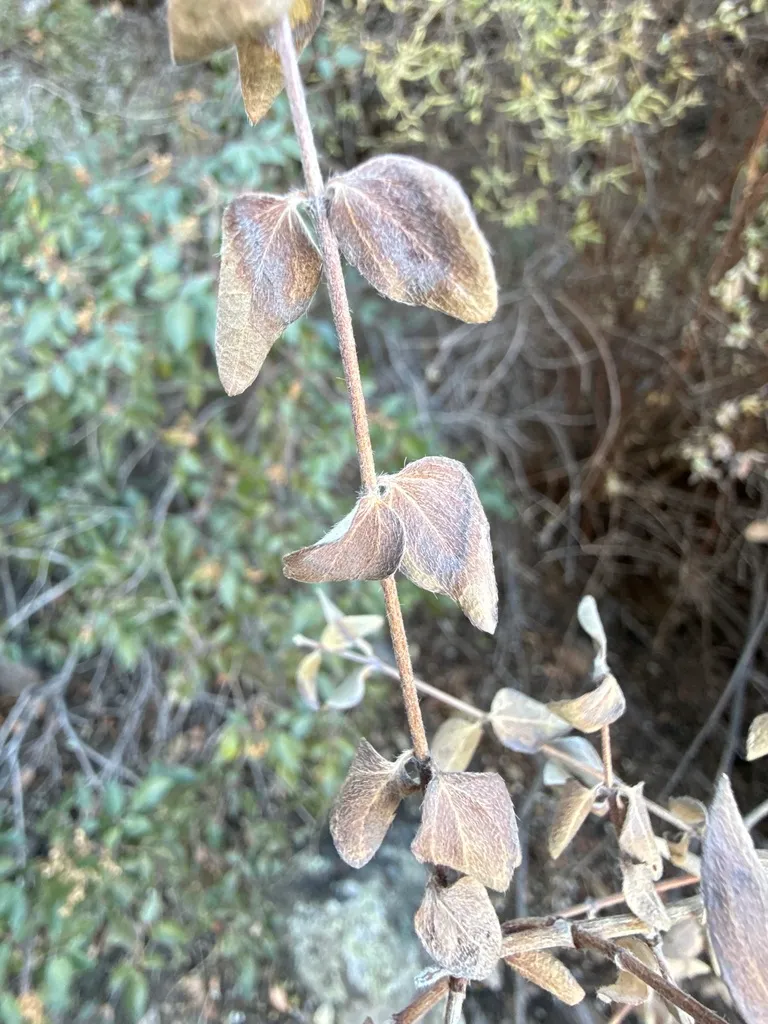
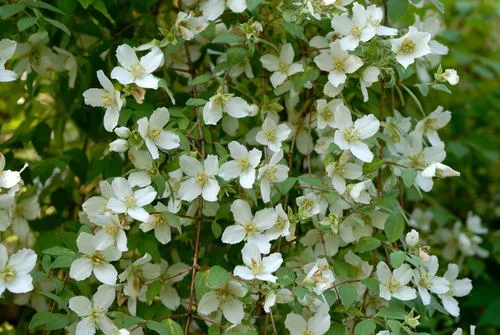
Distribution of little-leaf mock orange
Distribution map
Mexico, USA
Information to be completed
Culture
Information to be completed
Toxicity
Information to be completed
Quick identification of little-leaf mock orange
Information to be completed
little-leaf mock orange care guide
- Deep watering during dry spells, allowing slight surface drying between soakings
- Watering
- Full sun
- Sunlight
- Information to be completed
- Ideal temperature

Watering
Deep watering during dry spells, allowing slight surface drying between soakings
Fertilizing
 Fertilizing
Balanced shrub or tree feed once each early spring
Pruning
 Pruning
Cut flowered growth back to strong young shoots below, removing up to a fifth of old stems near the base each year. Prune immediately after flowering.
Propagation
 Propagation
Propagate by softwood or hardwood cuttings.
Growing
 Growing
Plant in neutral to alkaline, moderately fertile, moist but well-drained soil in full sun. Can tolerate dryer soils once well established.
People also ask
Information to be completed
Common pests and diseases
Diseases
May be susceptible to honey fungus (rarely) and powdery mildews
Pests
May be susceptible to aphids
Explore the plant health library →




