
Magellan austral bellflower
Also known as: Information to be completed
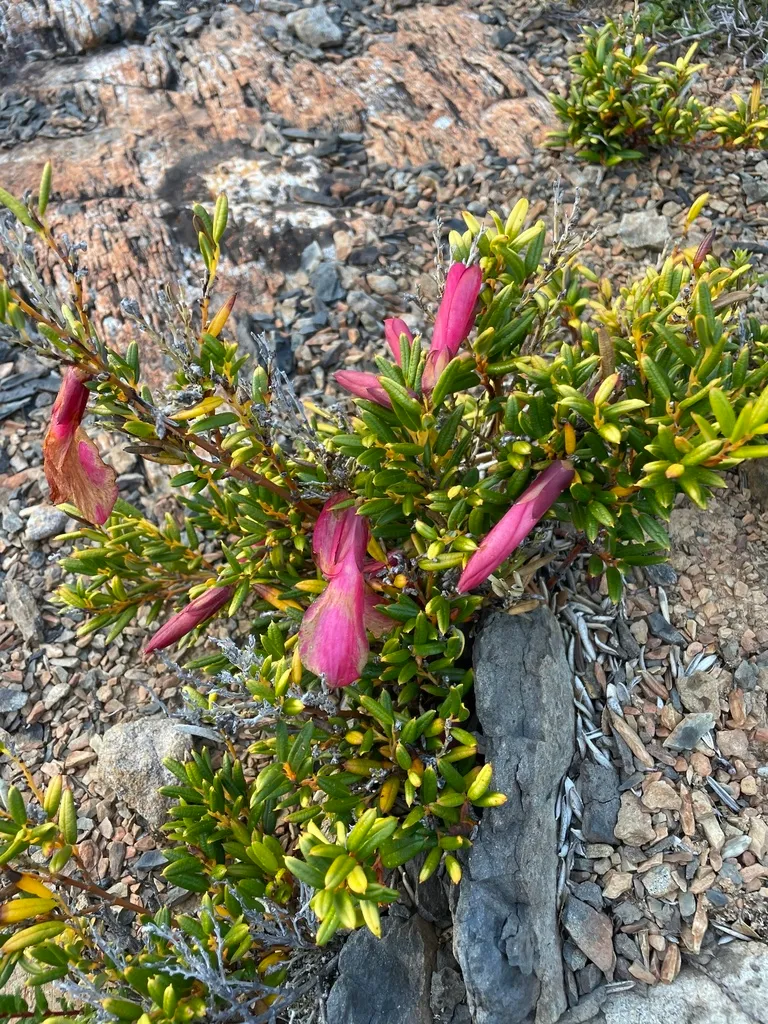
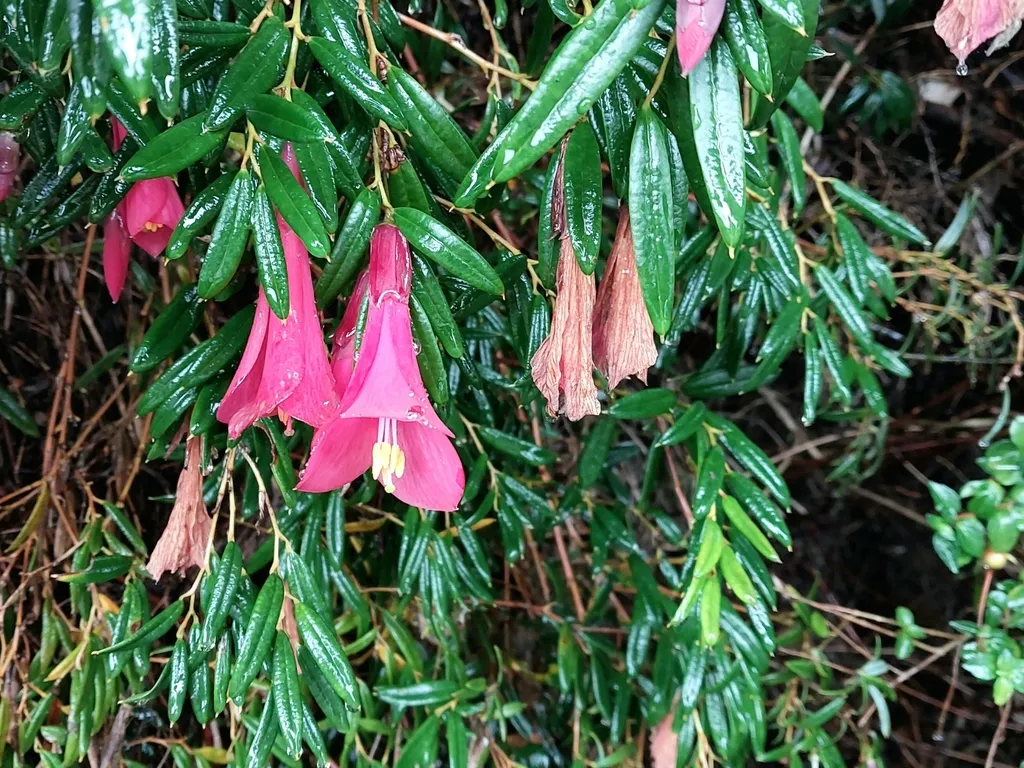
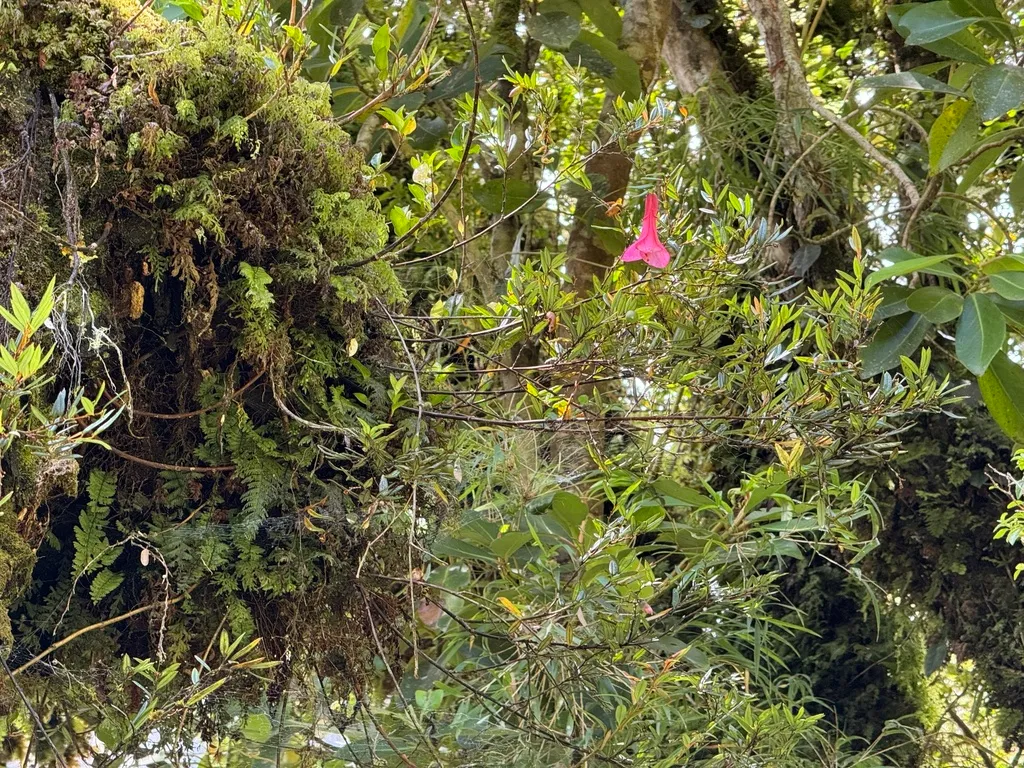
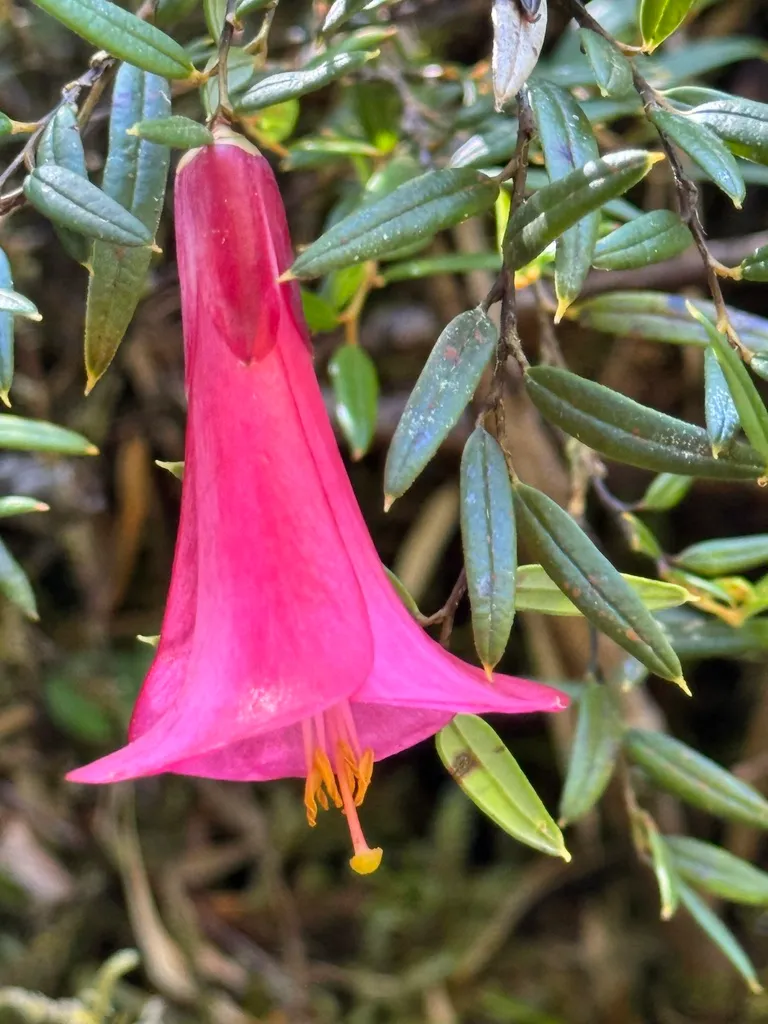
An unusual, evergreen, suckering, sometimes climbing shrub with upright rigid stems which can have a pinkish hue when young and become arching over time. Foliage is narrow and very dark green and thick, waxy, tubular pink flowers, with a flared mouth, appear irregularly in summer through to autumn. Performs well in shady, mossy, rocky areas and will climb around mossy trees
Scientific classification
- Species
- Magellan austral bellflower (Philesia magellanica)
- Genus
- Philesia
- Family
- Philesiaceae
- Order
- Liliales
- Class
- Liliopsida
- Phylum
- Magnoliophyta
- Information to be completed
- Toxicity
- Shrubs
- Plant type
- 0.1-0.5 metres
- Height
- 0.1-0.5 metres
- Spread
- Evergreen
- Foliage
- Suckering
- Habit
- Spring · Summer · Autumn · Winter
- Season of interest
- Partial shade
- Sunlight
- Information to be completed
- Ideal temperature









Magellan austral bellflower pictures
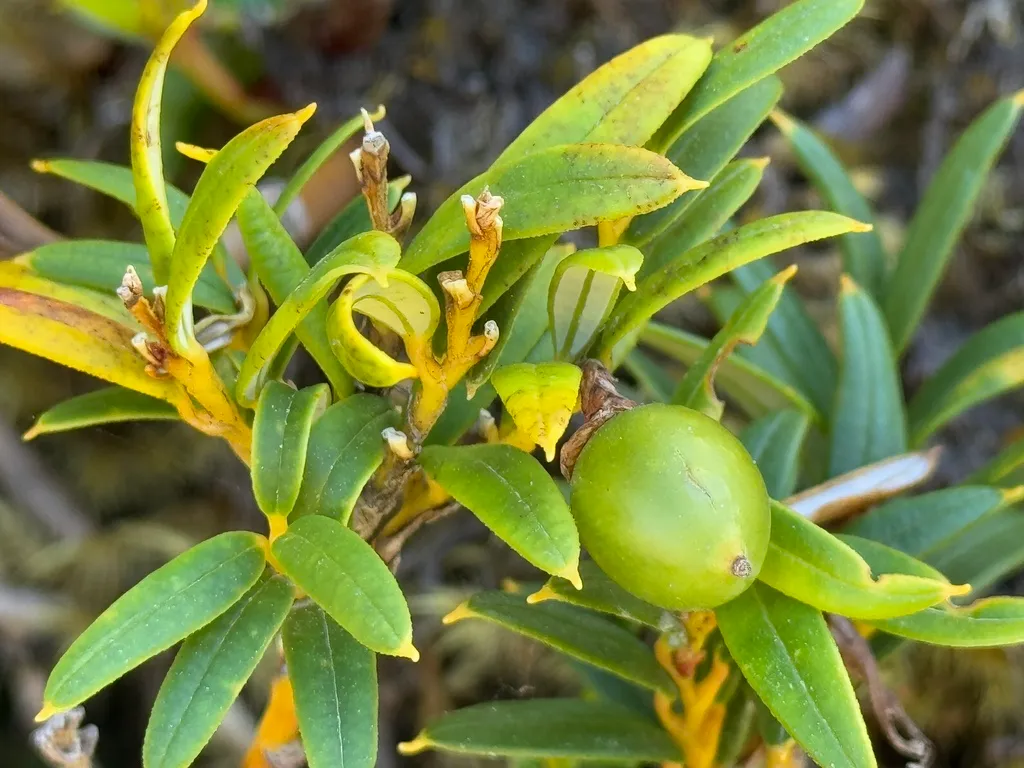
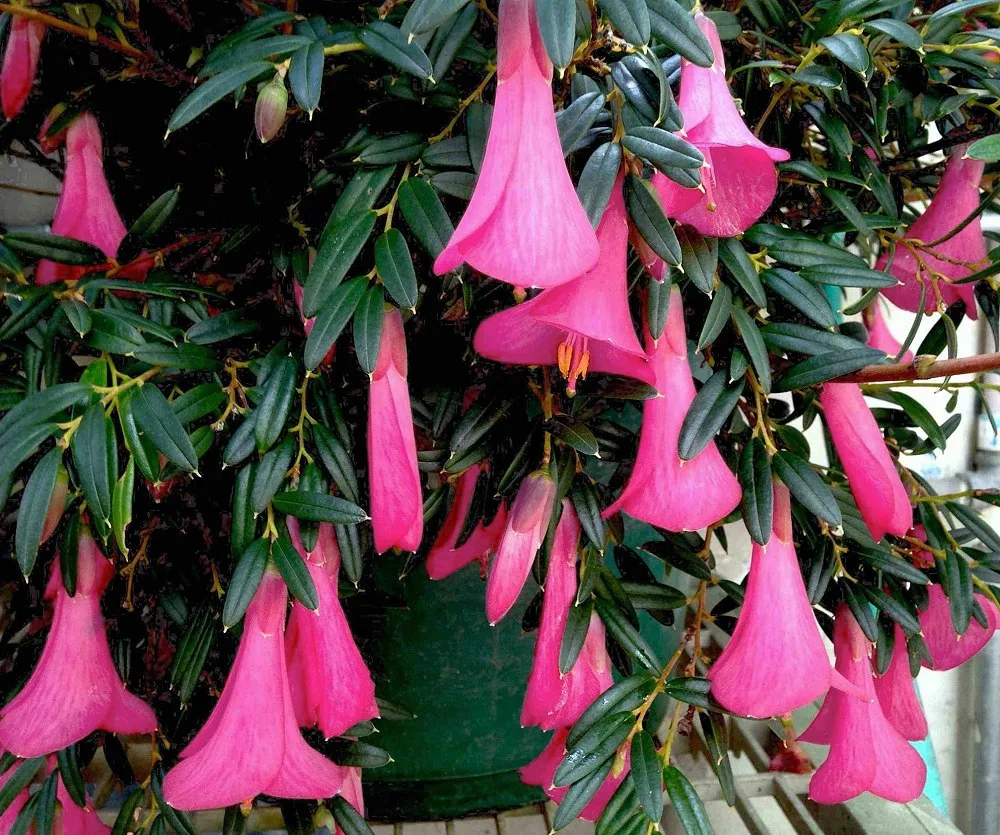
Distribution of Magellan austral bellflower
Distribution map
- Native
- Introduced
- Cultivated
Source:WCVP v16 · Royal Botanic Gardens, Kew · CC BY 3.0 · Boundaries:WGSRPD / TDWG
Magellan austral bellflower care guide
- Moderate regular watering, allowing brief slight drying between soakings
- Watering
- Partial shade
- Sunlight

Watering
Moderate regular watering, allowing brief slight drying between soakings
Fertilizing
 Fertilizing
Balanced perennial feed every four weeks from spring through summer
Pruning
 Pruning
No pruning required. Remove suckers in spring
Propagation
 Propagation
 by suckers or semi-ripe cuttings in summer may not always be successful. Layering of shoots can produce better results
Growing
 Growing
Grow in humus-rich, moist, acidic/peaty soil in part, dappled shade and in a sheltered position. Performs best in shady, mossy and rocky areas which remain damp throughout the summer
Common pests and diseases
Diseases
Generally disease-free but young shoots may be susceptible to fungal diseases
Pests
May be susceptible to slugs, snails, scale insects and red spider mite
Explore the plant health library →




