
kidney-shaped meadow rue
Also known as: Information to be completed
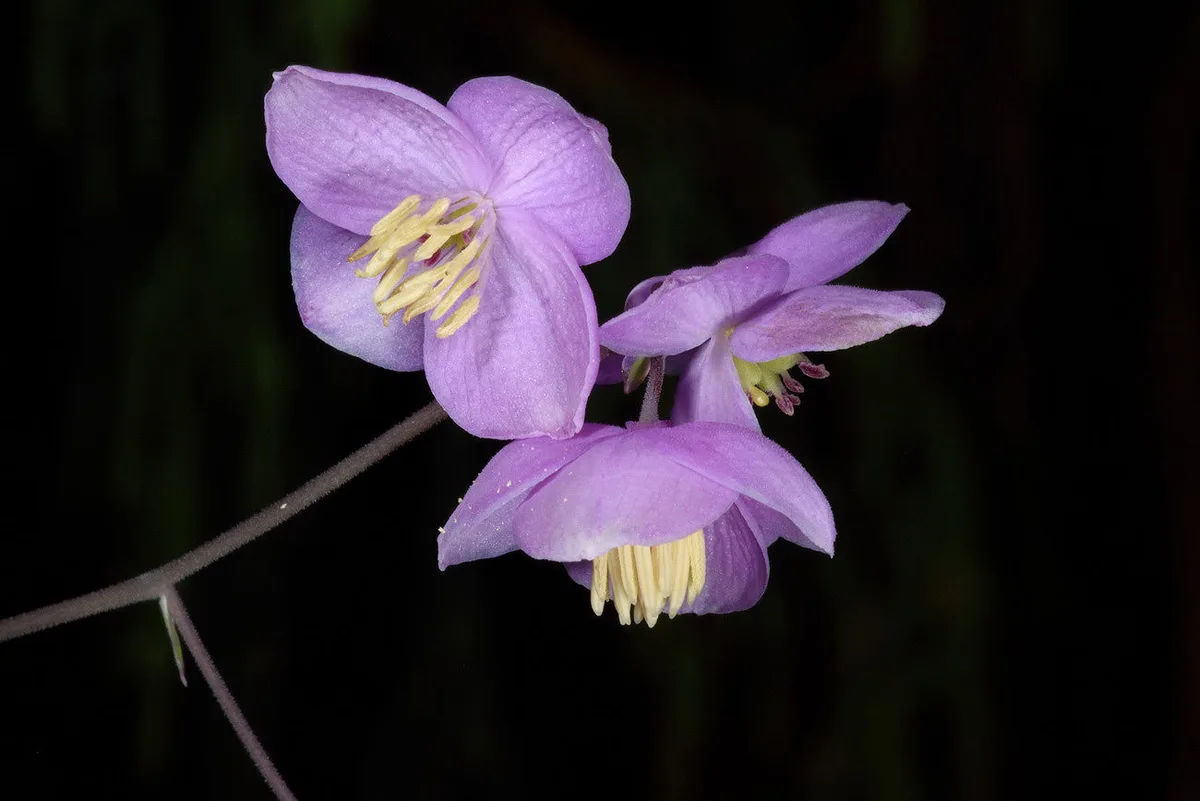
T. reniforme is an erect, rhizomatous, herbaceous perennial up to 1.8m high, with three-pinnate leaves, up to 20cm long, of broadly ovate, orbicular-ovate, or rhombic-obovate, grey-green leaflets, softly hairy beneath, and panicles 20-30cm long of flowers about 2cm across of long, pointed, pale lilac-pink sepals and creamy stamens and pistils from midsummer to early autumn; honeybees visit Thalictrum flowers for pollen
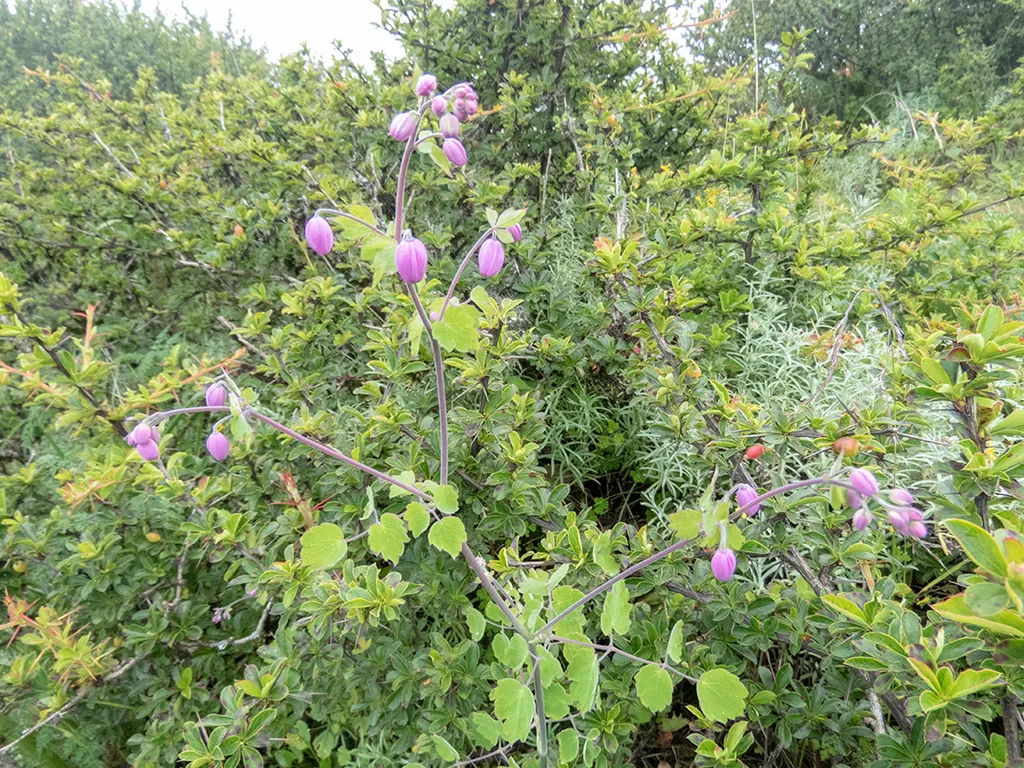
Scientific classification
- Species
- kidney-shaped meadow rue (Thalictrum reniforme)
- Genus
- Thalictrum
- Family
- Ranunculaceae
- Information to be completed
- Toxicity
- Herbaceous Perennial
- Plant type
- 1.5-2.5 metres
- Height
- 0.1-0.5 metres
- Spread
- Deciduous
- Foliage
- Columnar upright
- Habit
- Spring · Summer · Autumn
- Season of interest
- Partial shade
- Sunlight
- Information to be completed
- Ideal temperature









kidney-shaped meadow rue pictures
Distribution of kidney-shaped meadow rue
Distribution map
Information to be completed
Information to be completed
Culture
Information to be completed
Toxicity
Information to be completed
Quick identification of kidney-shaped meadow rue
Information to be completed
kidney-shaped meadow rue care guide
- Moderate regular watering, allowing slight drying between waterings
- Watering
- Partial shade
- Sunlight
- Information to be completed
- Ideal temperature

Watering
Moderate regular watering, allowing slight drying between waterings
Fertilizing
 Fertilizing
Balanced feed monthly during active growth season
Pruning
 Pruning
No pruning required
Propagation
 Propagation
Propagate by seed, sown in containers in a cold frame as soon as ripe or in early spring, or by division as new growth begins in spring; divisions may be slow to re-establish
Growing
 Growing
Grow in moisture-retentive, humus-rich but well-drained soil in full or partial shade, and provide support if necessary, for example by growing among shrubs. See staking perennials for further advice.
People also ask
Information to be completed
Common pests and diseases
Diseases
May be susceptible to powdery mildews in dry conditions
Pests
May be susceptible to slugs
Explore the plant health library →




