
Canary Island date palm
Also known as: Canary date palm; slender date palm
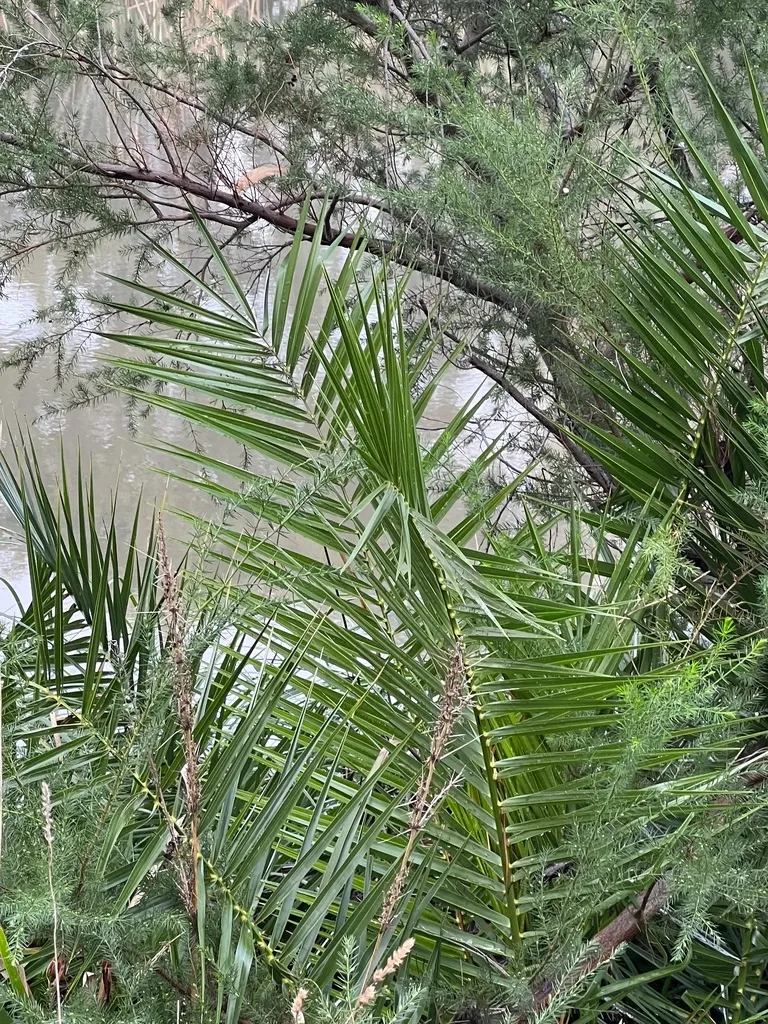
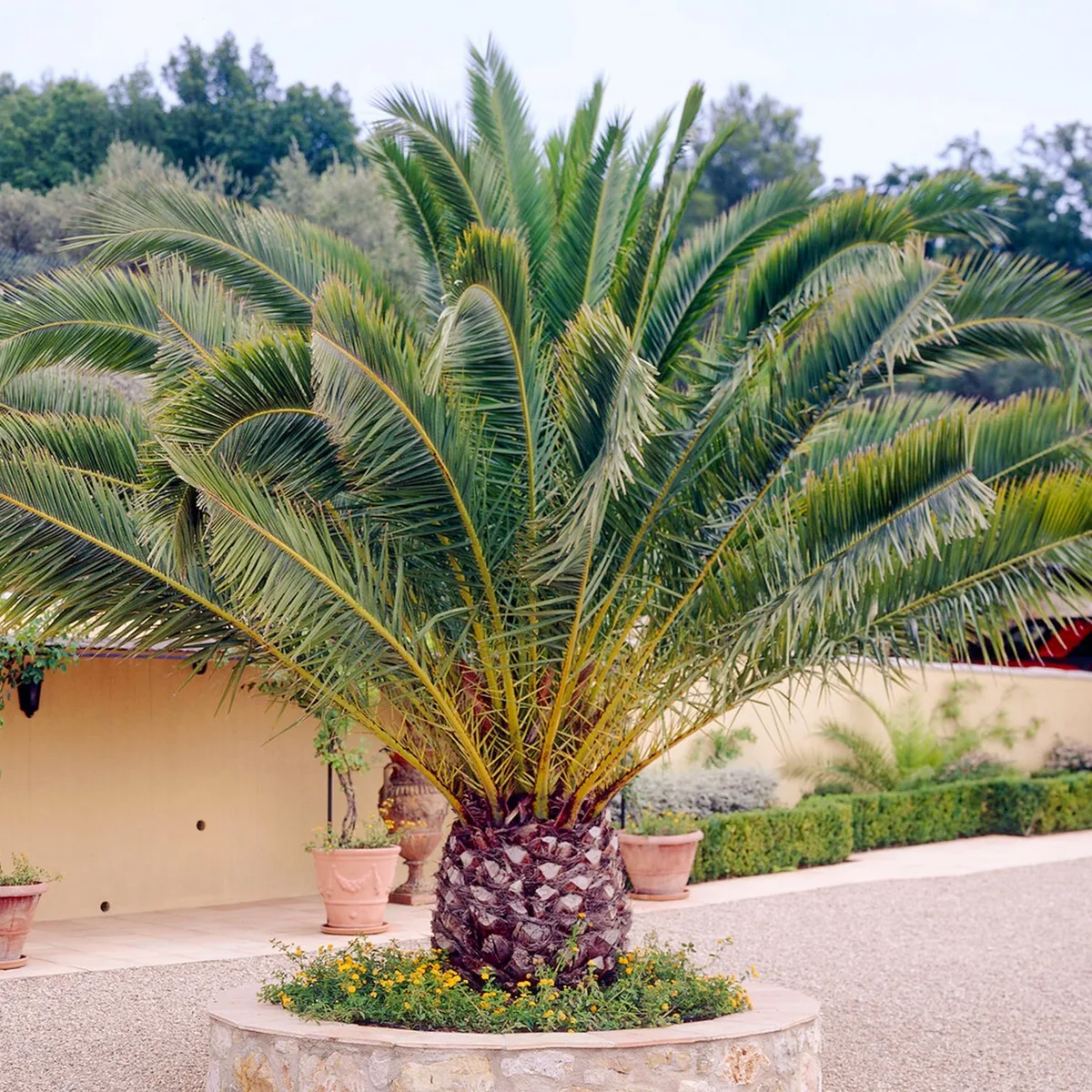
P. canariensis is a tree-like palm to 15m or more, with a stout trunk and spreading deep green leaves to 5m in length, pinnately divided into many linear leaflets; drooping panicles of creamy-yellow flowers, followed by reddish-yellow fruits
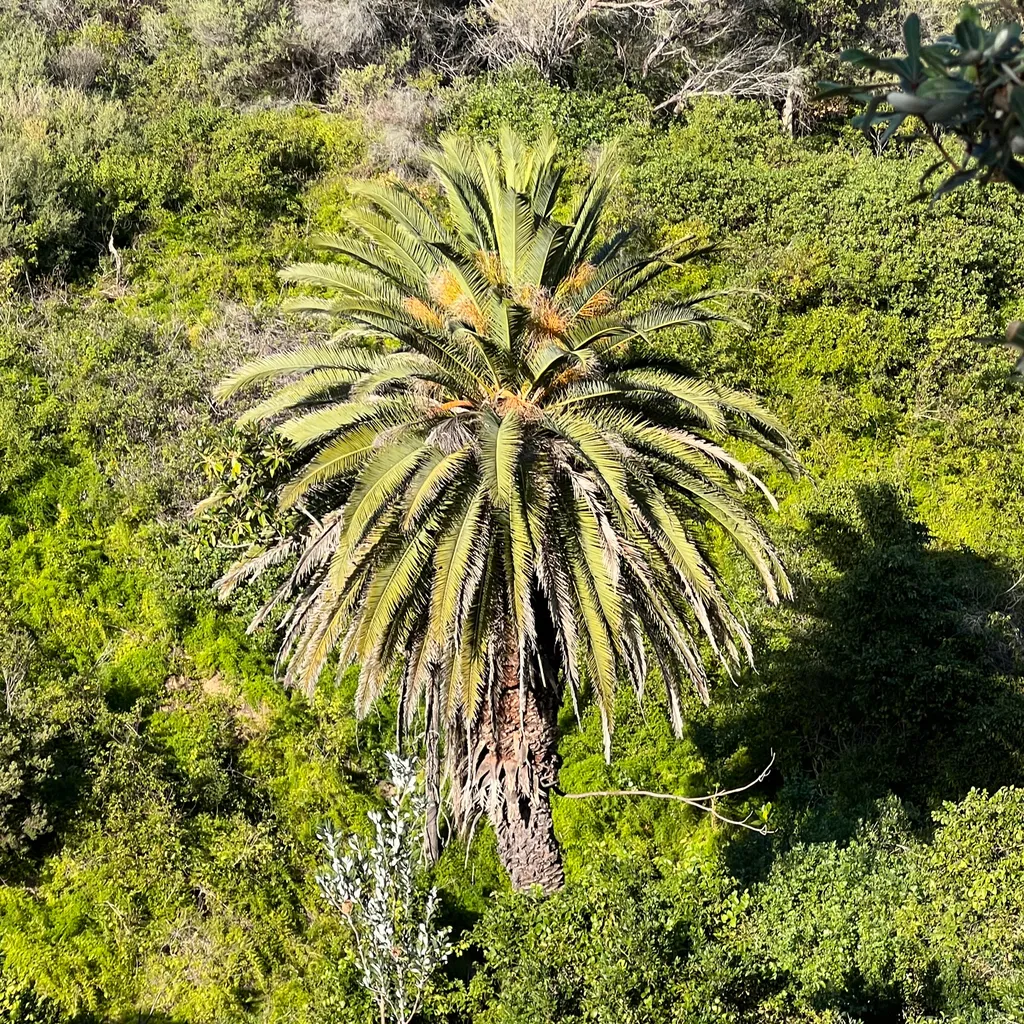
Scientific classification
- Species
- Canary Island date palm (Phoenix canariensis)
- Genus
- Phoenix
- Family
- Arecaceae
- Information to be completed
- Toxicity
- Palms · Conservatory Greenhouse
- Plant type
- Higher than 12 metres
- Height
- wider than 8 metres
- Spread
- Evergreen
- Foliage
- Bushy
- Habit
- Spring · Summer · Autumn · Winter
- Season of interest
- Partial shade
- Sunlight
- Information to be completed
- Ideal temperature









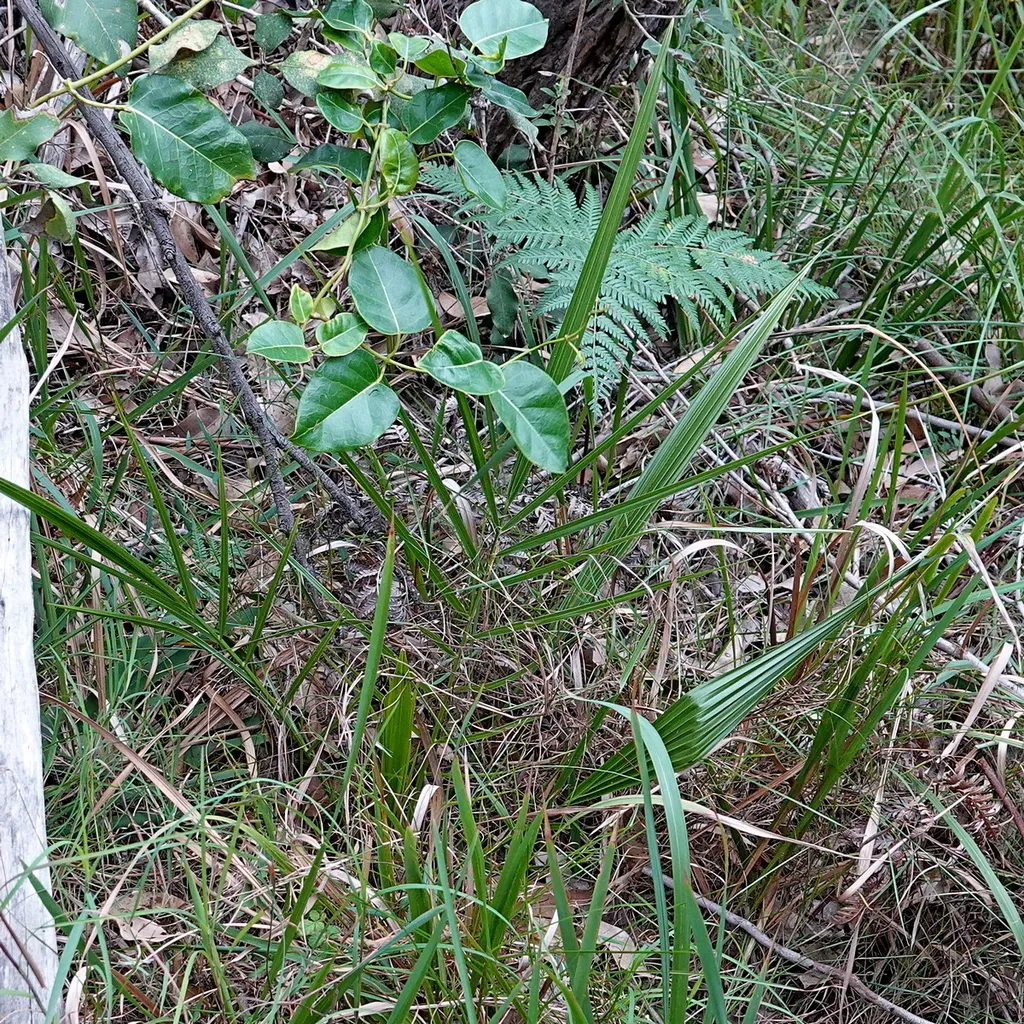
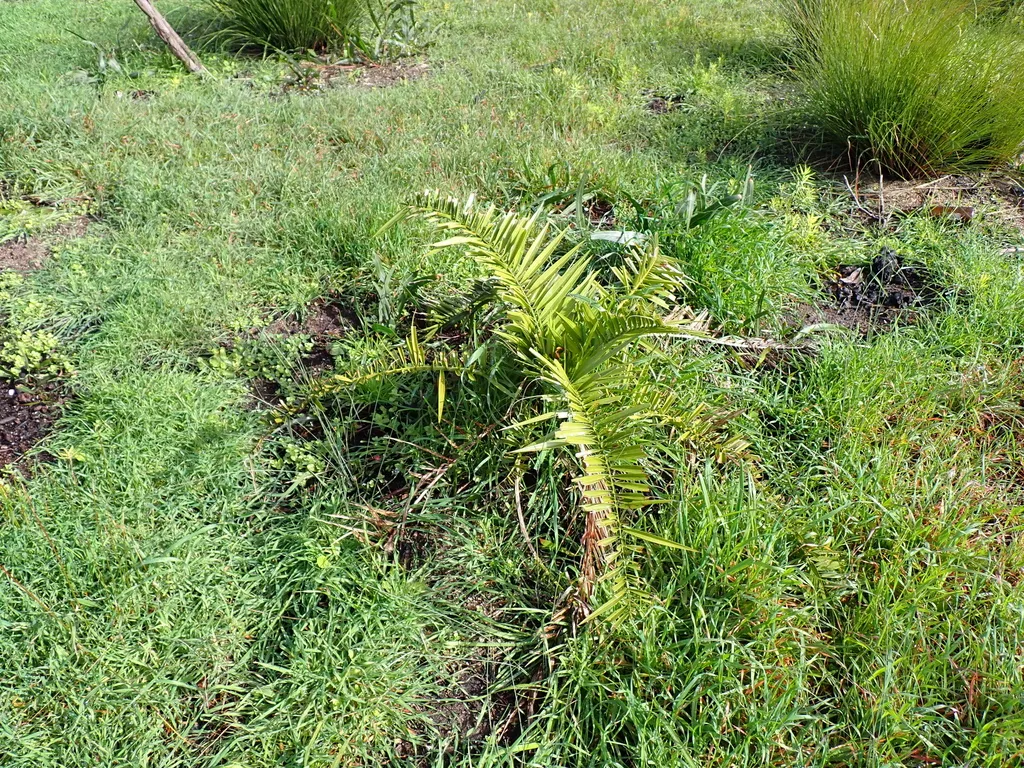
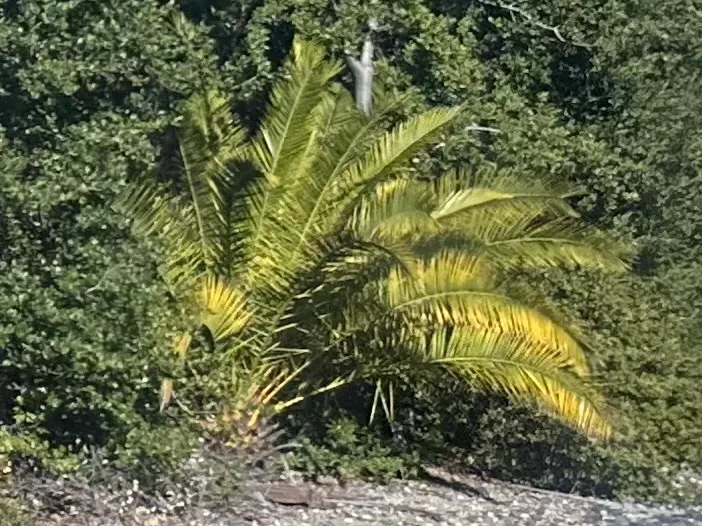
Canary Island date palm pictures
Distribution of Canary Island date palm
Distribution map
Canary Islands
Information to be completed
Culture
Information to be completed
Toxicity
Information to be completed
Quick identification of Canary Island date palm
Information to be completed
Canary Island date palm care guide
- Moderate regular watering, allowing brief slight drying between soakings
- Watering
- Partial shade
- Sunlight
- Information to be completed
- Ideal temperature

Watering
Moderate regular watering, allowing brief slight drying between soakings
Fertilizing
 Fertilizing
Balanced perennial feed every four weeks from spring through summer
Pruning
 Pruning
No pruning required
Propagation
 Propagation
Propagate by seed sown at not less than 25°C
Growing
 Growing
Grow under glass or as a houseplant in a loam-based compost in bright indirect light. When in growth water moderately and feed with a balanced fertiliser once a month. Water sparingly in winter. If moved outside during summer, locate in a sunny sheltered position with some midday shade
People also ask
Information to be completed
Common pests and diseases
Diseases
Generally disease free
Pests
May be attacked by glasshouse red spider mite, thrips, mealybugs and scale insects
Explore the plant health library →




