
flowering spurge
Also known as: garden spurge; purging root; snake milk; tramp's spurge; white purslane; wild hippo; wild spurge
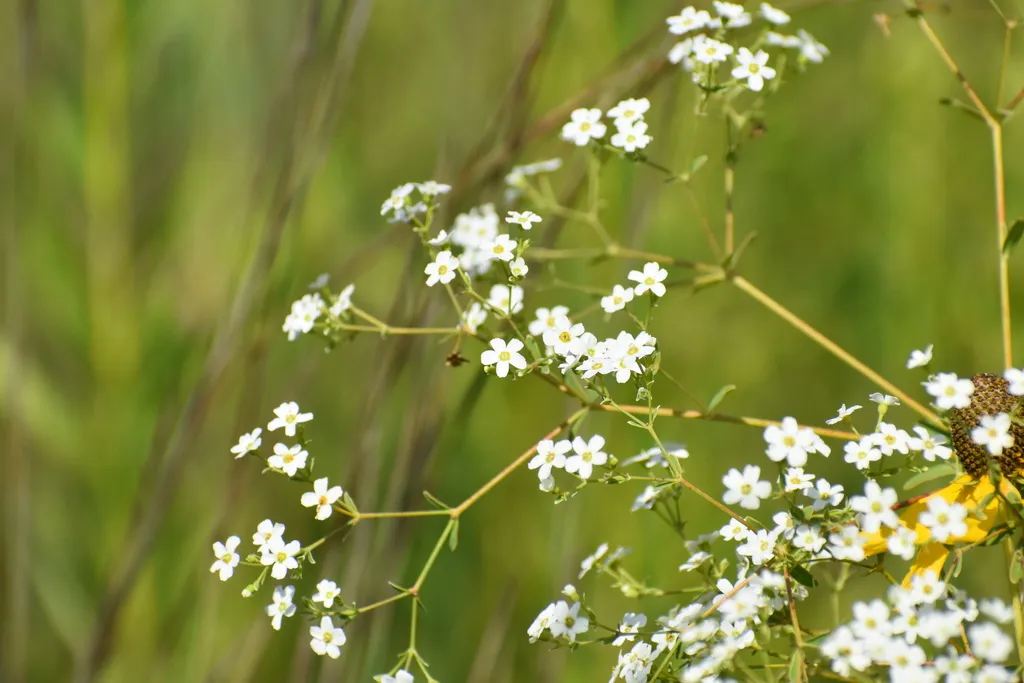
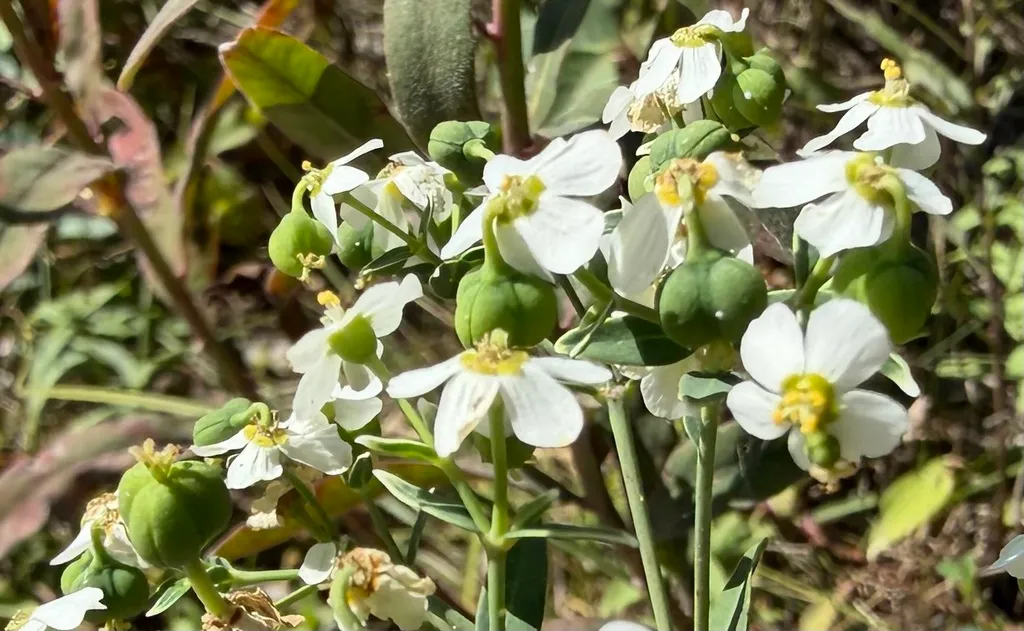
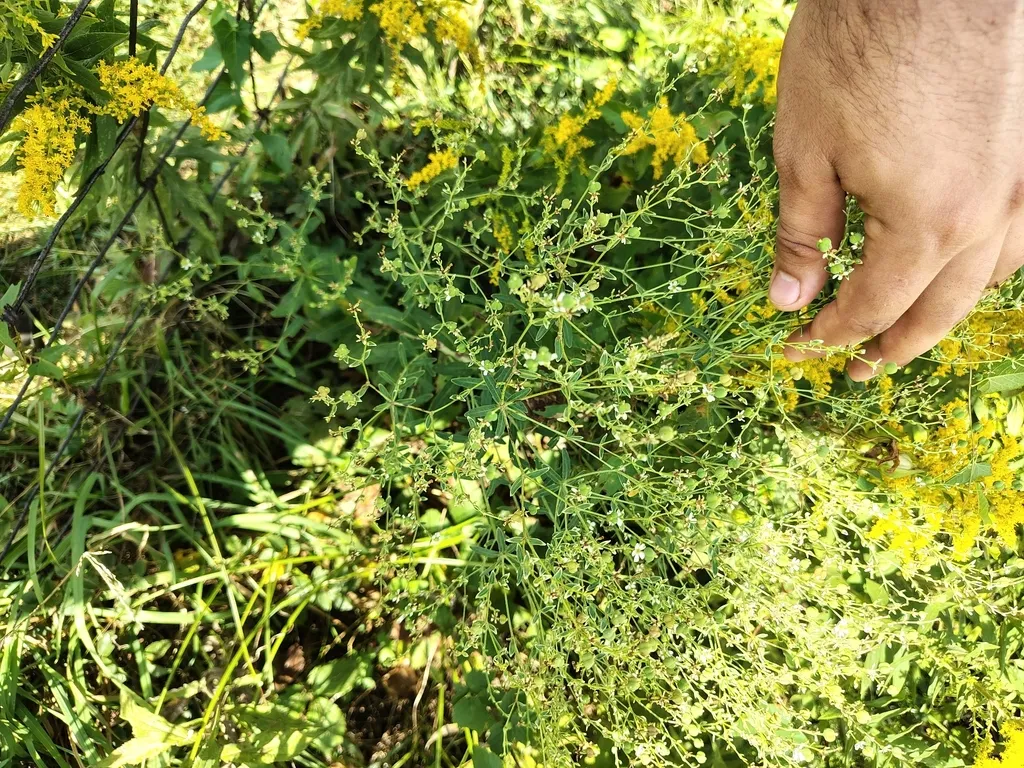
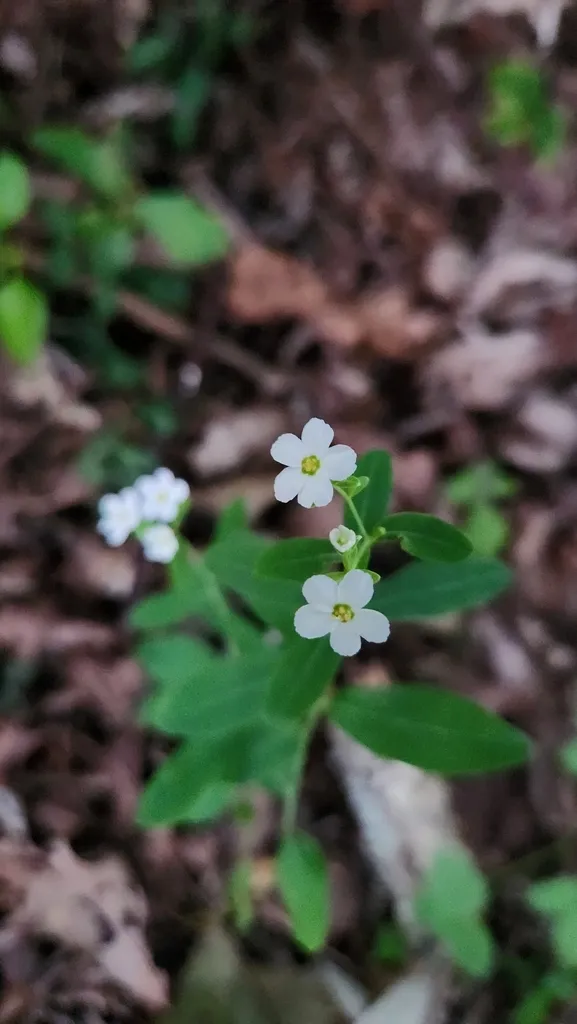
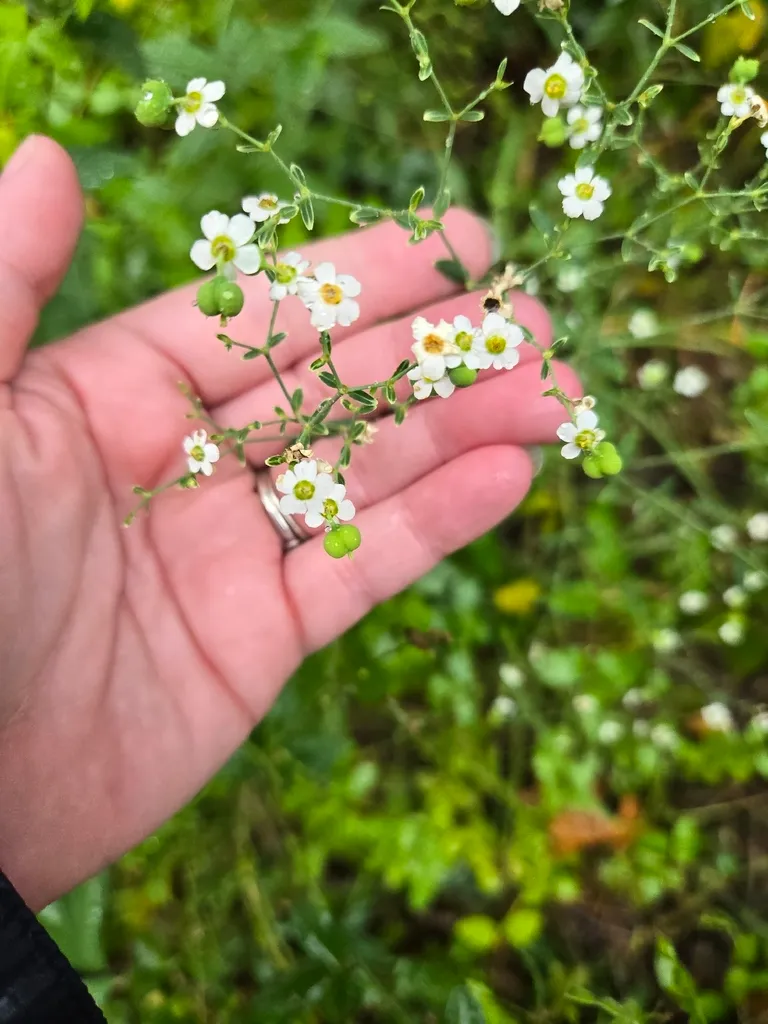
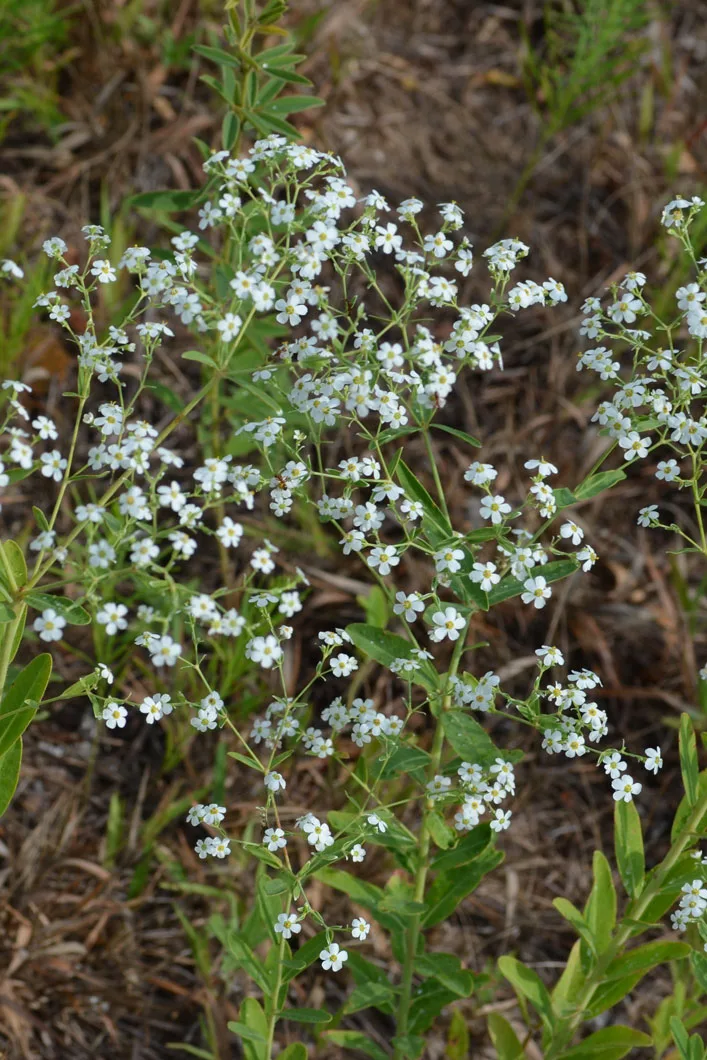
An upright herbaceous perennial that has branched stems to a height of 90cm, clothed in oval, longish leaves, rounded at both ends. In summer, loose clusters of white bracts are borne, with tiny greenish centres which are the true flowers
Scientific classification
- Species
- flowering spurge (Euphorbia corollata)
- Genus
- Euphorbia
- Family
- Euphorbiaceae
- Order
- Malpighiales
- Class
- Magnoliopsida
- Phylum
- Magnoliophyta
- IRRITANT to skin/eye, harmful if eaten. Wear gloves and other protective equipment when handling]
- Toxicity
- Herbaceous Perennial
- Plant type
- 0.5-1 metres
- Height
- 0.5-1 metres
- Spread
- Deciduous
- Foliage
- Columnar upright · Clump forming
- Habit
- Spring · Summer · Autumn
- Season of interest
- Full sun
- Sunlight
- Information to be completed
- Ideal temperature









flowering spurge pictures
Distribution of flowering spurge
Distribution map
- Native
- Introduced
- Cultivated
Source:WCVP v16 · Royal Botanic Gardens, Kew · CC BY 3.0 · Boundaries:WGSRPD / TDWG
Toxicity
IRRITANT to skin/eye, harmful if eaten. Wear gloves and other protective equipment when handling]
flowering spurge care guide
- Moderate regular watering, allowing brief slight drying between soakings
- Watering
- Full sun
- Sunlight

Watering
Moderate regular watering, allowing brief slight drying between soakings
Fertilizing
 Fertilizing
Balanced perennial feed every four weeks from spring through summer
Pruning
 Pruning
Cut back at the end of the season
Propagation
 Propagation
Propagate by seed in autumn or by division in autumn or spring
Growing
 Growing
Thrives in a light well-drained soil in full sun. See Euphorbia for further advice
Common pests and diseases
Diseases
May be susceptible to a rust and Powdery mildews
Pests
May be susceptible to aphids
Explore the plant health library →




