
celery pine of New Zealand
Also known as: tanekaha
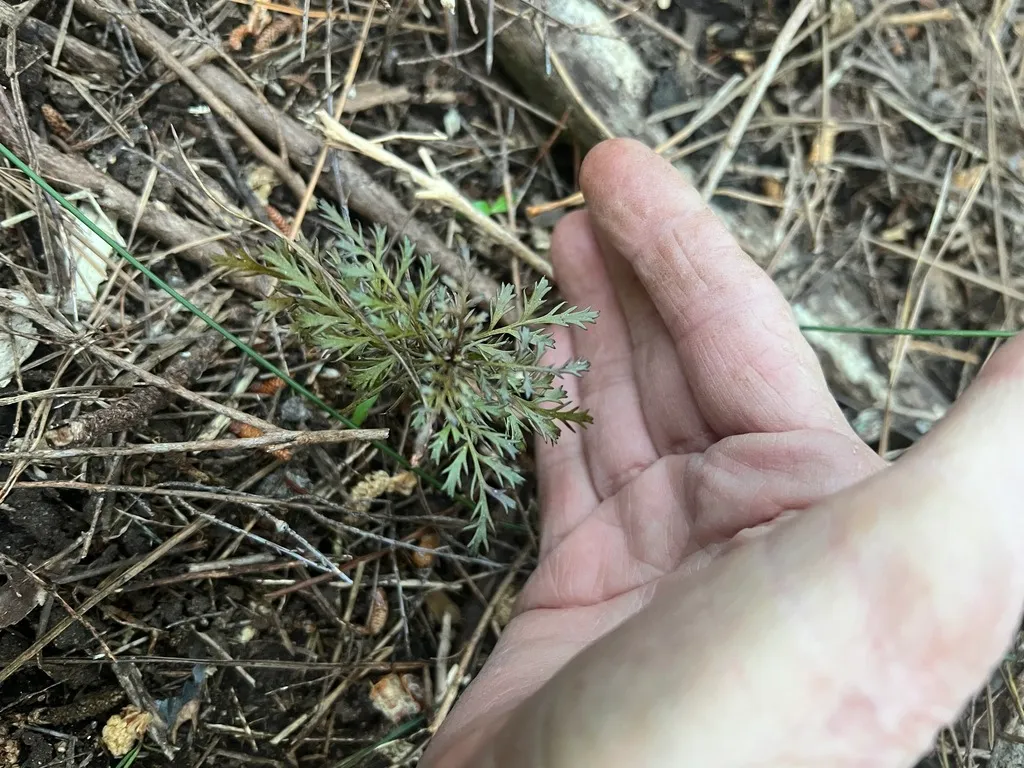
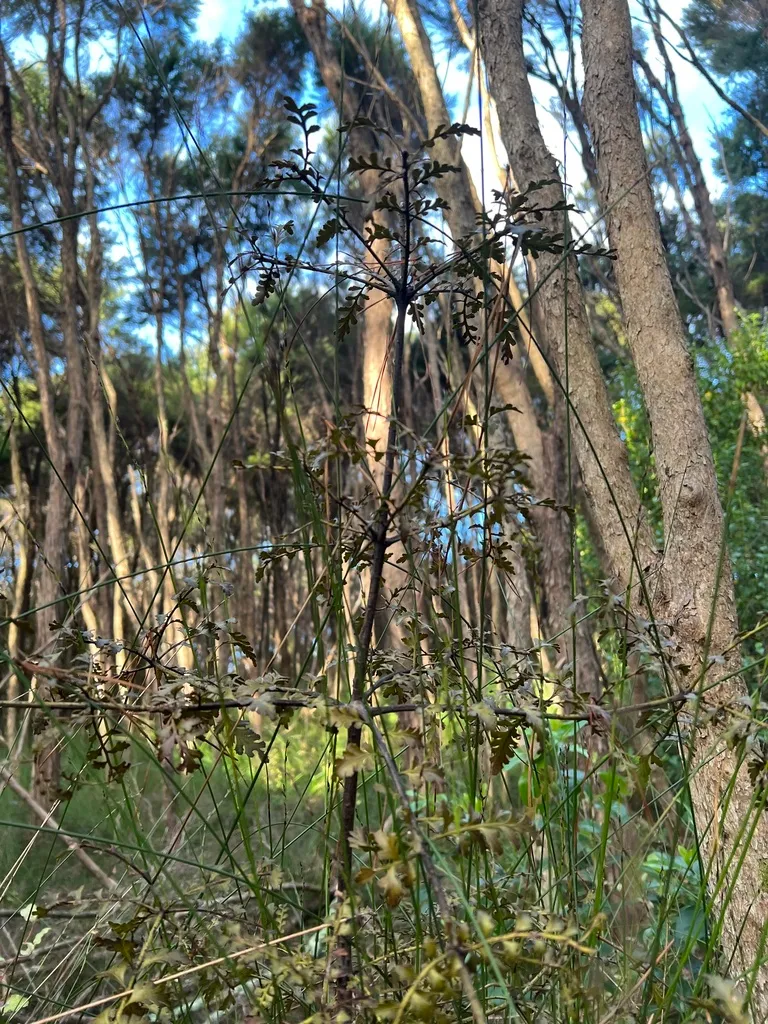
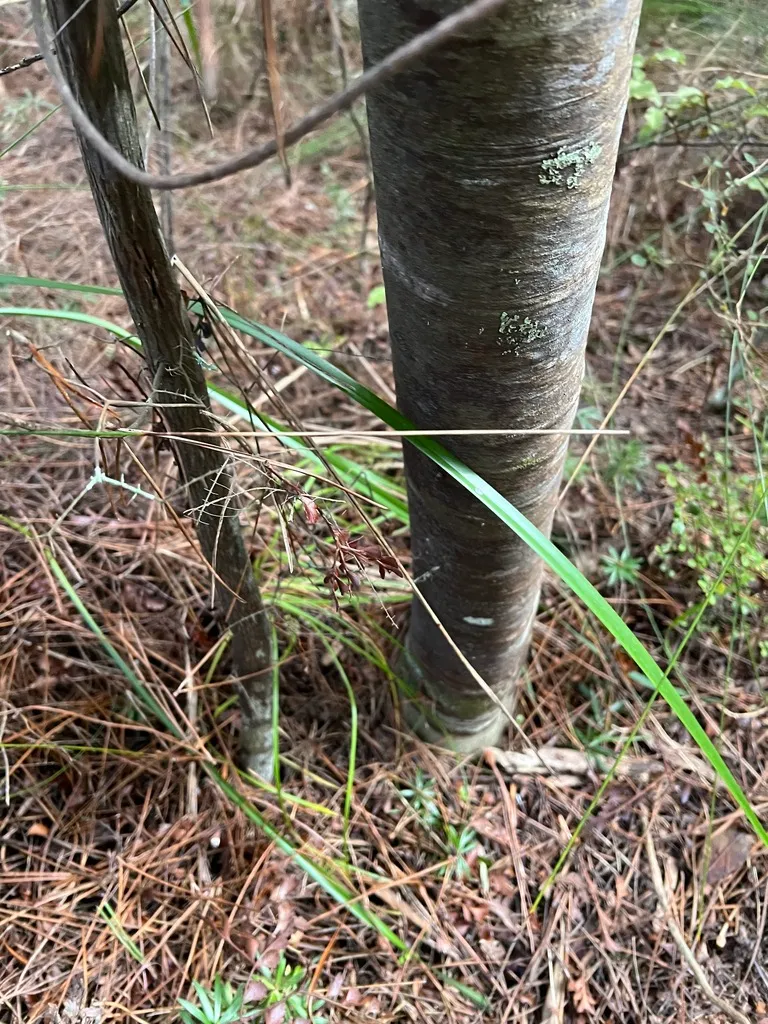
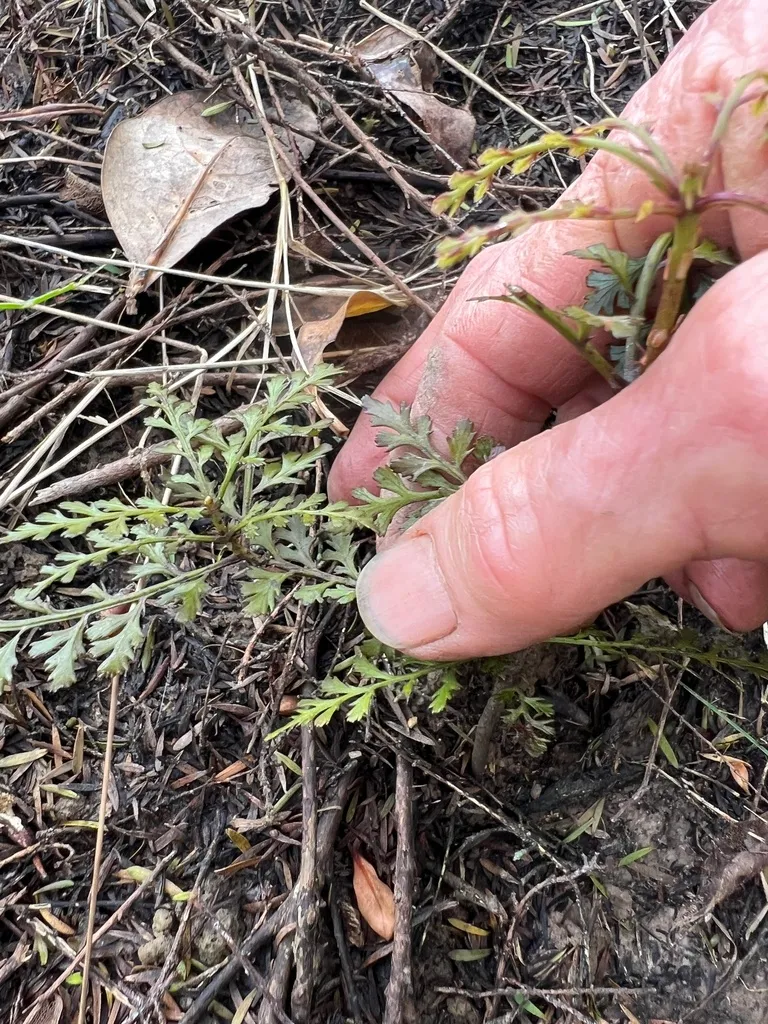
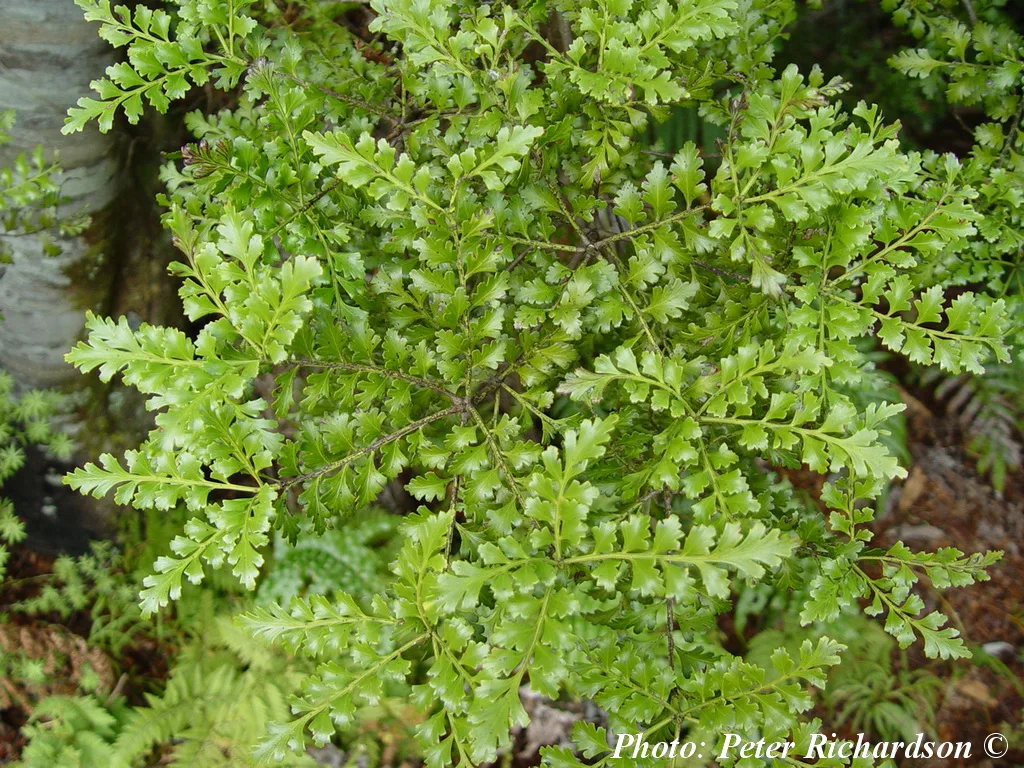
An upright, conical, evergreen tree, ultimately reaching 12m, with smooth, grey-black bark and branches in whorls. The foliage consists of 30cm-long phylloclades - flattened stems replacing the true leaves which are reduced to scales. They are divided into diamond-shaped segments, reddish-brown when young, then mid-green. In spring, produces spherical, dark blue or black, female cones, and catkin-like male cones which start purple, ripening to red then yellow
Scientific classification
- Species
- celery pine of New Zealand (Phyllocladus trichomanoides)
- Genus
- Phyllocladus
- Family
- Podocarpaceae
- Information to be completed
- Toxicity
- Trees · Conifers
- Plant type
- 4-8 metres
- Height
- 4-8 metres
- Spread
- Evergreen
- Foliage
- Bushy · Columnar upright
- Habit
- Information to be completed
- Season of interest
- Full sun
- Sunlight
- Information to be completed
- Ideal temperature









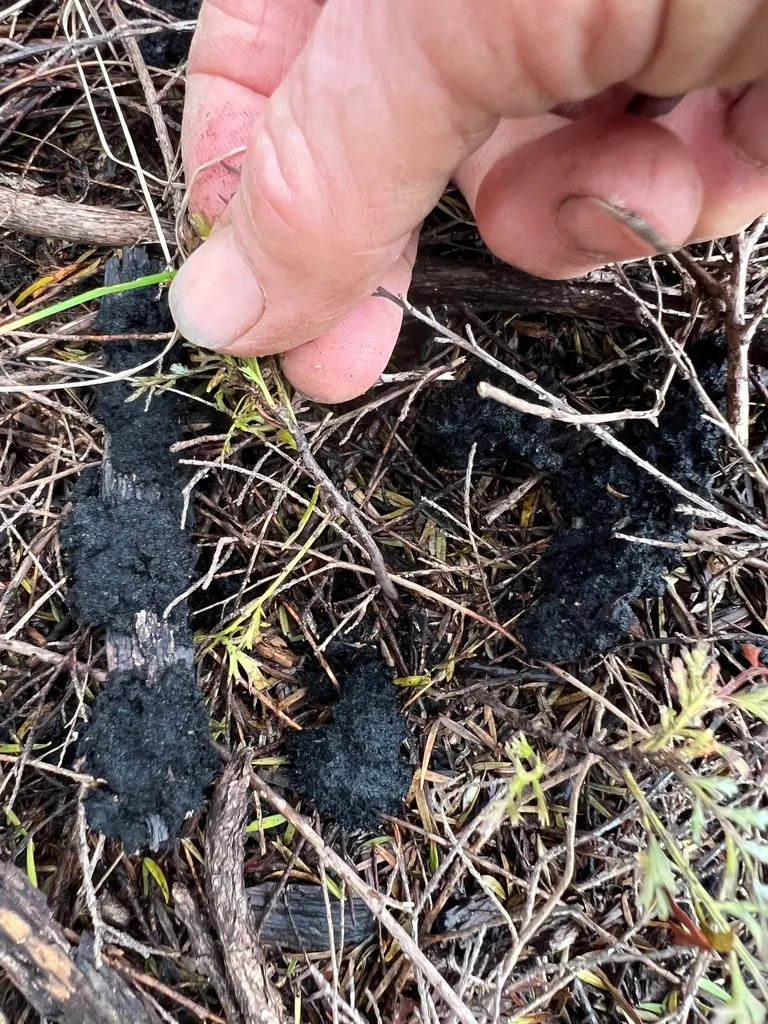
celery pine of New Zealand pictures
Distribution of celery pine of New Zealand
Distribution map
New Zealand
Information to be completed
Culture
Information to be completed
Toxicity
Information to be completed
Quick identification of celery pine of New Zealand
Information to be completed
celery pine of New Zealand care guide
- Moderate regular watering, avoid prolonged drought and stagnant waterlogging
- Watering
- Full sun
- Sunlight
- Information to be completed
- Ideal temperature

Watering
Moderate regular watering, avoid prolonged drought and stagnant waterlogging
Fertilizing
 Fertilizing
Balanced perennial feed every four weeks spring through summer growth
Pruning
 Pruning
Little pruning is needed. Remove diseased, damaged, crowded or crossing shoots and unwanted growth. Timing depends on the plant: generally late winter or early spring; plants prone to bleeding and deciduous magnolias need different timing, and deciduous azaleas and lilacs are pruned after flowering.
Propagation
 Propagation
Propagate by seed in spring or by semi-ripe cuttings in summer
Growing
 Growing
Grow under glass in loam-based compost with added leaf mould, and keep frost-free
People also ask
Information to be completed
Common pests and diseases
Diseases
Generally disease-free
Pests
Generally pest-free
Explore the plant health library →




